
Hello, hello everyone! 💛
A few weeks ago, we went to York to celebrate my birthday. It was such a lovely surprise planned by my mum and my husband! We spent a day and a half exploring this beautiful city, and I absolutely fell in love with it.
If you’d like, I can share a 2-day itinerary with all the best things to see and do in York. ✨
One little tip for your own safety: don’t do what I did and walk too much! 😂 I ended up doing 46,000 steps… my feet definitely needed a holiday after that!
First day

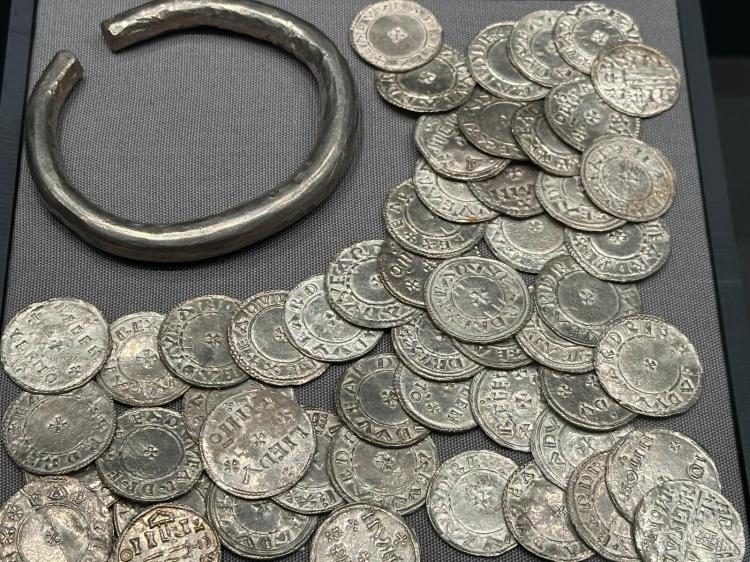
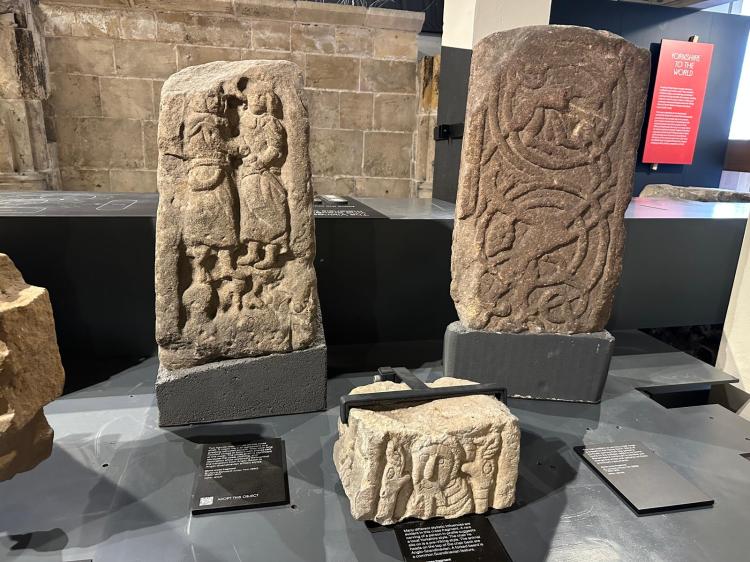
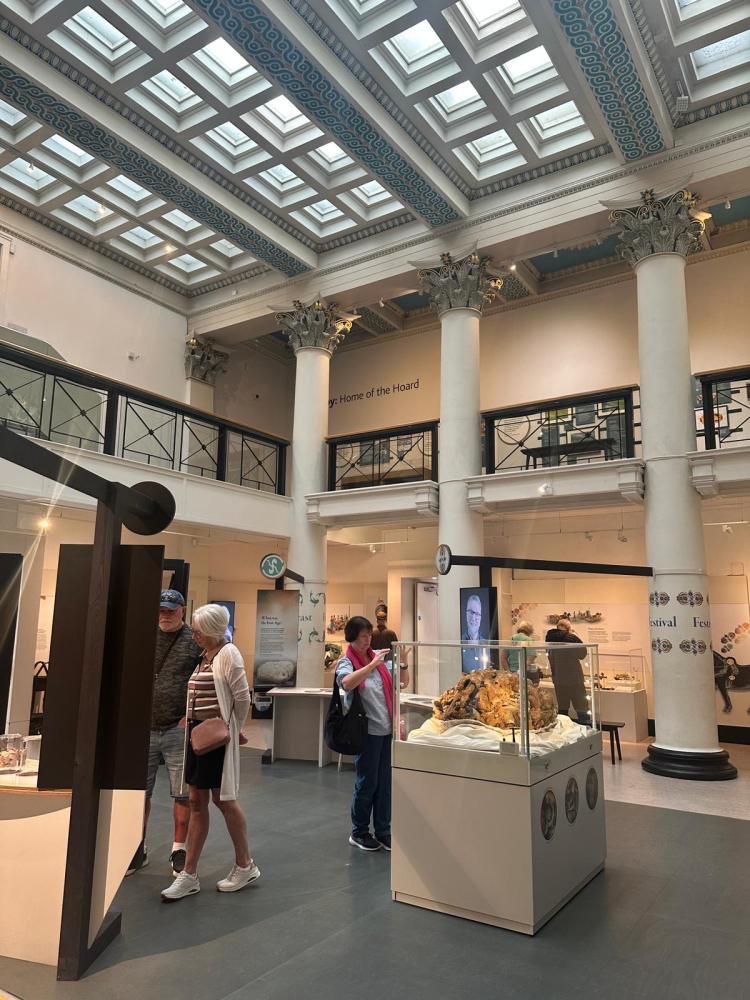
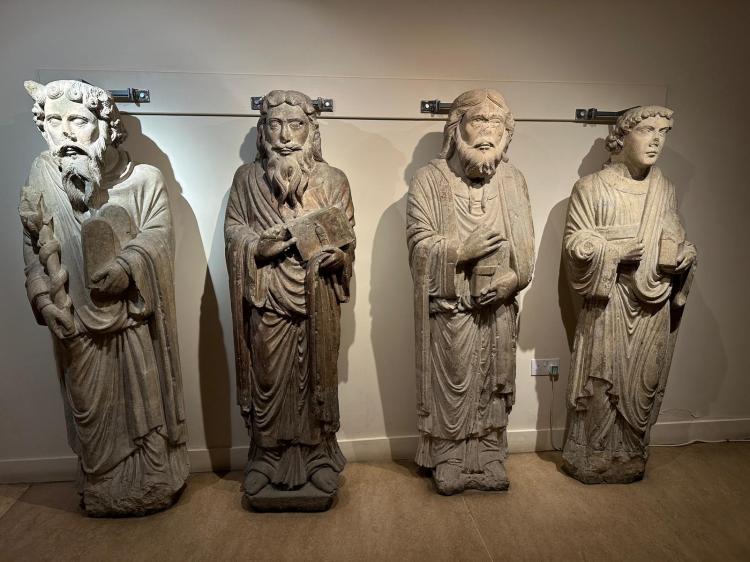
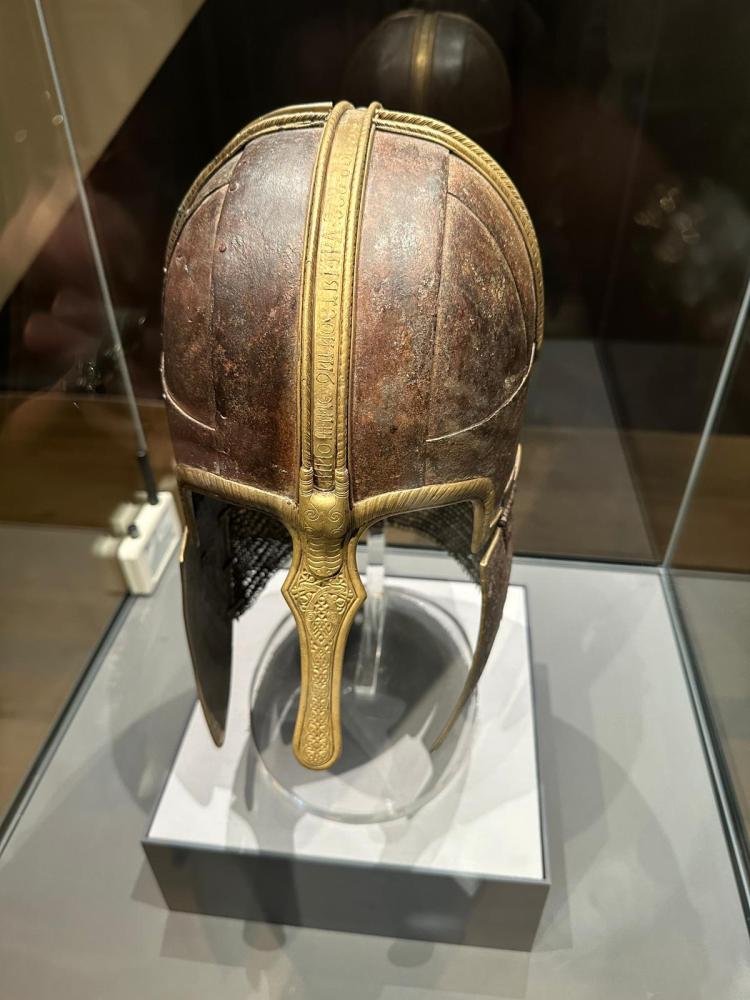
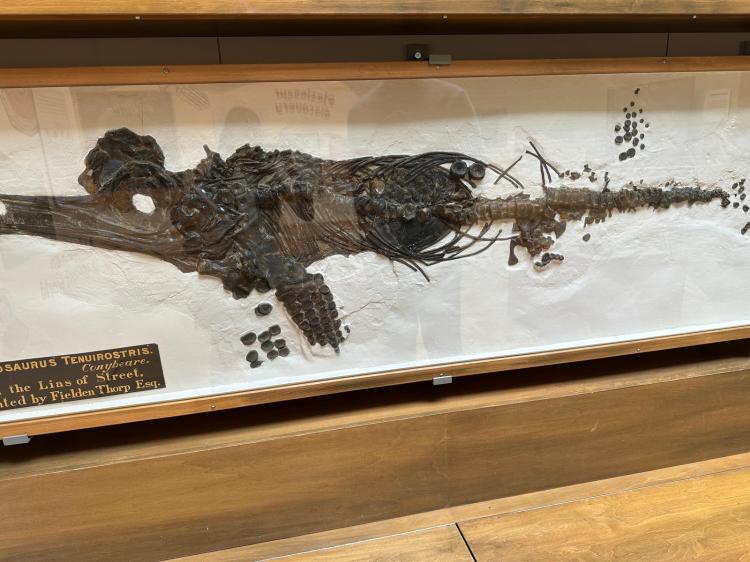
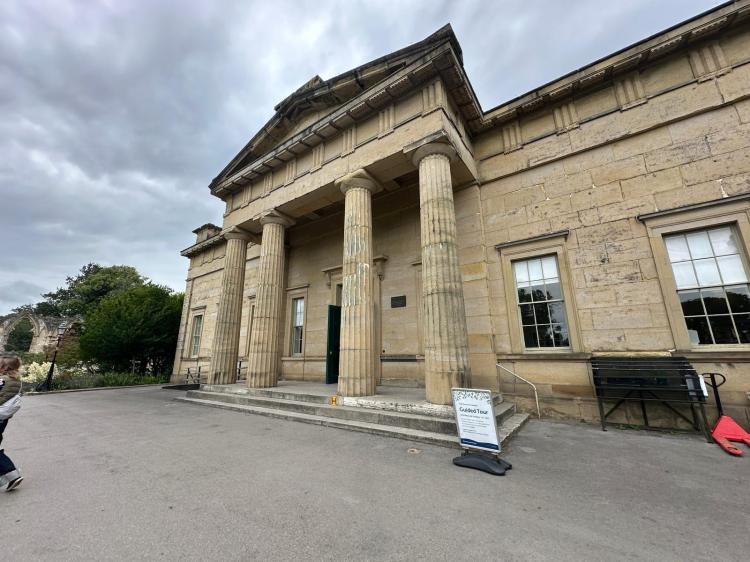
We started our first day by visiting the Yorkshire Museum, where we met Alan the Dinosaur, the museum’s famous Jurassic-era Allosaurus skeleton. The museum is also home to incredible archaeological finds that tell the story of York from Roman times through the Viking and medieval periods.
We also learned about Mary Anning, a pioneering figure who studied and collected fossils and whose work helped open the door for women in science and palaeontology. Her story was a fascinating reminder that York’s history is not only ancient but also deeply connected to scientific discovery and progress.
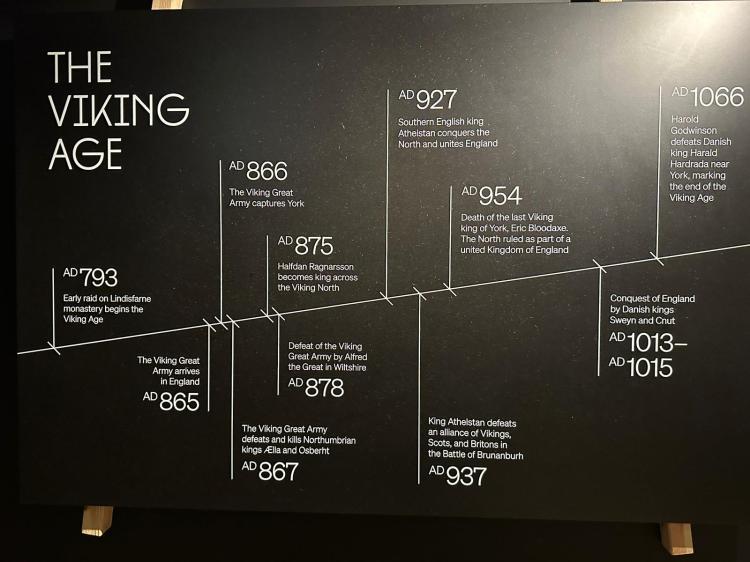
One of the most fascinating and heartbreaking parts of the visit was learning about the Viking invasions. York, known as Jórvík during the Viking Age, became one of the most important Viking settlements in England after being captured in 866 AD by the Great Heathen Army. The exhibits explain the battles, the lives lost, and how the Vikings ultimately shaped not only York but many other parts of the UK through trade, culture, and settlement.
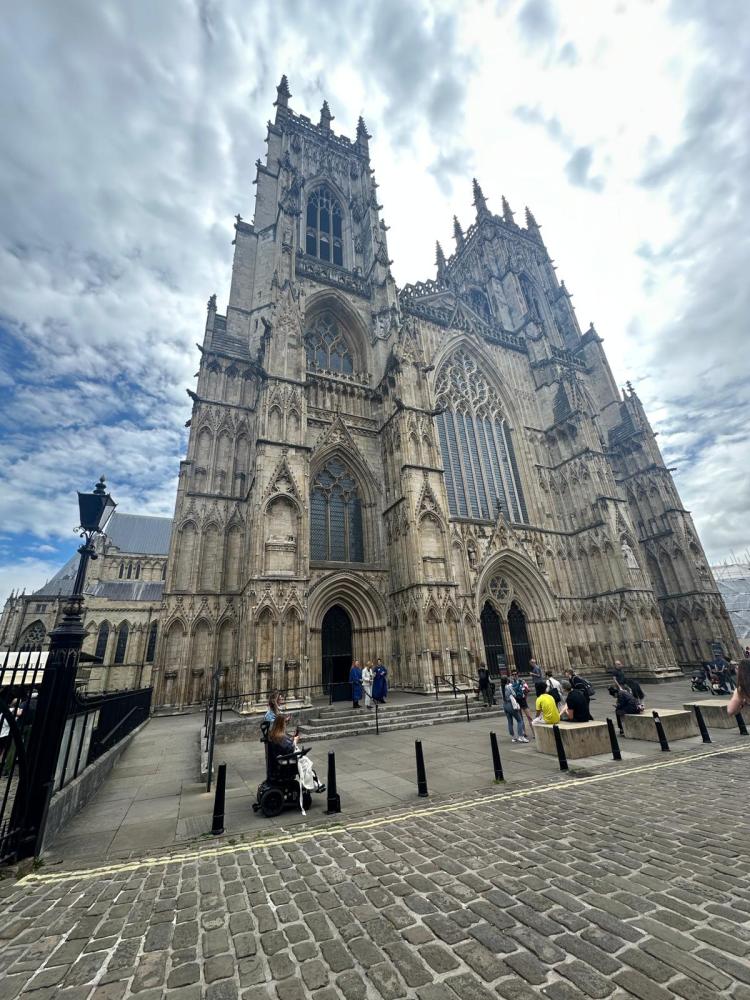
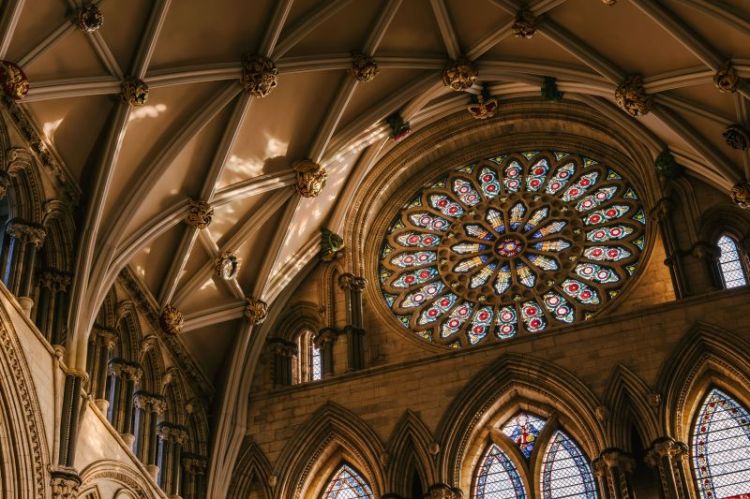
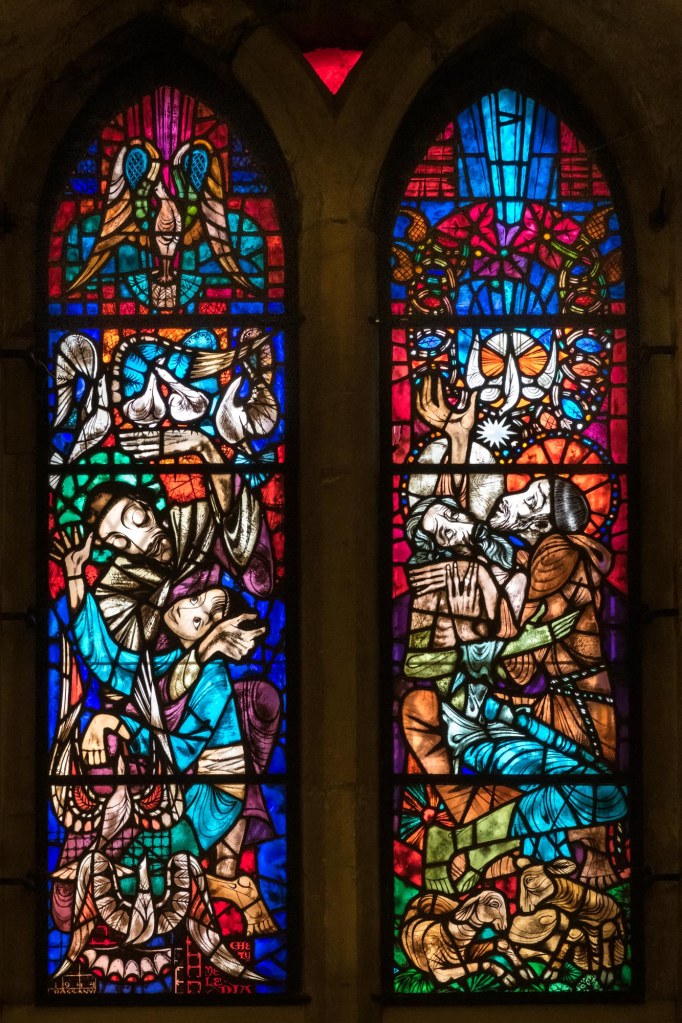
We also made time to see York Minster, the magnificent Gothic cathedral that has dominated the city skyline for centuries. Built over several hundred years and completed in the 15th century, it remains one of the most important religious buildings in England and a powerful symbol of York’s medieval wealth and influence.
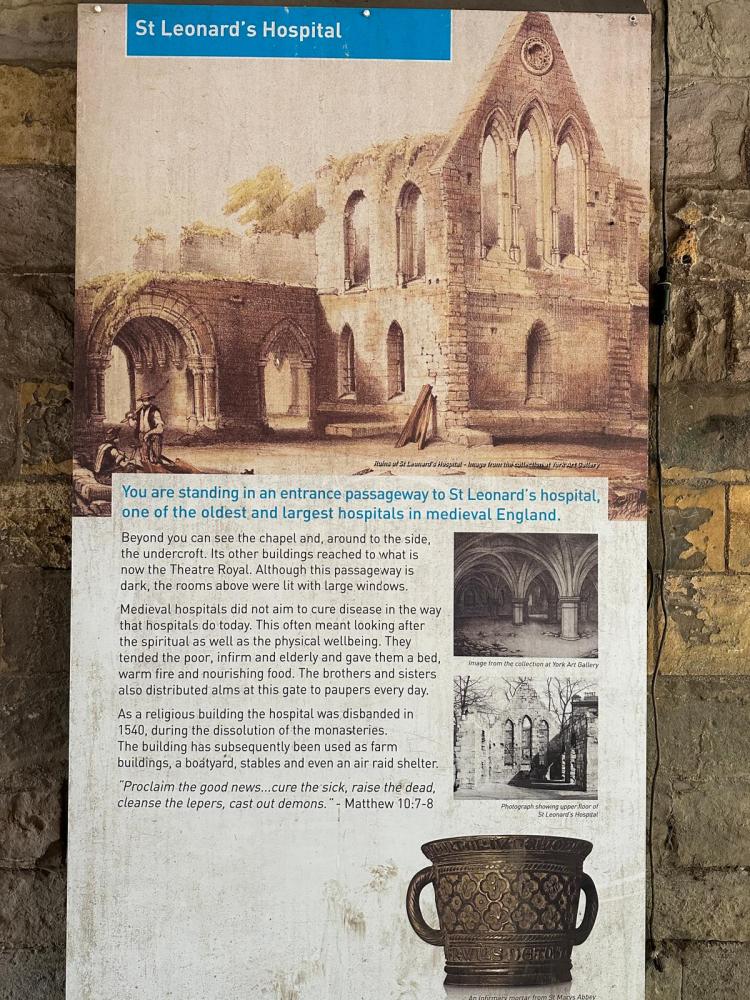
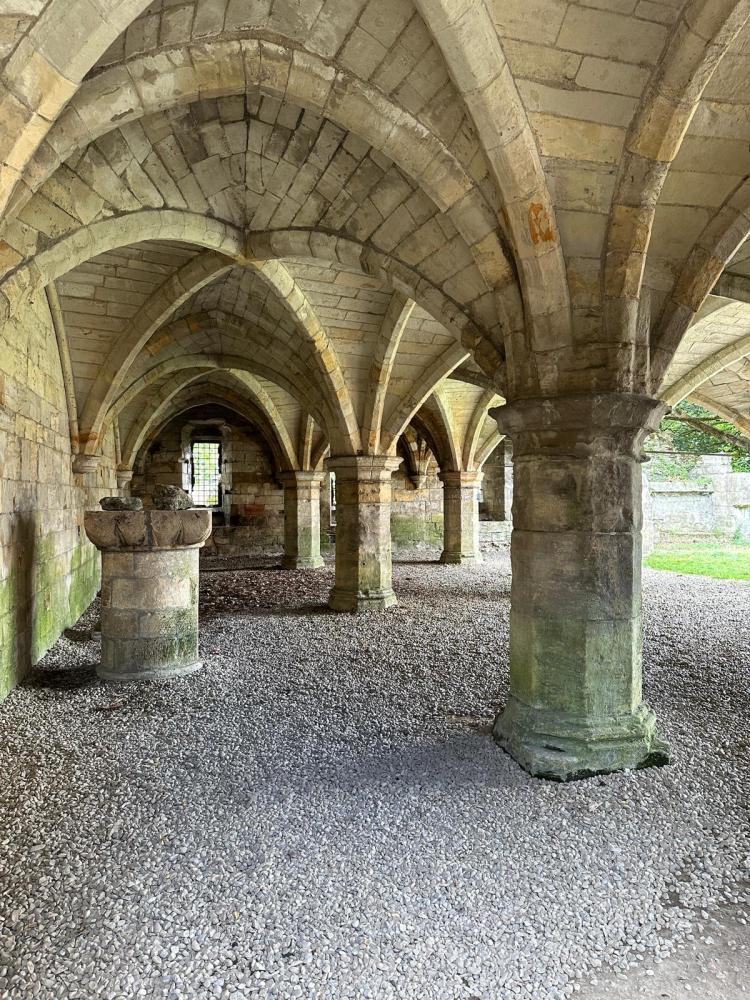
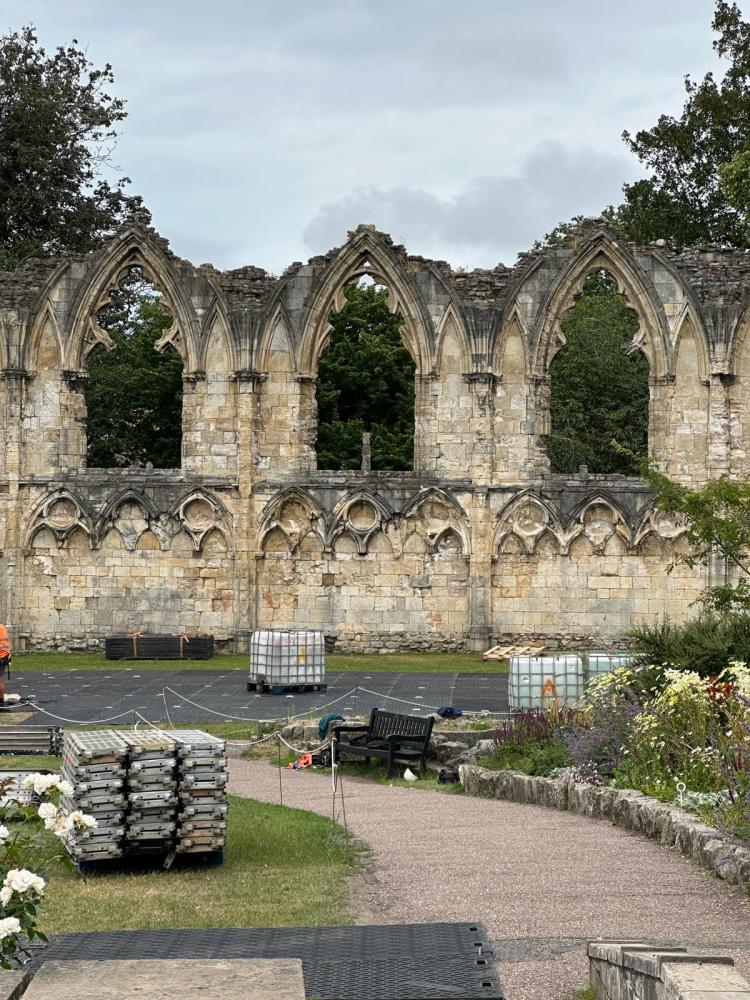
Just outside the museum, we explored the beautiful ruins of St Mary’s Abbey. Founded in 1088, it was once one of the wealthiest and most powerful Benedictine monasteries in northern England before it was largely destroyed during Henry VIII’s Dissolution of the Monasteries in the 16th century. Today, its peaceful ruins are one of York’s most iconic landmarks.
From there, we were lucky enough to watch one of the city’s lively street performances, which really adds to York’s unique atmosphere. The historic streets are always full of musicians, entertainers, and storytellers, making the city feel even more magical.
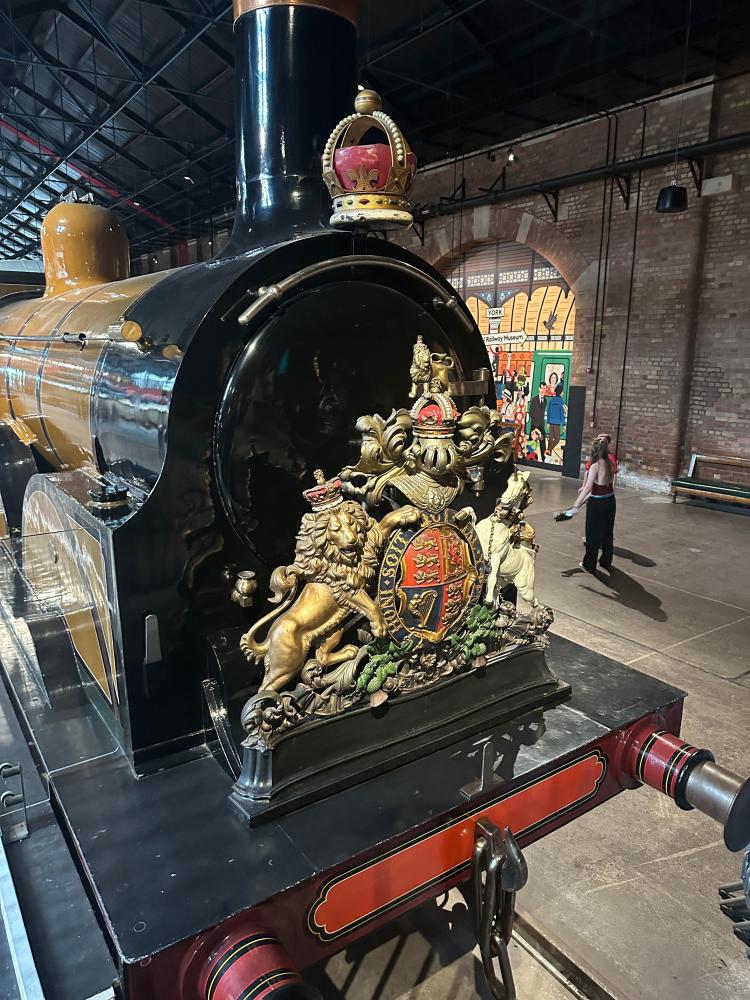
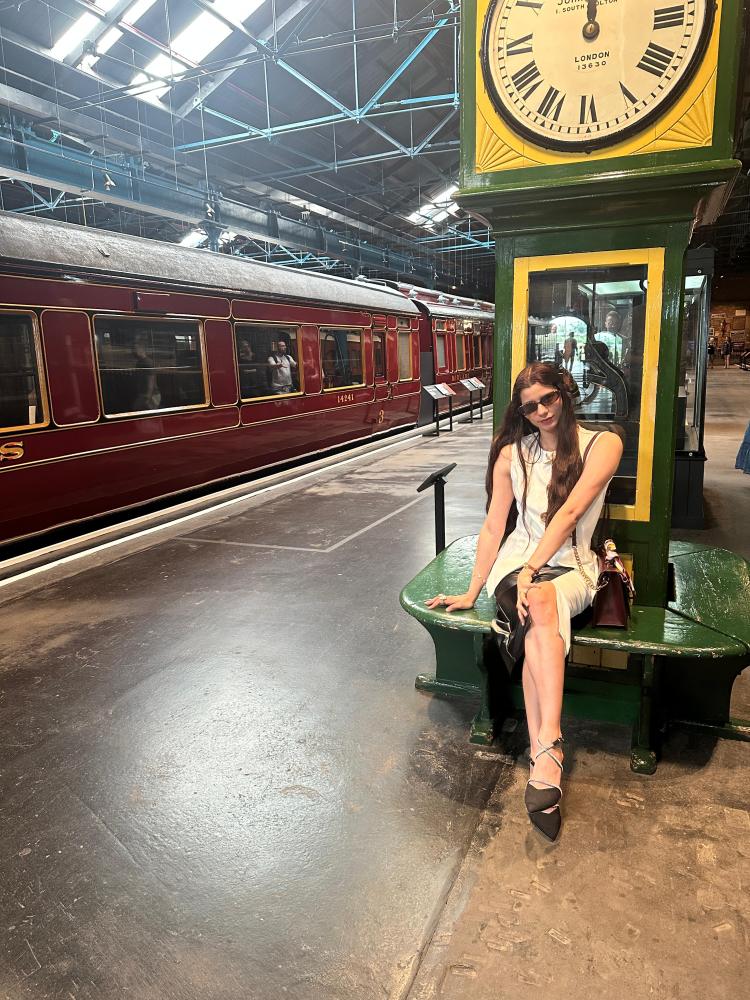
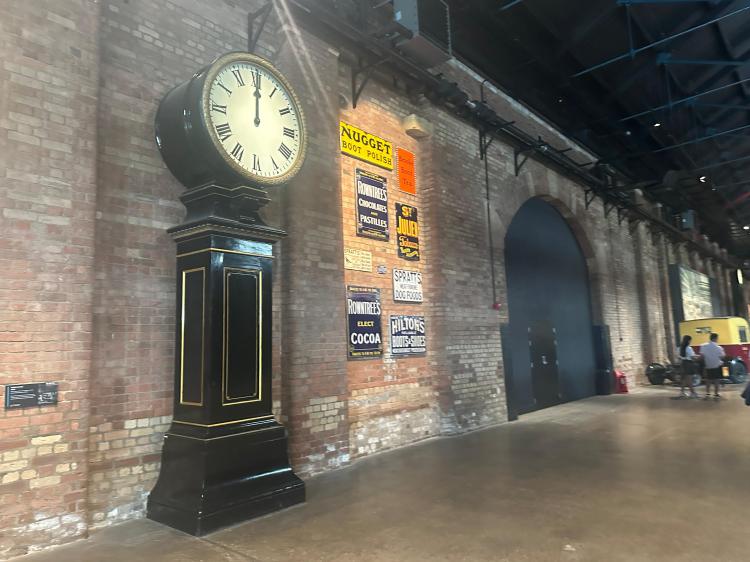
To finish the day, we decided to walk all the way to the National Railway Museum… which, in hindsight, was a slightly crazy idea! 😂 It was definitely much farther than we expected, but it was worth it. The museum celebrates Britain’s rich railway history, showcasing iconic locomotives like the world-famous Mallard, the fastest steam locomotive ever built, and offering a fascinating look at how the railways transformed travel across Britain.
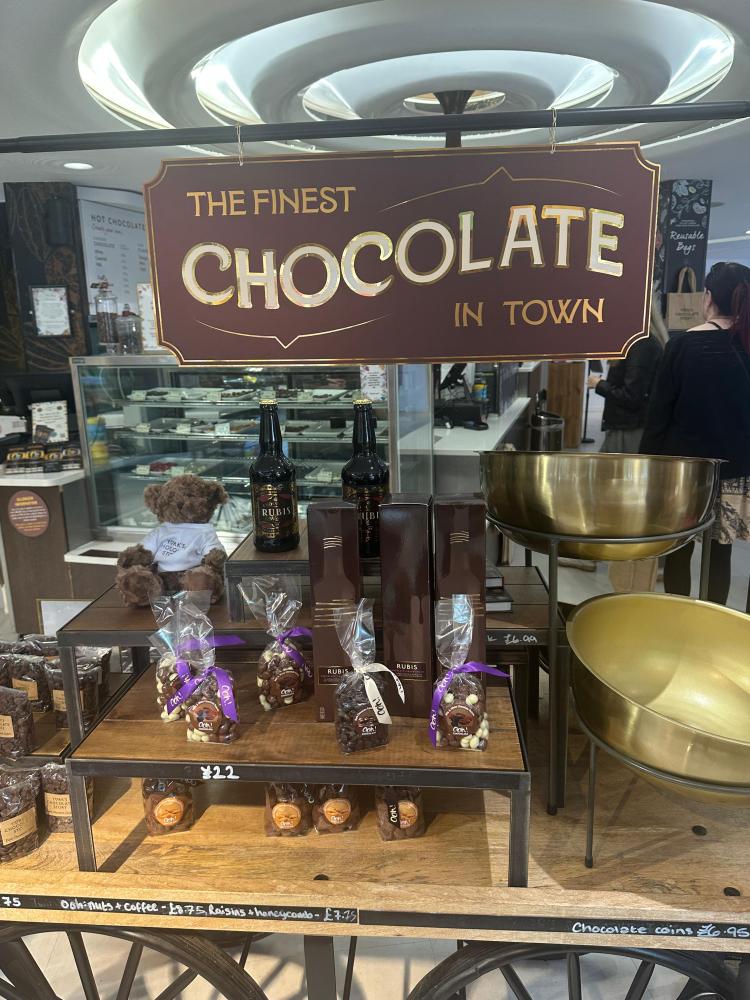
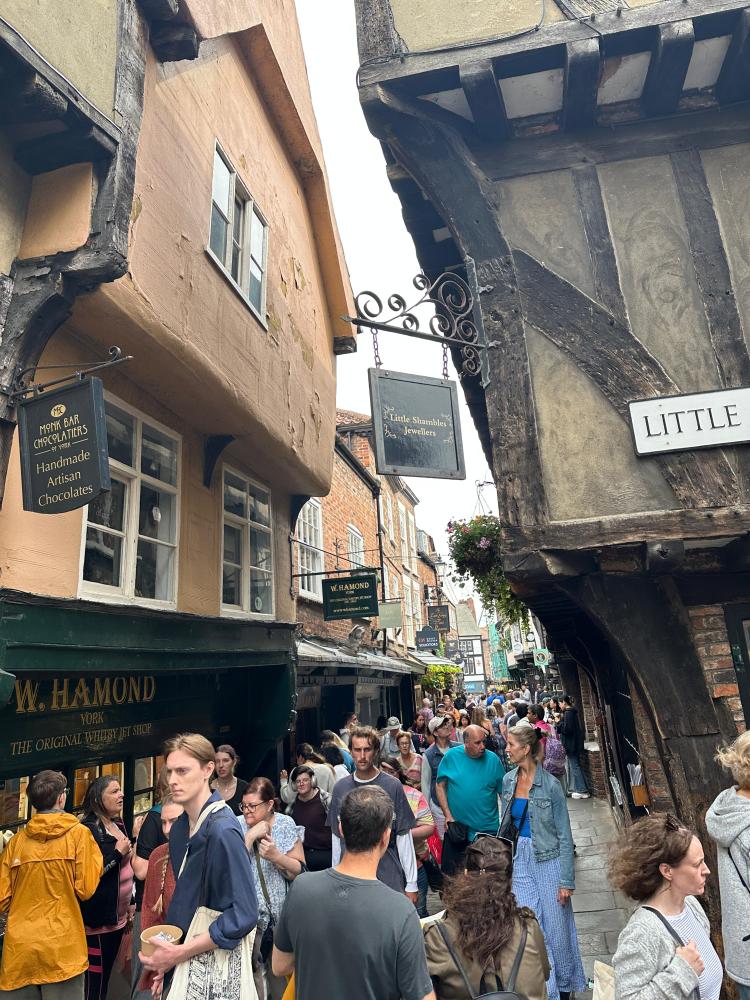
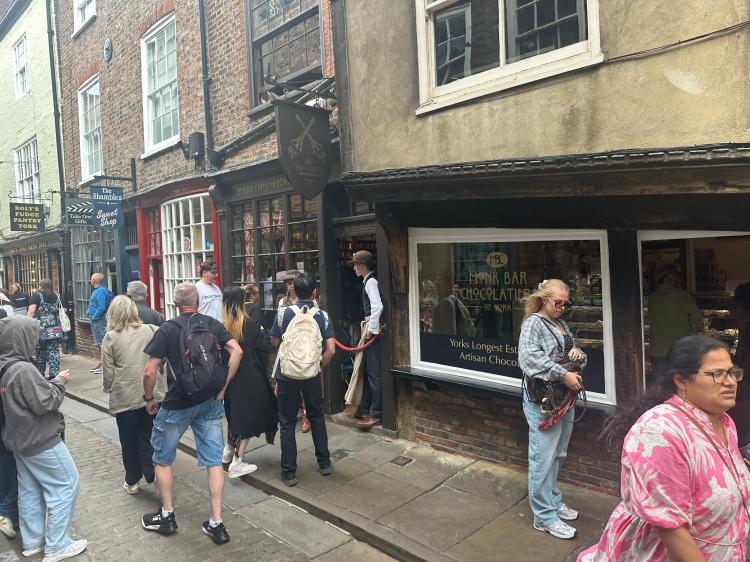
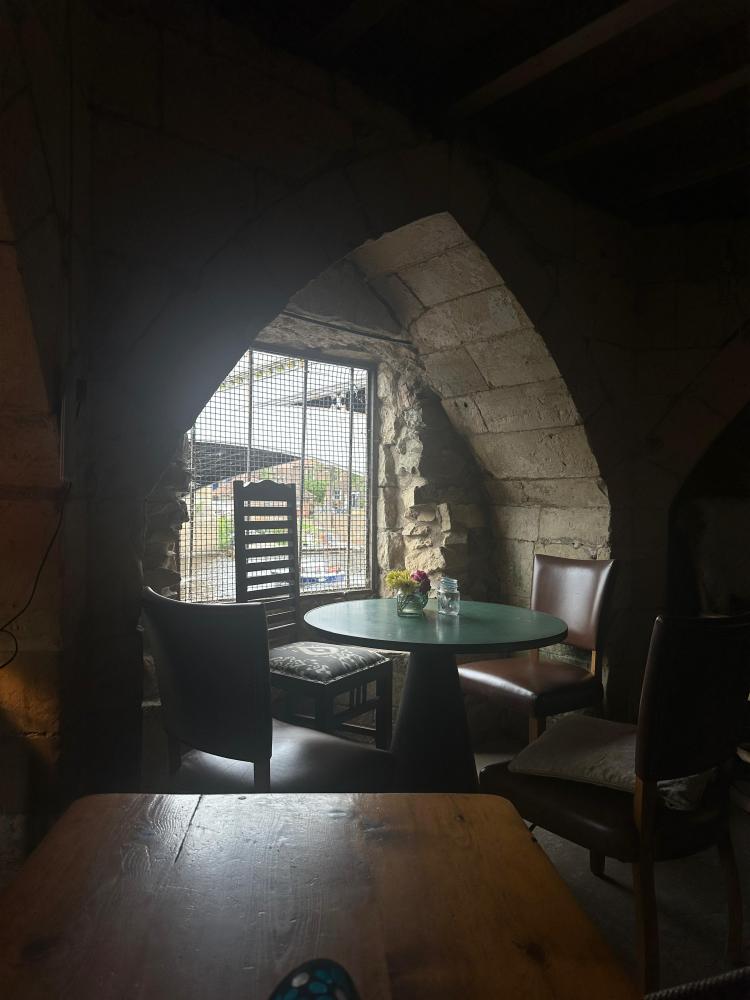
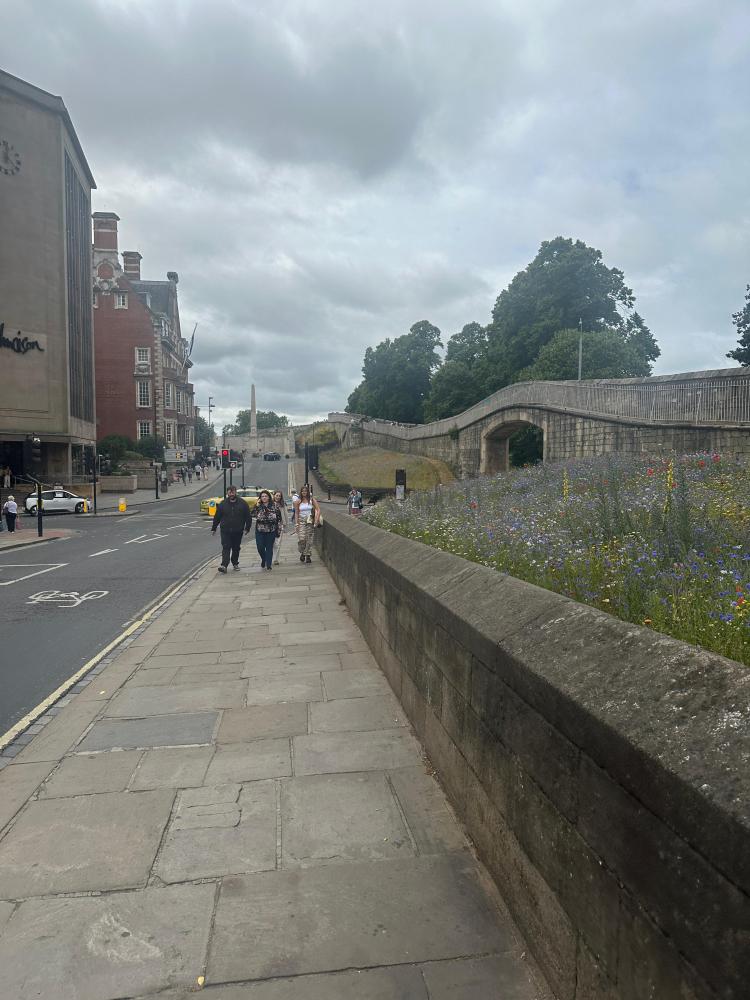
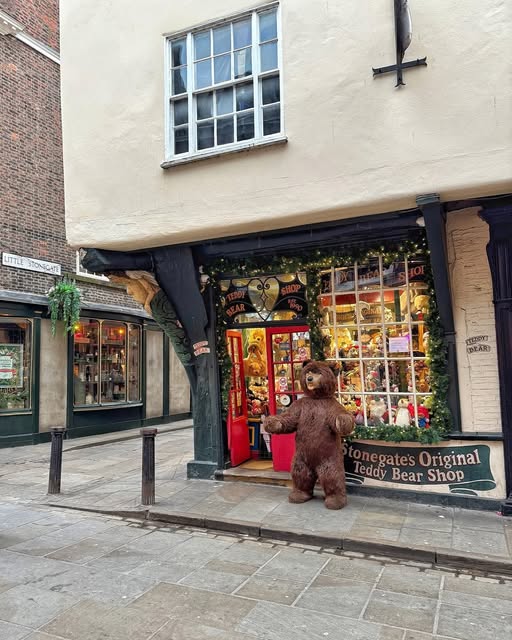
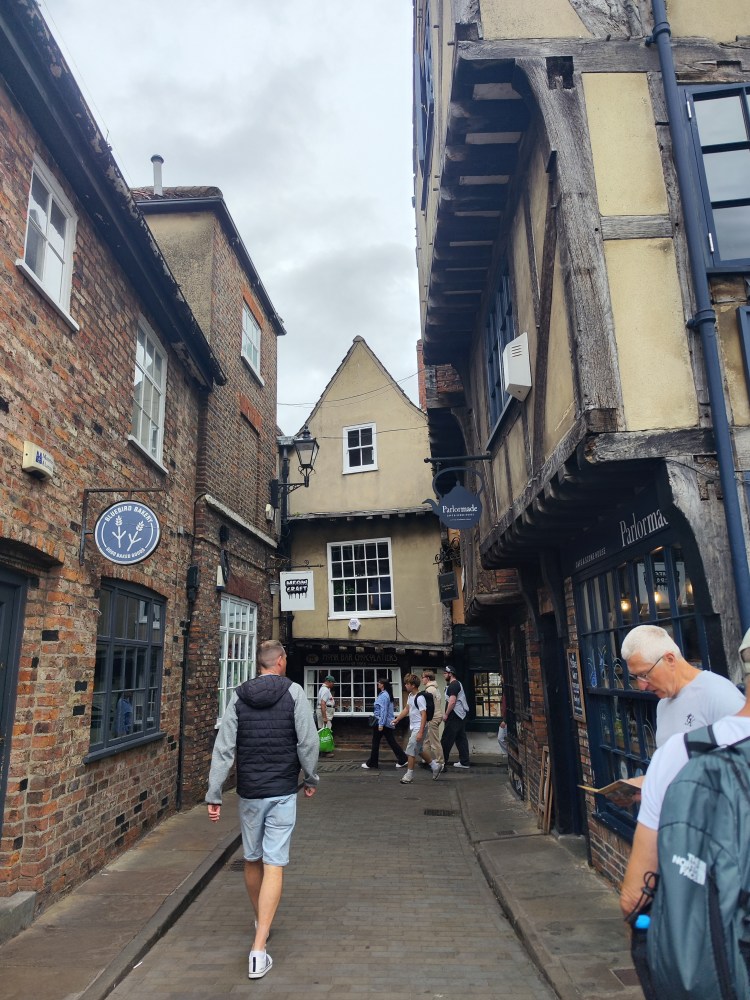
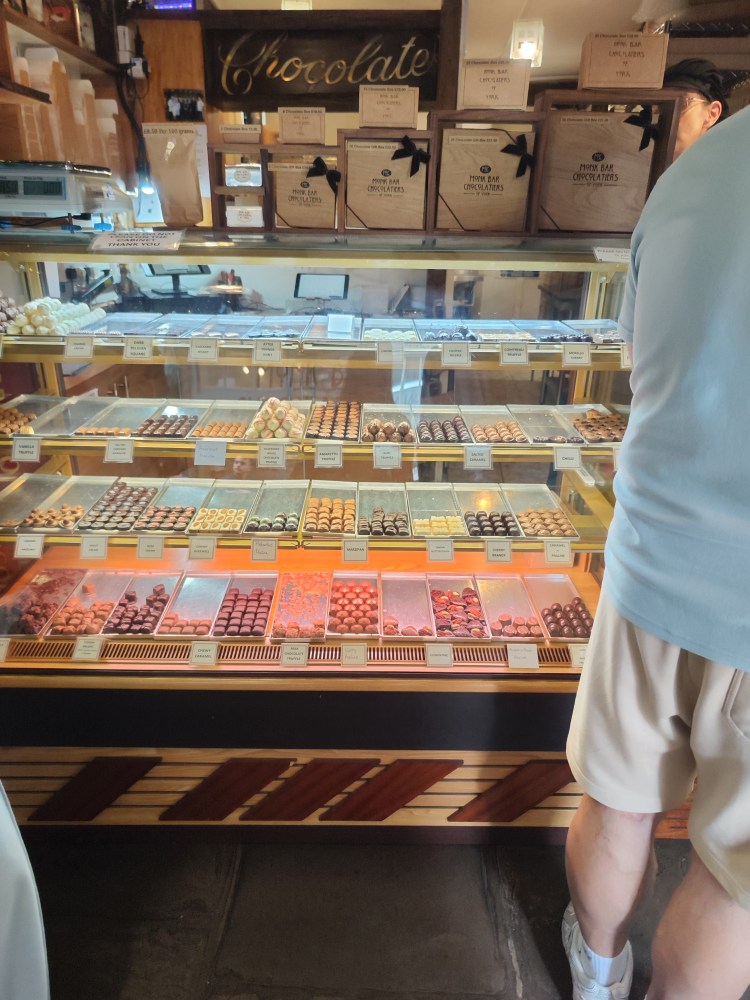
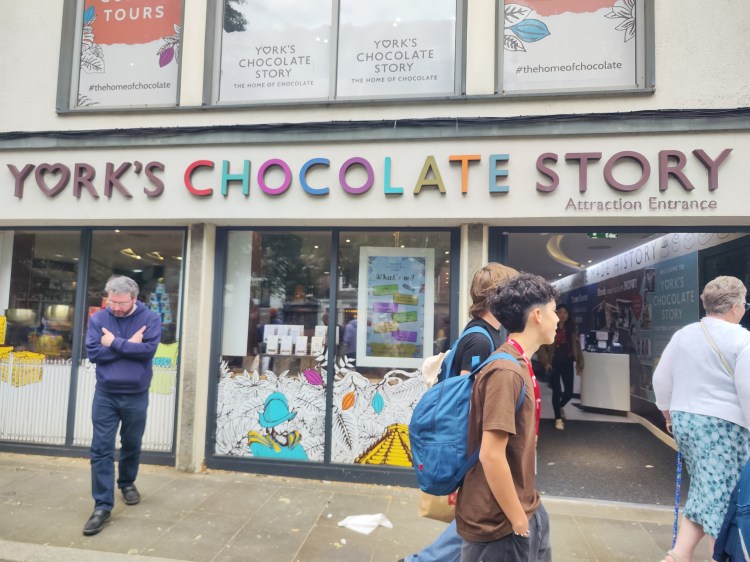
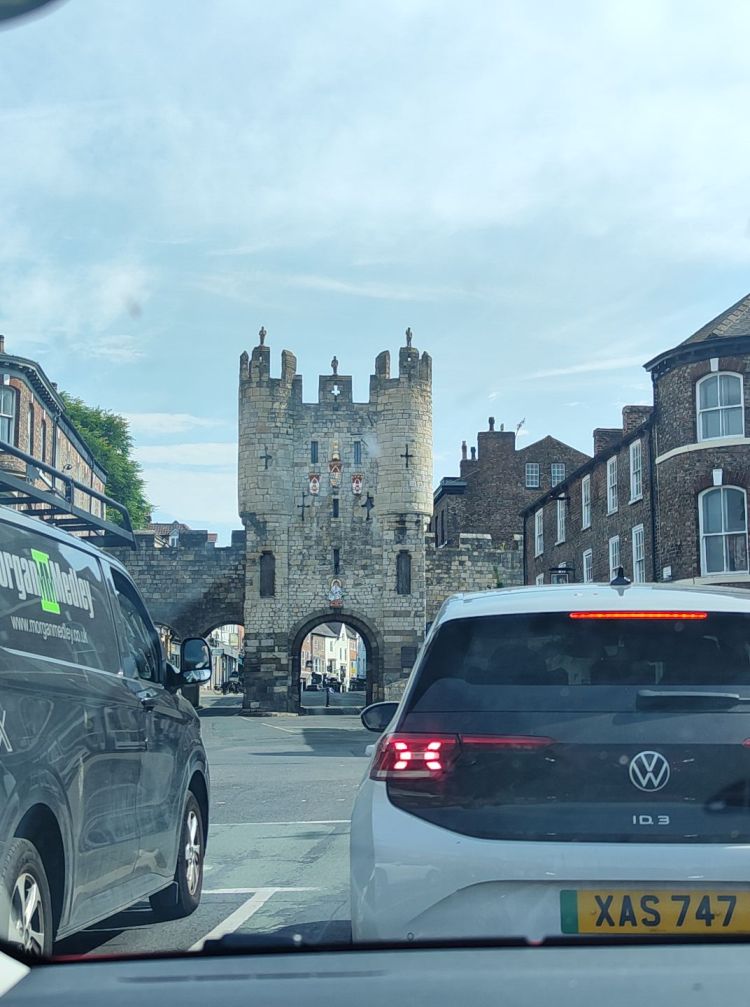
After exploring York’s impressive medieval city walls, we stopped for lunch at a cosy little riverside bar called The Perky Peacock. With its stone walls and historic architecture, it genuinely felt like we were dining inside a centuries-old fortress. It was the perfect place to relax, enjoy the views of the river, and soak up even more of York’s incredible history and charm. After lunch, we visited the Shambles, one of the city’s most famous streets, and wandered through its narrow, cobbled lanes lined with beautiful timber-framed buildings. We loved discovering the amazing little shops there, from charming independent boutiques and quirky gift stores to sweet shops filled with handmade fudge, traditional sweets, and delicious treats. There were also lovely tea rooms, bookshops, and little stores selling local crafts, making the whole area feel magical and full of character, and of course, the Chocolate Factory, which you should absolutely visit.













- #wine
- ¡Hola mundo!
- Blog & Travelling
- Dance and Fusion
- Danza Española
- Escuela Bolera
- Flamenco
- Writing & Thoughts
Second Day

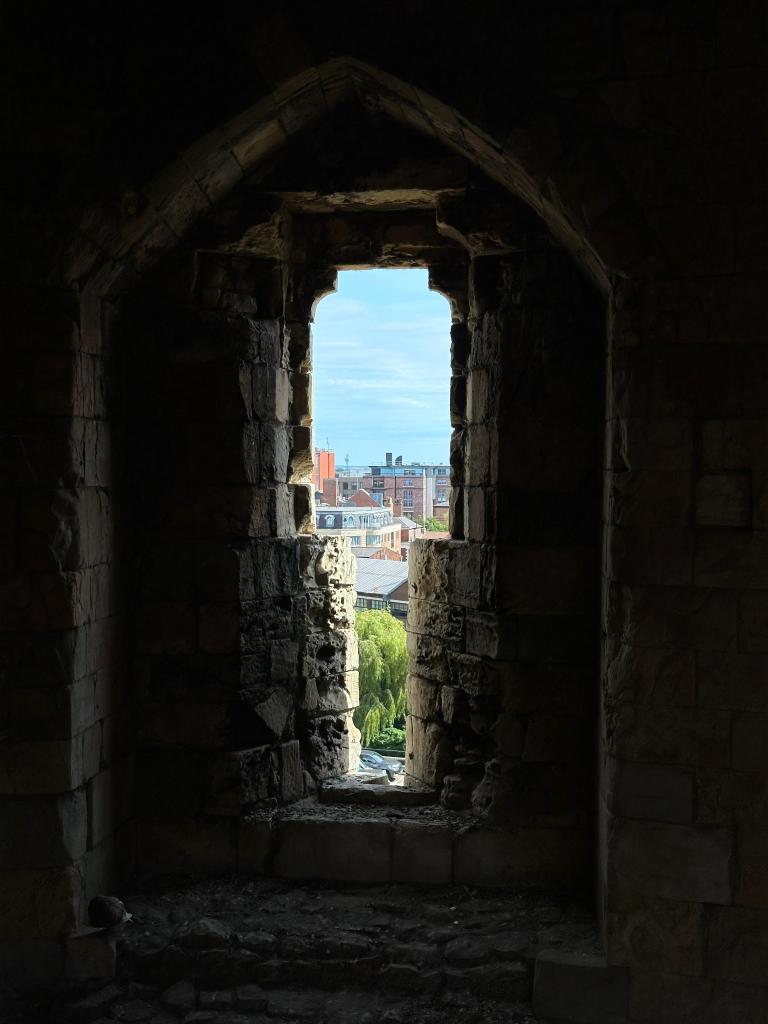
For our second day, we started by climbing Clifford’s Tower, one of York’s most iconic landmarks. Although all that remains today is the stone keep, the site has witnessed some of the city’s most dramatic moments. Originally built by William the Conqueror after the Norman Conquest of 1066 to establish control over northern England, the tower later became the setting of a tragic event in 1190, when around 150 members of York’s Jewish community sought refuge inside the castle during an antisemitic attack. Faced with the choice between forced conversion and capture, many lost their lives, making it one of the darkest chapters in medieval English history.
After climbing to the top, we were rewarded with breathtaking panoramic views over York. From up there, you can see the city’s medieval streets, the mighty York Minster, and even trace parts of the ancient city walls. It’s definitely worth the climb!
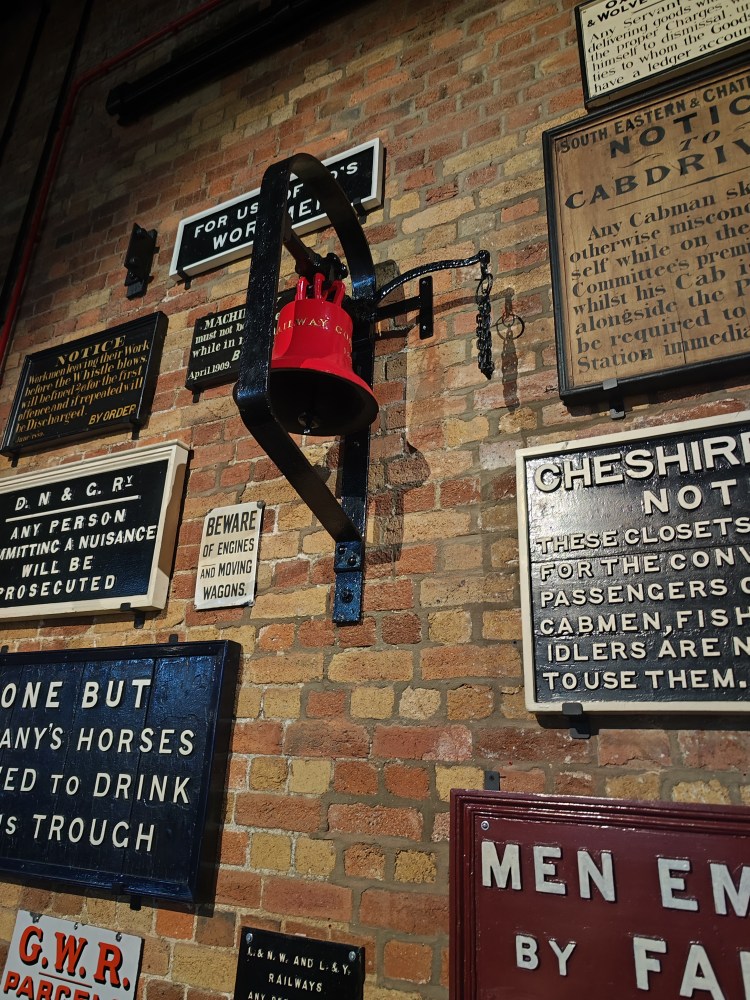
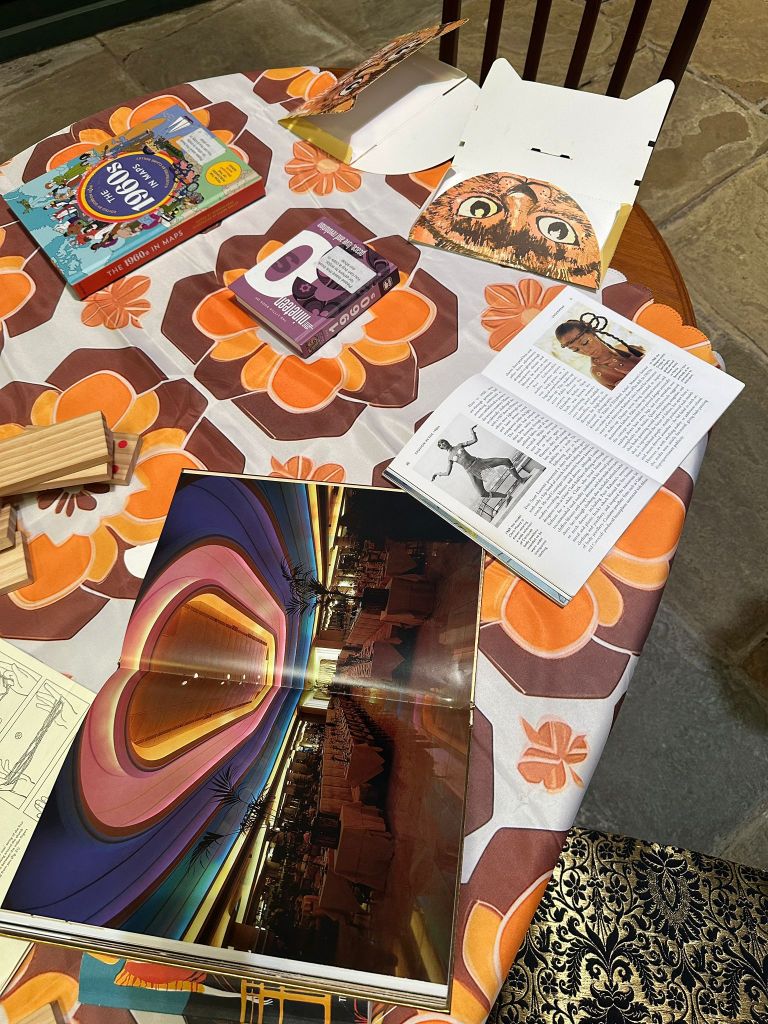
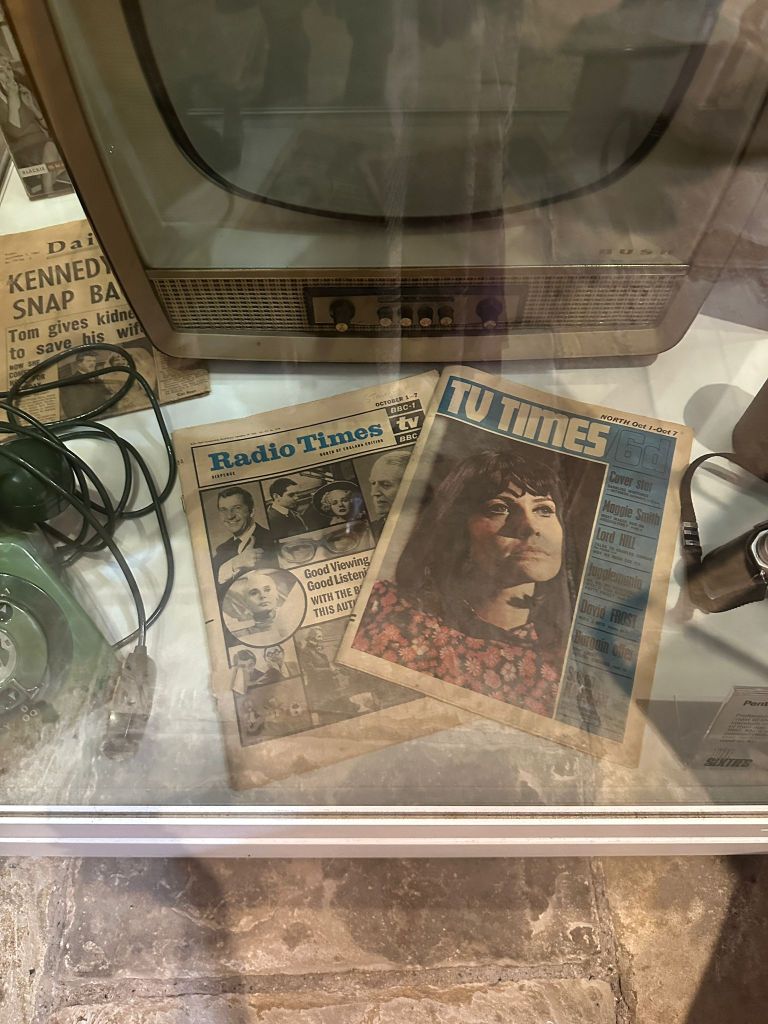
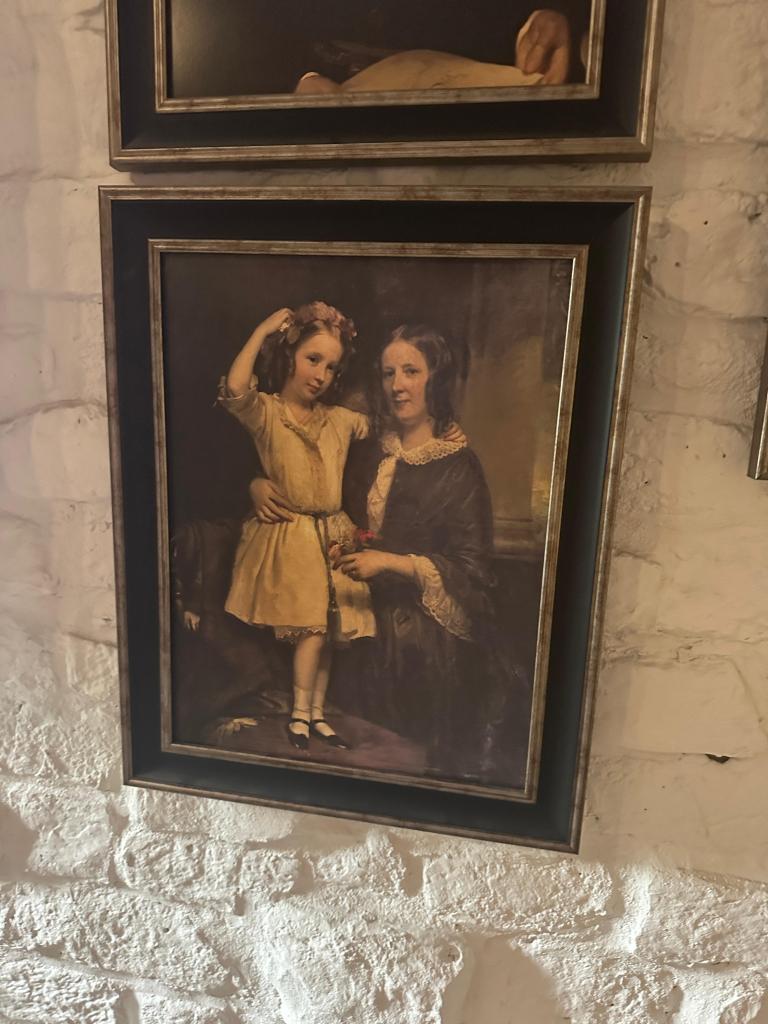
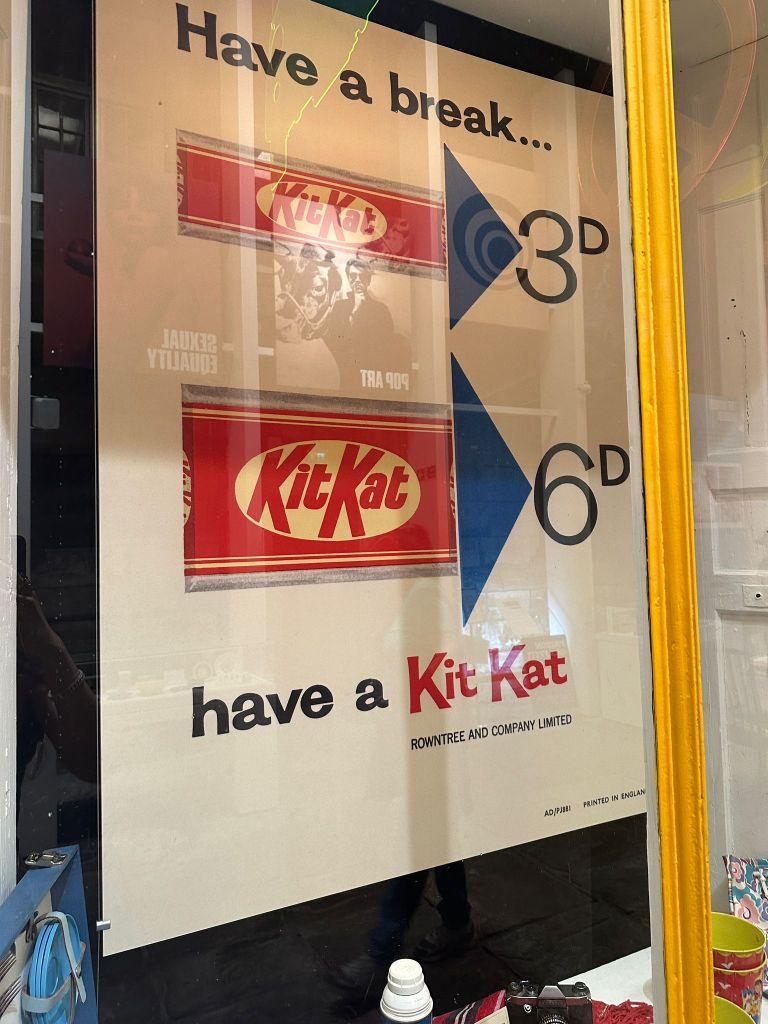
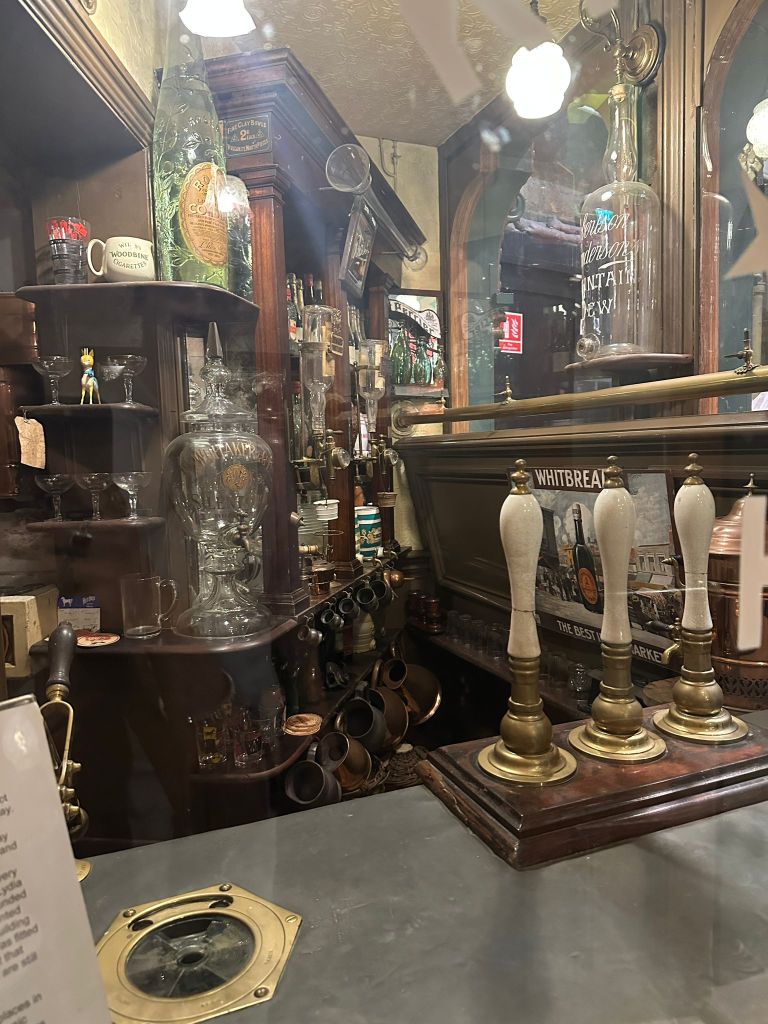
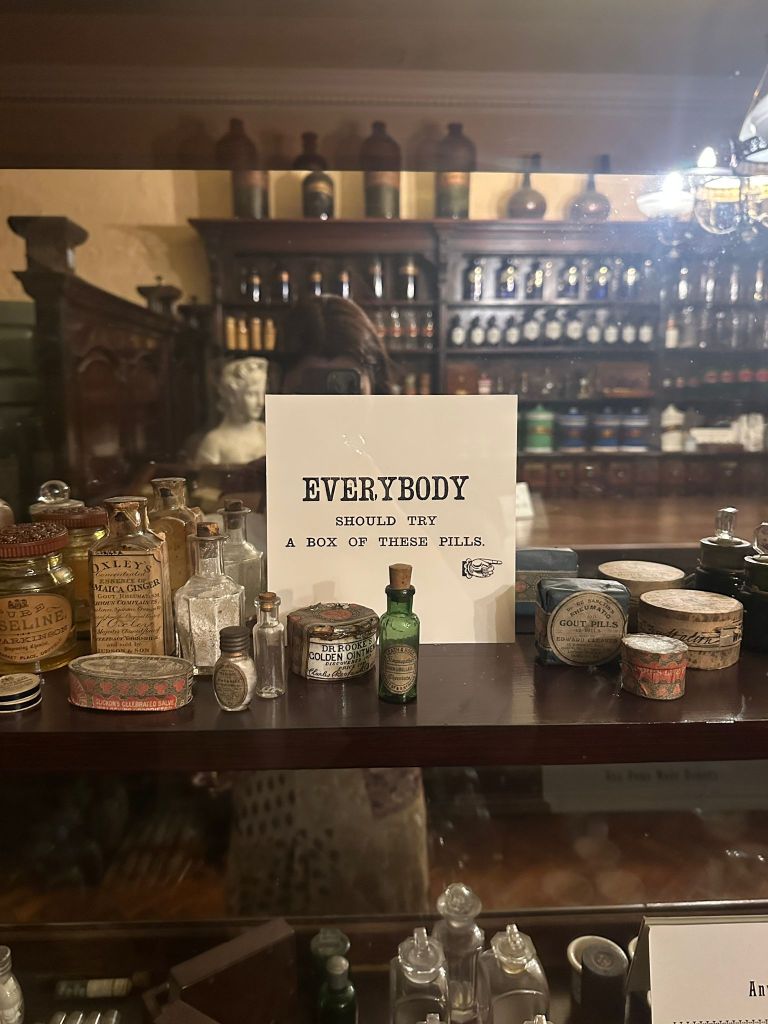
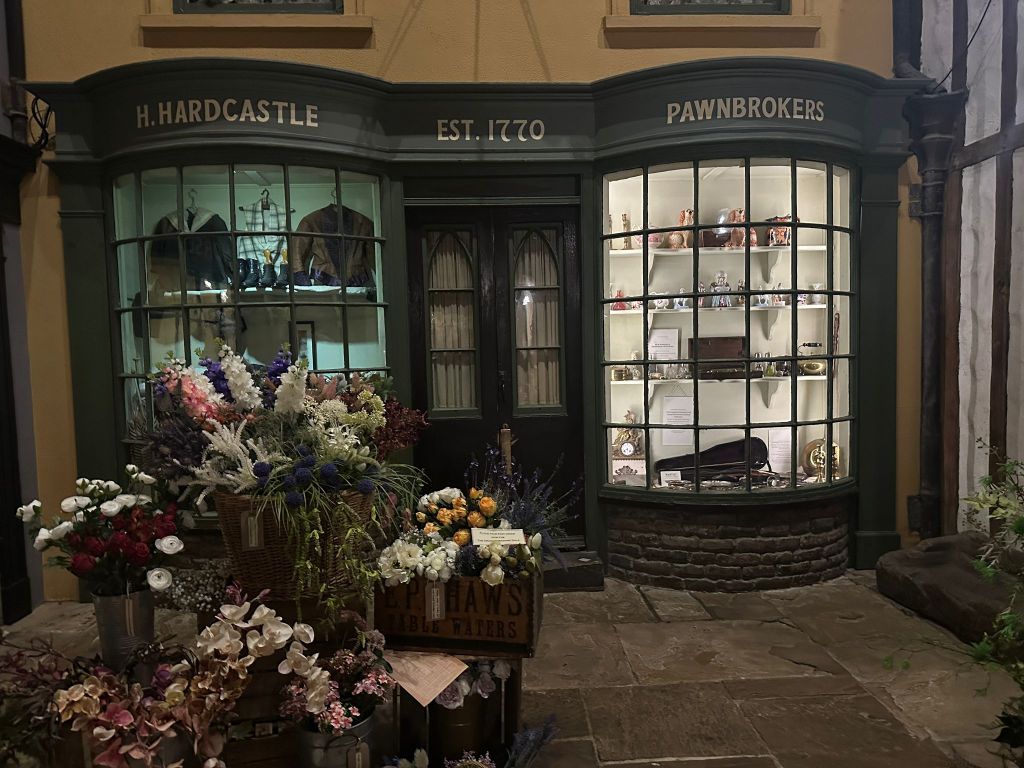
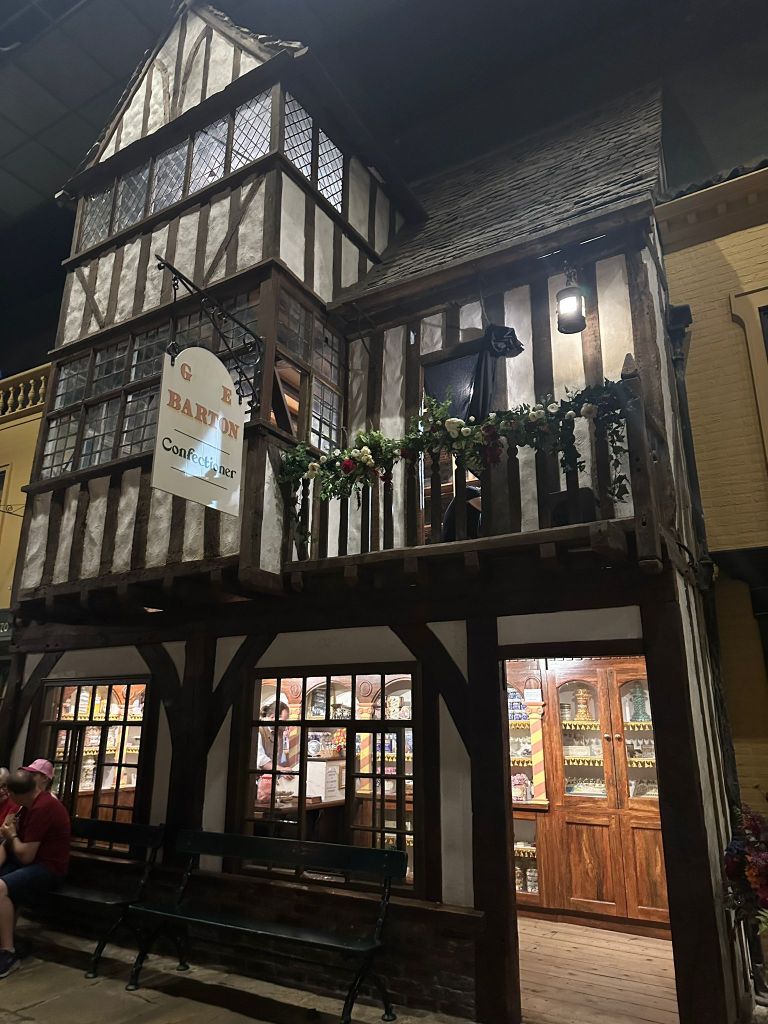
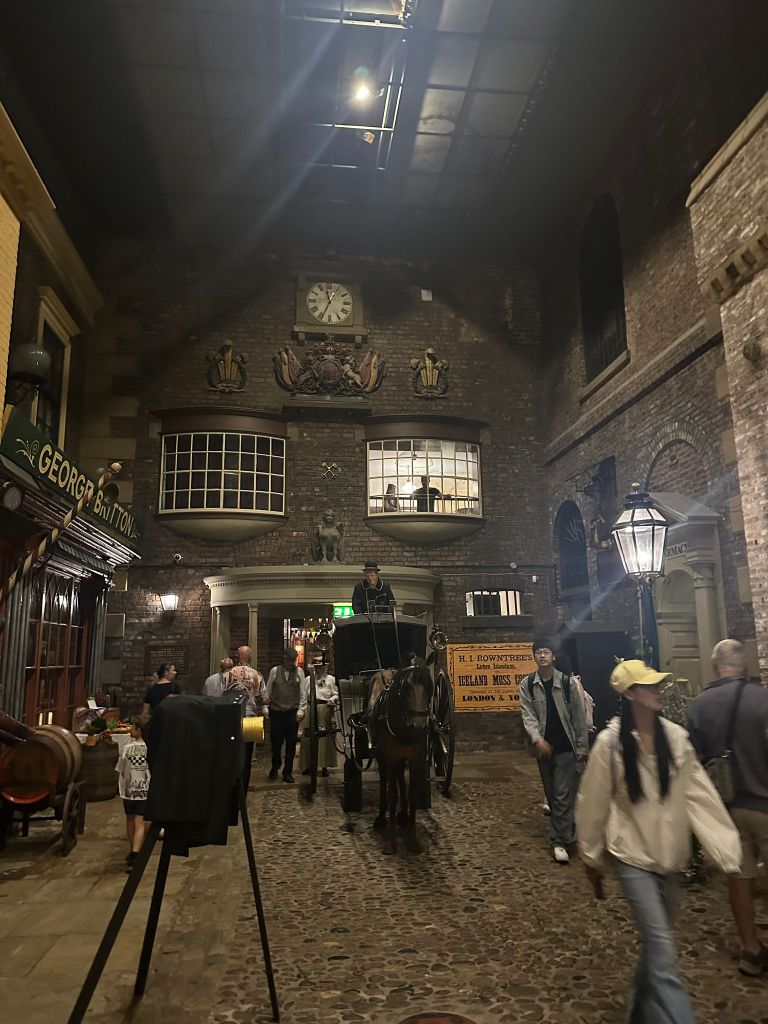
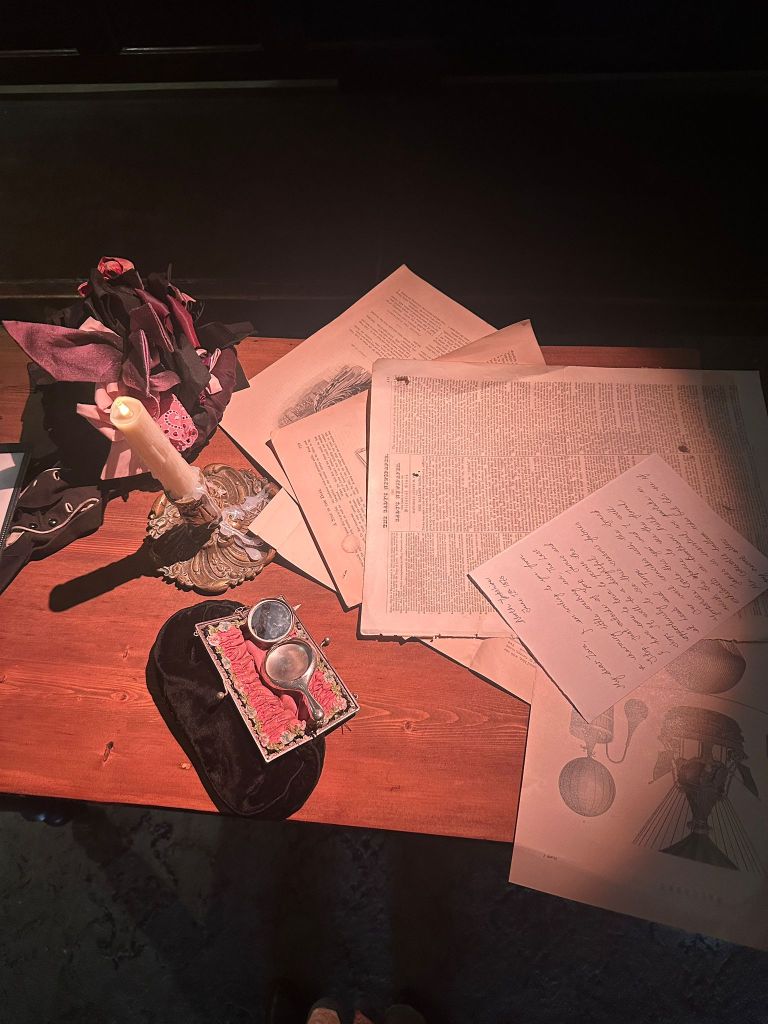
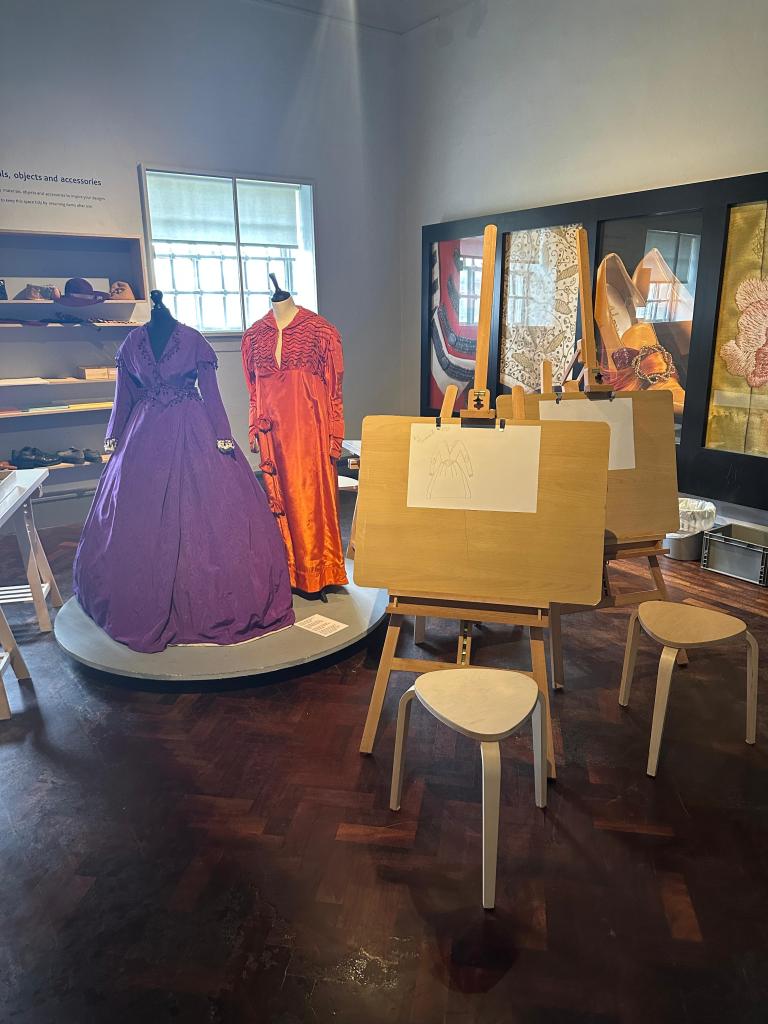
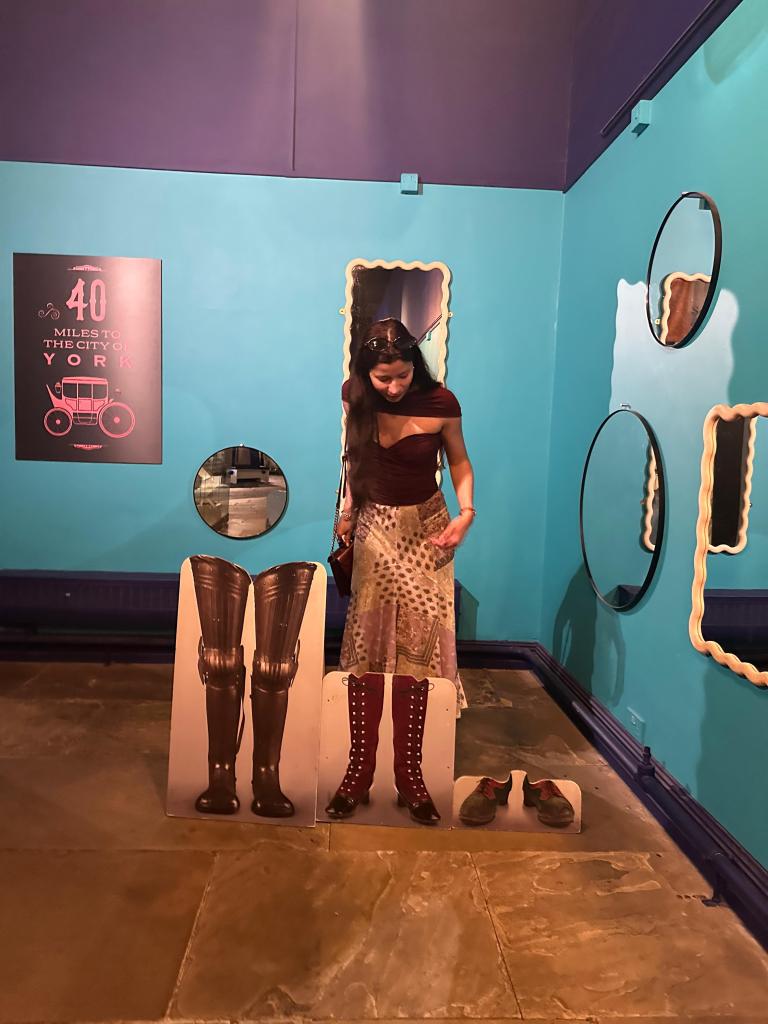
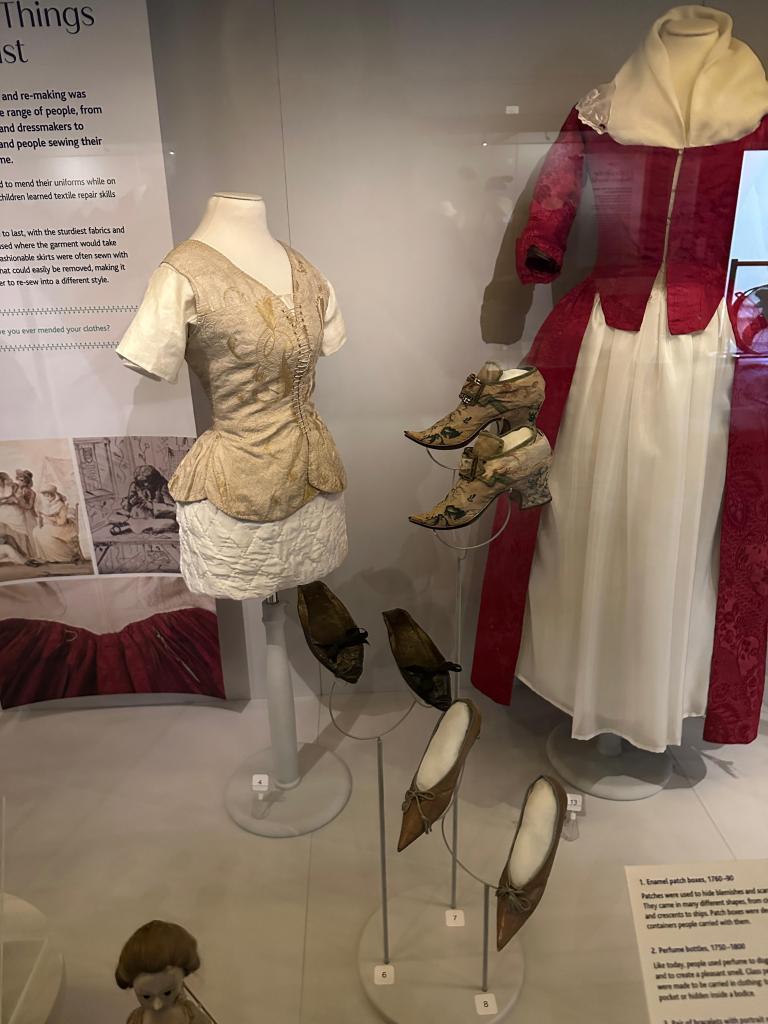
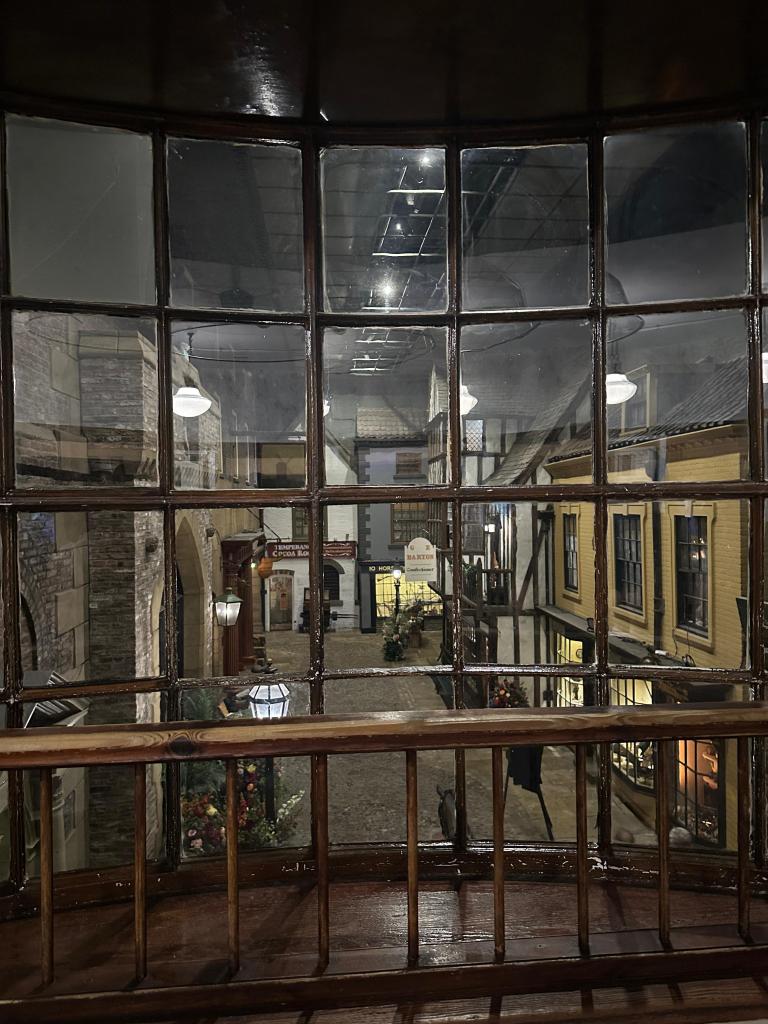
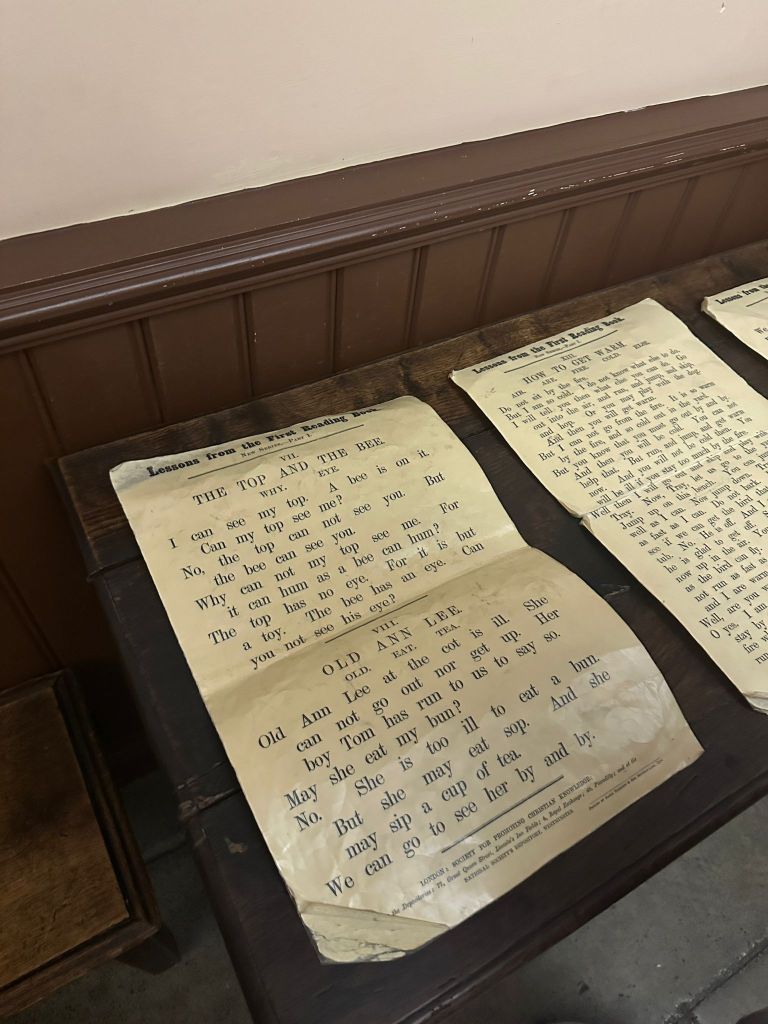
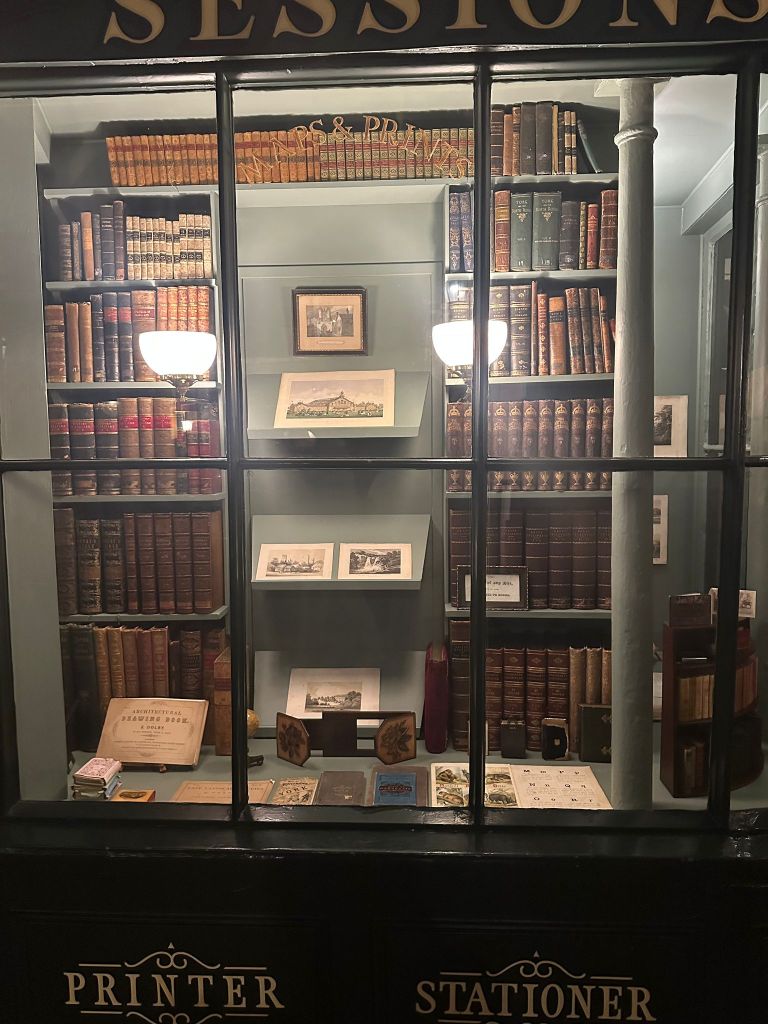
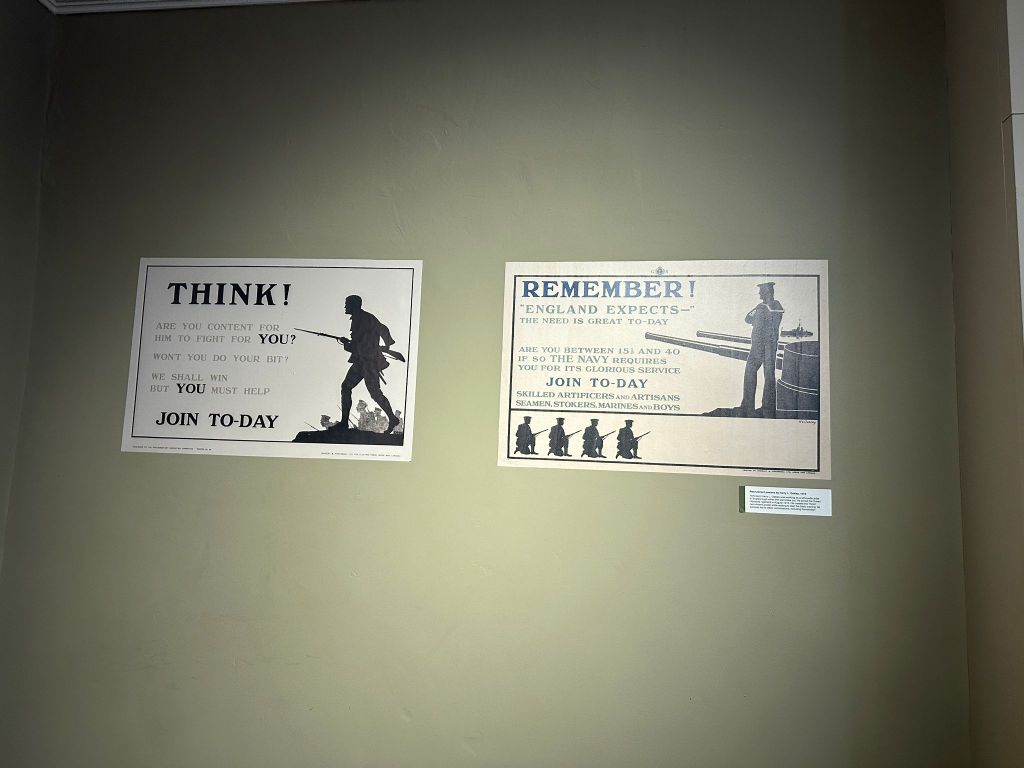
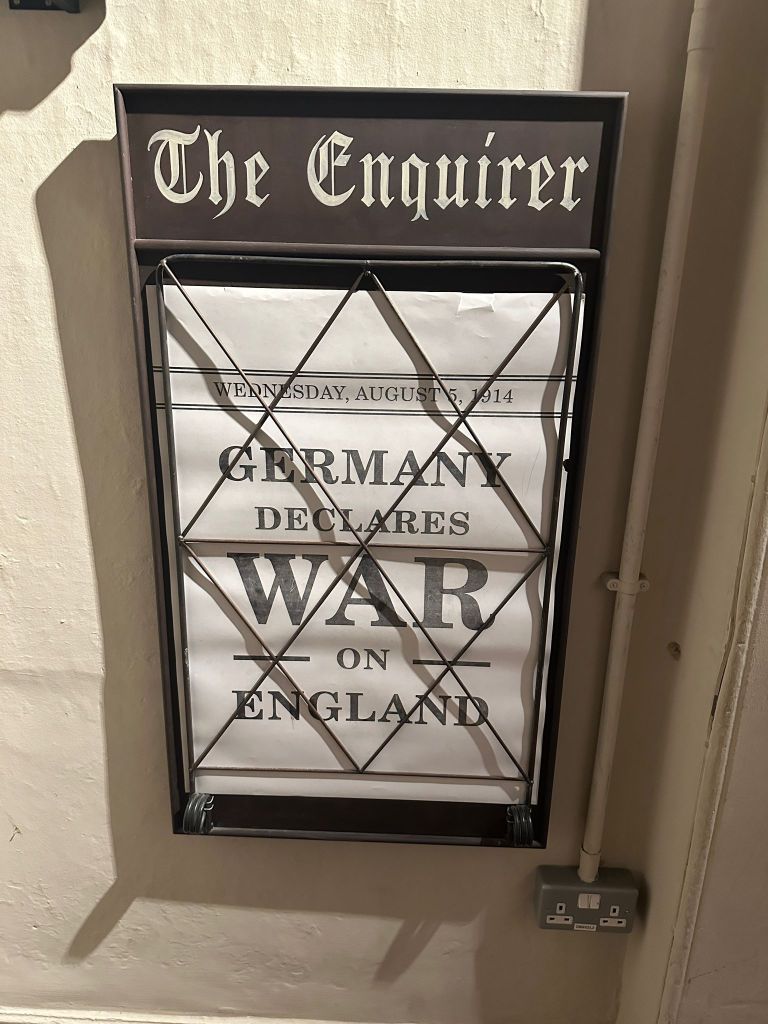
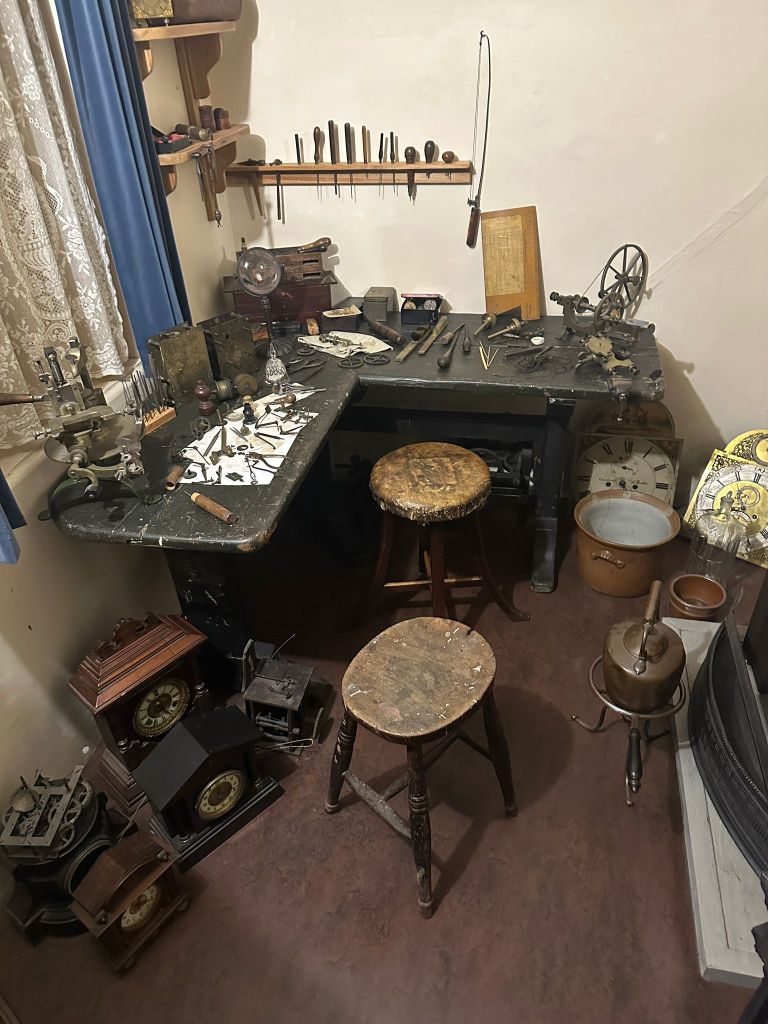
Next, we visited the York Castle Museum, which felt like stepping back in time. One of our favourite parts was wandering through Kirkgate, the museum’s famous recreated Victorian street, complete with traditional shops, old-fashioned signs, and authentic sounds that make you feel as though you’ve travelled to the 19th century. The museum also tells the stories of everyday life through the centuries, from Georgian England, Victorian schoolroom, to the First and Second World Wars, with fascinating displays of clothing, toys, household items, and even old prison cells. It was such a fun and immersive way to experience York’s history, proving that history doesn’t have to be boring; it can feel like walking through a real-life time machine.








wonderfull! I want to see it in future. Chocolate factory must be visit!!
LikeLiked by 1 person
Absolutely!
LikeLike