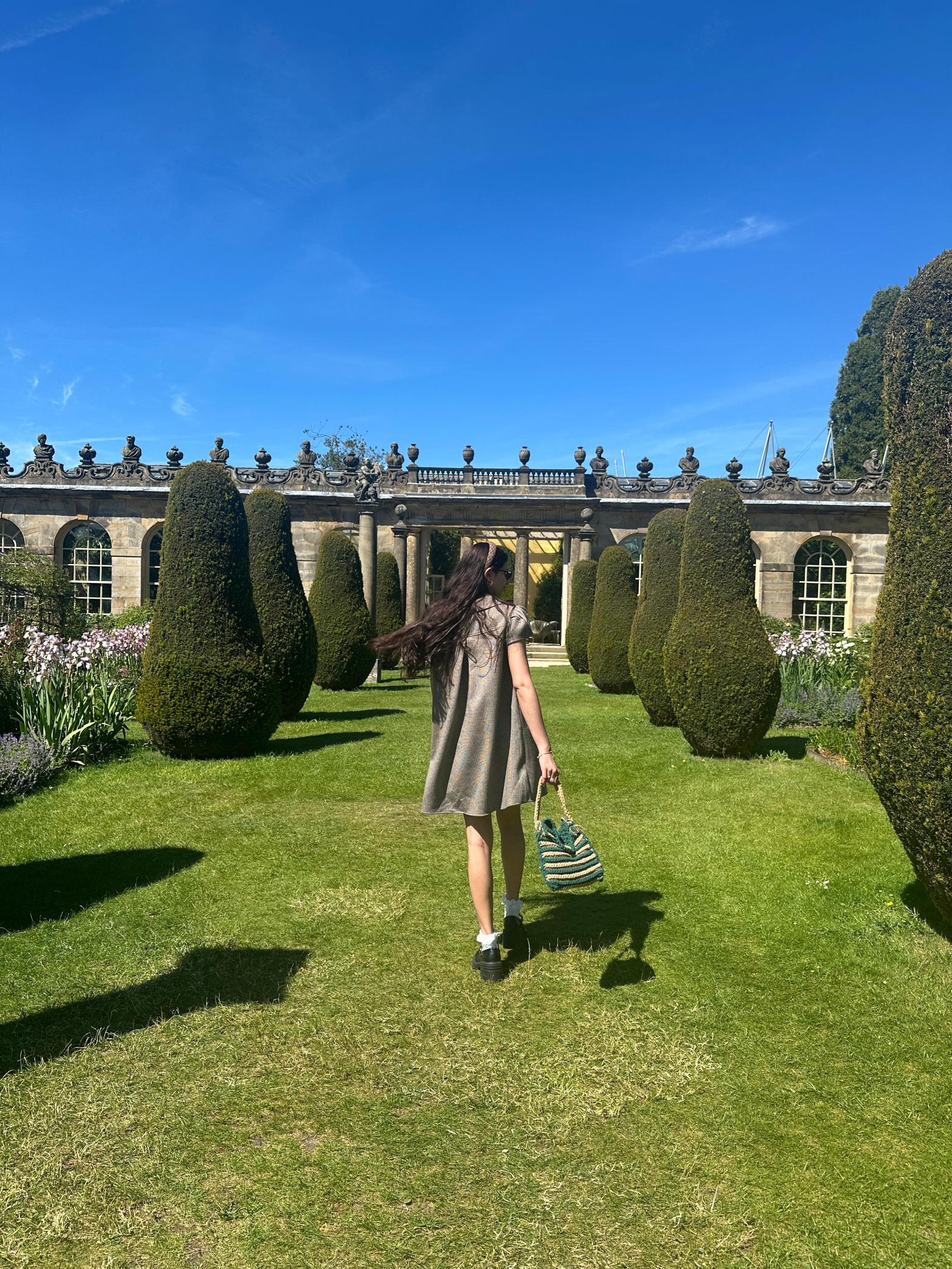
There are grand houses, and then there is Chatsworth House.
Nestled within the rolling hills of Derbyshire, this magnificent estate has stood for centuries as a symbol of power, beauty, creativity, and innovation. Yet what makes Chatsworth truly special is not simply its breathtaking architecture or its world-famous gardens. It is the stories hidden within its walls, the artists, writers, poets, and dreamers who have all left their mark on this remarkable place.
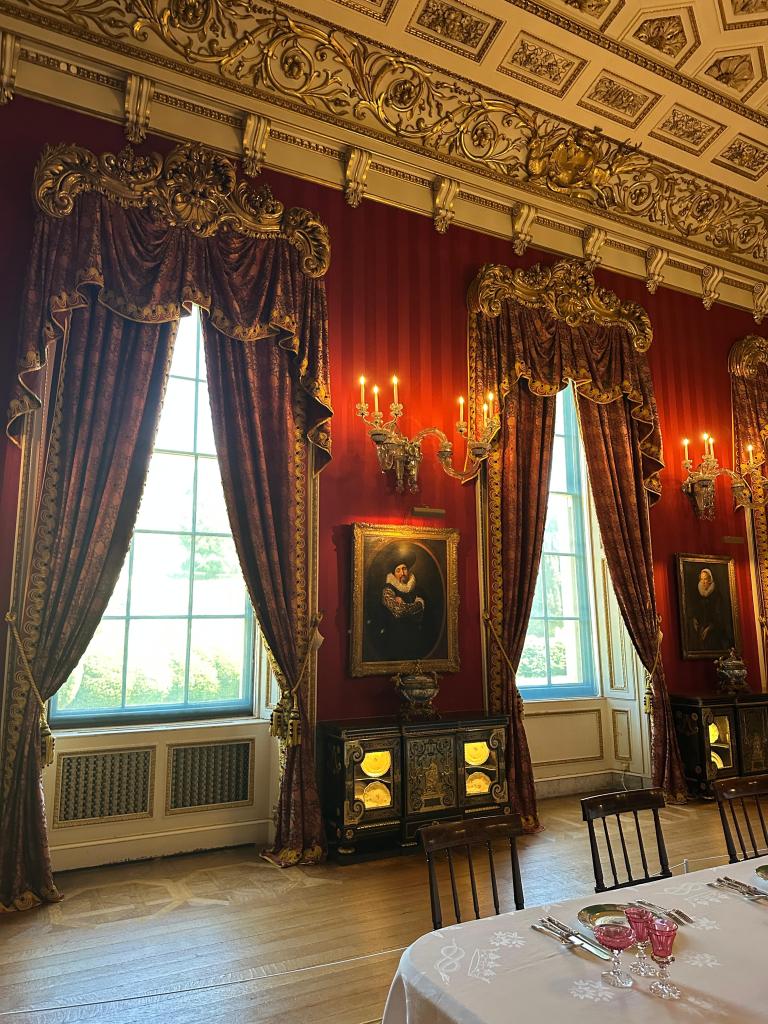
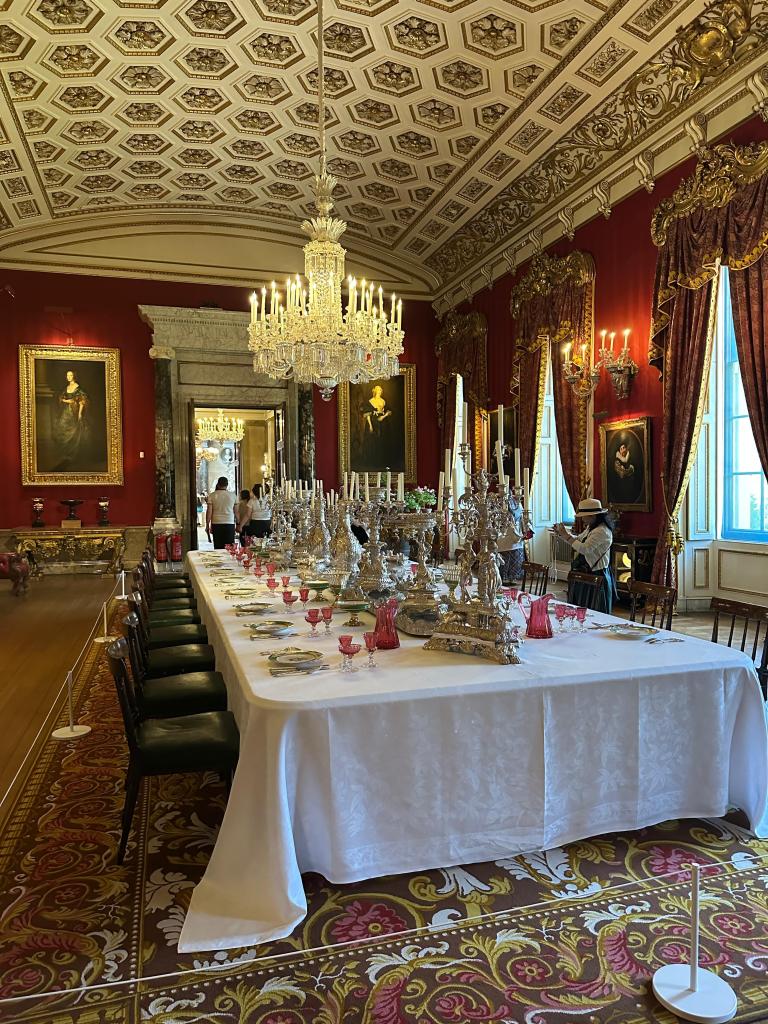
As I wandered through the estate, I quickly realised that Chatsworth is far more than a stately home. It is a living piece of English cultural history.
The House That Inspired Generations
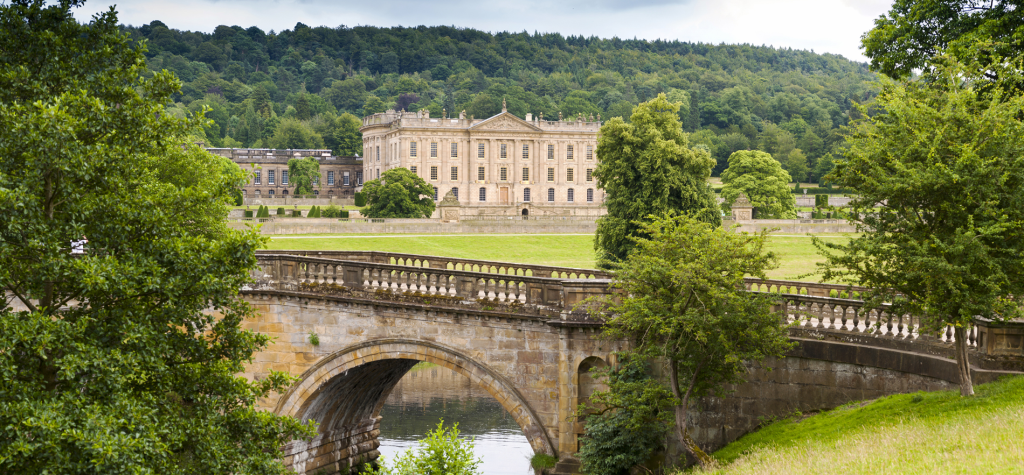
The moment Chatsworth comes into view, it feels cinematic.
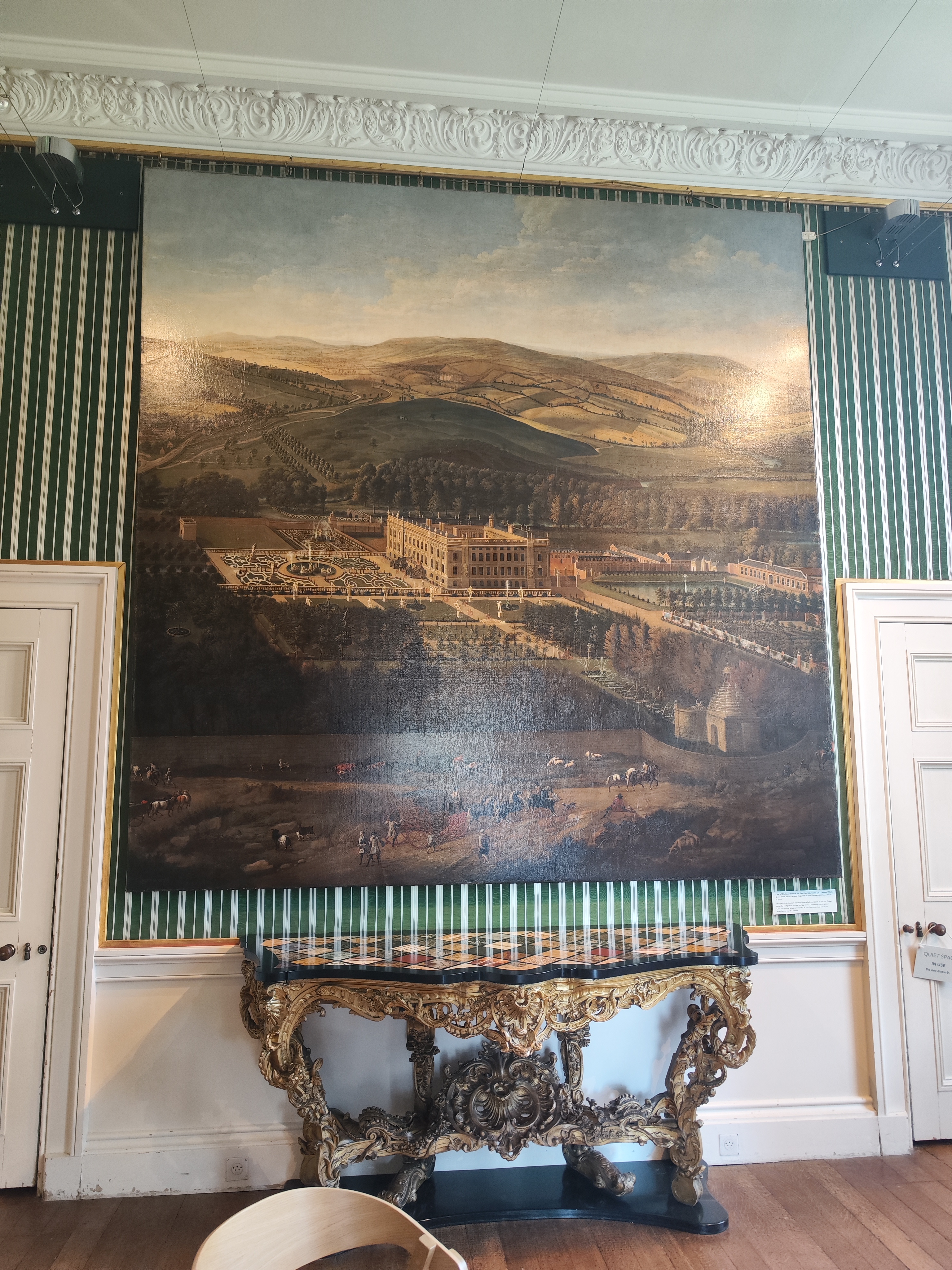
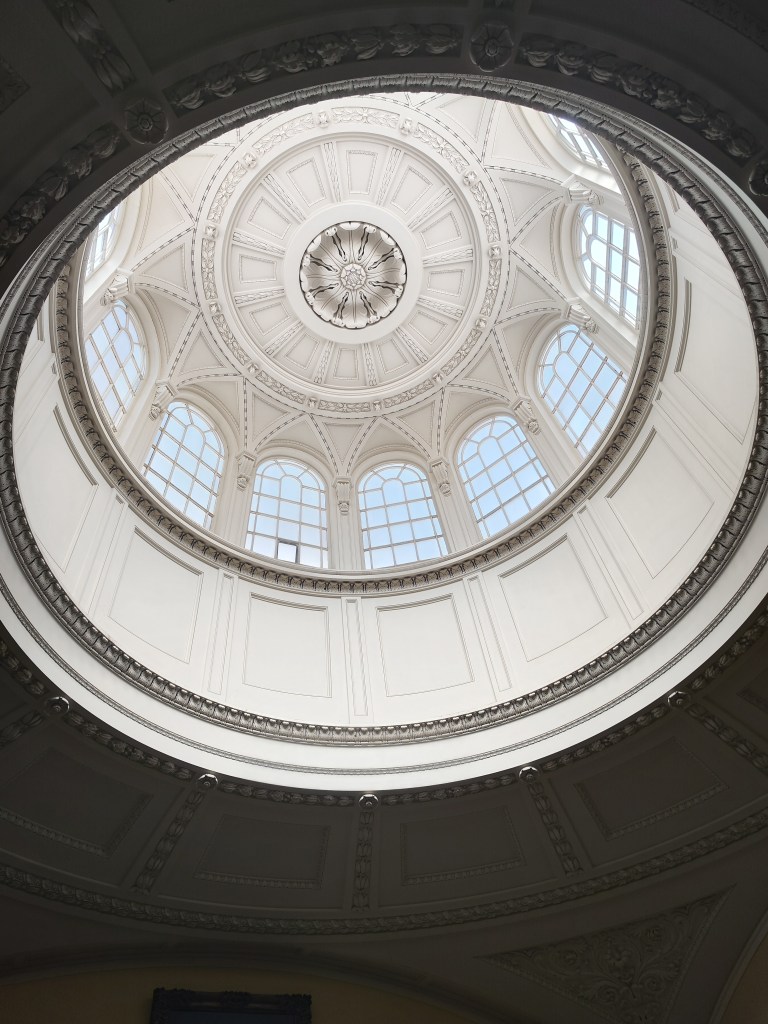
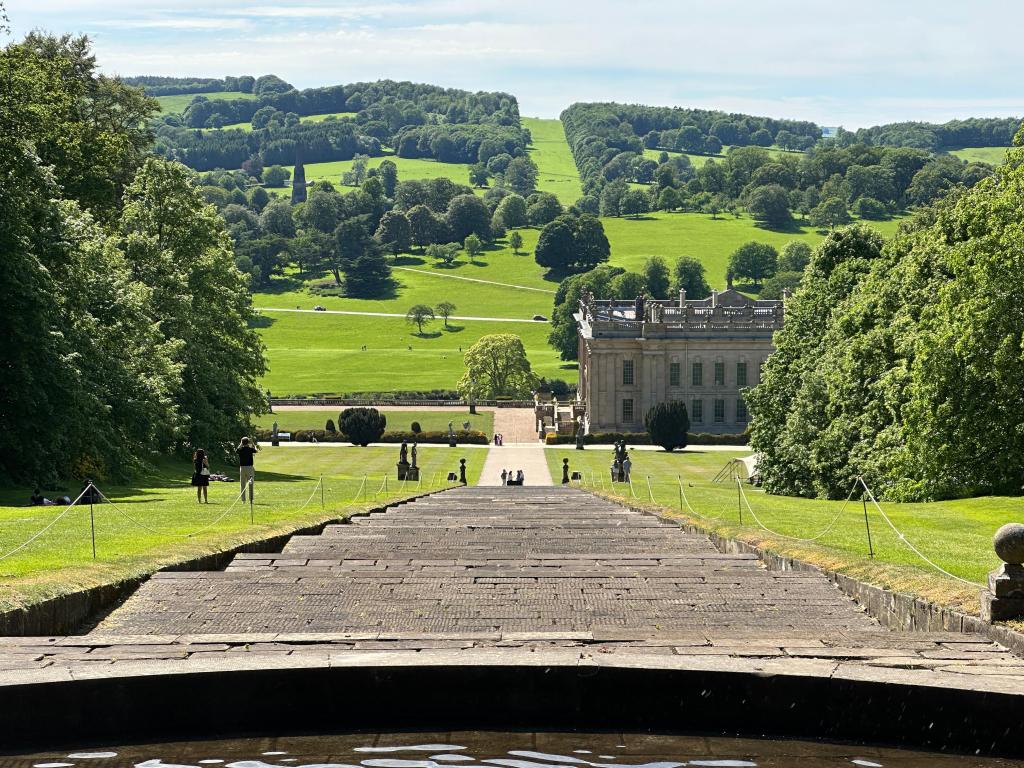
Its grand Baroque façade rises elegantly from the landscape, framed by sweeping parkland designed by legendary landscape architect Lancelot ‘Capability’ Brown. The setting is so spectacular that it has inspired artists, filmmakers, and writers for generations.
Among those enchanted by Chatsworth was the celebrated Romantic poet Lord Byron.
Byron was closely connected to the Devonshire family and frequently moved within the same aristocratic circles. During the early nineteenth century, Chatsworth represented the height of elegance and influence in British society. Byron’s writings often reflected the grandeur of England’s great estates and landscapes, and it is easy to imagine the dramatic scenery surrounding Chatsworth appealing to his romantic imagination.
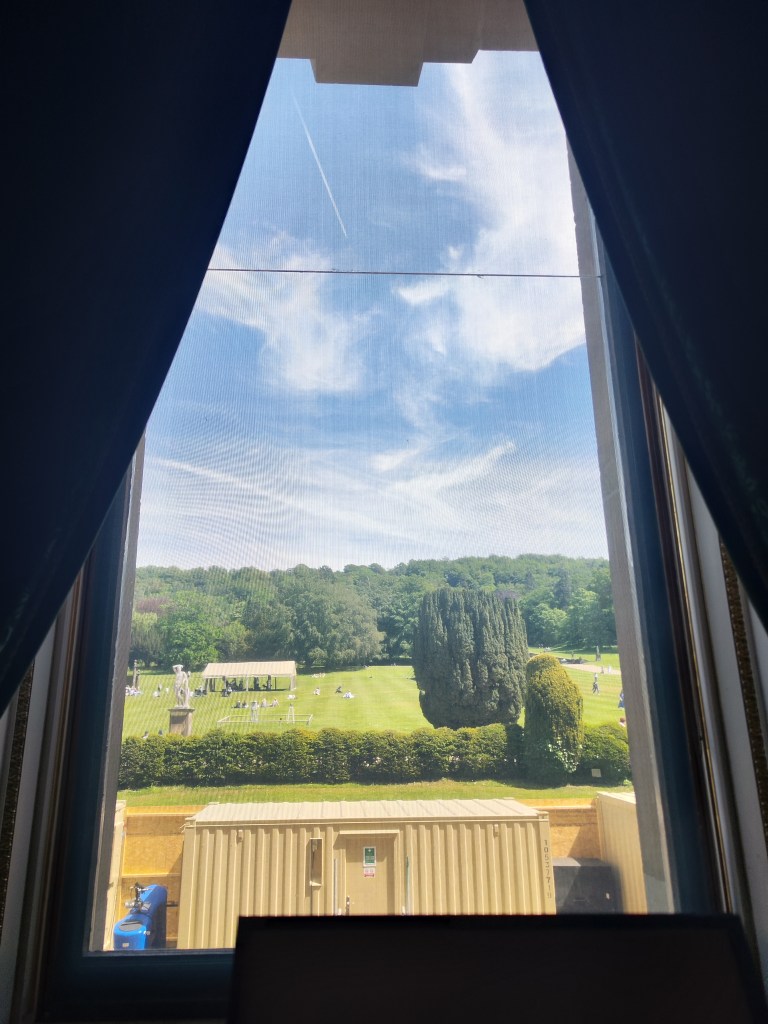
Standing on the estate’s elevated viewpoints, overlooking miles of Derbyshire countryside, one can almost picture Byron finding inspiration in the same sweeping vistas.
The Jane Austen Connection
For many visitors, Chatsworth’s most famous literary link is its connection to Jane Austen.
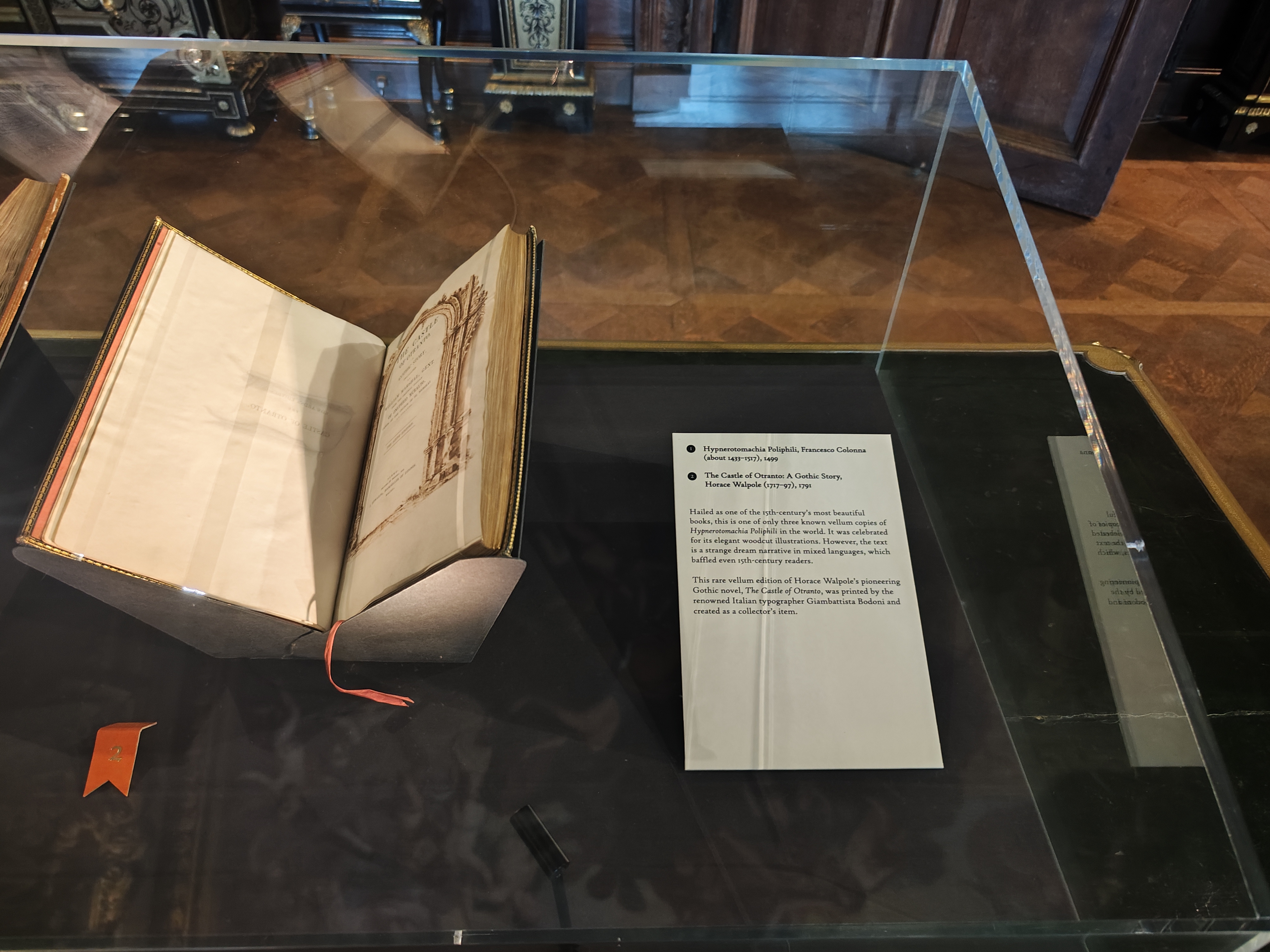
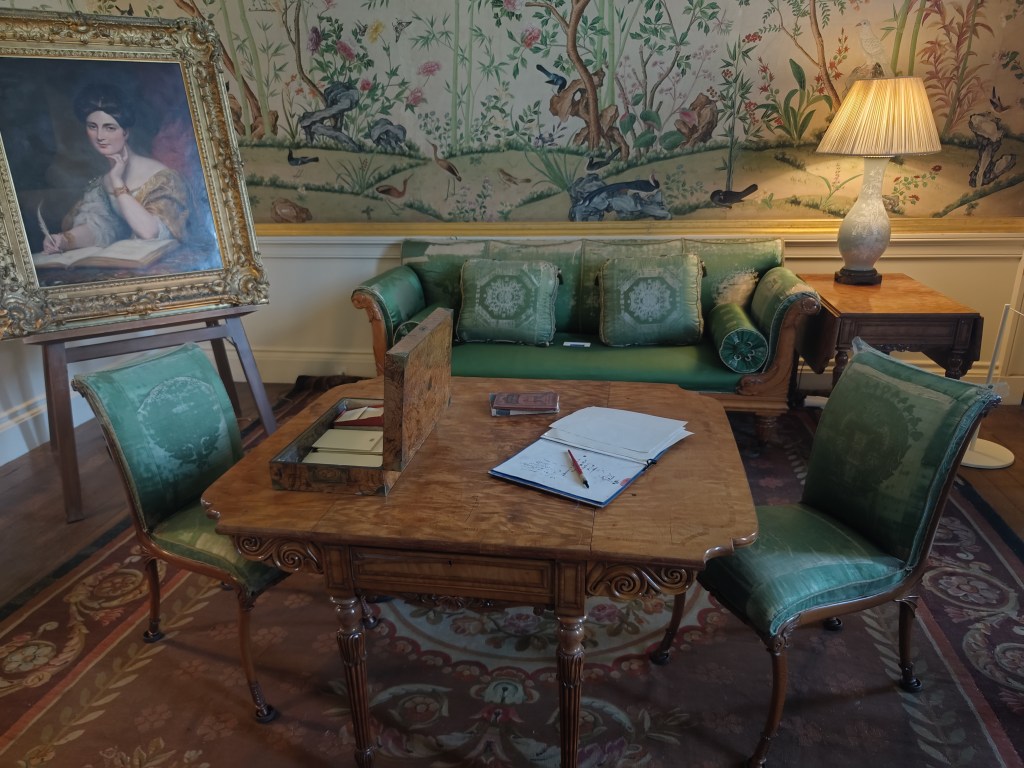
Although Austen never explicitly named Chatsworth in her novels, literary scholars widely believe it was one of the inspirations for Pemberley, the magnificent estate owned by Mr Darcy in Pride and Prejudice.
In the novel, Elizabeth Bennet first begins to see Darcy differently during her visit to Pemberley. Austen describes a house that is grand yet tasteful, impressive yet harmonious with its natural surroundings, qualities that perfectly describe Chatsworth.
Many visitors arrive already imagining themselves stepping into the world of Darcy and Elizabeth. Walking through the grounds, it’s not difficult to understand why.
Charlotte Brontë and the Derbyshire Landscape
Another fascinating literary connection links Chatsworth to Charlotte Brontë.
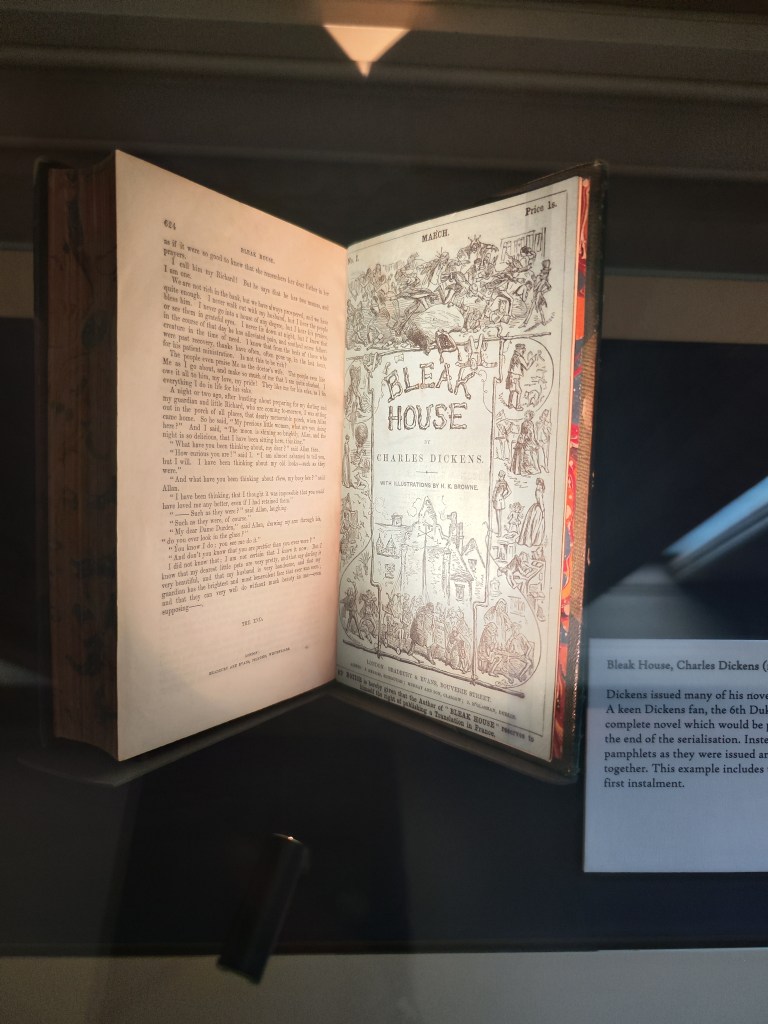
Brontë travelled through Derbyshire during the nineteenth century and was deeply inspired by the region’s dramatic landscapes. While her masterpiece, Jane Eyre, is not directly based on Chatsworth, the rugged beauty of Derbyshire and the grandeur of its country houses influenced the atmospheric settings that became central to her writing.
The contrast between wild moorland and aristocratic estates, so vividly portrayed in Victorian literature, can still be felt throughout the Chatsworth estate today.
As you move from formal gardens into woodland paths and open countryside, there is a distinct sense of stepping between different worlds, a theme that Brontë explored repeatedly in her novels.
Art, Innovation, and a Family Home
One of the most surprising things about Chatsworth is how modern it feels despite its age.
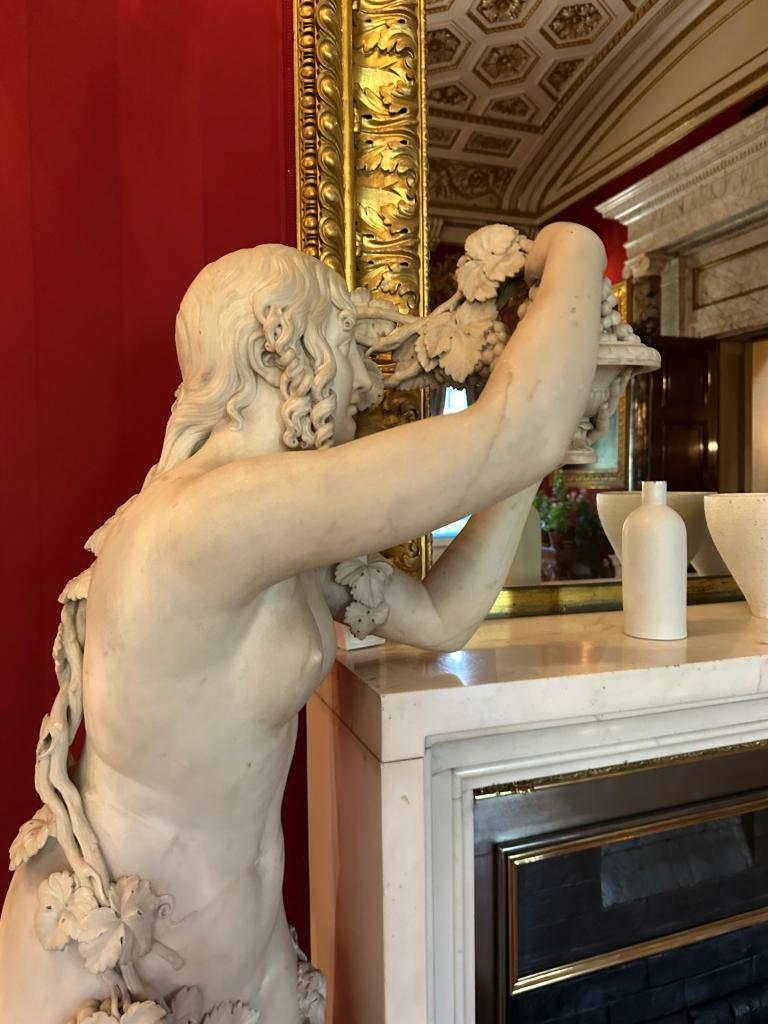
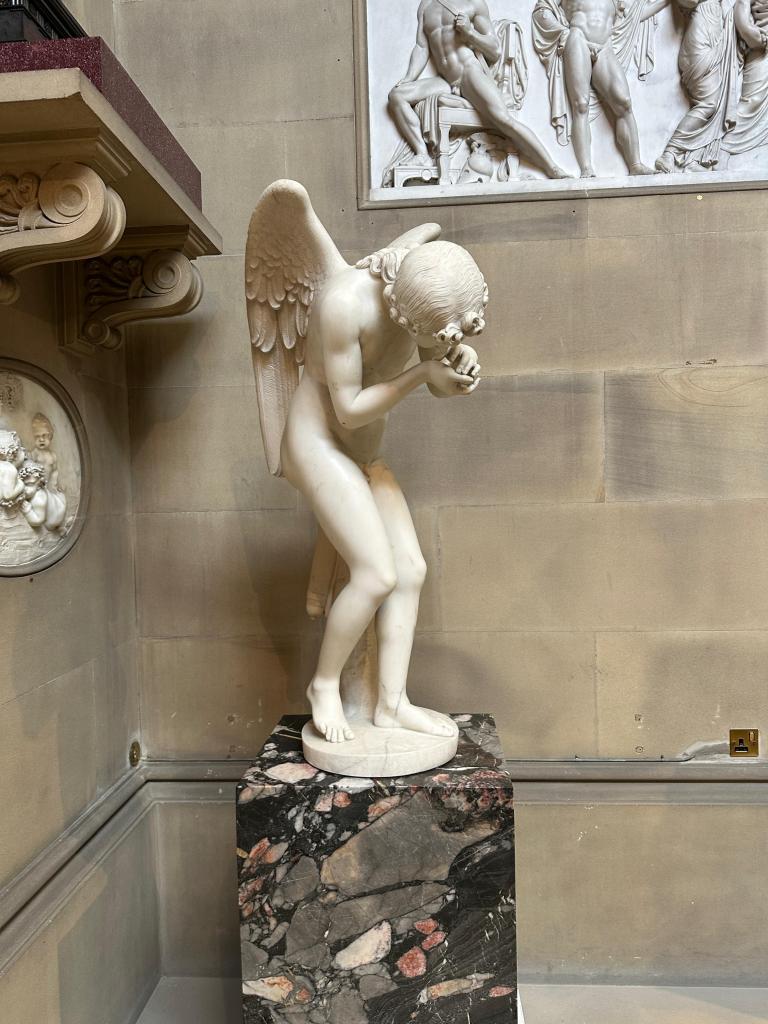
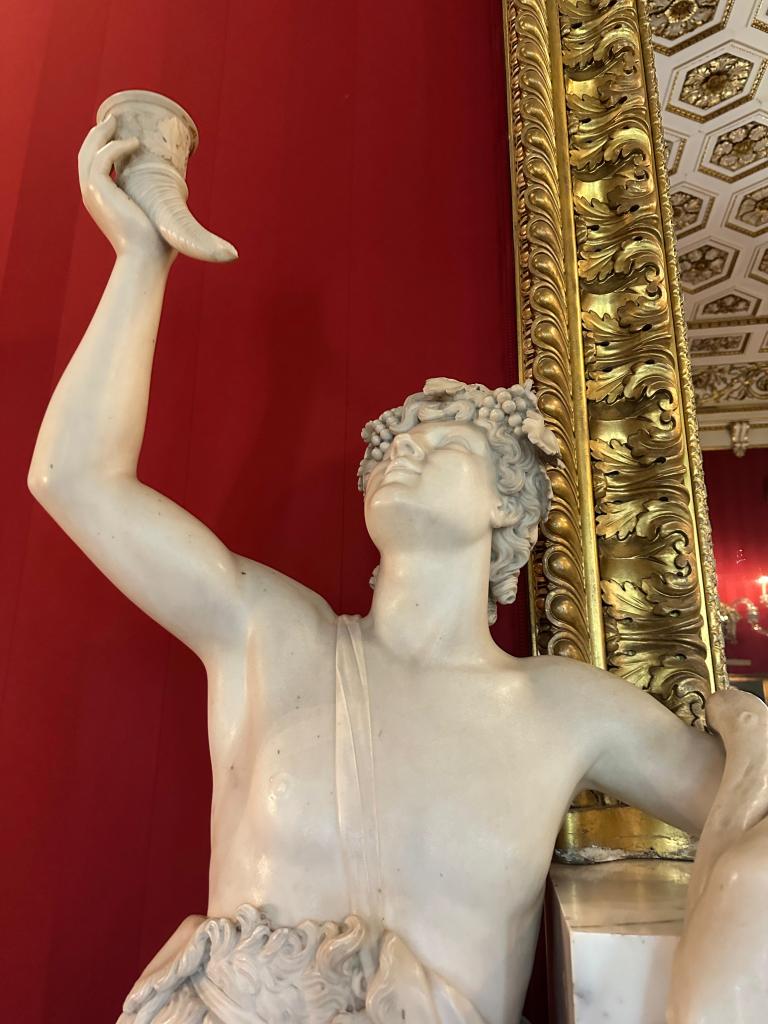
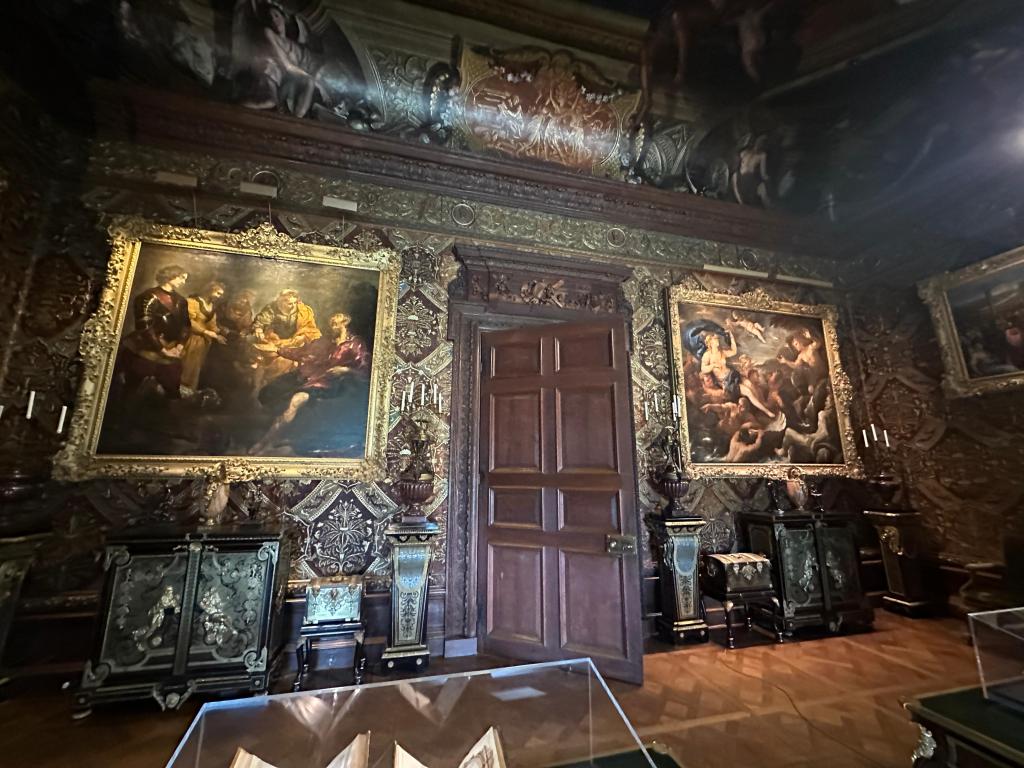
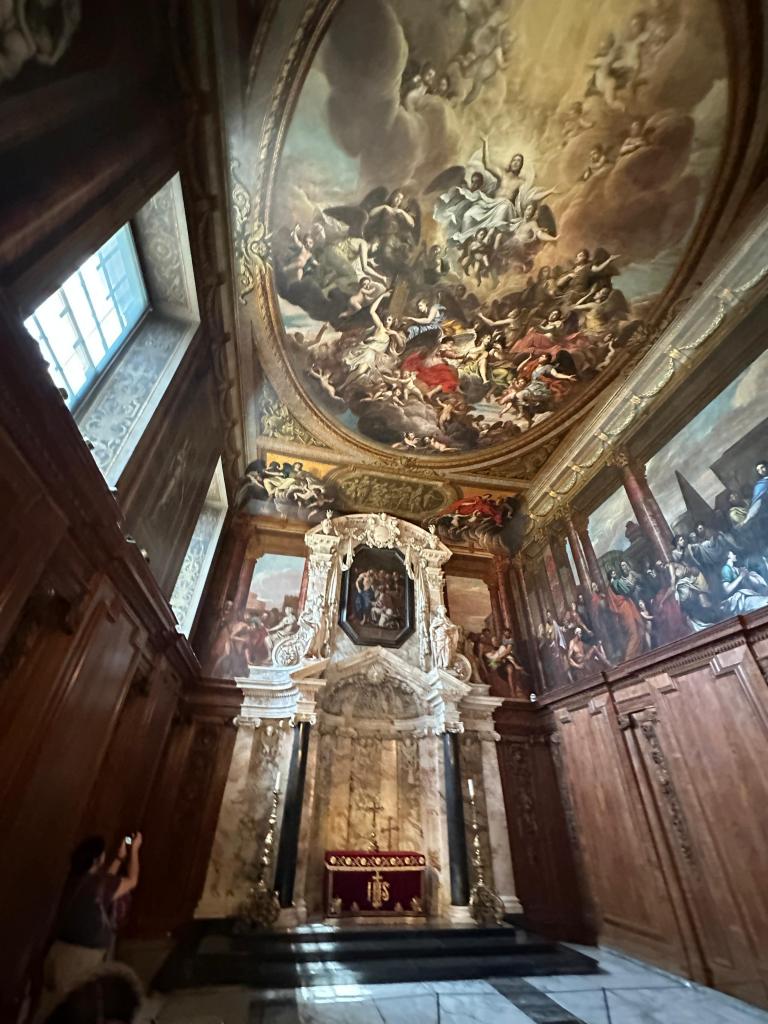
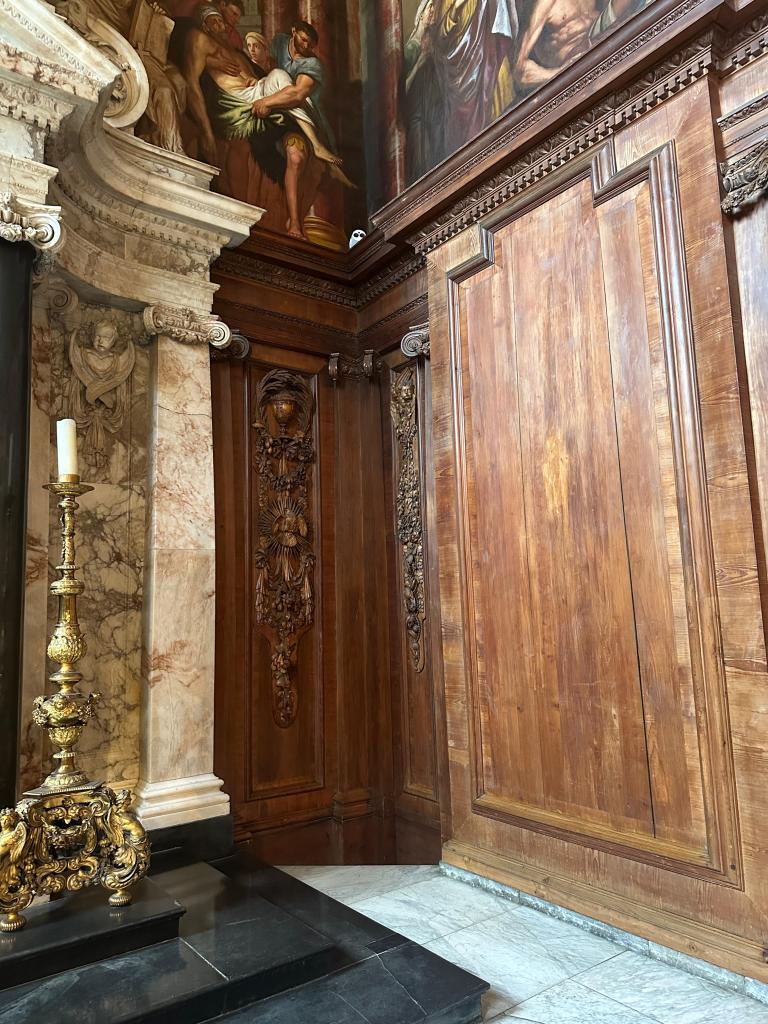
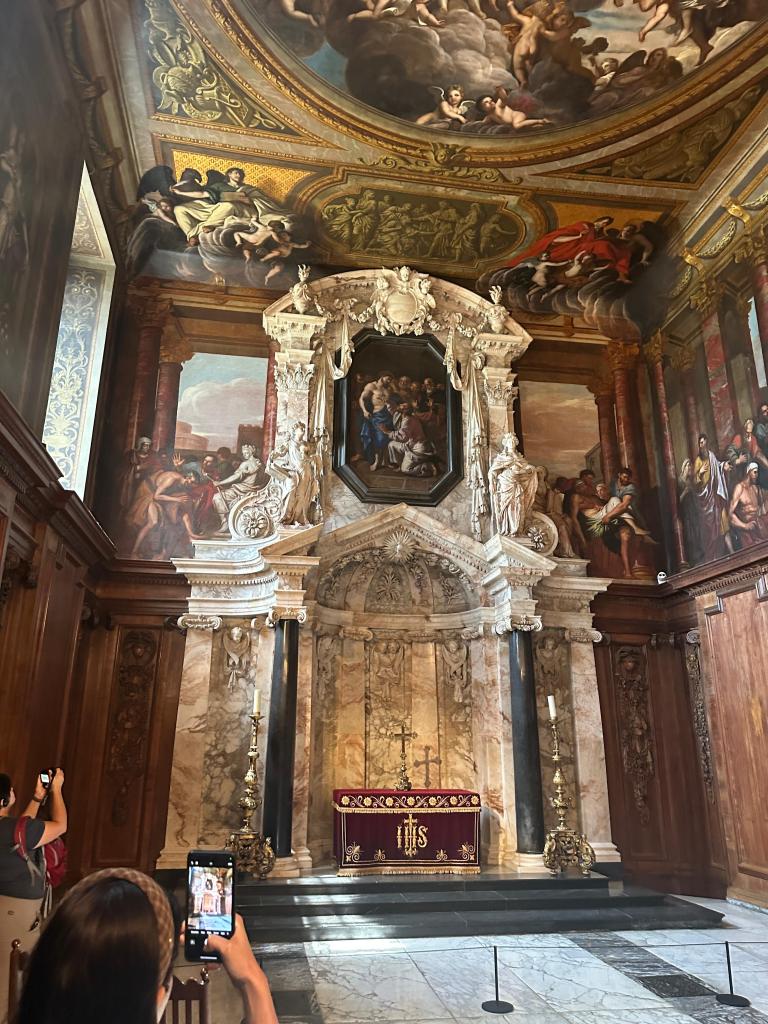
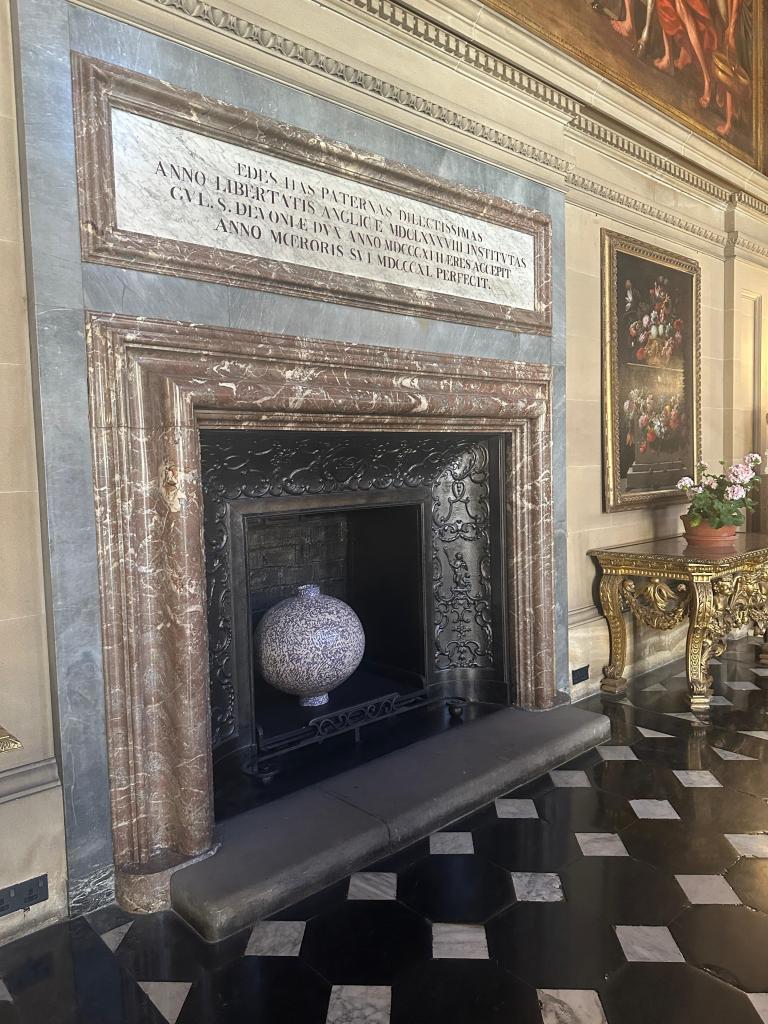
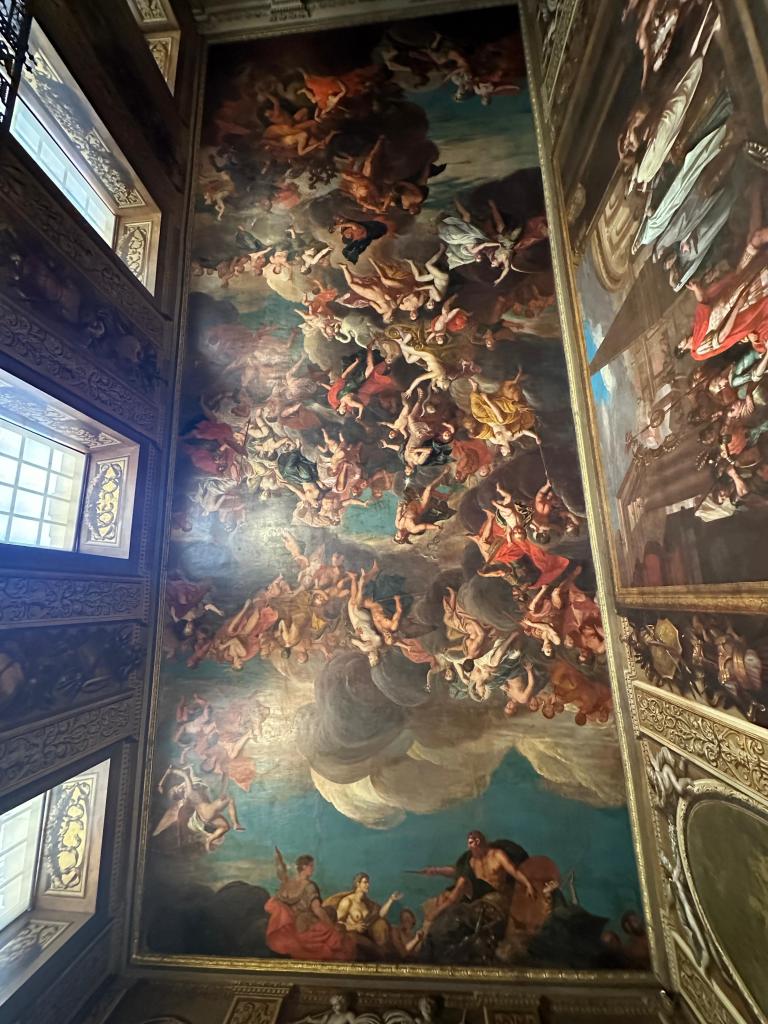
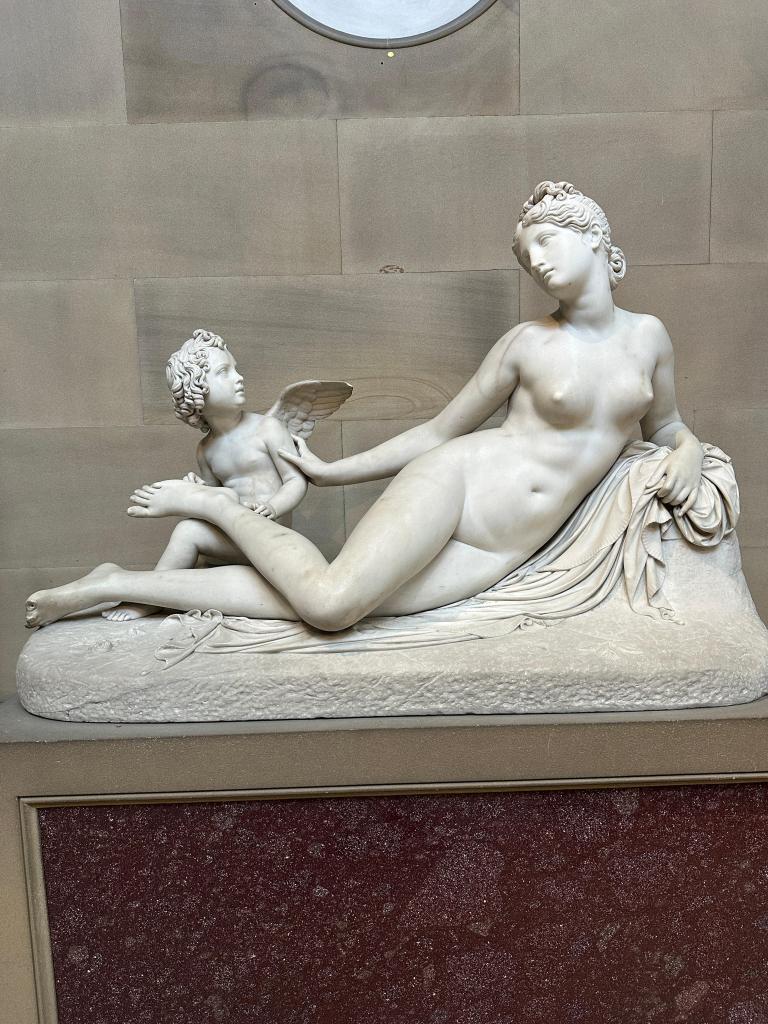
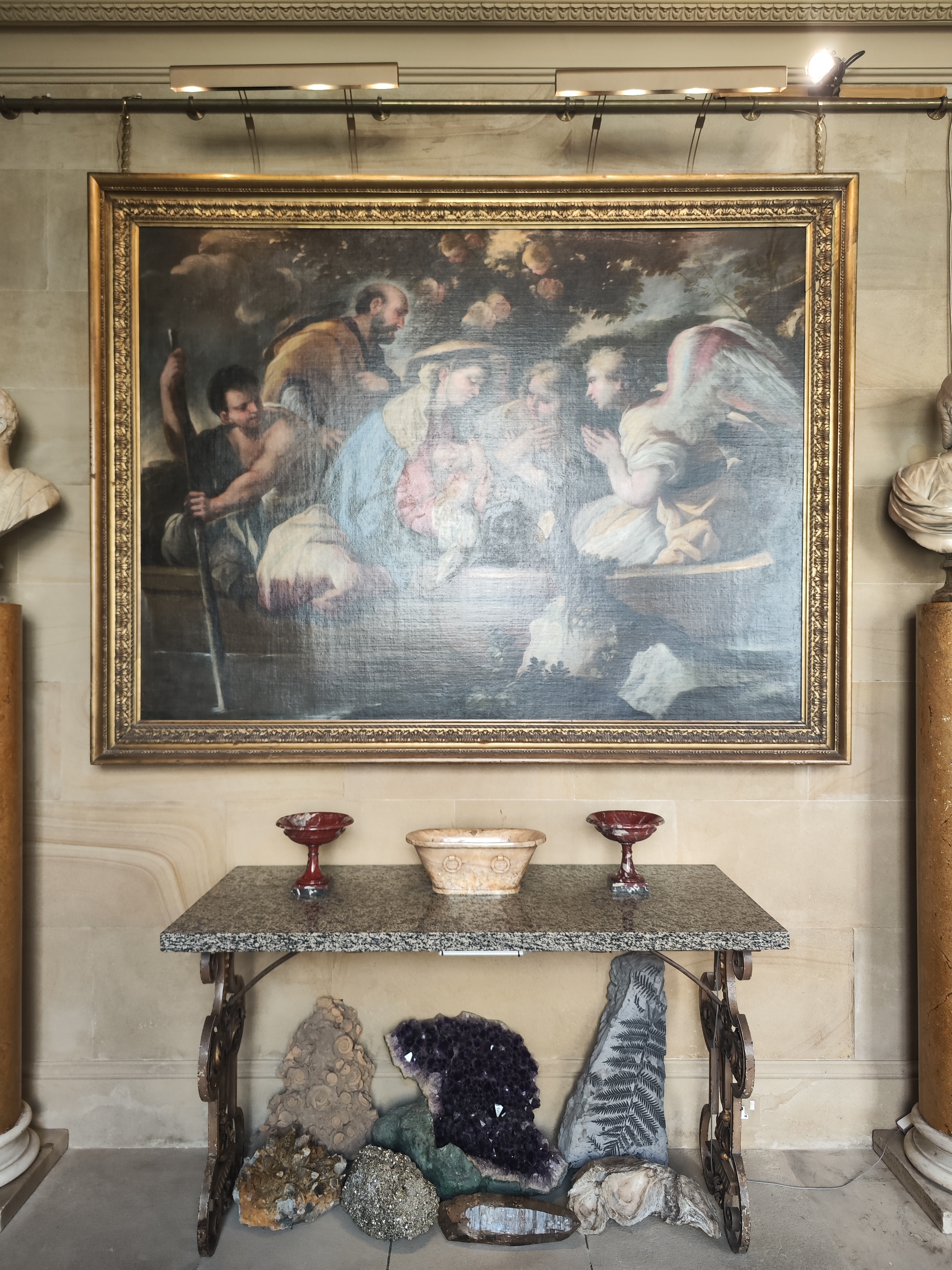
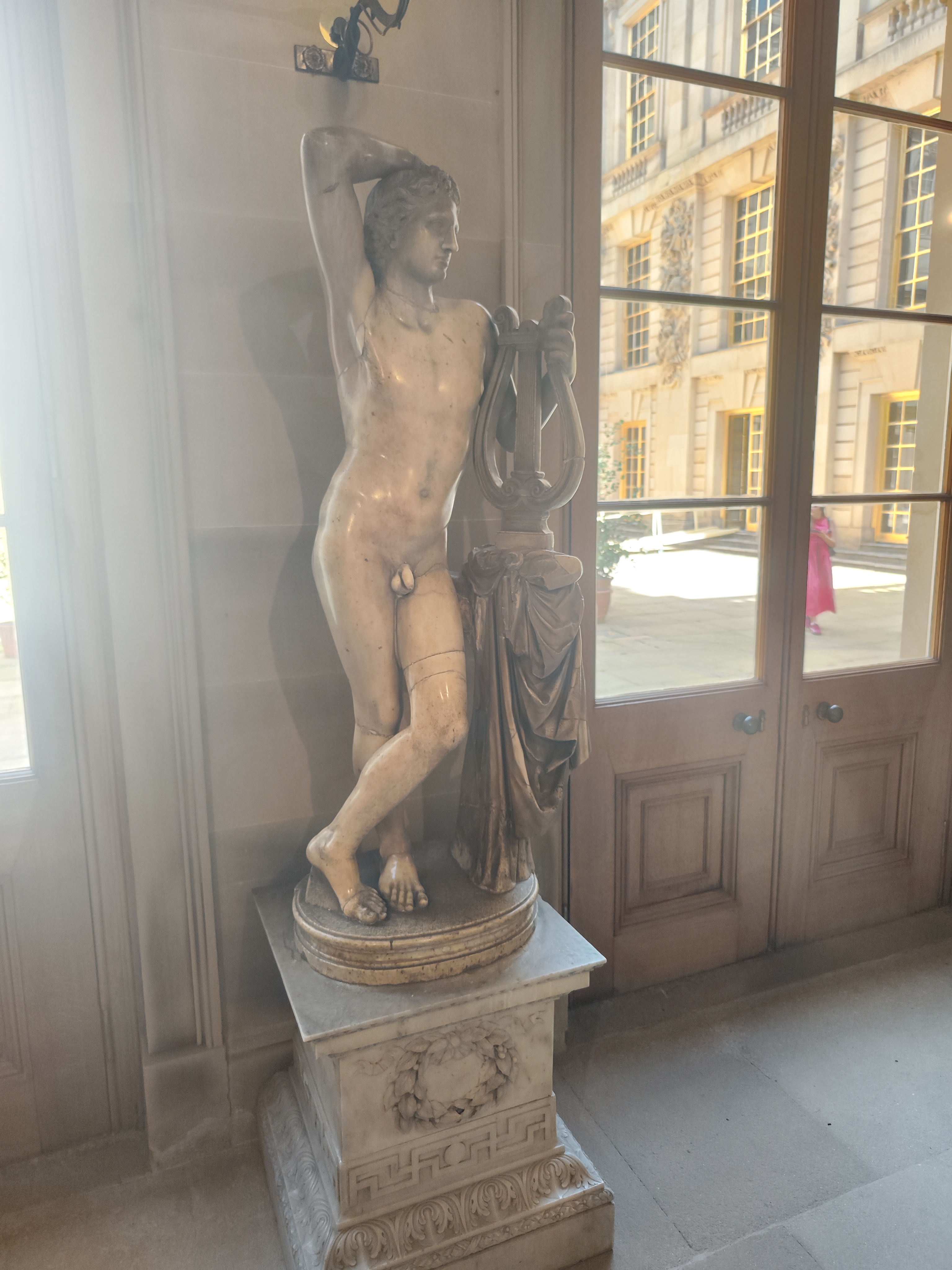
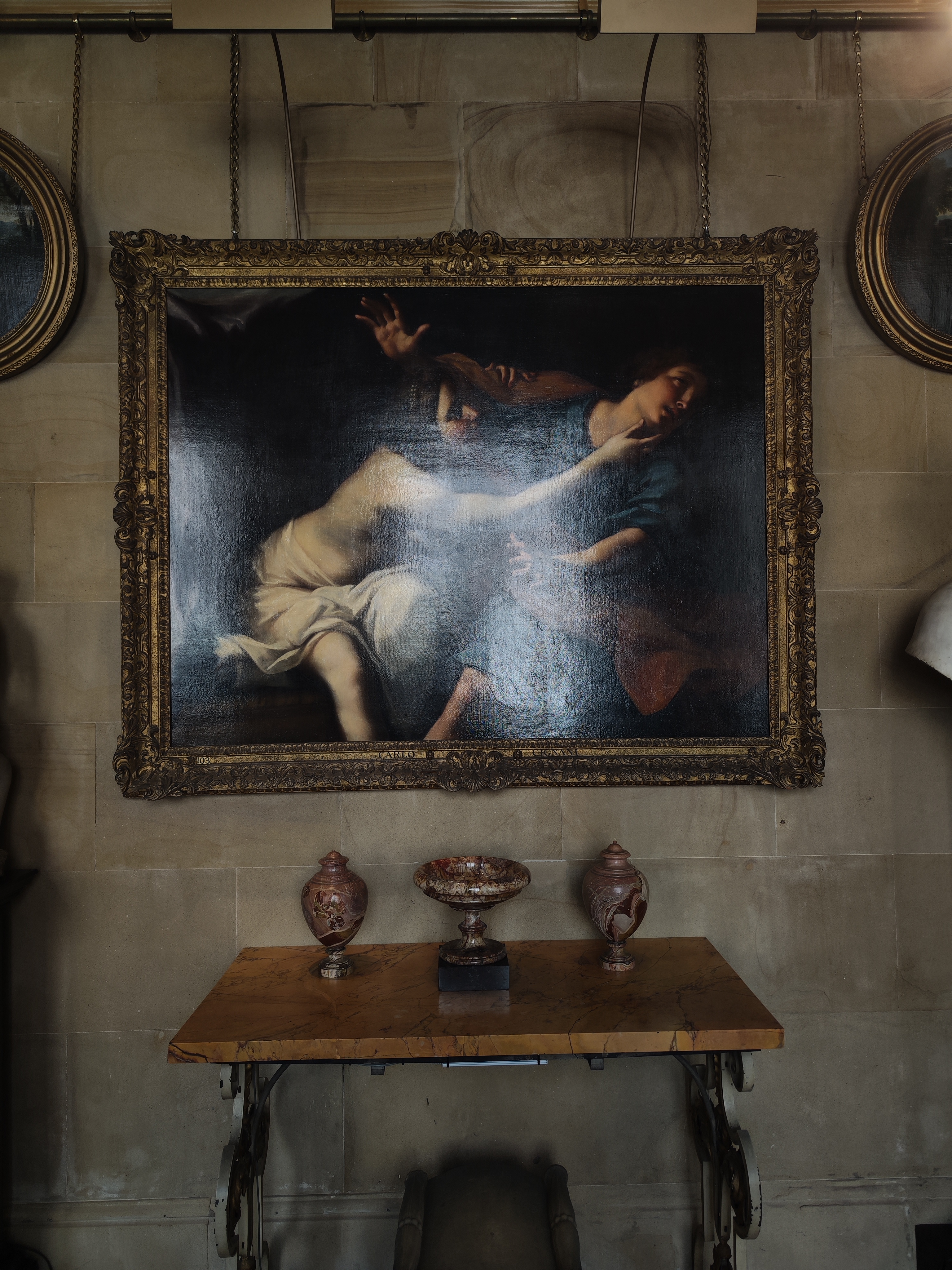
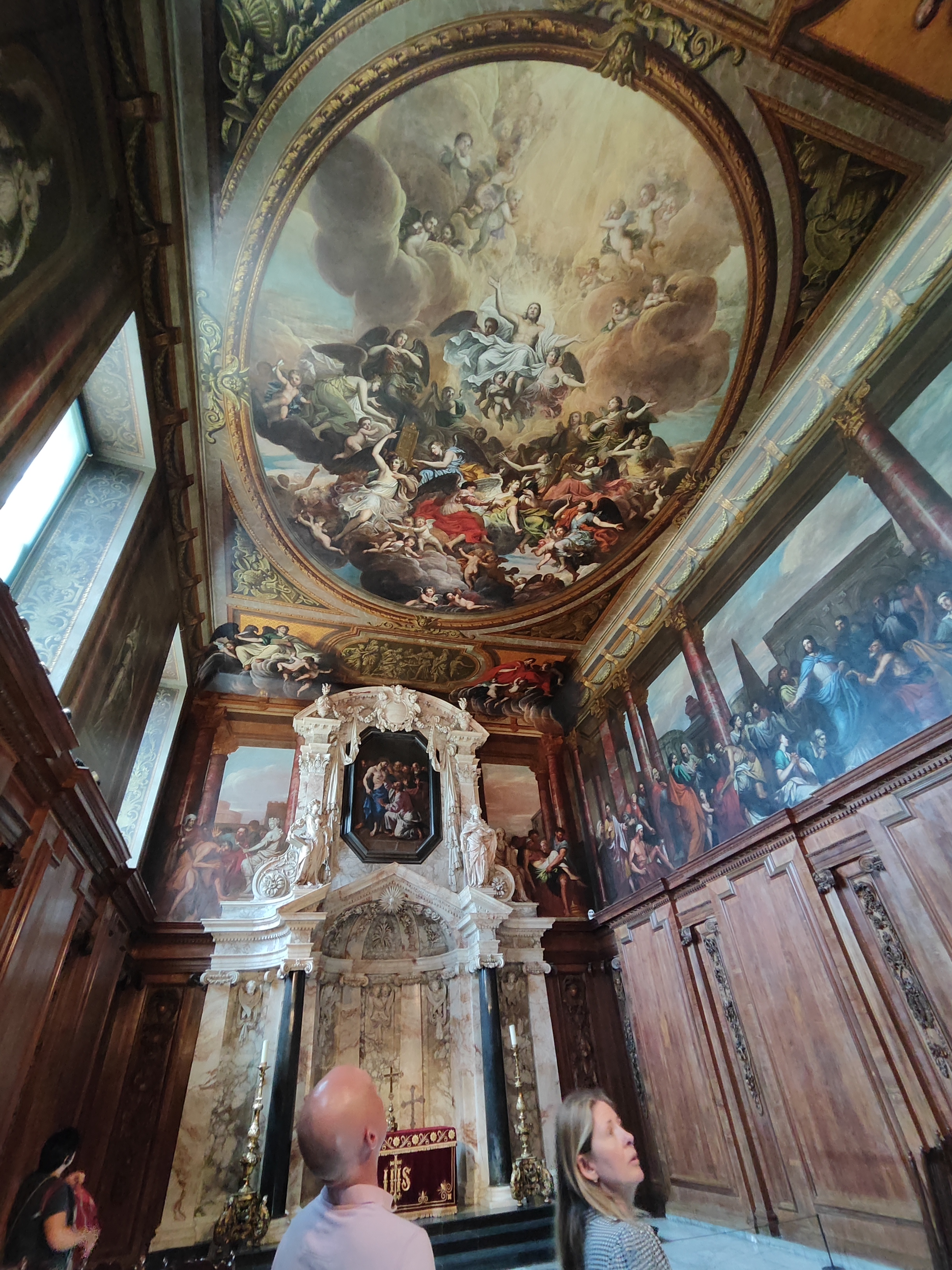
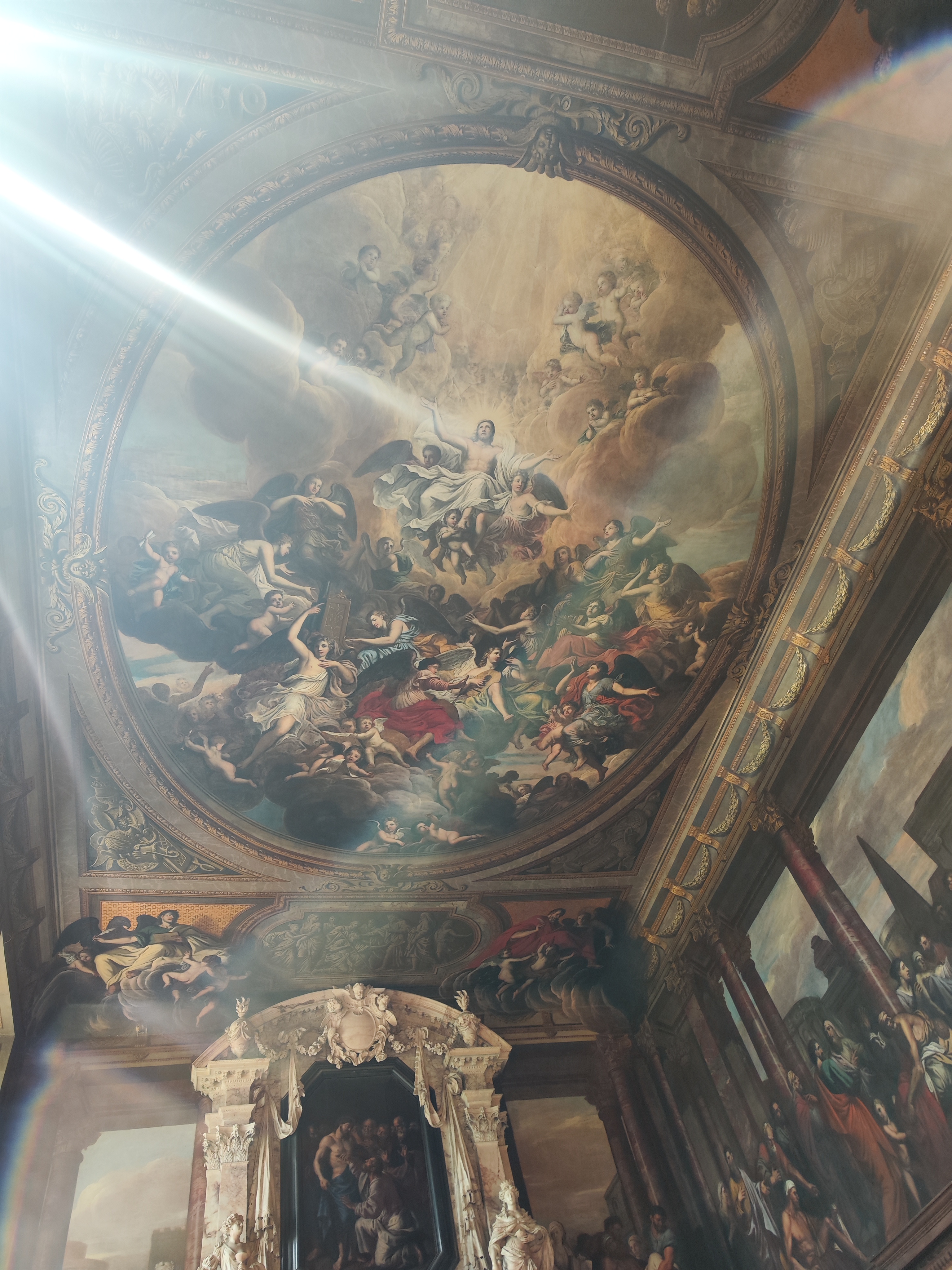
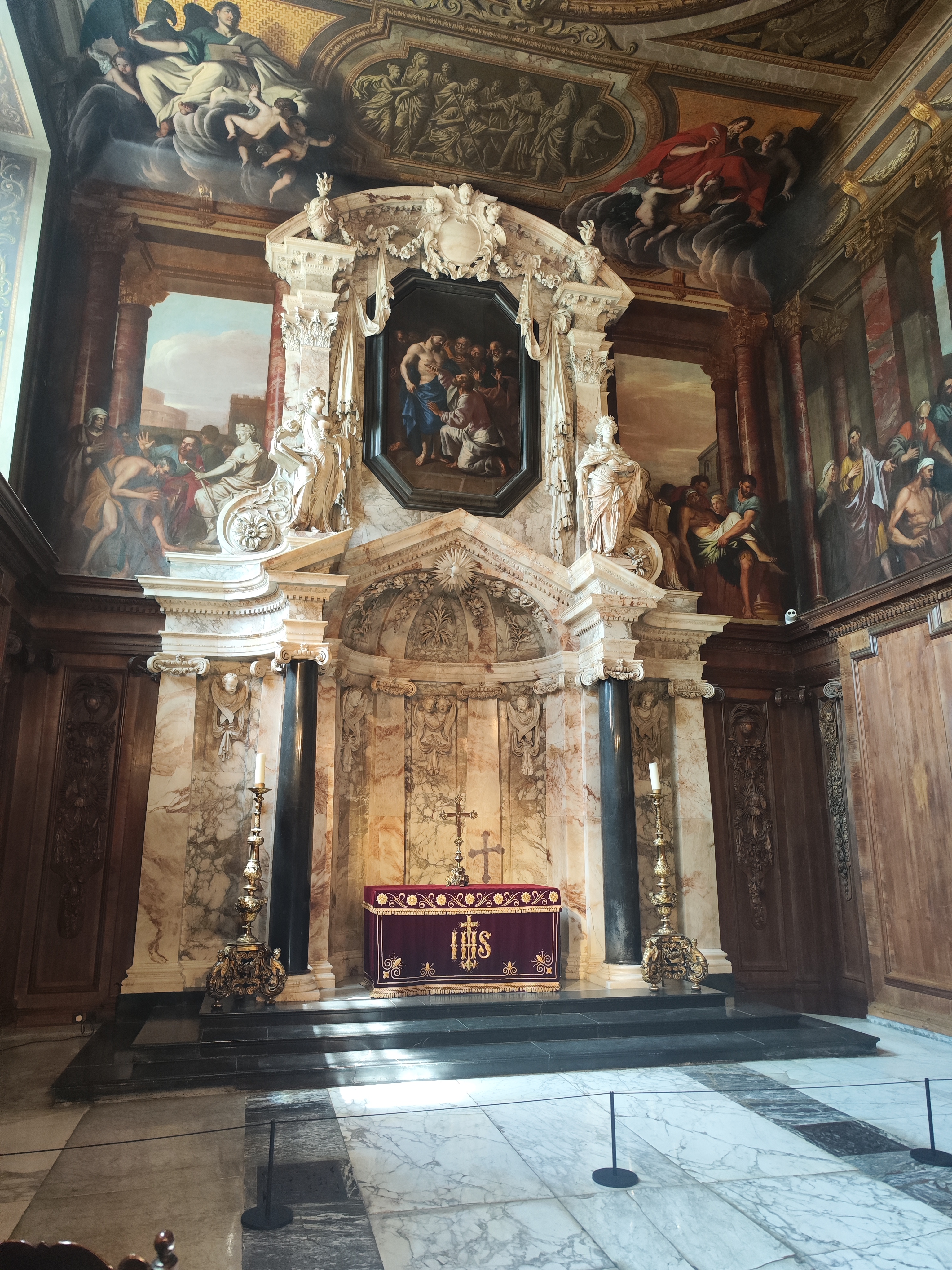
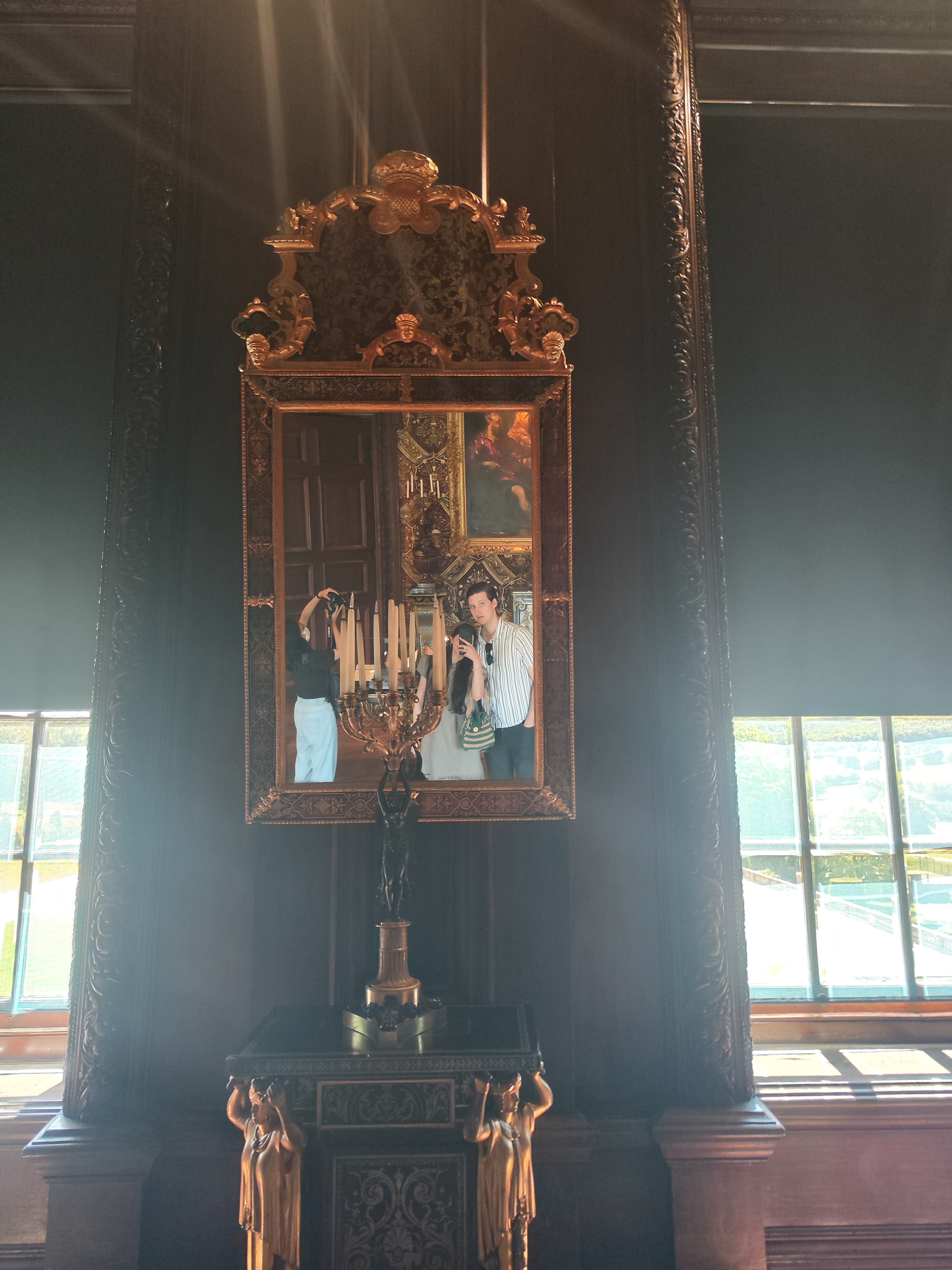
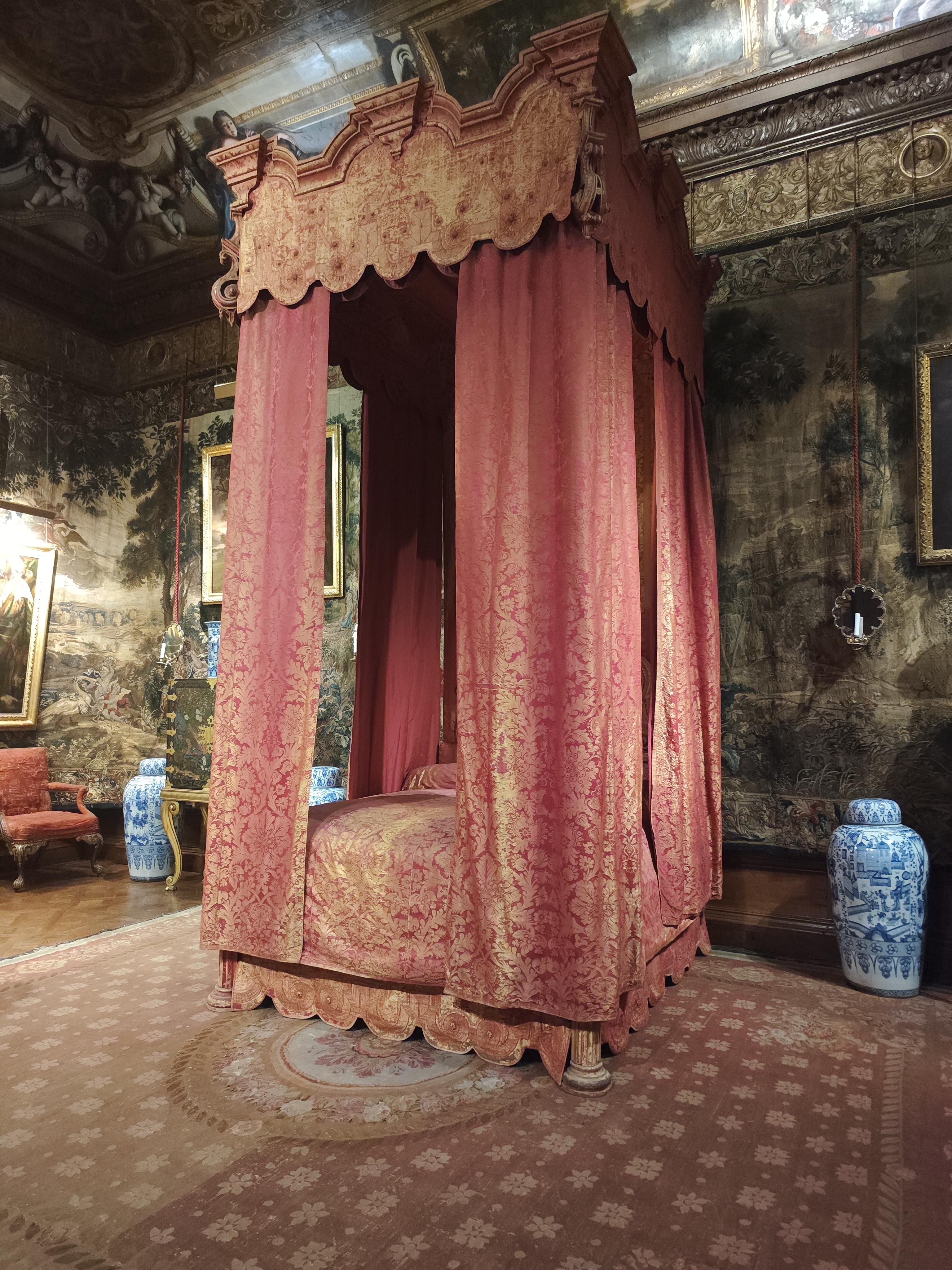
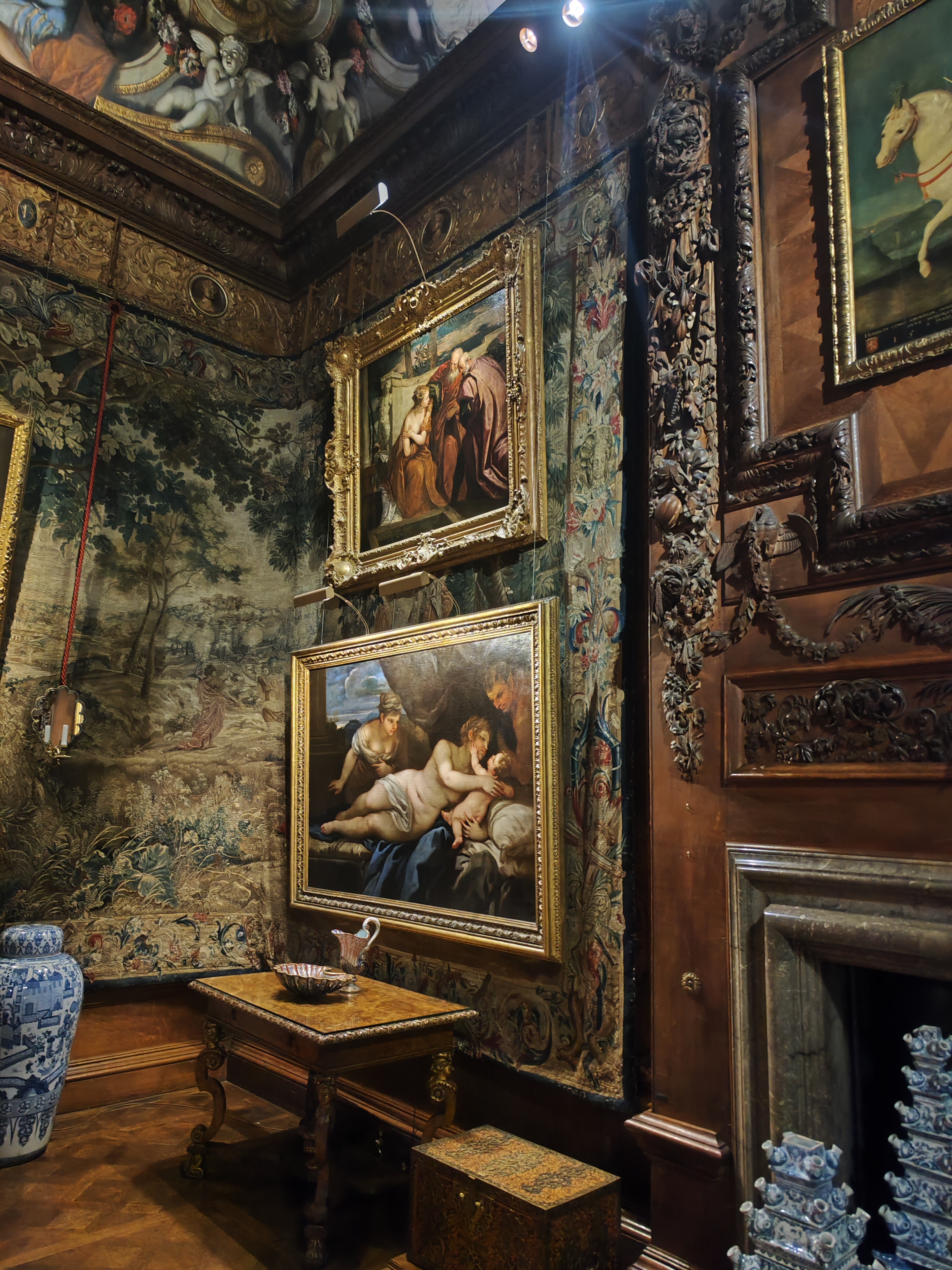
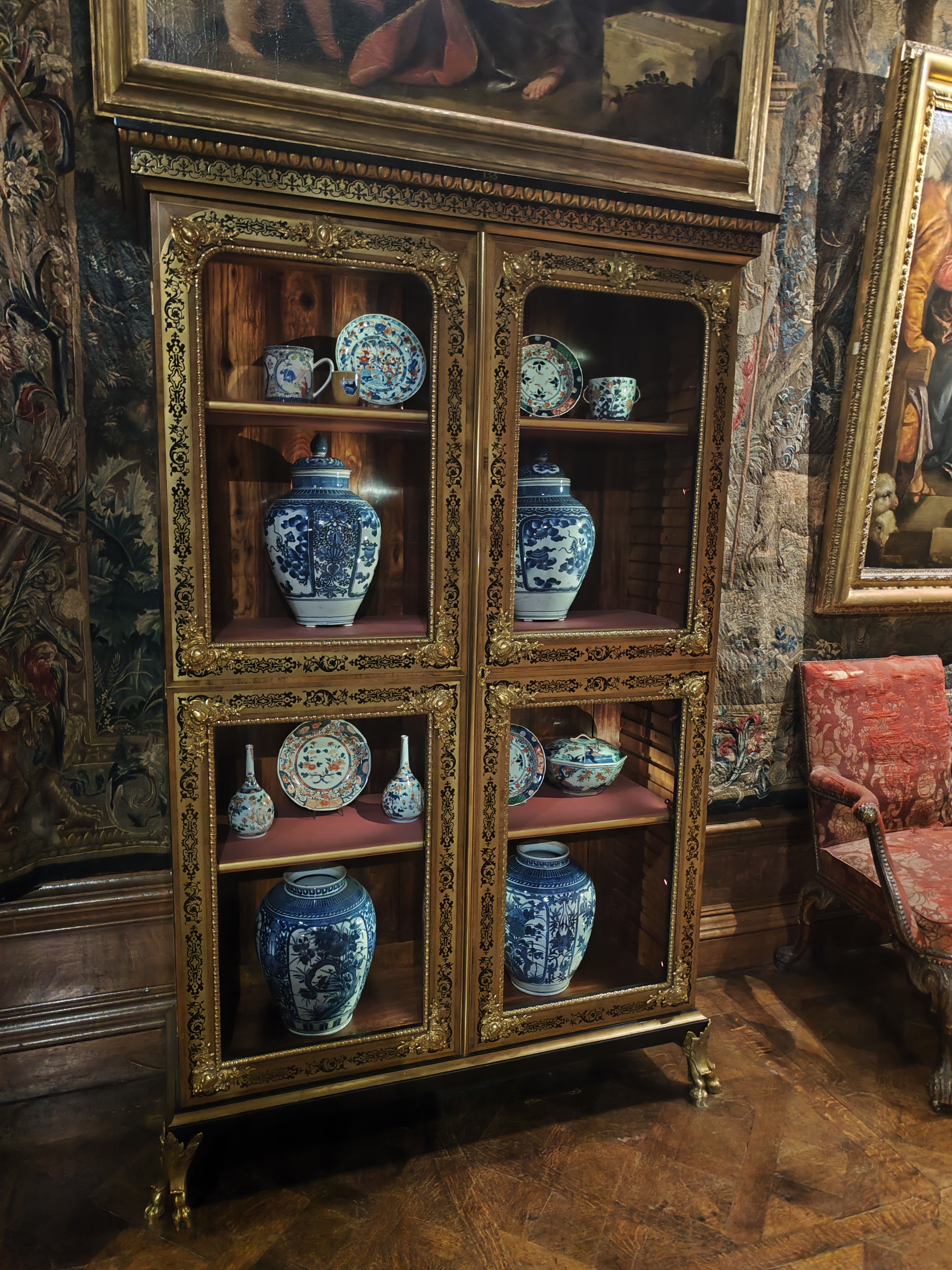
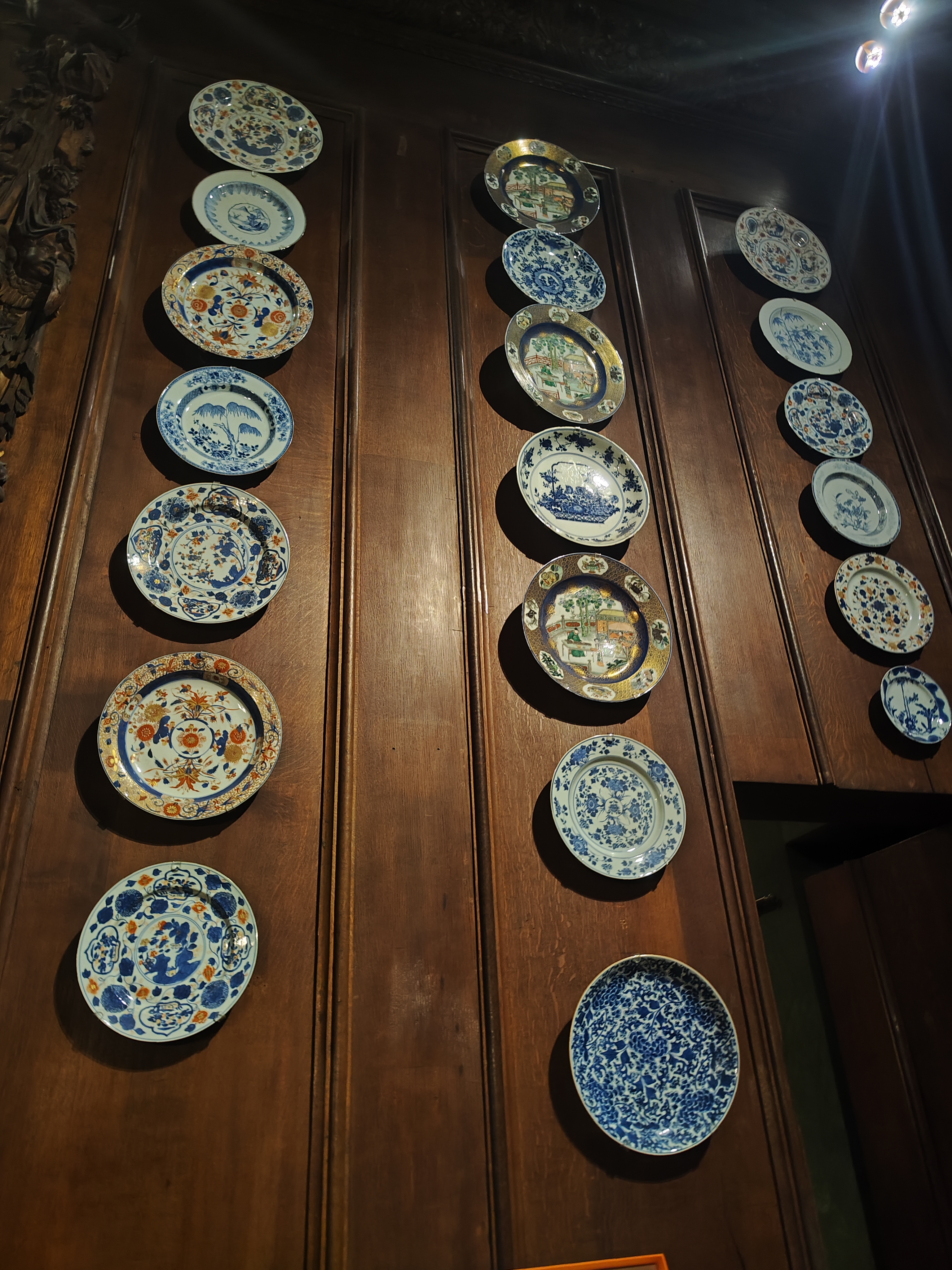
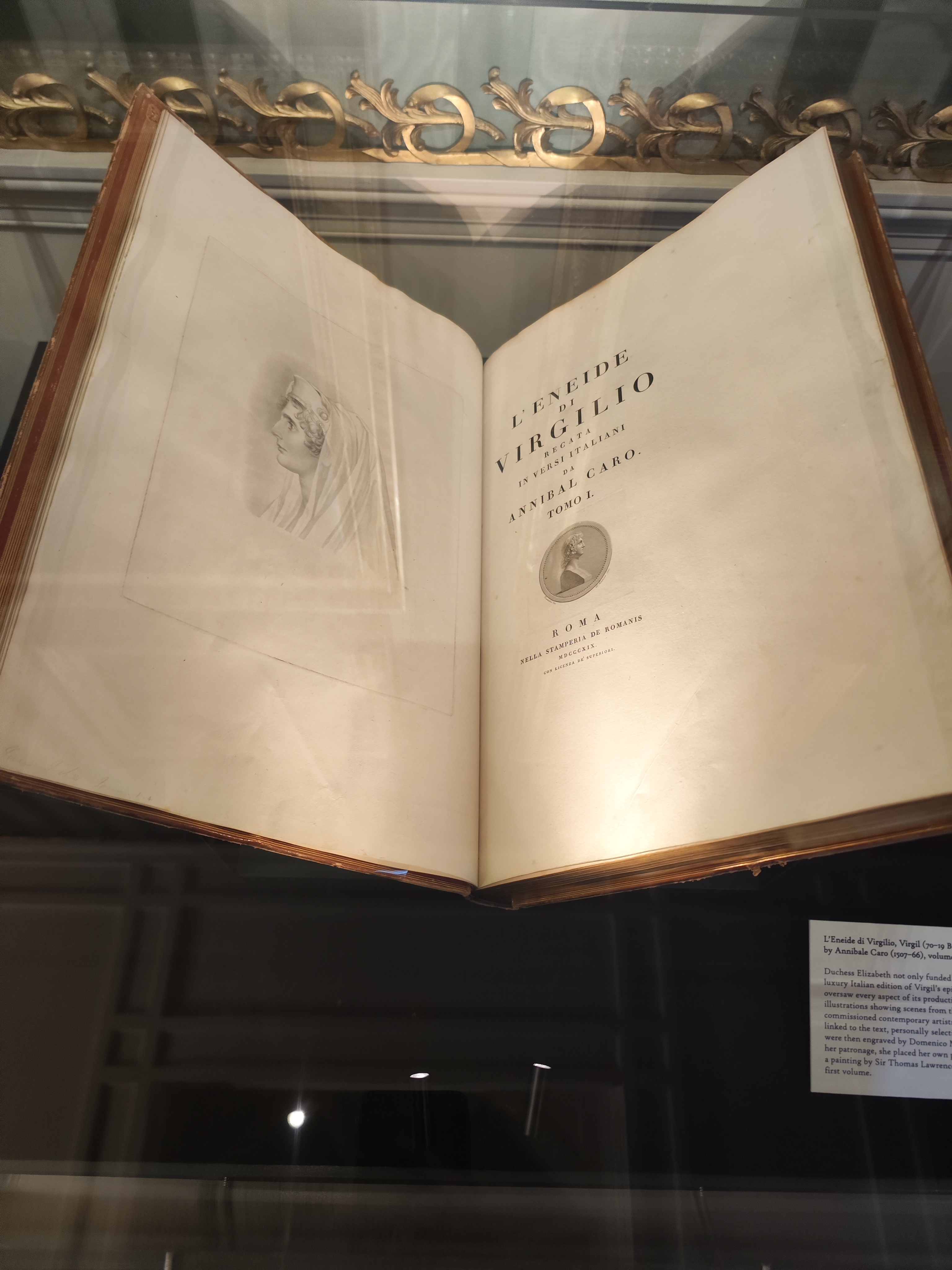
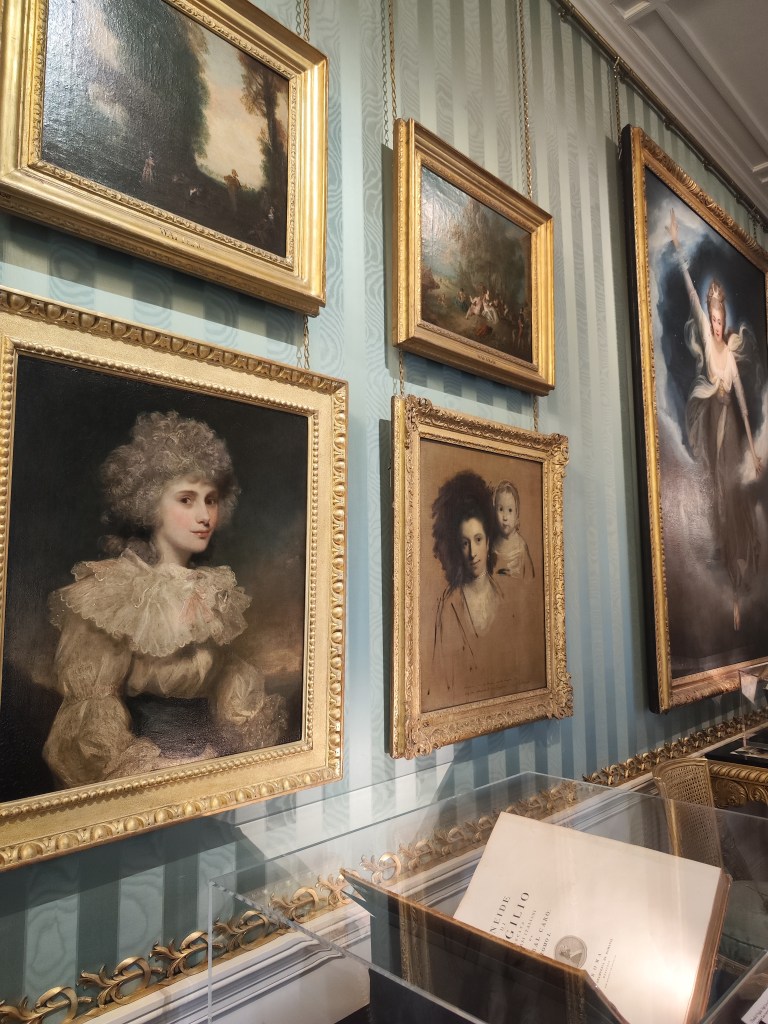
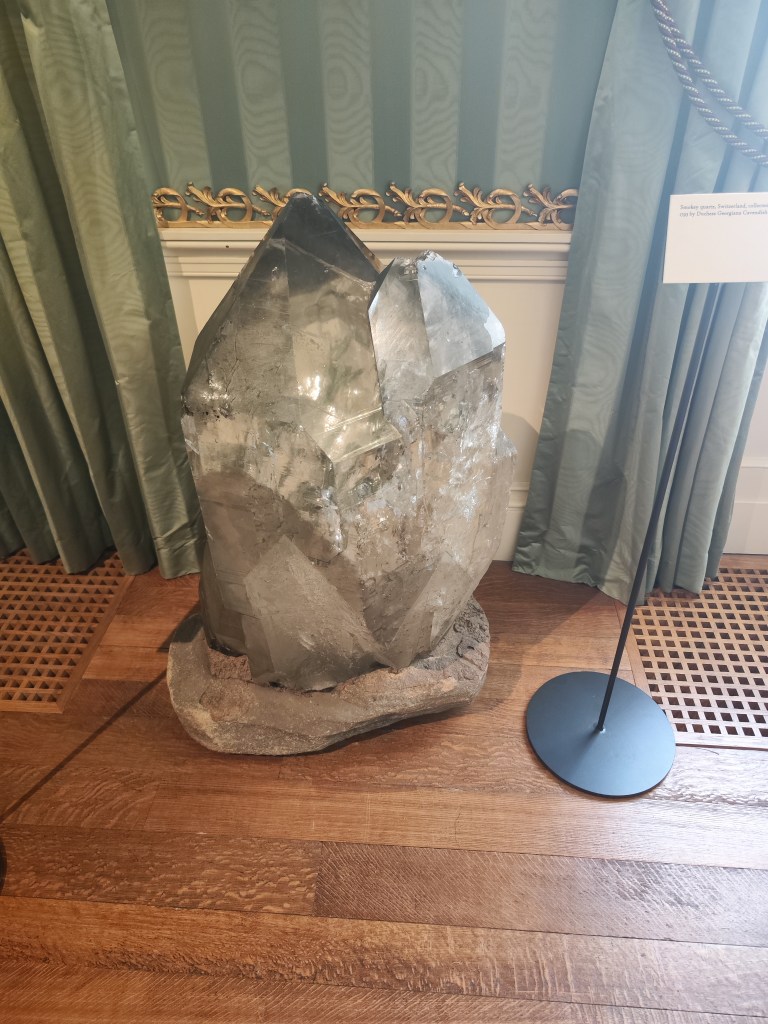
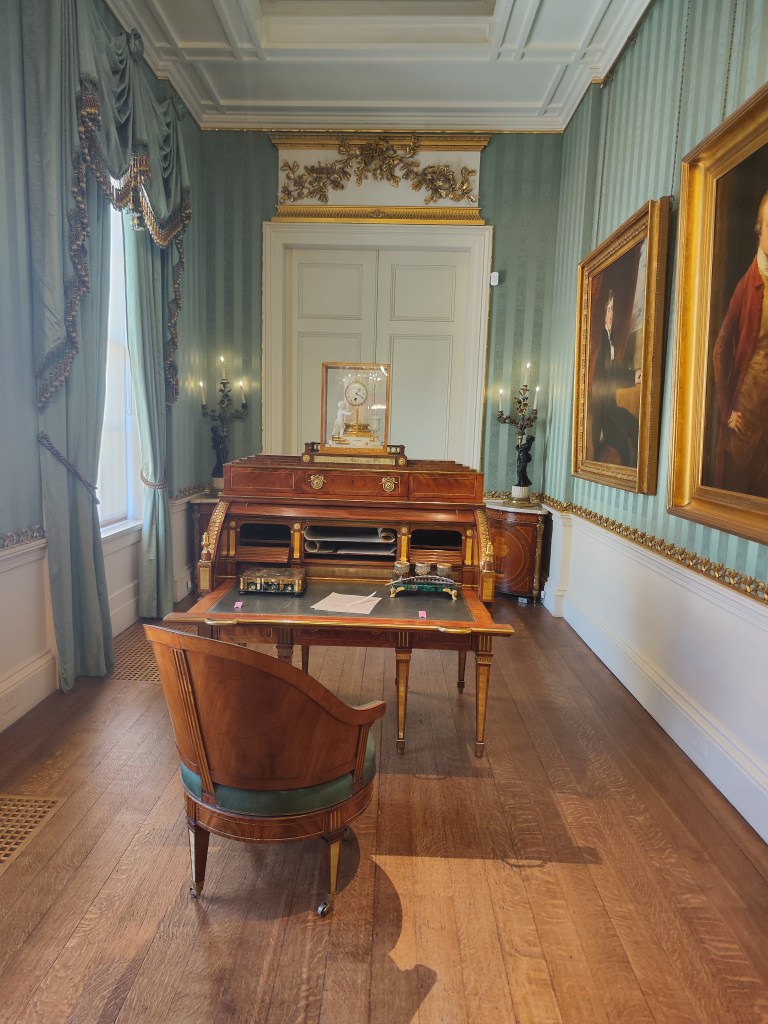
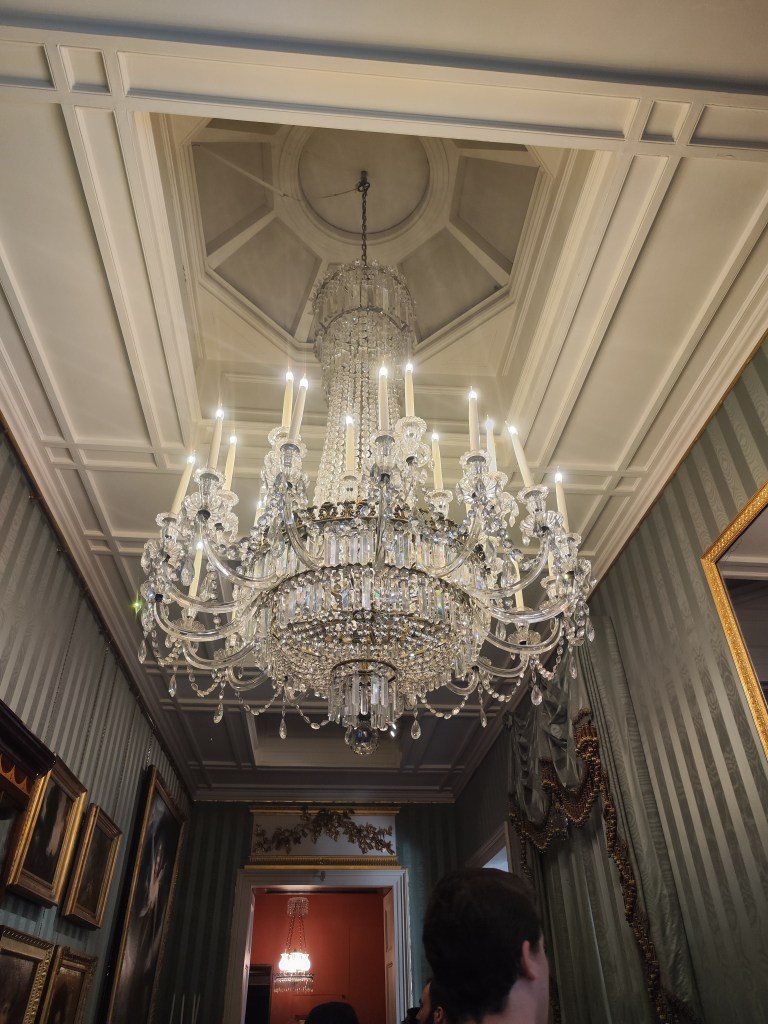
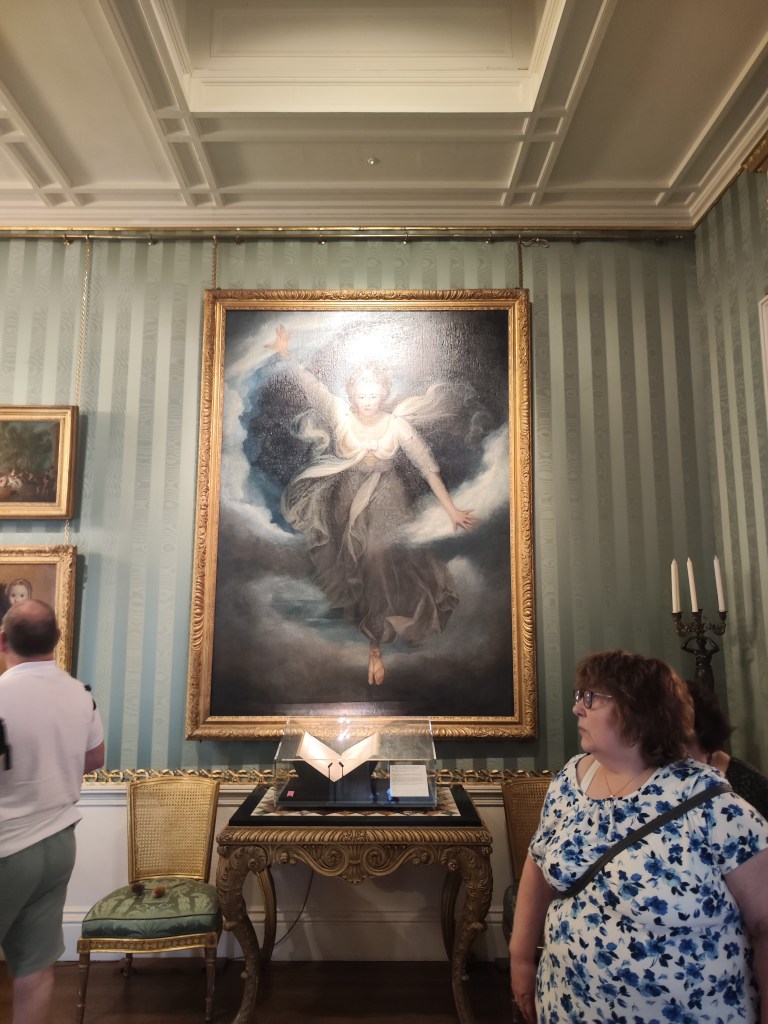
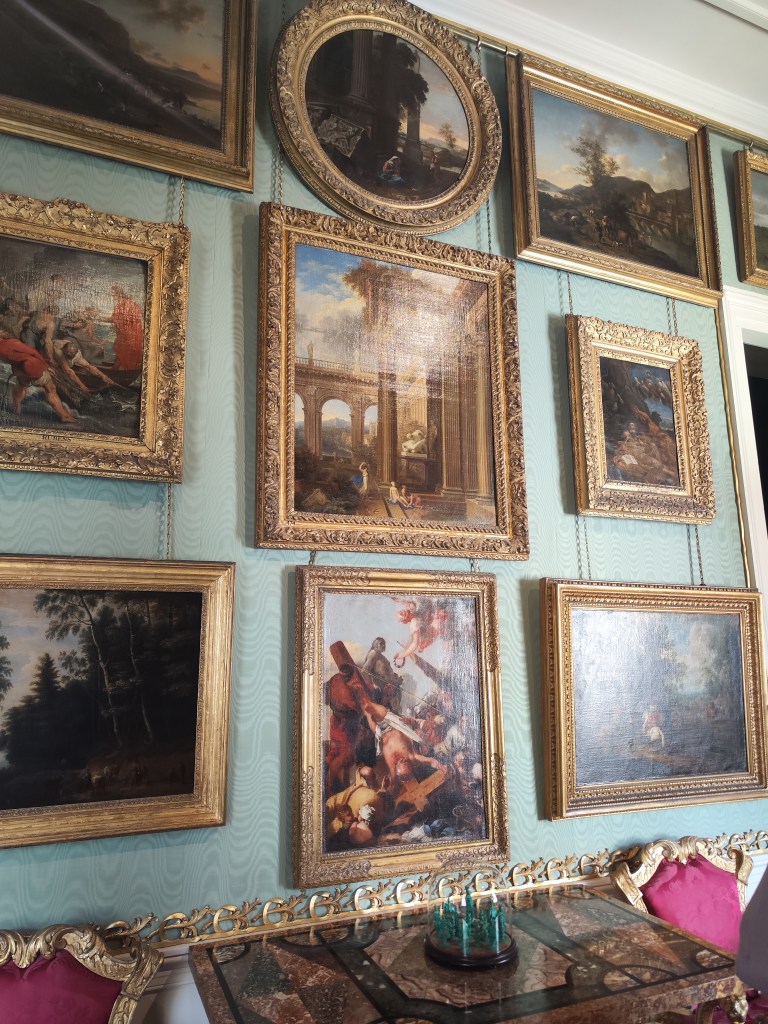
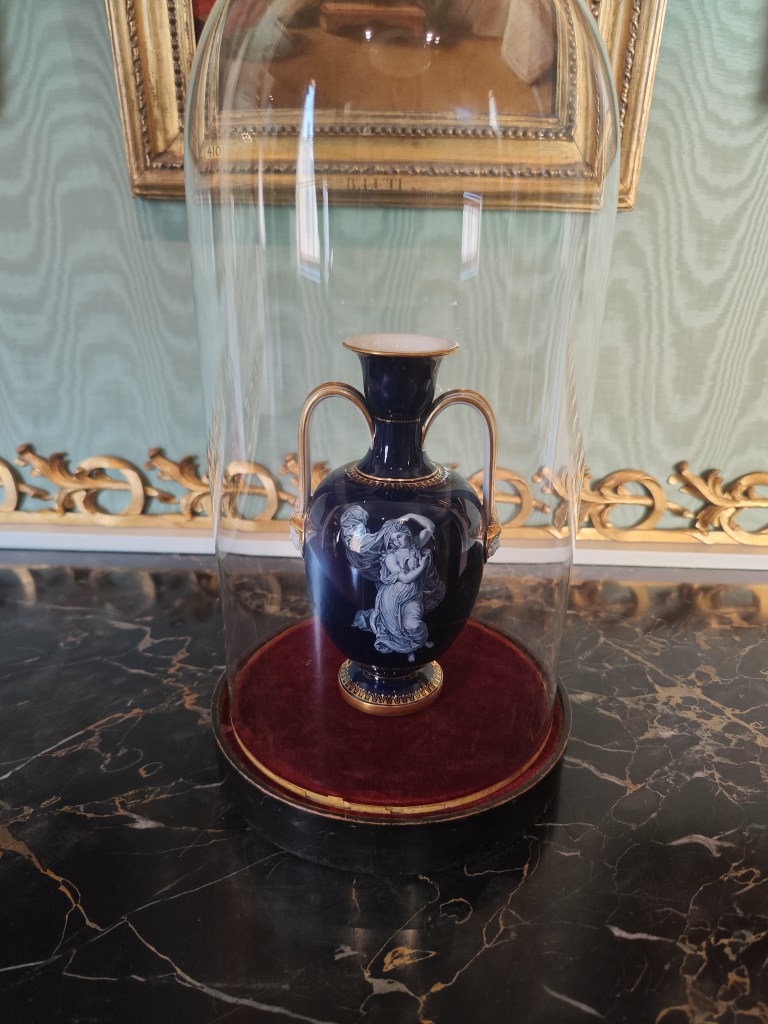
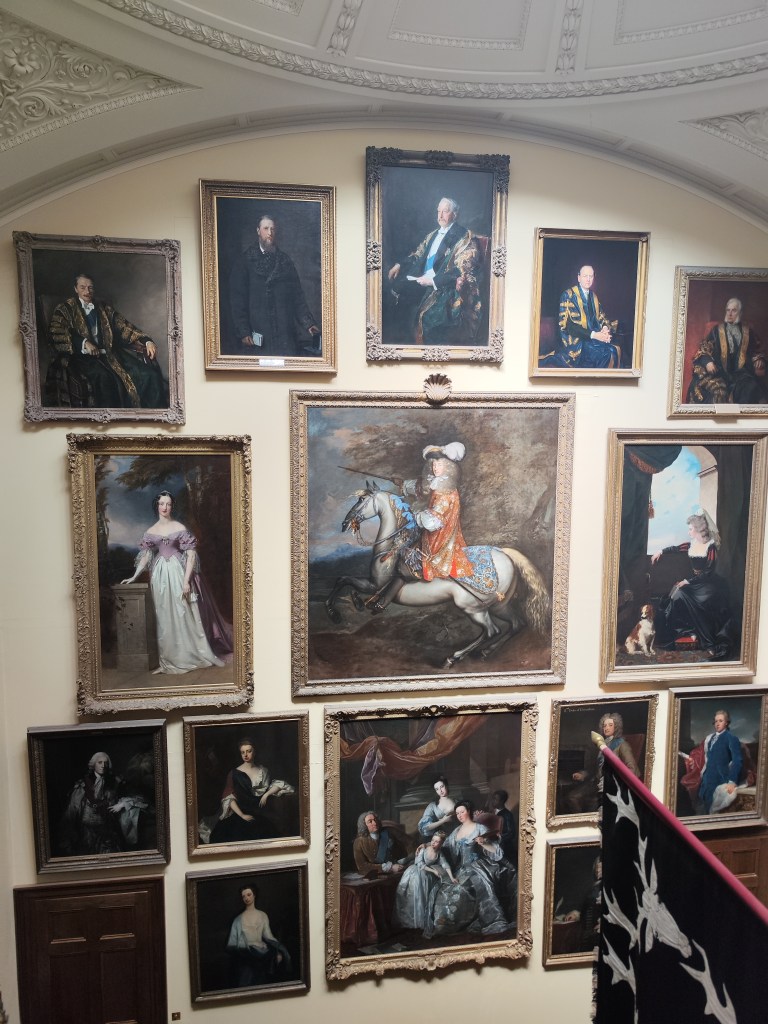
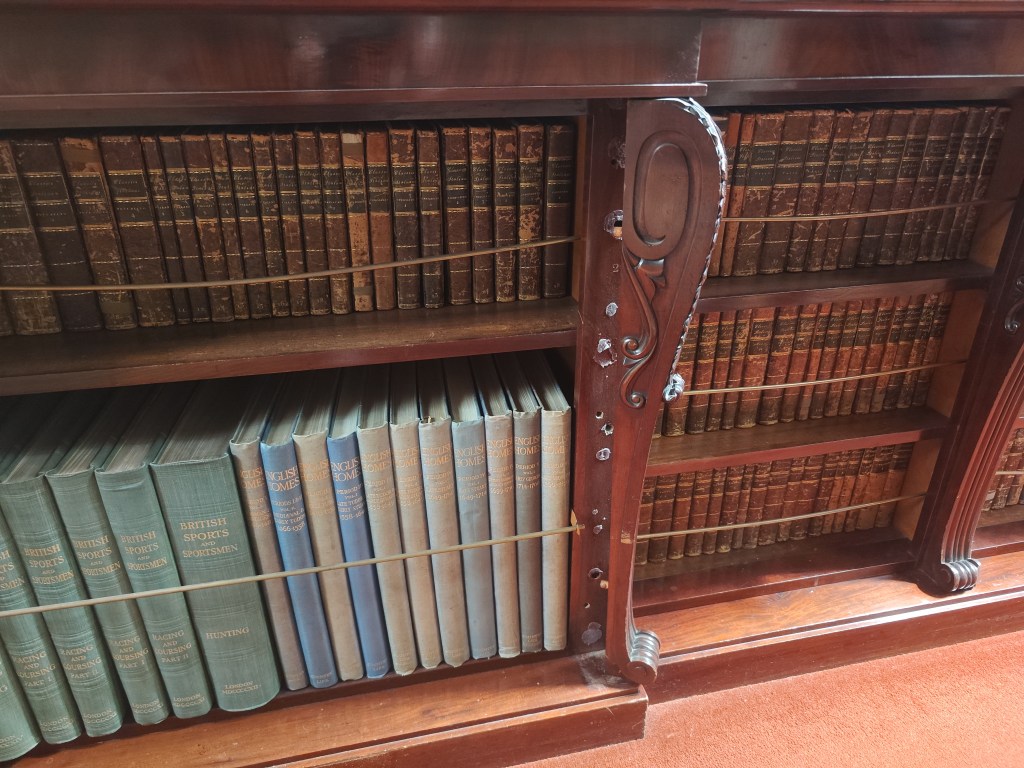
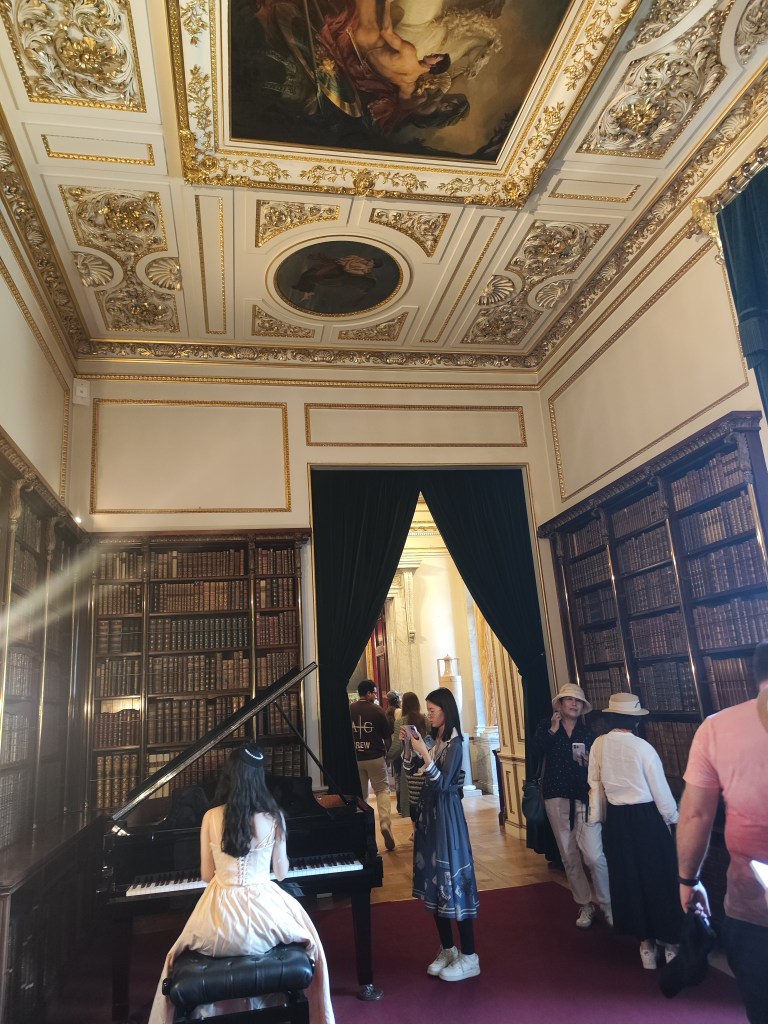
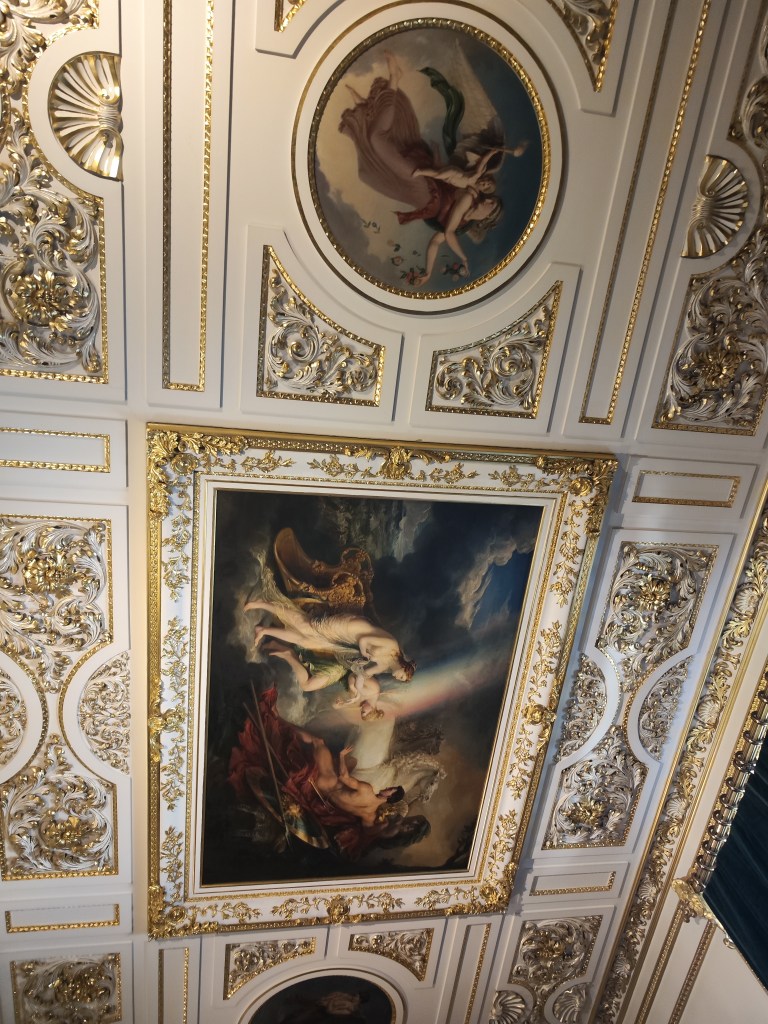
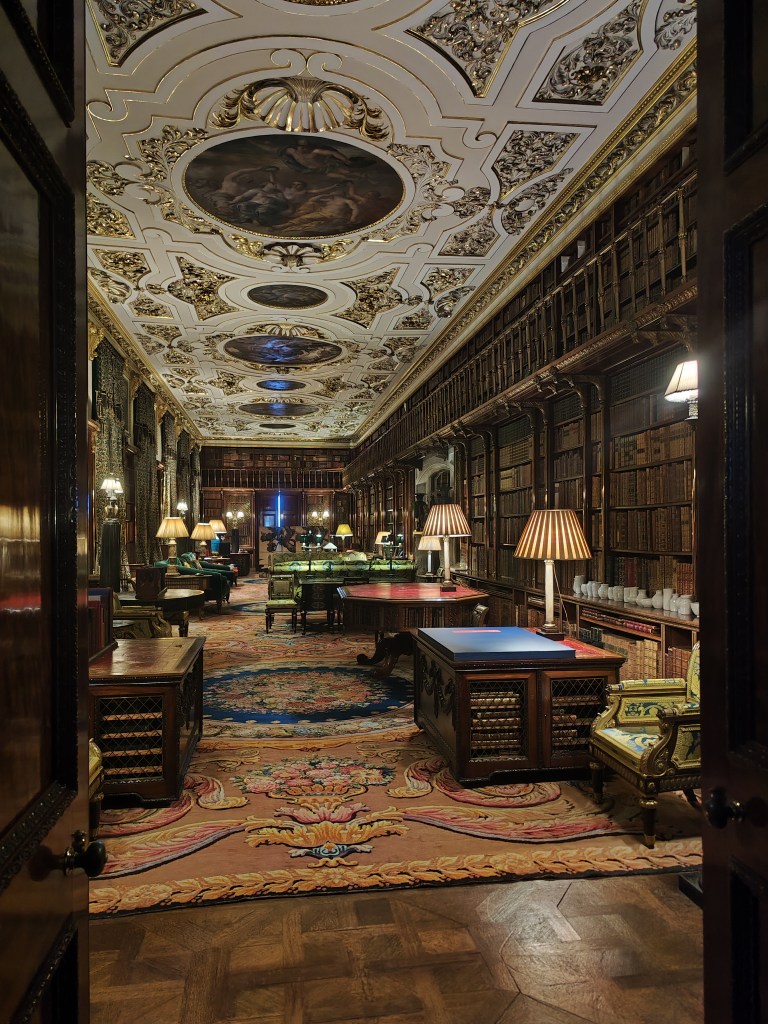
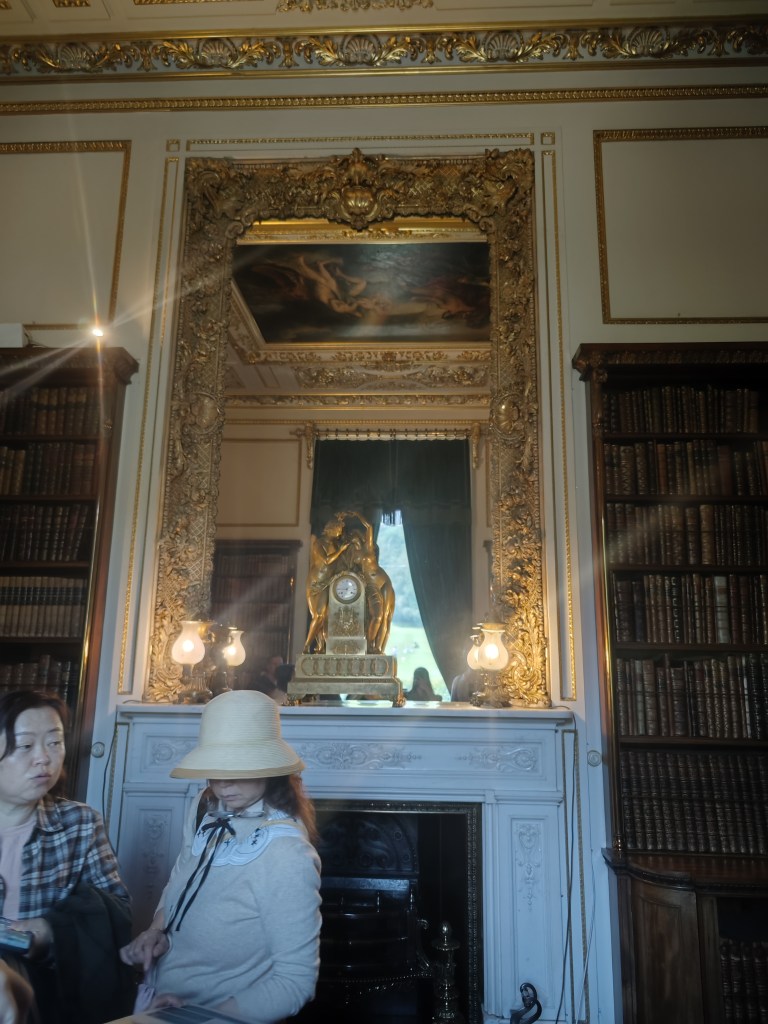
Home to the Devonshire family for over 500 years, the house continues to evolve. Alongside centuries-old masterpieces, visitors encounter contemporary art installations that sit comfortably among historic treasures.
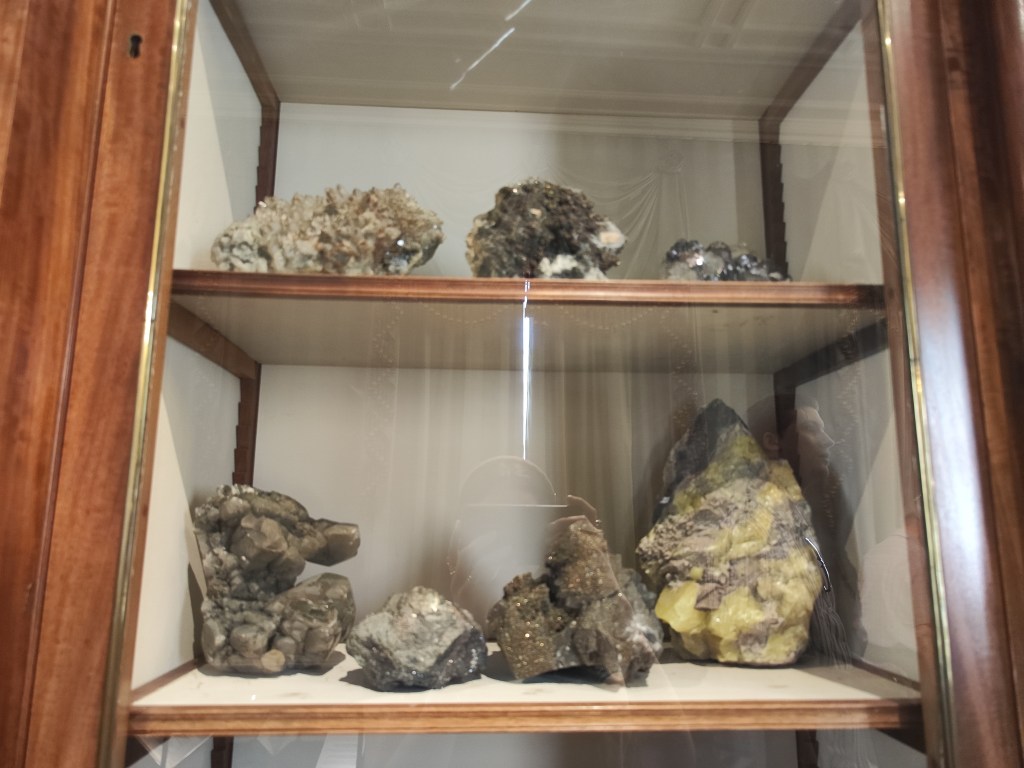
The estate has always embraced innovation. Generations of the Devonshire family were known for collecting art, supporting artists, and experimenting with landscape design long before such ideas became fashionable.
This spirit of creativity remains visible today, making Chatsworth feel less like a museum and more like a living cultural institution.
- #wine
- ¡Hola mundo!
- Blog & Travelling
- Dance and Fusion
- Danza Española
- Escuela Bolera
- Flamenco
- Writing & Thoughts
Hidden Stories in the Gardens
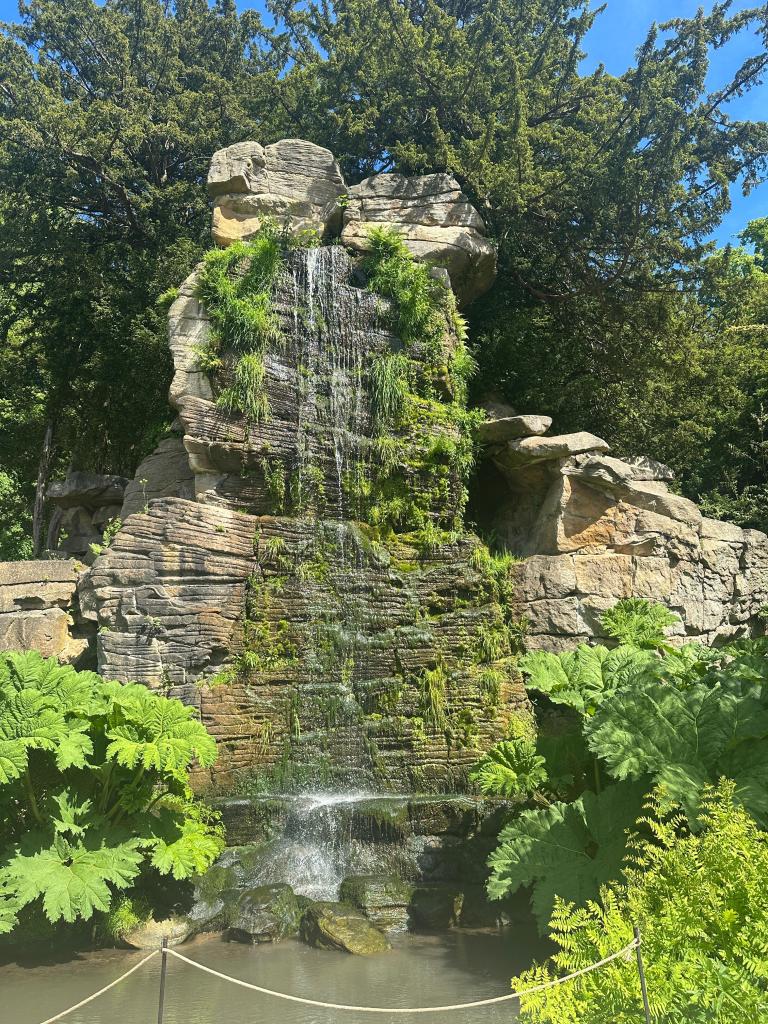
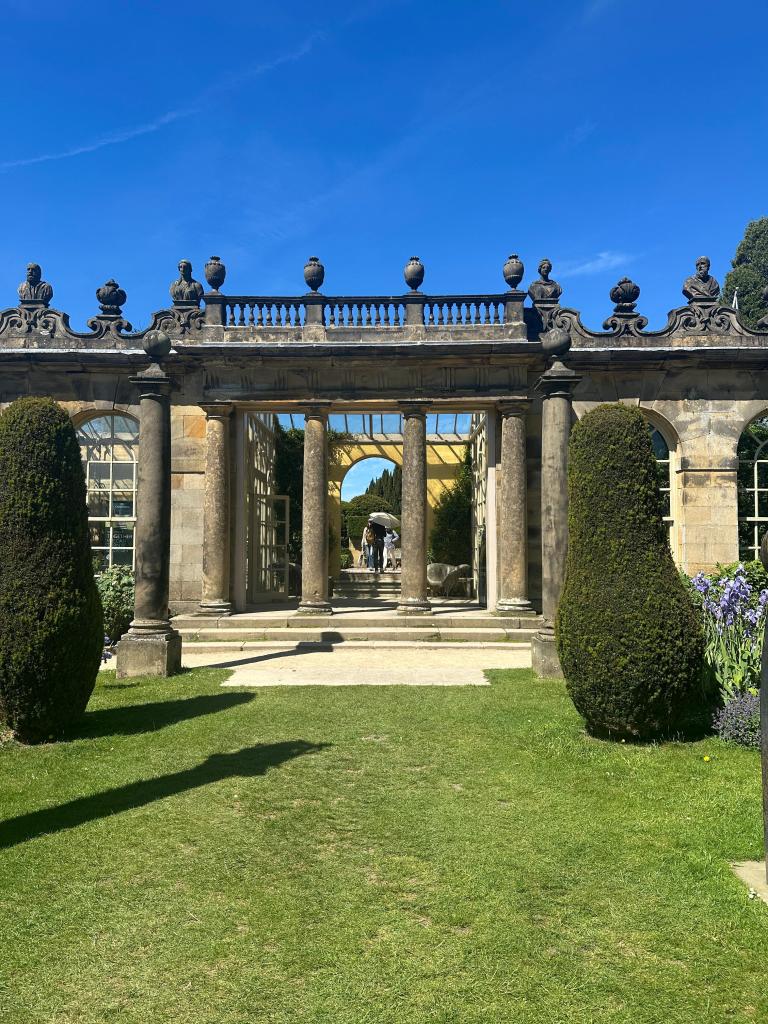
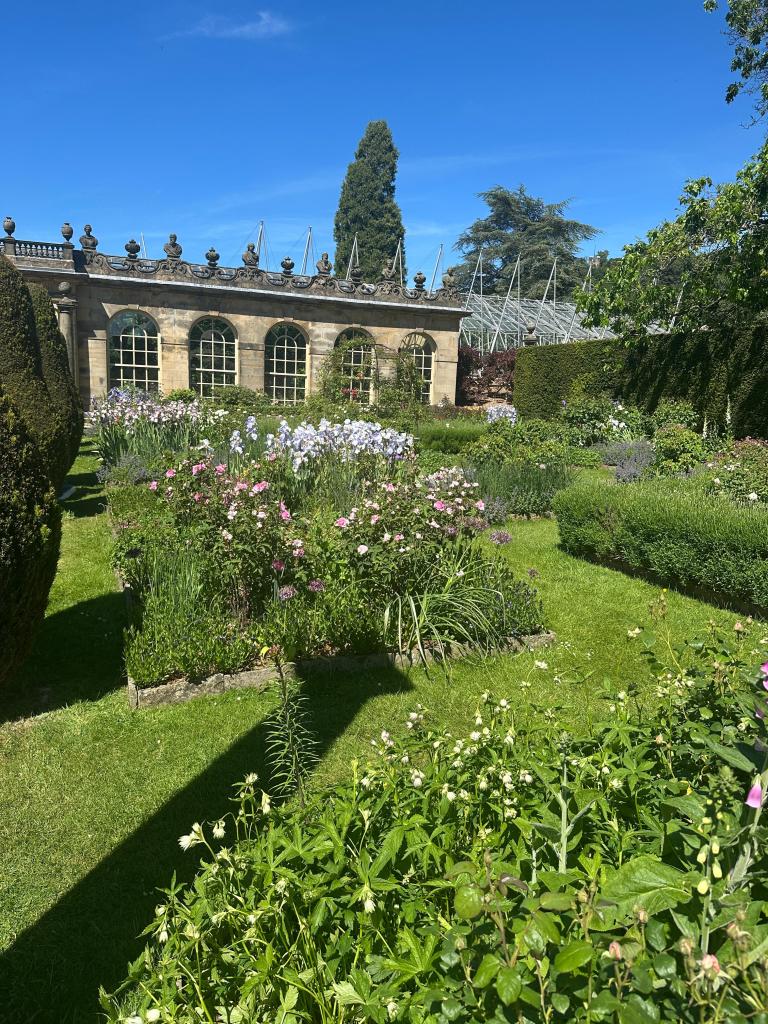
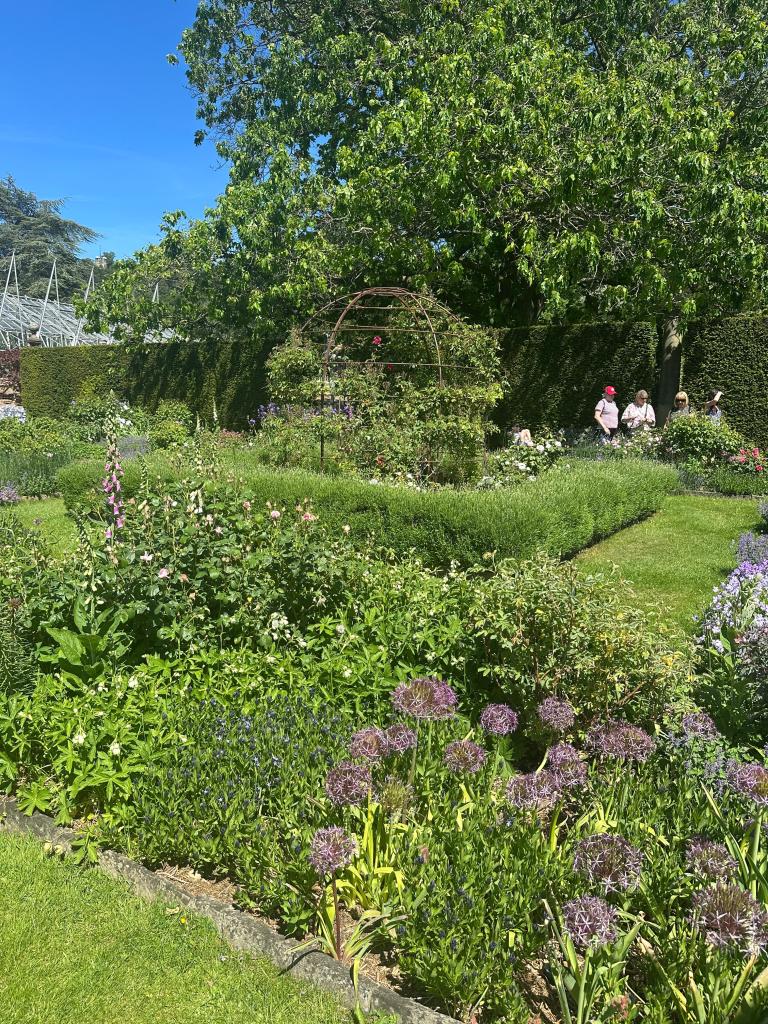
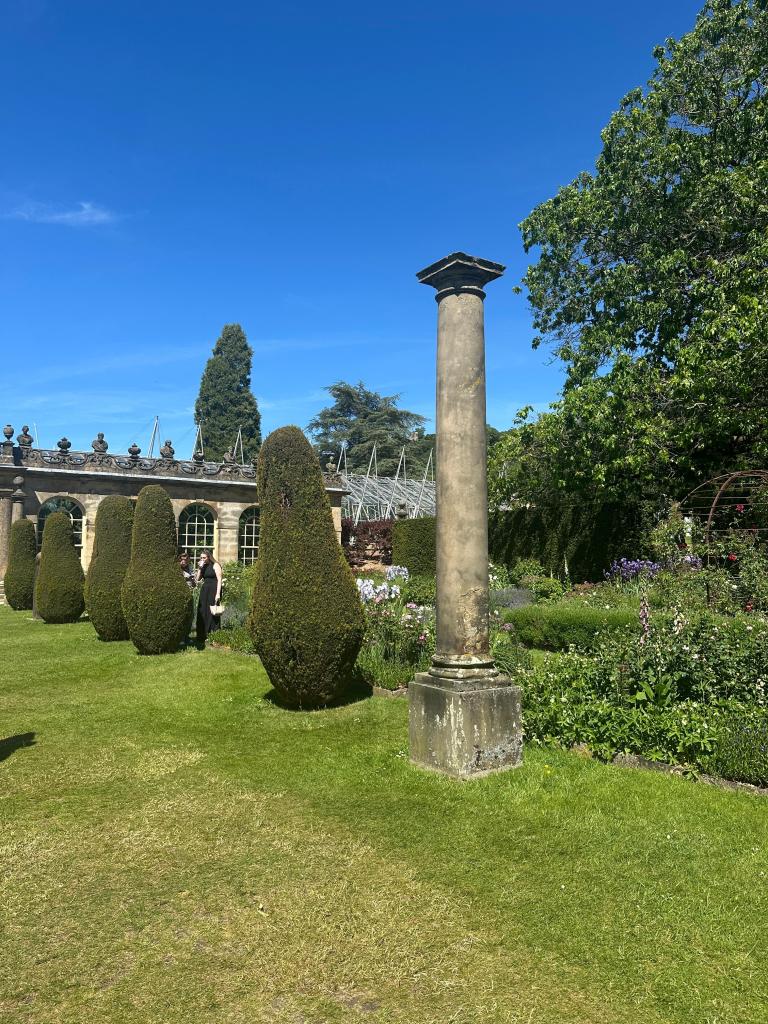
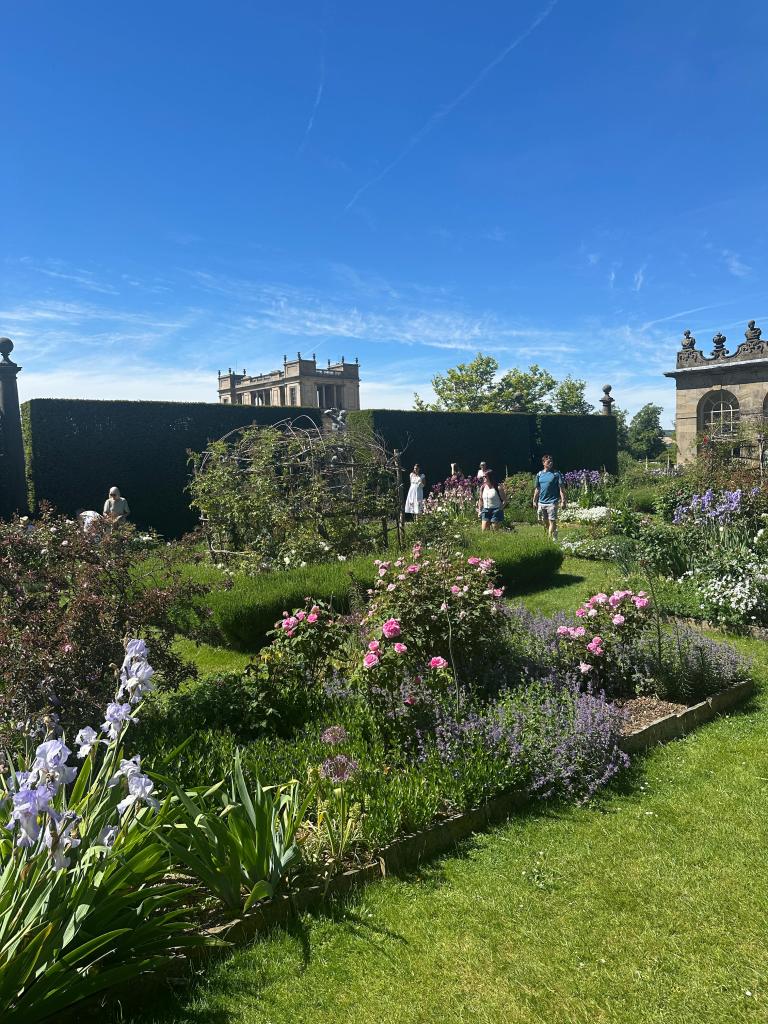
The gardens are filled with remarkable details that many visitors overlook.
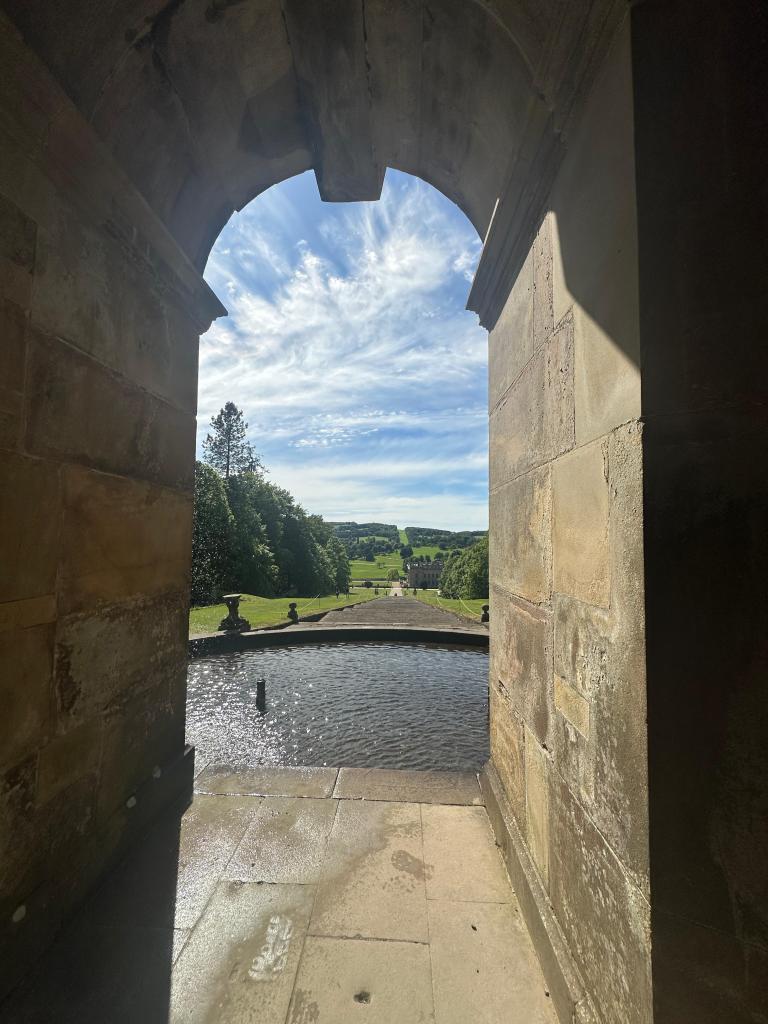
The famous Cascade, completed in 1696, was engineered not only to be beautiful but also to demonstrate technical ingenuity. Visitors still enjoy testing the “musical” qualities of its stone steps, each creating a different sound as water rushes over them.
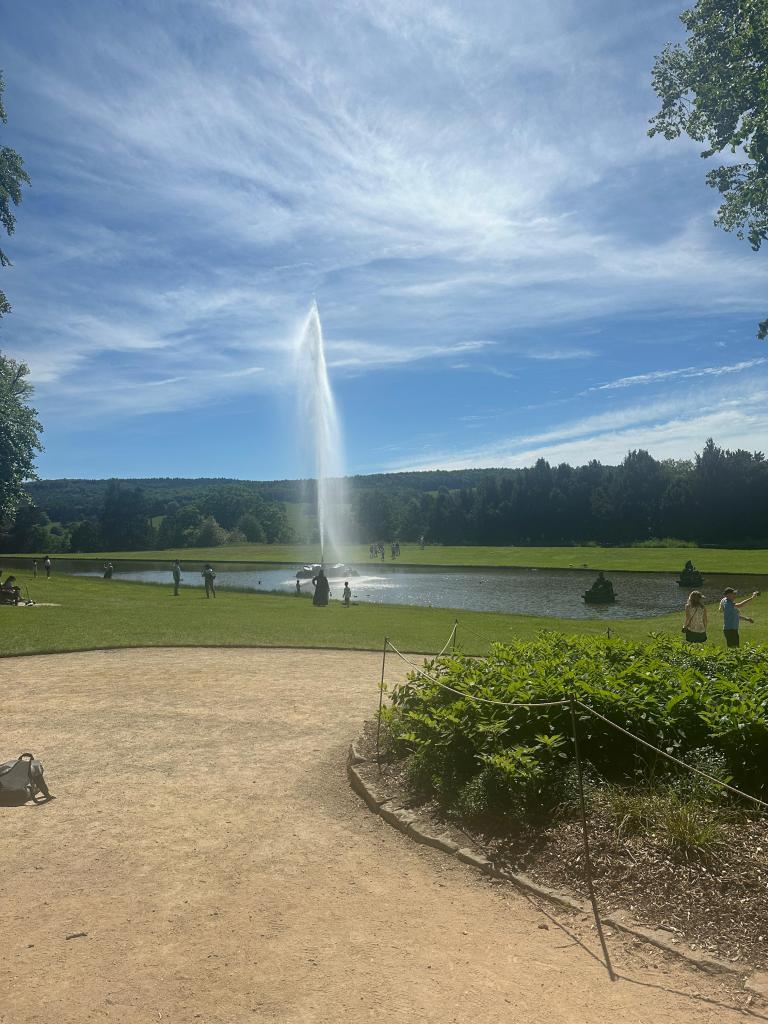
The Emperor Fountain, meanwhile, was built in anticipation of a visit from Tsar Nicholas I of Russia. Although the Tsar never actually visited, the fountain remains one of the estate’s most iconic features, a spectacular reminder of Victorian ambition and engineering.
Even the trees tell stories. Some specimens planted centuries ago continue to thrive, standing as silent witnesses to changing fashions, political upheavals, and generations of visitors.
More Than a Visit
What struck me most about Chatsworth was the sense that every path, room, and garden feature contains another story waiting to be discovered.
You arrive expecting a beautiful house.
Instead, you find connections to poets like Byron, echoes of Austen’s Pemberley, landscapes that inspired Charlotte Brontë, and centuries of artistic and cultural history woven into every corner of the estate.
Chatsworth is not simply somewhere to admire.
It is somewhere to wander, wonder, and imagine.
And perhaps that is why, centuries after it was first built, it continues to capture hearts in exactly the same way.
If you’re are around Derbyshire don’t miss this opportunity and get your tickets!