
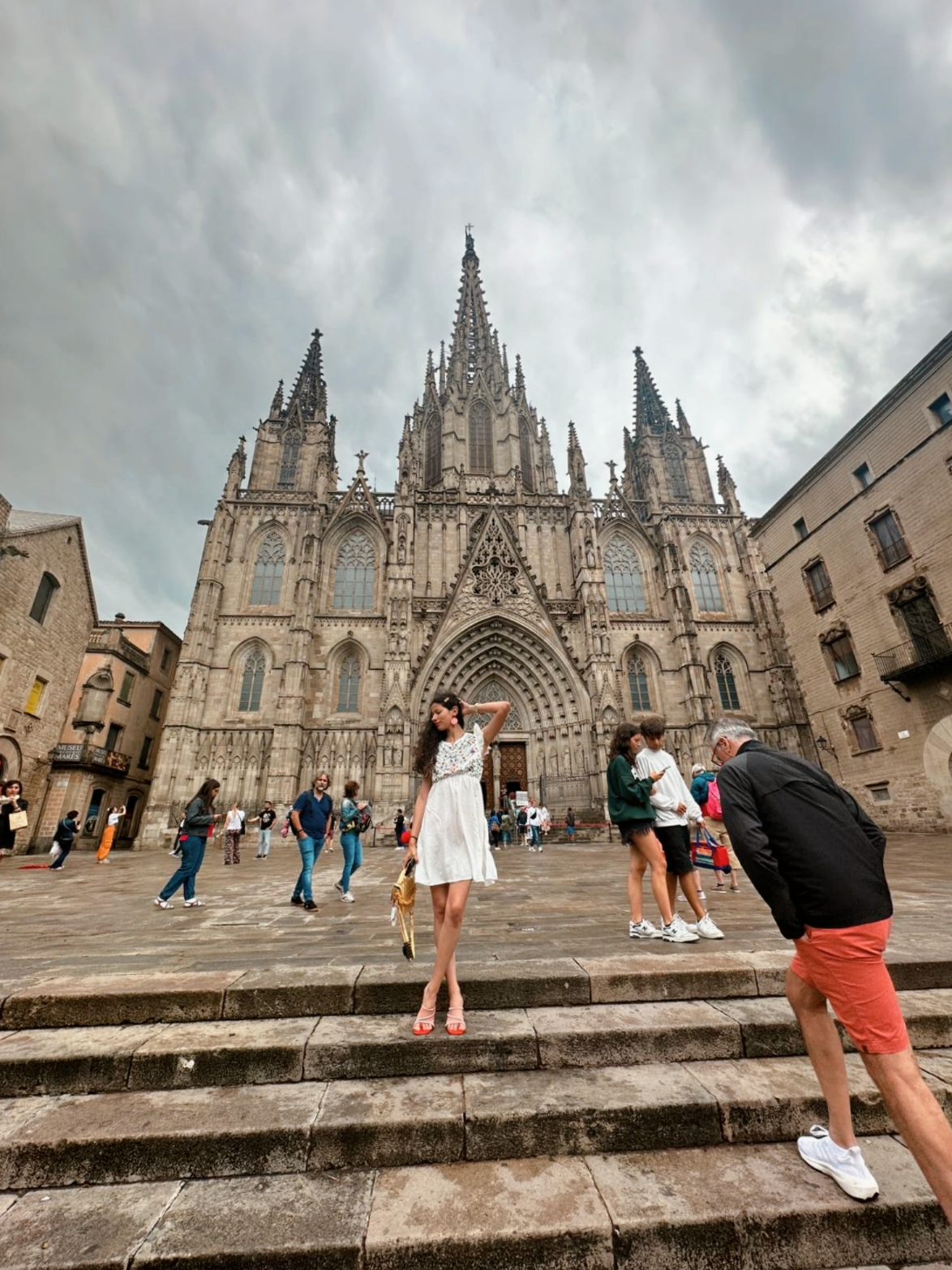
First of all, there is too much to see in this city, and it’s incredibly hot.
Today’s tour was going to be long, I mean… for you, it’s going to be just lots of beautiful sentences, as for us, it was quick walking no stop, but fun.
On today’s itinerary, there is:
- Casa Batllò
- Barcelona Cathedral
- La Rambla
- Pueblo Español
- Eat, my husband is learning Ramadan is not what we want
- Any other random spot we find on the way!
Casa Batllò

Choose your experience to visit by clicking on me.
In my opinion, my favourite house, let’s talk about it:
Originally, the building was built in 1877 by Emilio Sala Cortés (one of Gaudí’s architecture professors), when there was still no electric light in Barcelona. In 1903 it was acquired by Mr. Josep Batlló y Casanovas, a textile industrialist who owned several factories in Barcelona and a prominent businessman.

D. Josep Batlló granted complete creative freedom to Antoni Gaudí, commissioning him to carry out works that initially consisted of demolishing the building. However, thanks to Gaudí’s audacity, the collapse of the House was ruled out, carrying out a comprehensive renovation between 1904 and 1906.
The architect completely changed the façade, redistributing the interior partitions, expanding the light well and turning the interior into a true work of art. In addition to its artistic value, the work has enormous functionality, more typical of our time than of the past. There are even those who see in it precursor elements of the architectural avant-garde of the late 19th century.
Currently, Casa Batlló is a UNESCO World Heritage Site and an icon of Barcelona, an essential stop to discover the work of Gaudí and modernism at its best. It is also one of the best-rated cultural and tourist attractions, welcoming 1 million visitors a year.
The front of the house has beautiful tones of blue, yellow some pink, and other colours. Walking through the house, the details never cease to surprise. The doors of the apartments are identified with letters with modernist features. The glass on each landing distorts the tiles of the light well, transforming them into beautiful water waves. The knobs and handrails have ergonomic shapes… It is a total work of art, where the artist intervenes in everything: design, color, shape, space and light.
From the community lobby on the ground floor, and through an imposing modernist fence, you access the private lobby of the Batlló family, the first stop on the visit. This space evokes an underwater atmosphere that transports you to the fantastic world of Jules Verne, with skylights that look like turtle shells, vaulted walls with sinuous shapes and a spectacular wooden staircase. Its handrail, carved from noble wood, represents the backbone of a large animal that rises through impossible gaps.
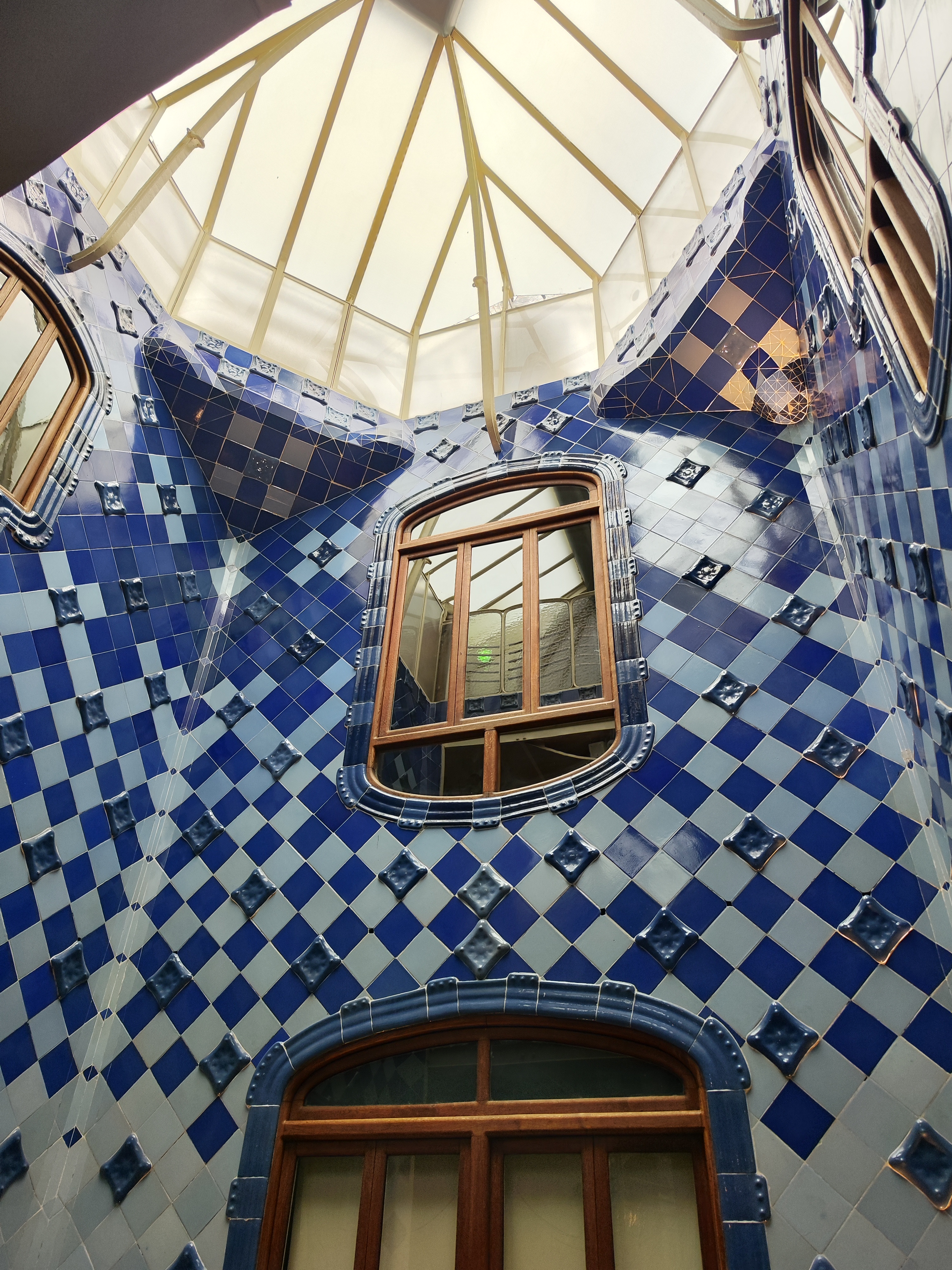


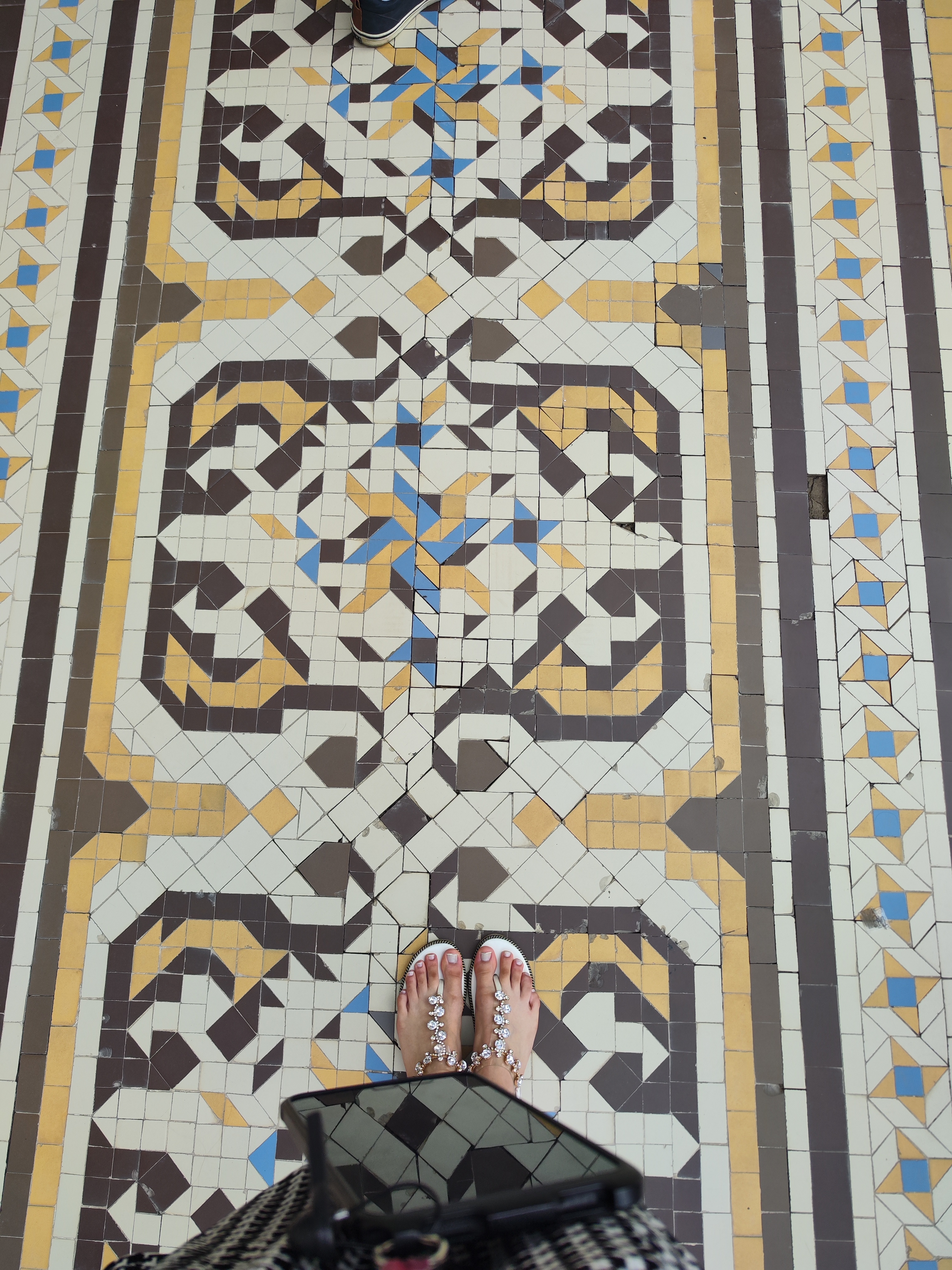
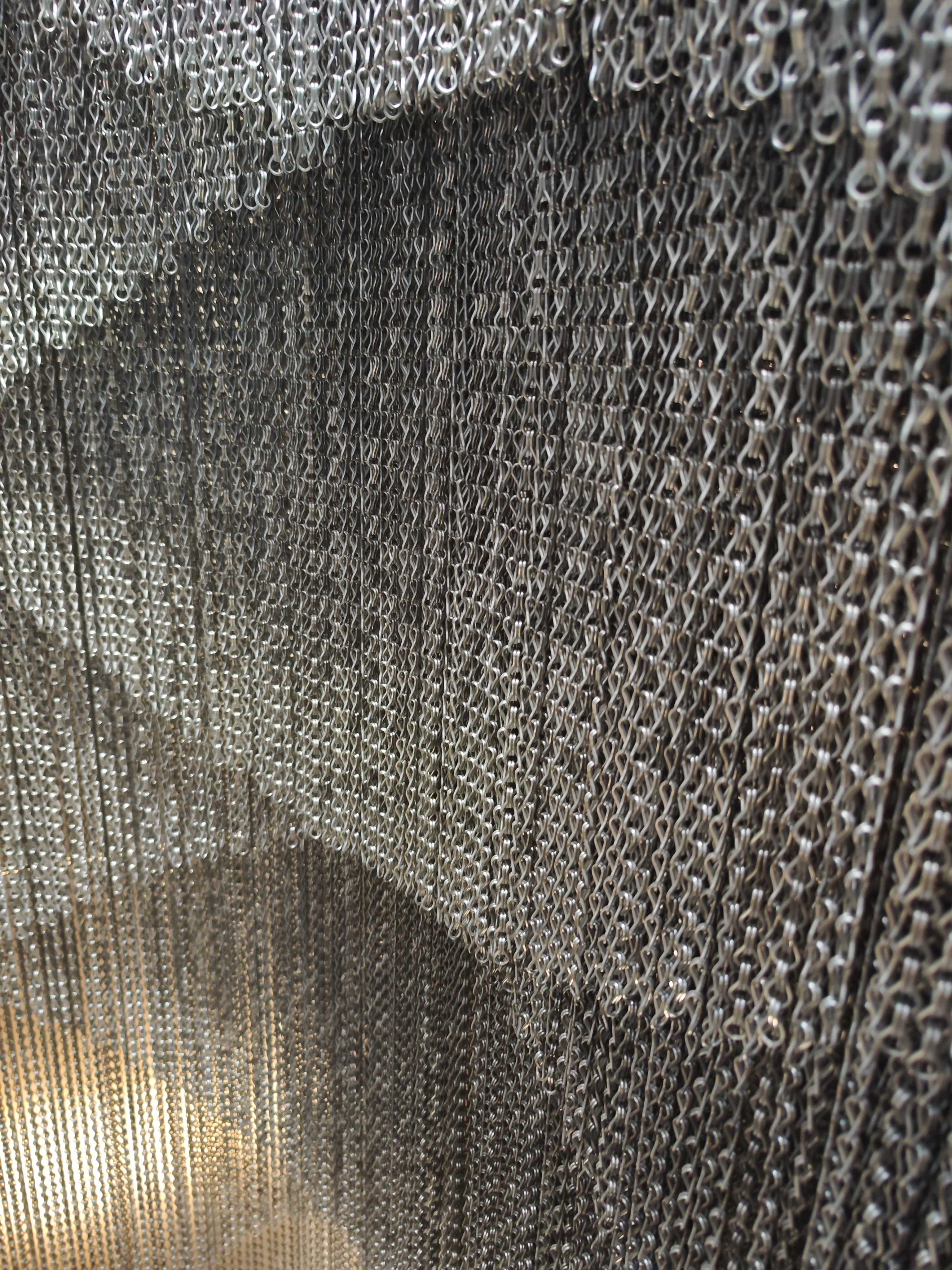


But can we talk about the main salon? The Noble Floor is the heart of the House, a unique living room that represents the maximum expression of modernism. Among other elements, the large oak doors with organic shapes in which Gaudí integrated coloured glass stand out, as well as a completely undulating roof, which alludes to the force of the sea.
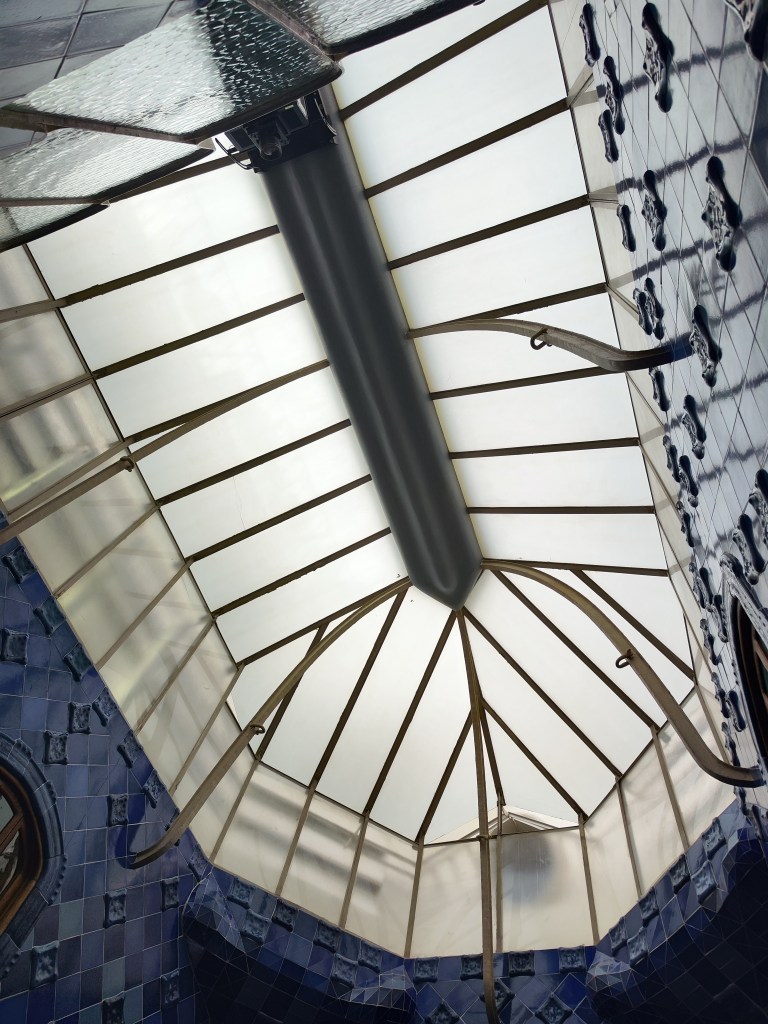
And the Patio de luces, the light well is a fundamental part of the House, since it distributes the air and light that enters through the main skylight. Oh no, I could talk about it for hours, I really felt like under the sea, curiosity I will tell you but they don’t say, that if you take a look up to the roof while going upstairs, it looks like there is a boat floating, amazing.
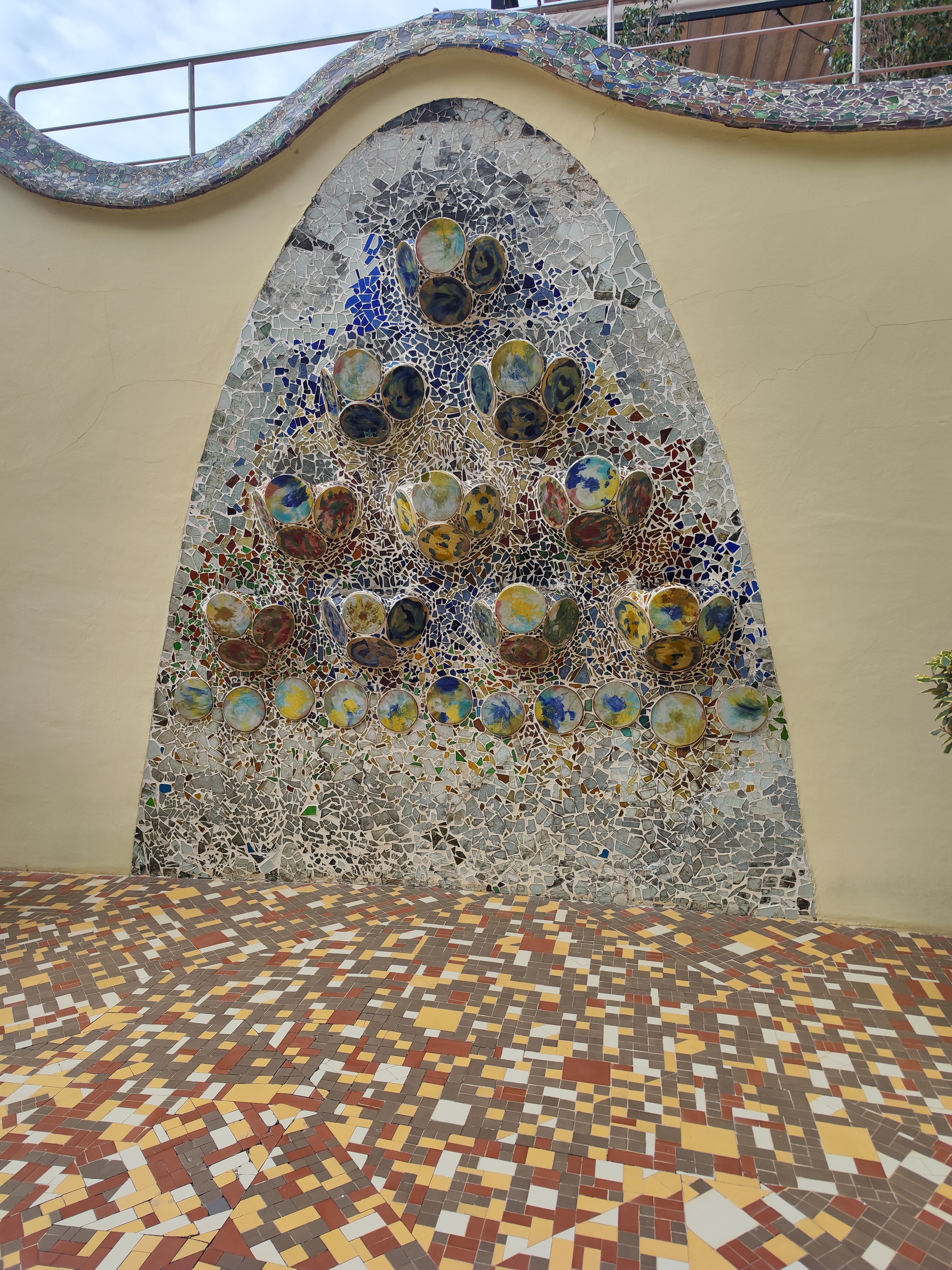
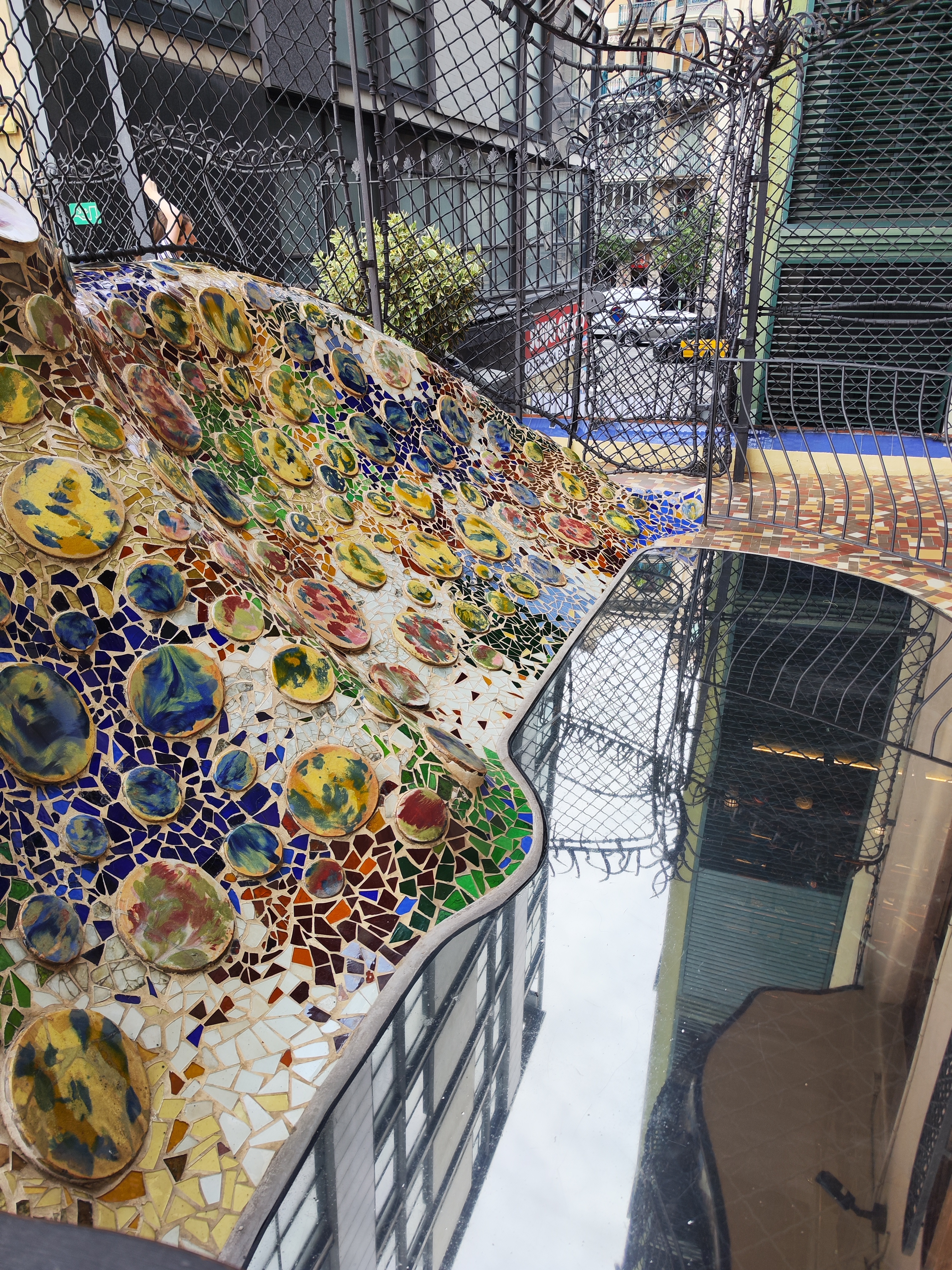
The garden was absolutely gorgeous as well, I feel very blessed. I had to save some of my excitement for today so, we headed to the Barcelona Cathedral (I struggled to get the tickets online, so we just decided to get in as proper lost people and ask :)).
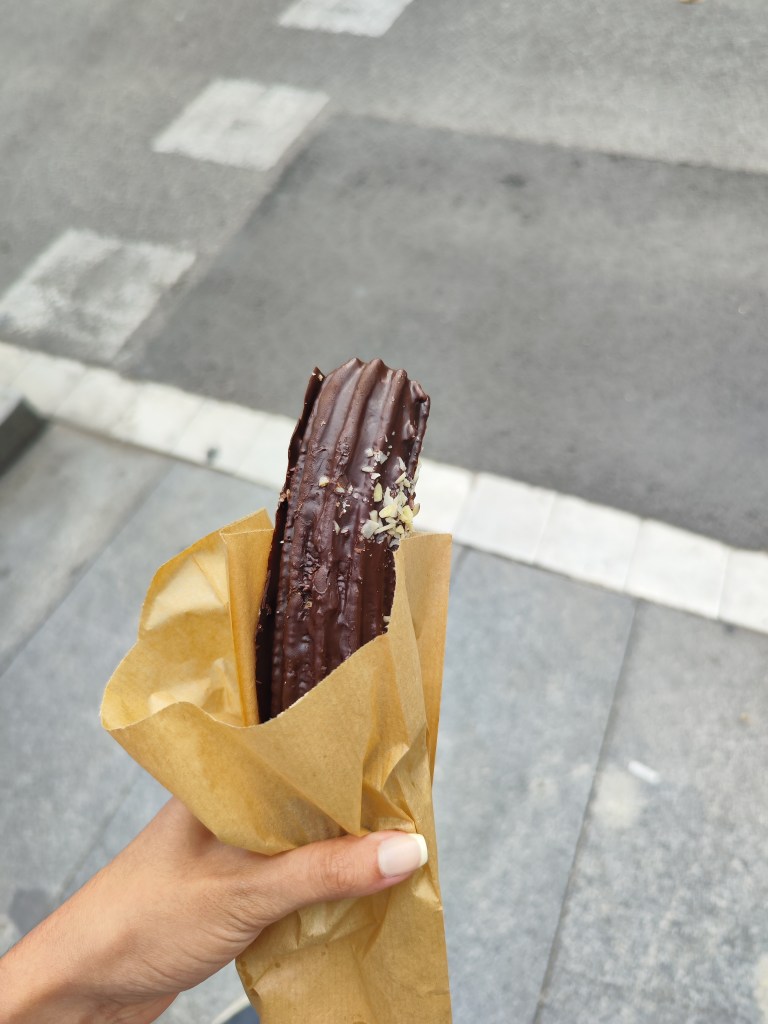
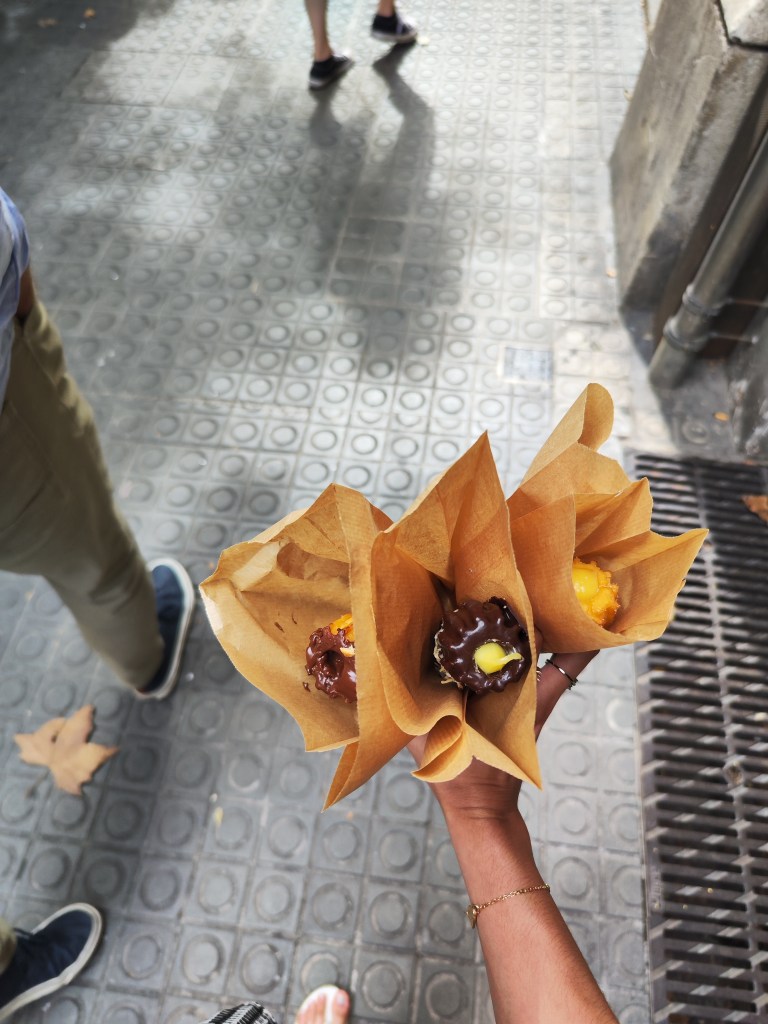
We also bought churros ;p

Catedral de Barcelona
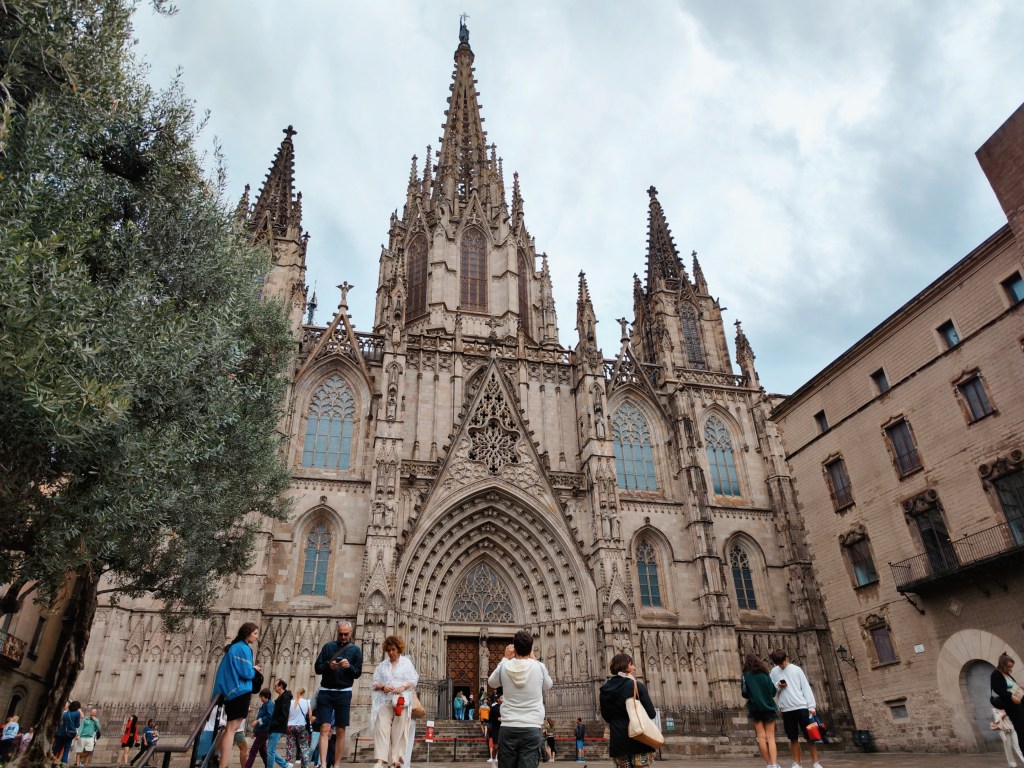
Even if this is the main cathedral of the city, La Cathedral del Mar got my heart.
The building consists of the temple and the cloister perfectly united by the same style.
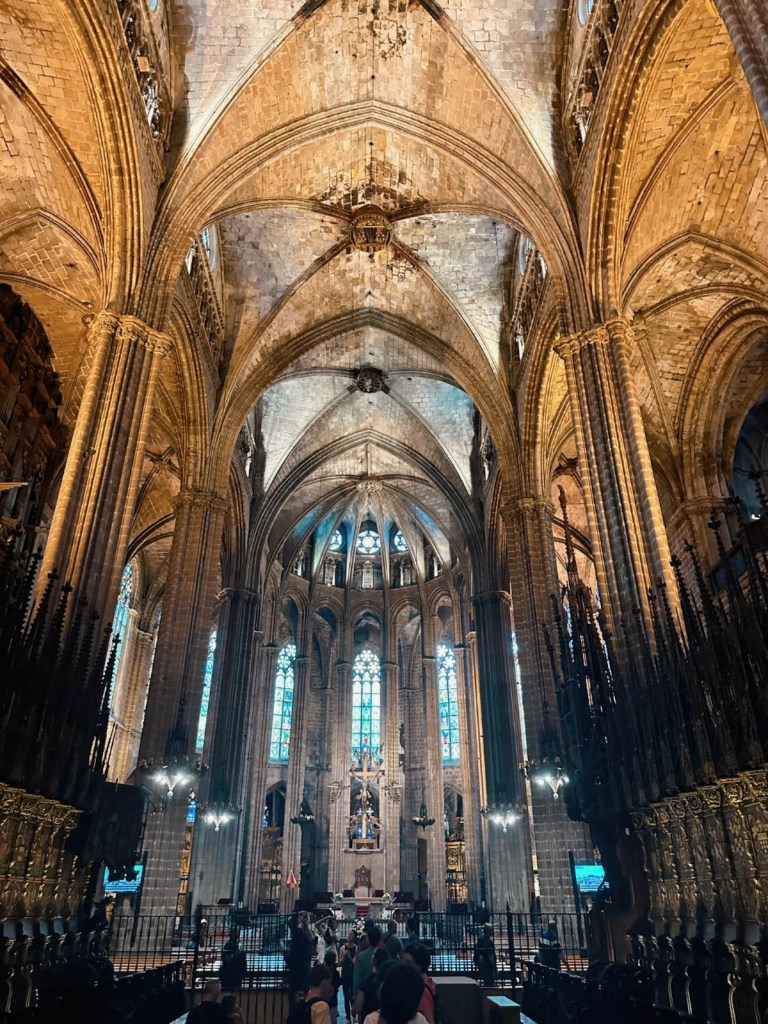
The cathedral is made up of three naves of the same height, the central one twice as wide as the side ones; From the false transept, the circulars join in an ambulatory, passing behind the presbytery and forming a semicircular arch, where nine chapels are housed covered by pointed arches of four sections and above these chapels are the Gothic stained glass windows that fill the room with light. Apse. There is a U-shaped gallery that is above the side chapels and above this gallery and the radial chapels of the ambulatory going around the entire central nave there is a false clerestory, from where you can see the vault keys at a short distance.

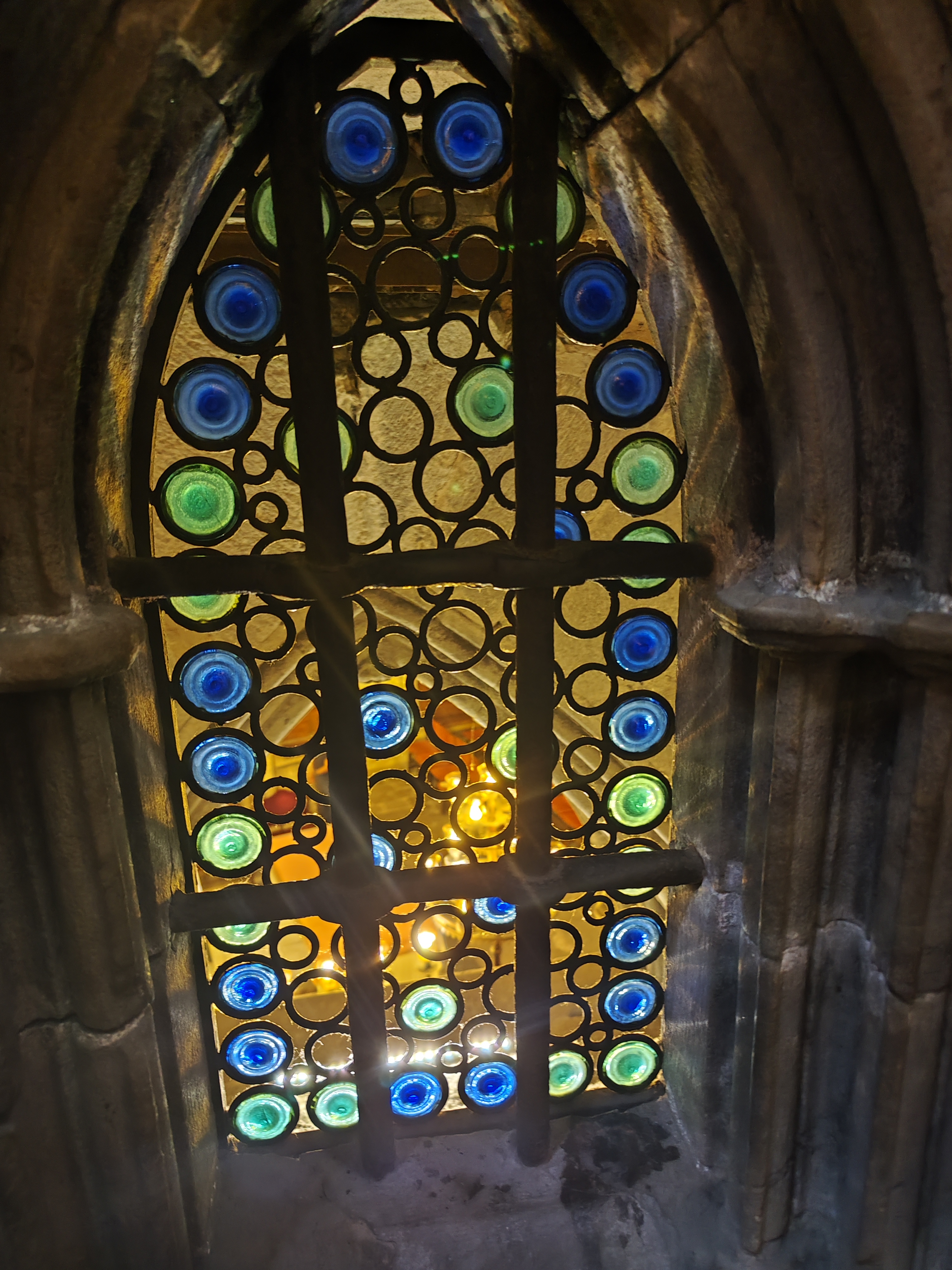
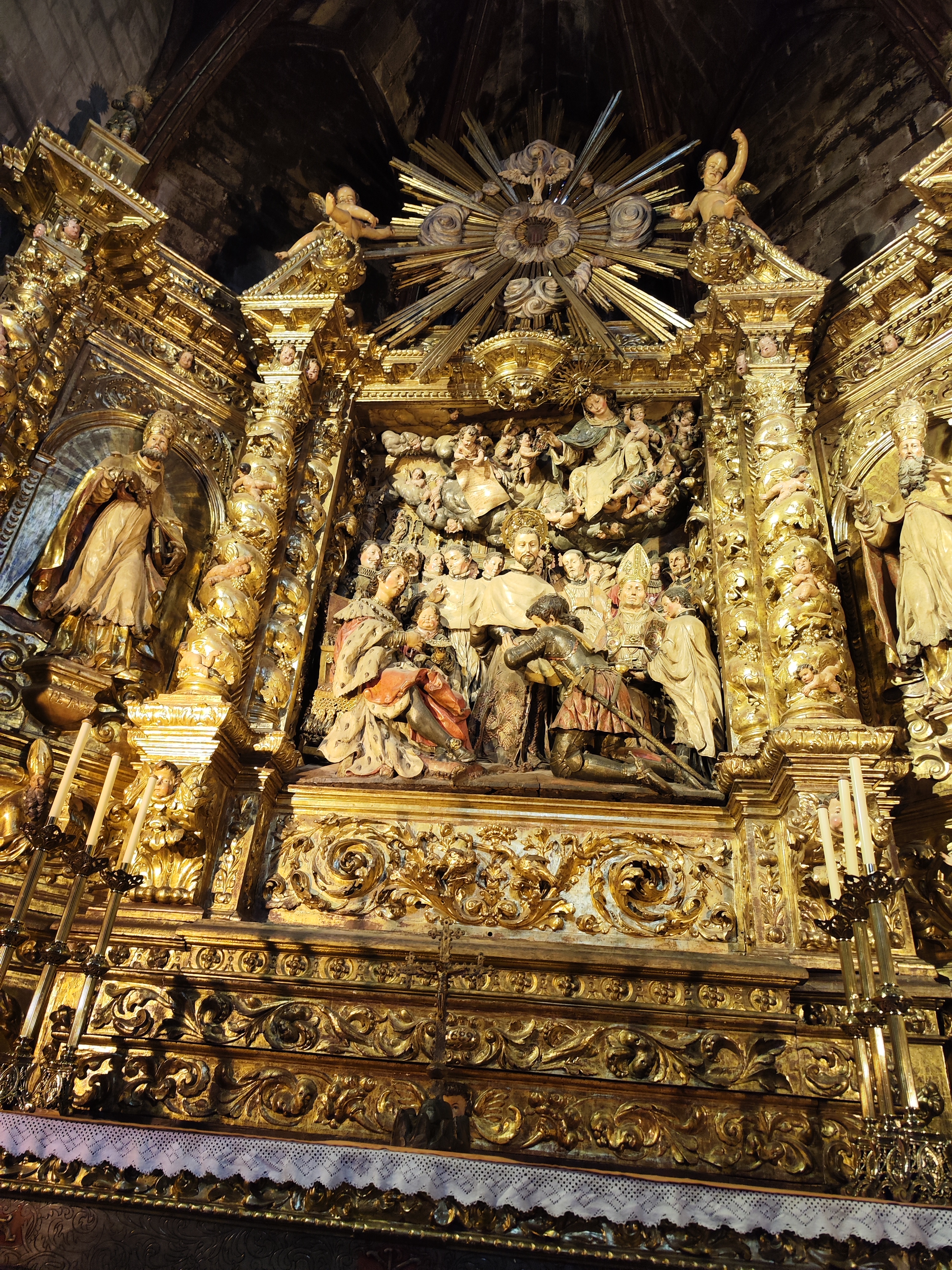

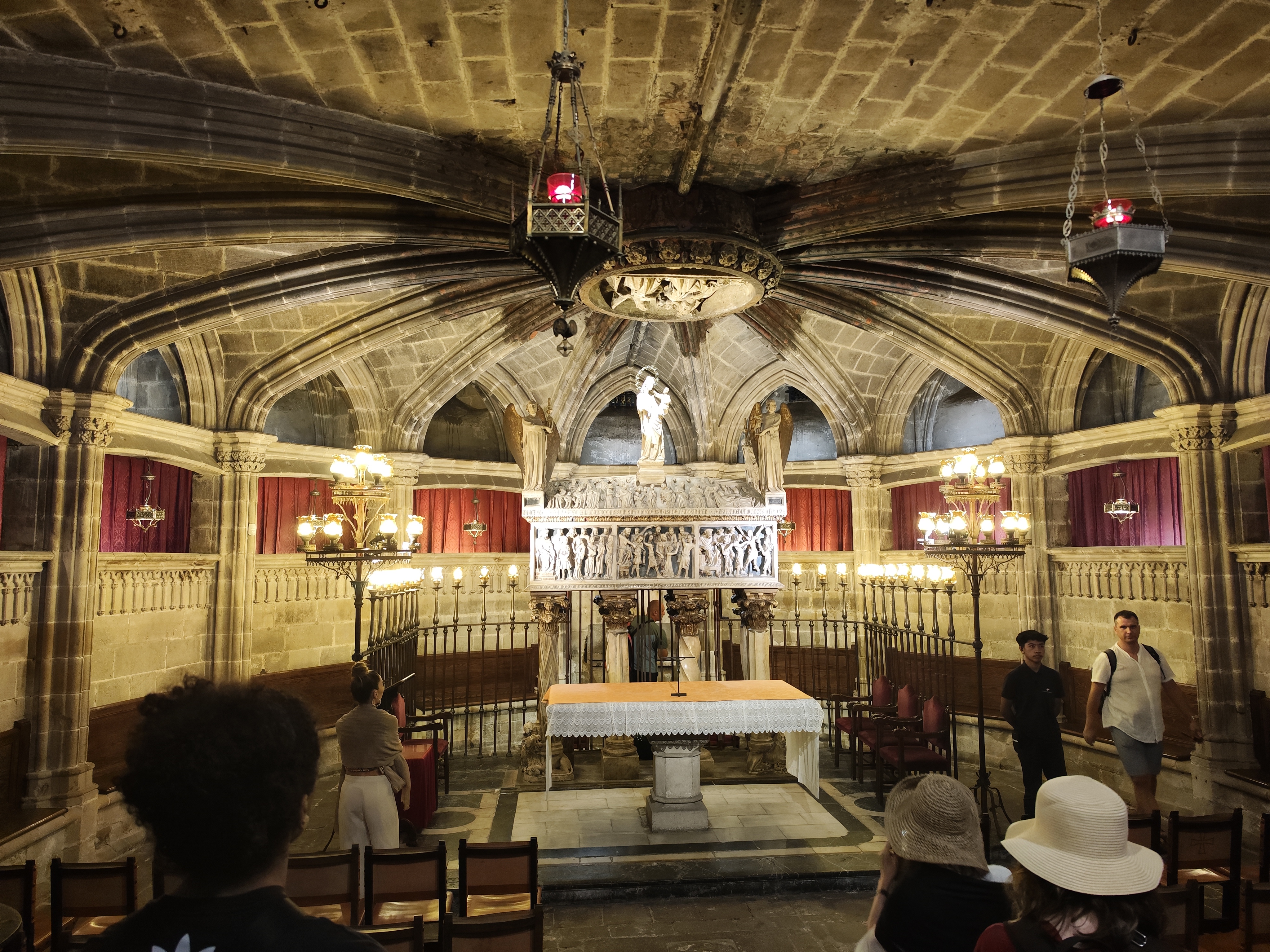

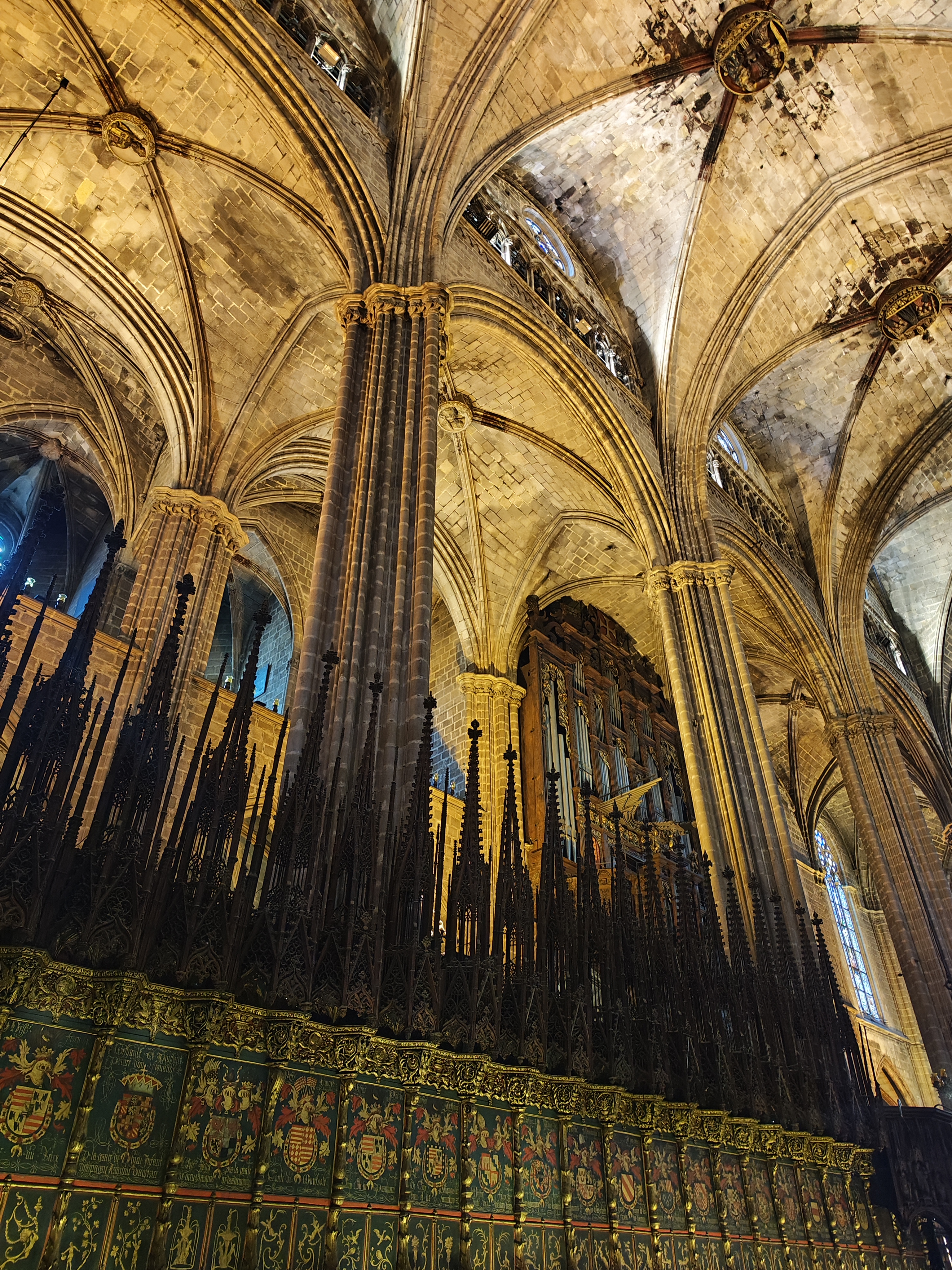
In the side naves, there are another 17 chapels, covered by pointed arches of six sections, with pointed arches at each entrance; There are two chapels placed between each buttress with an interior projection.
My favourite part of the Cathedral was the garden, even if my mum had told me it was more clean years ago.
The cloister is accessed through the exterior doors of La Piedad and Santa Eulalia, as well as the interior door of the cathedral located in the transept, made of white marble with archivolts with fine columns and a clearly Gothic tympanum.
This door that connects the cathedral with the cloister opens on the opposite side to the portal of San Ivo. Made of white Italian marble and Romanesque workmanship, although it is slightly pointed, it is currently believed that it was one of the side doors of the Romanesque cathedral, which was located in the same place,37 although during the 20th century different authors have been defending that it was the main door (moved and reduced to convert the semicircular arch into a pointed arch)38 or that it was a work imported from an Italian workshop. It has archivolts decorated with geometric motifs and on the capitals, the imposts and the abacuses there are sculpted themes from the Old and New Testament and fights between man and beasts. A later Gothic cresting has been added above the archivolts that help to integrate the door into the cathedral as a whole.

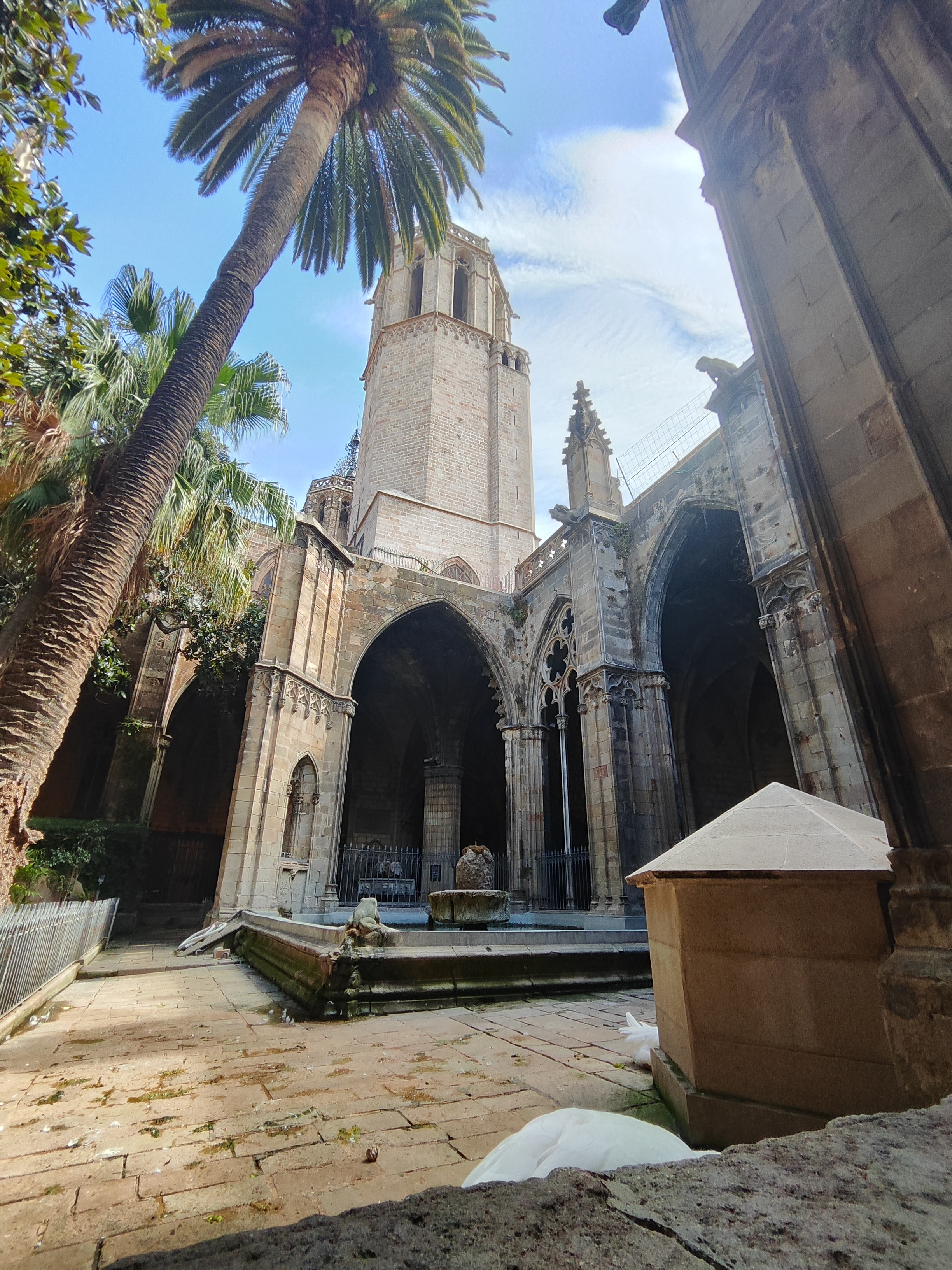


In the centre, there is a garden renovated at the end of the 19th century with magnolia trees large palm trees and thirteen white geese running around.
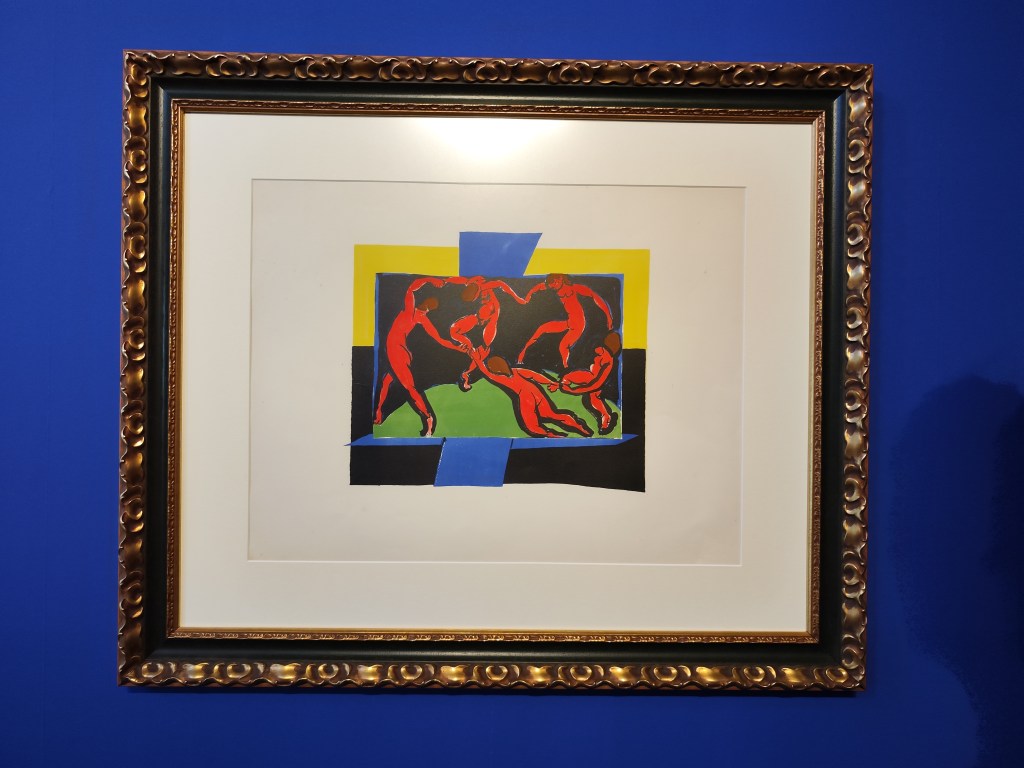
After we finished our tour around the garden we came out to visit the museum (The ticket we bought had access to a museum just right in front of the Cathedral). They had some portraits made by Mantisse and then the Museum of the Cathedral, which contains relics, and some other religious stuff.
La Rambla

You probably have heard about that famous word everyone talks about when they go to Barcelona: La Rambla, but what’s La Rambla?
It is an emblematic walk in the city of Barcelona that runs between the Plaza de Catalunya, the nerve centre of the city, and the old port. It is dotted with newsstands, flowers and others to replace the old stops for small animals (mainly birds), street actors, cafes, restaurants and shops. Markets are usually set up near the port, as well as painters and draftsmen.
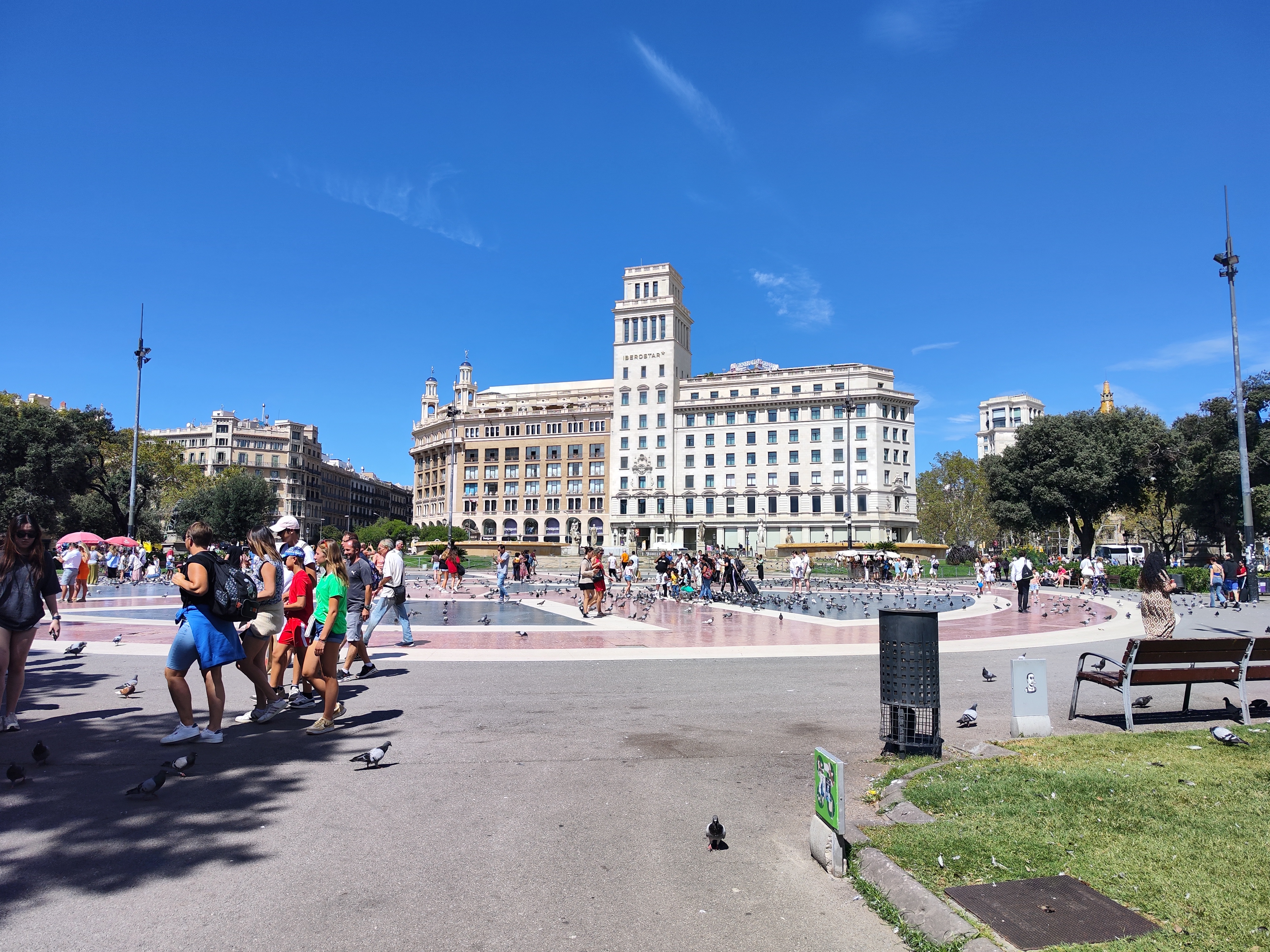
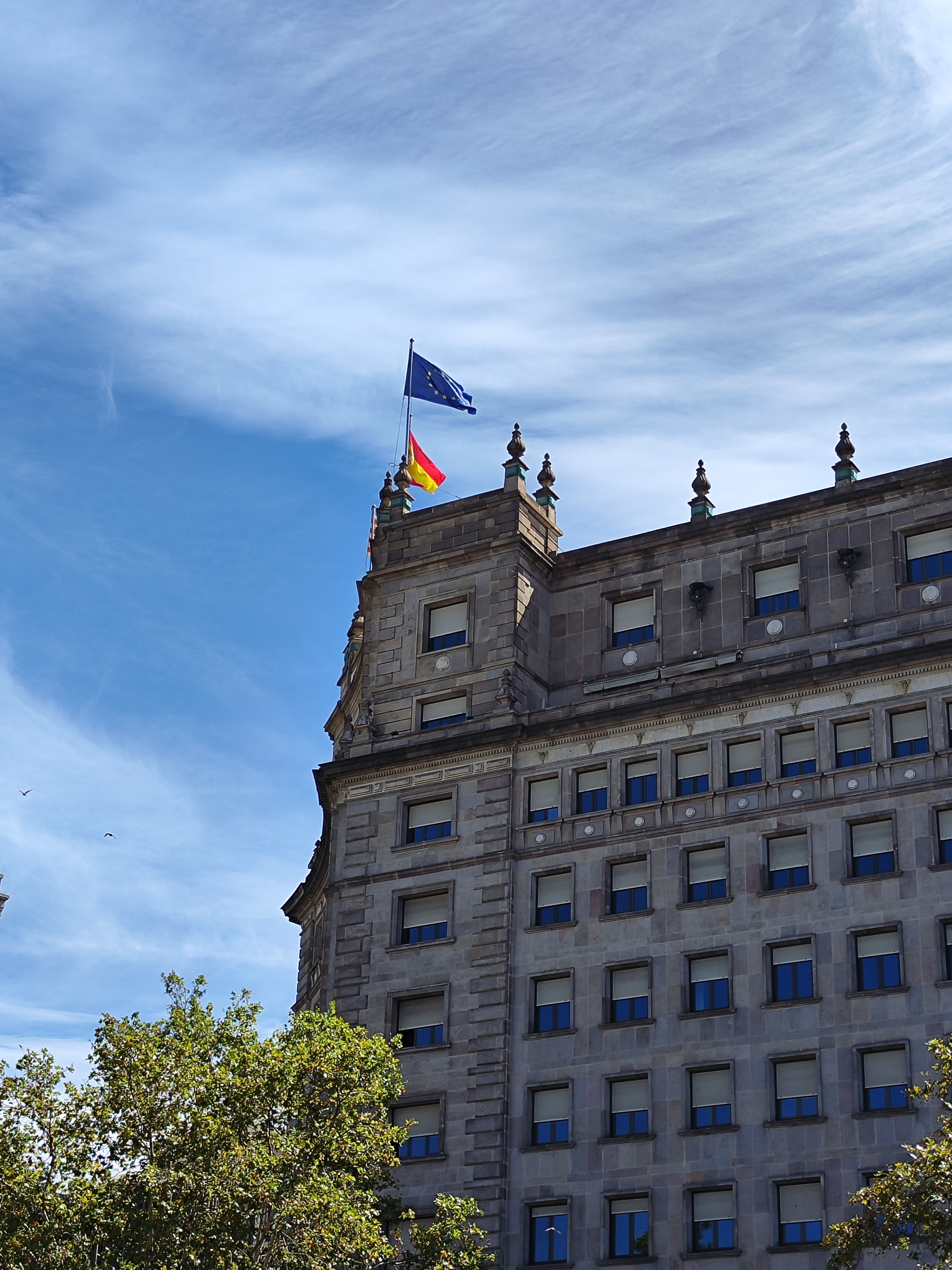
We just had a walk around until the Plaza de Catalunya and then headed to the Pueblo Español or as the Catalans say: “Poble Espanyol”.
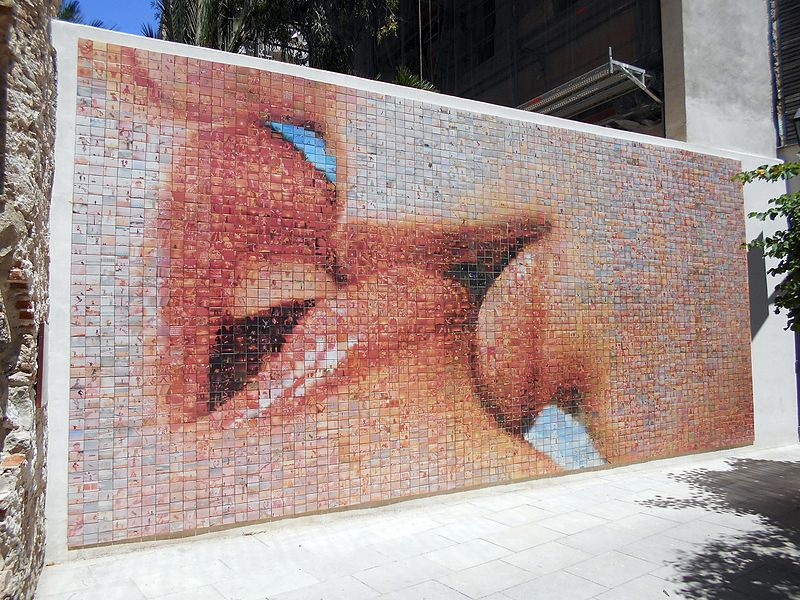
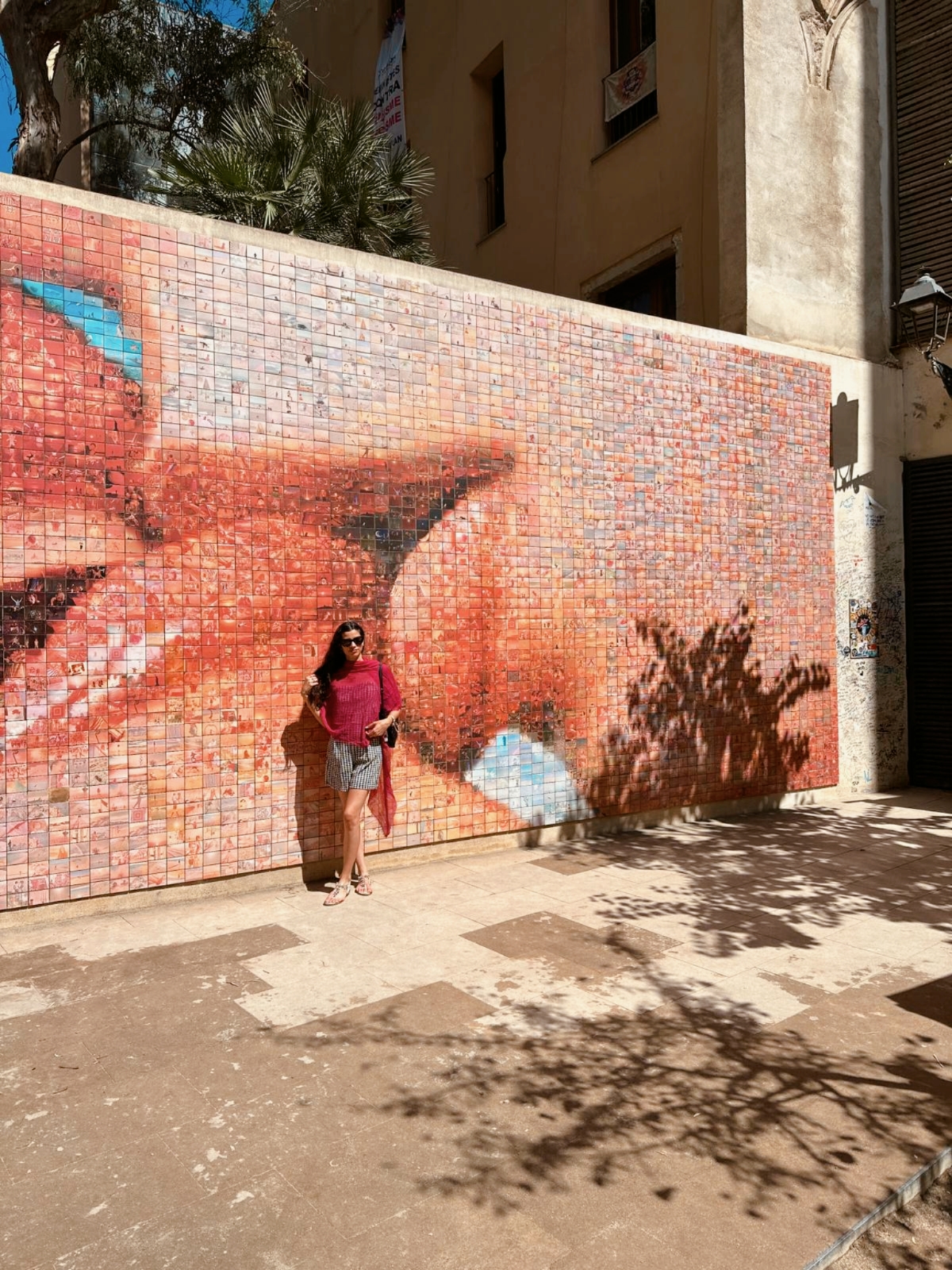
BTW, READ THIS, on our way to the Poble Espanyol we found the WALL, yes, the famous one: “The Kiss of Freedom”, but someone should tell my husband that if you see the Wall of the Kiss of Freedom you should kiss the wife! I’M ANGRY, Ok no.
Pueblo Español
Tickets for the best experience

It can be said that this place is a monumental summary of the different towns of Spain. As an urban collage, its 49,000 pedestrian square meters bring together representative examples of popular Spanish architecture. There are 117 buildings reproduced to scale that would form the “ideal model” of the Spanish town that would have the main characteristics of each region. Walking through its streets and squares will be like enjoying a trip through all areas of Spain.

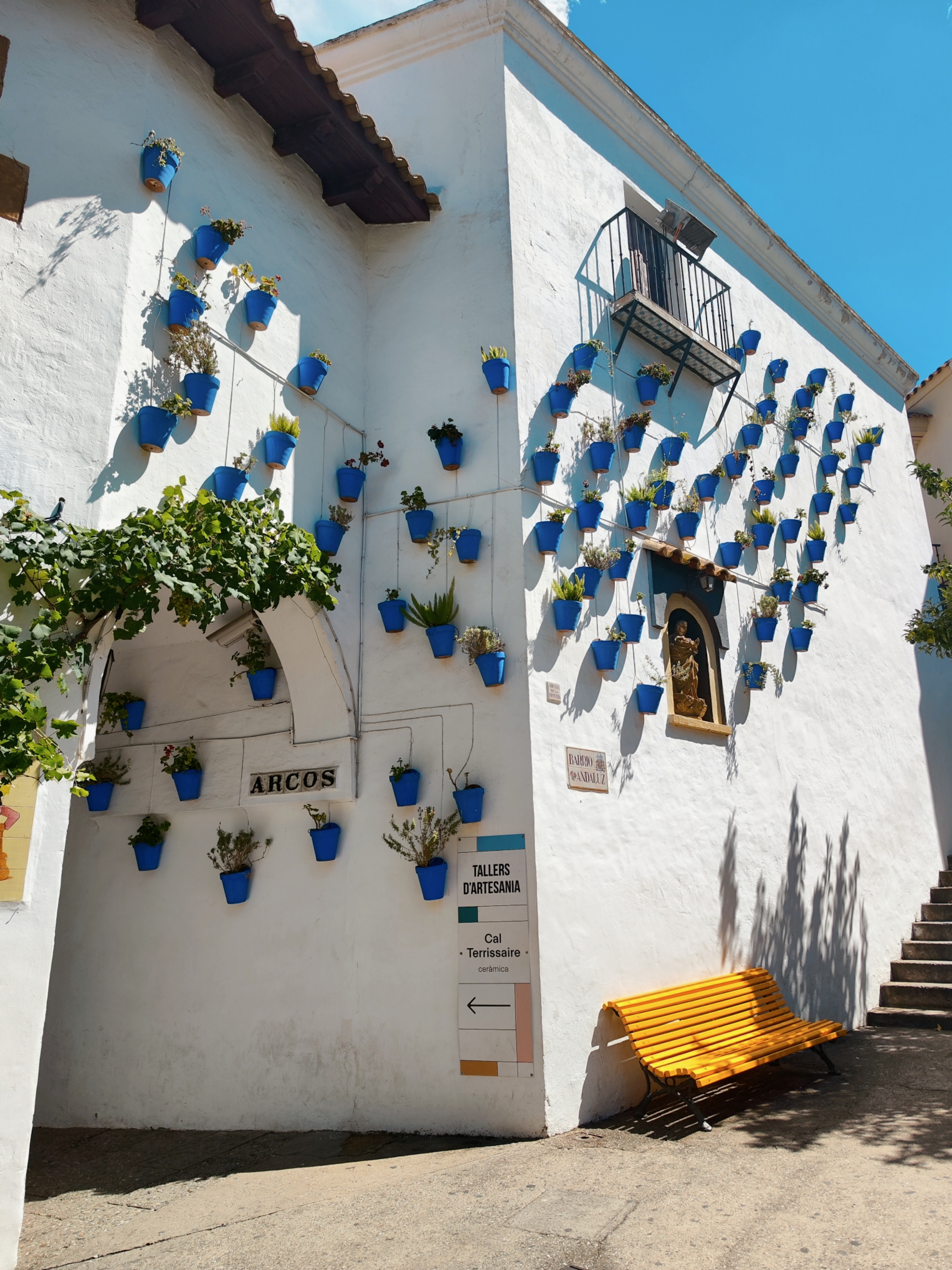


To get there was a bit difficult actually, as well as far away, we took the metro and then walked up the stairs that headed to the Museum of Contemporary Art of Catalunya (We’ll visit it later this week).
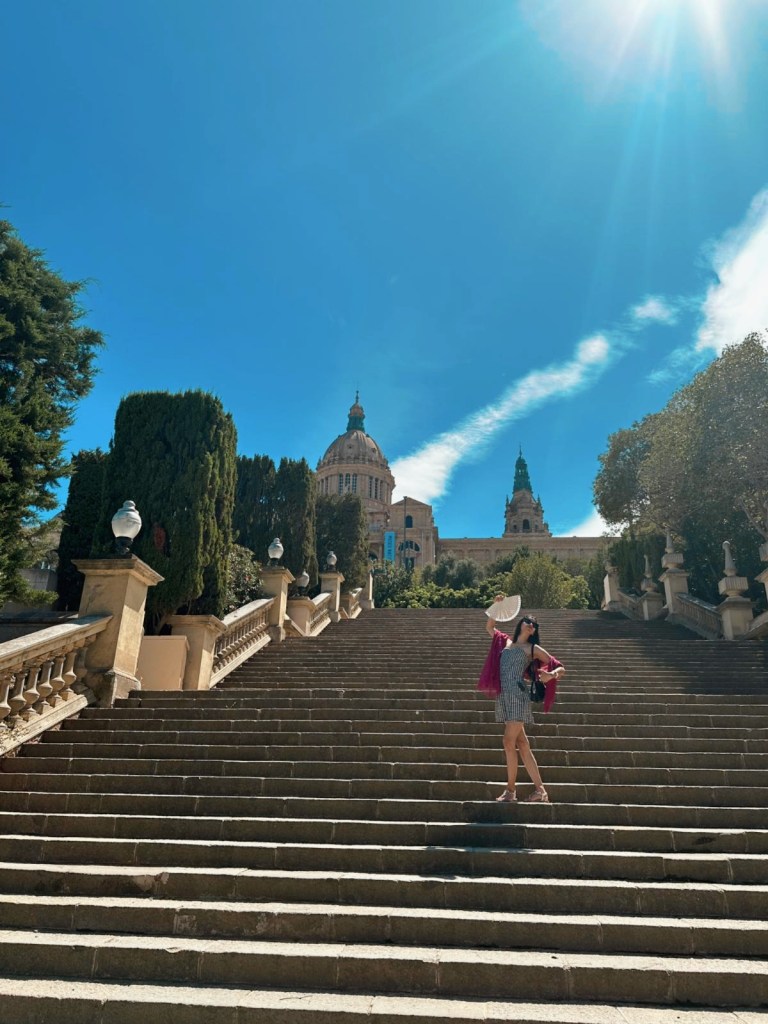
We also got lost… What matters is we got to the place and had an amazing time around the north and south of the tiny Spain.
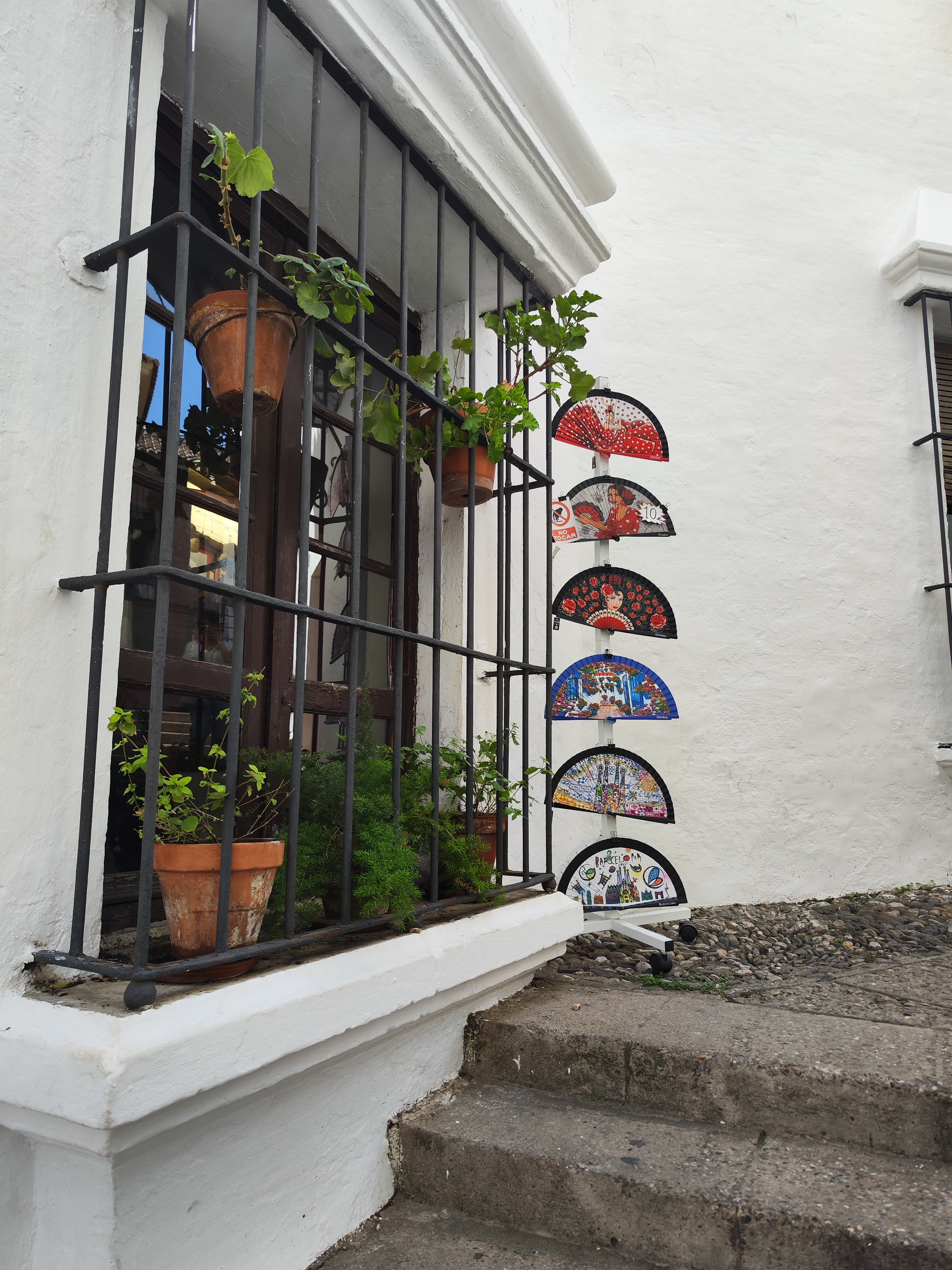
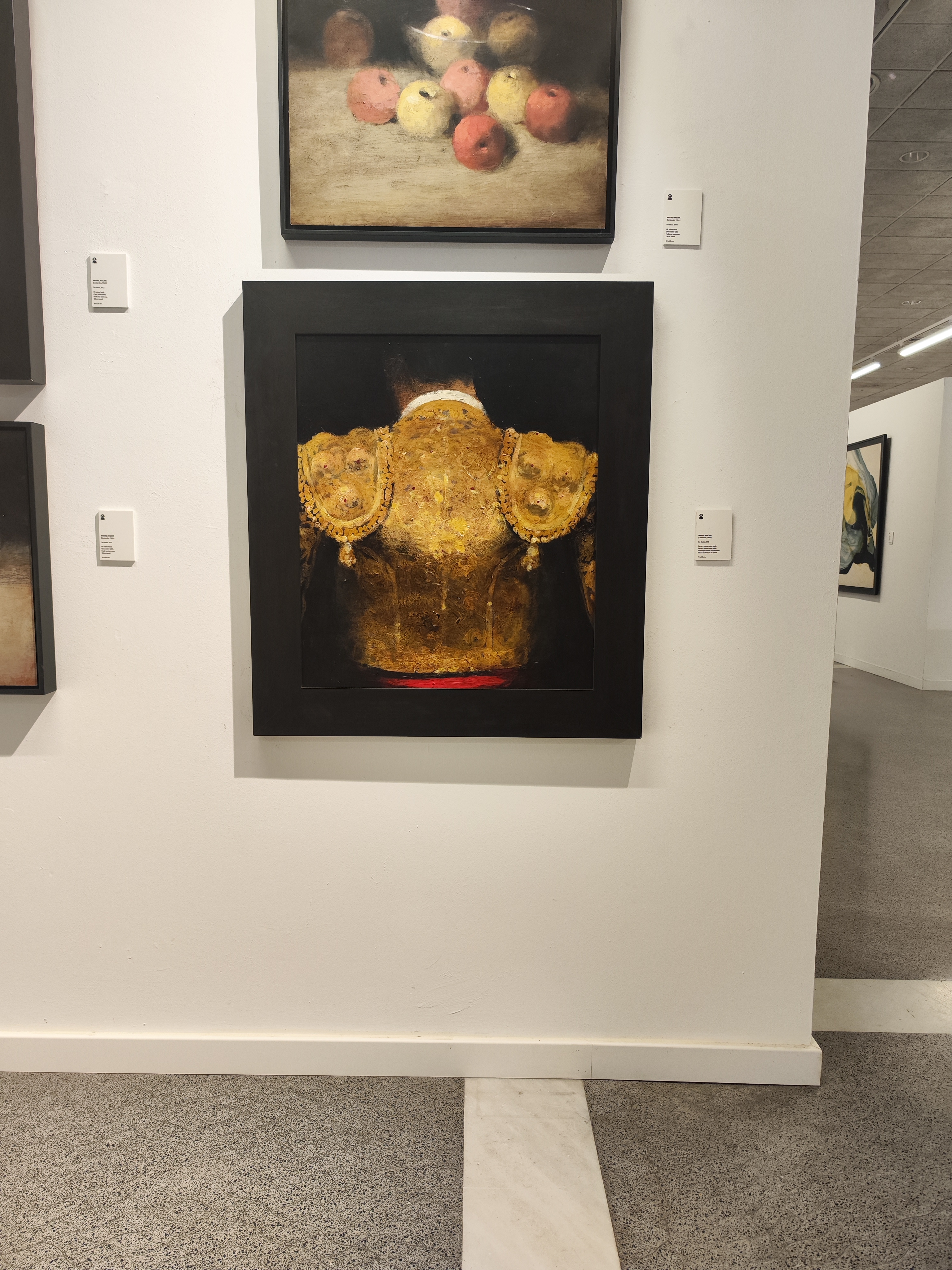
And of course, one must need to be flamencosa when we visit Andalucía, there was a tablao (We will talk about what a tablao is soon), not open unfortunately. However, an art exhibition was open.


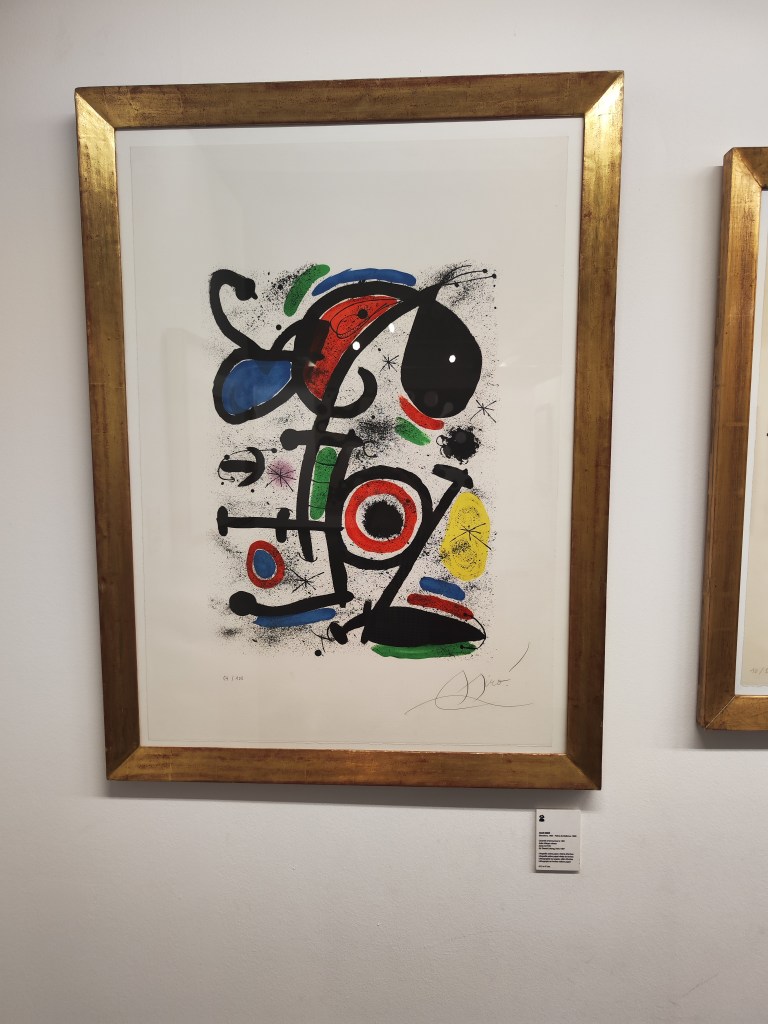
And, this is important, I SAW ONE OF MIRO’S WORKS, one of my favourite abstract artists. Thank God for blessing me, I can go now in peace to home. And I did, well, back to the hotel in peace.
 Dancing Giglio
So much walking! Haha
LikeLiked by 1 person
I agree, we deserve a holiday from walking
LikeLike
Now I want to see this beautiful museam what remind the Natural moves and effect, and the famous Rambla….😢 I never haven’t eat a Churros …
I’m afraid ” we kill two birds with a shoot!” It’s so creepy read this sentences by you…that you never hurt a Life…😂
LikeLike
You should definitely visit Barcelona. And it’s a saying, don’t take it so literally
LikeLike