

Unlike Santorini, Athens has an excellent public transport system, reliable, affordable, and incredibly useful for getting around the city.
We arrived late on the 6th of November, so our real exploring began the following day. Before diving into the highlights, here are a couple of things worth knowing:
- Book tickets in advance whenever possible. It saves time and helps you skip the longest lines… though expect there to be some queue no matter what.
- If you’re under 25 and an EU citizen, many sites and tours, such as the Acropolis, offer free or reduced admission. Bring an ID to take advantage of it.
- We opted for an amazing all-in-one package, called the Athens City Pass, that included six museums, the Acropolis, a hop-on hop-off bus, and even an optional cruise. It also covered unlimited public transportation, which made getting around effortless. The best part? You can customise the pass for the number of days you need, so it’s easy to tailor it to your itinerary.
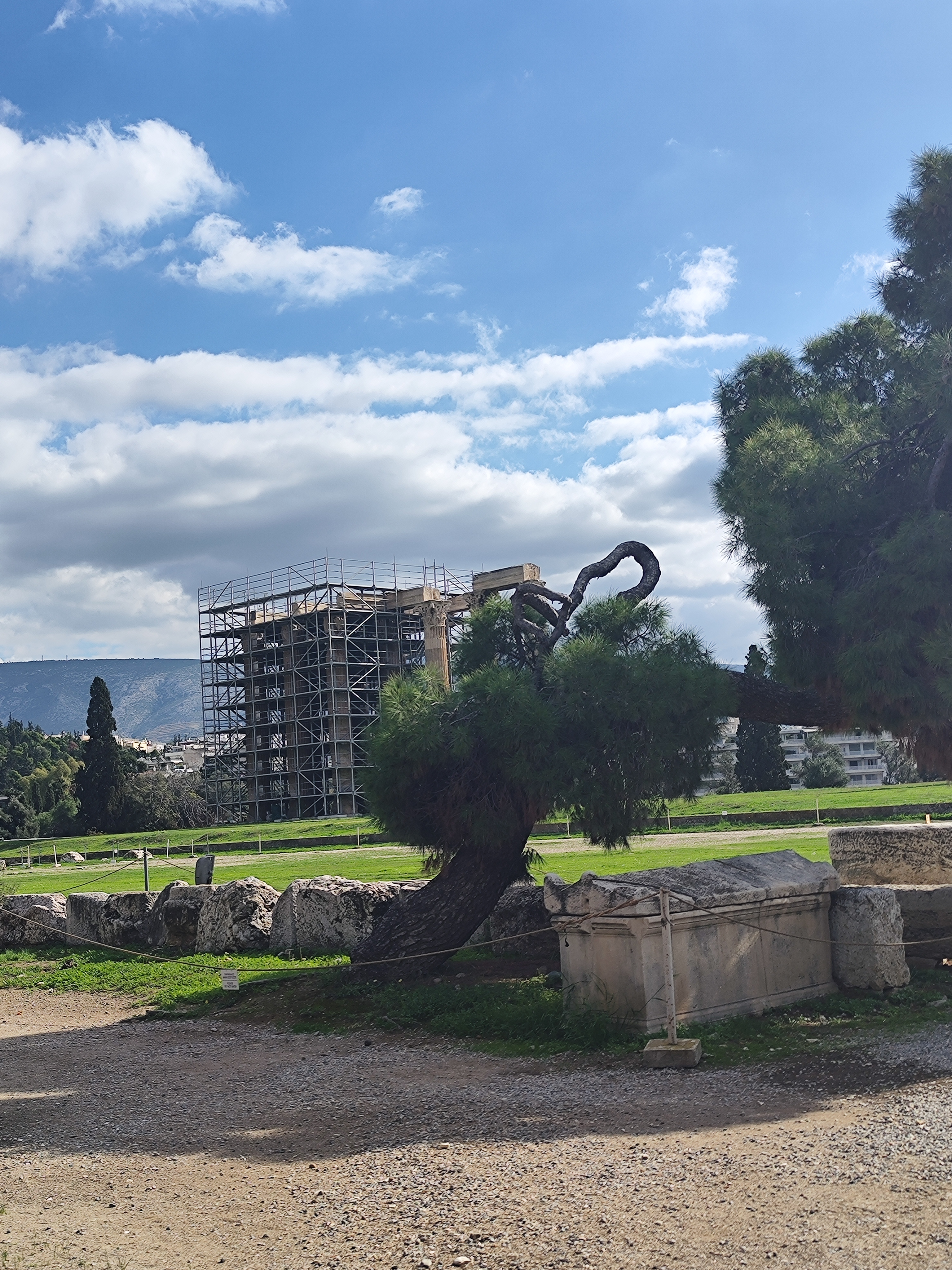
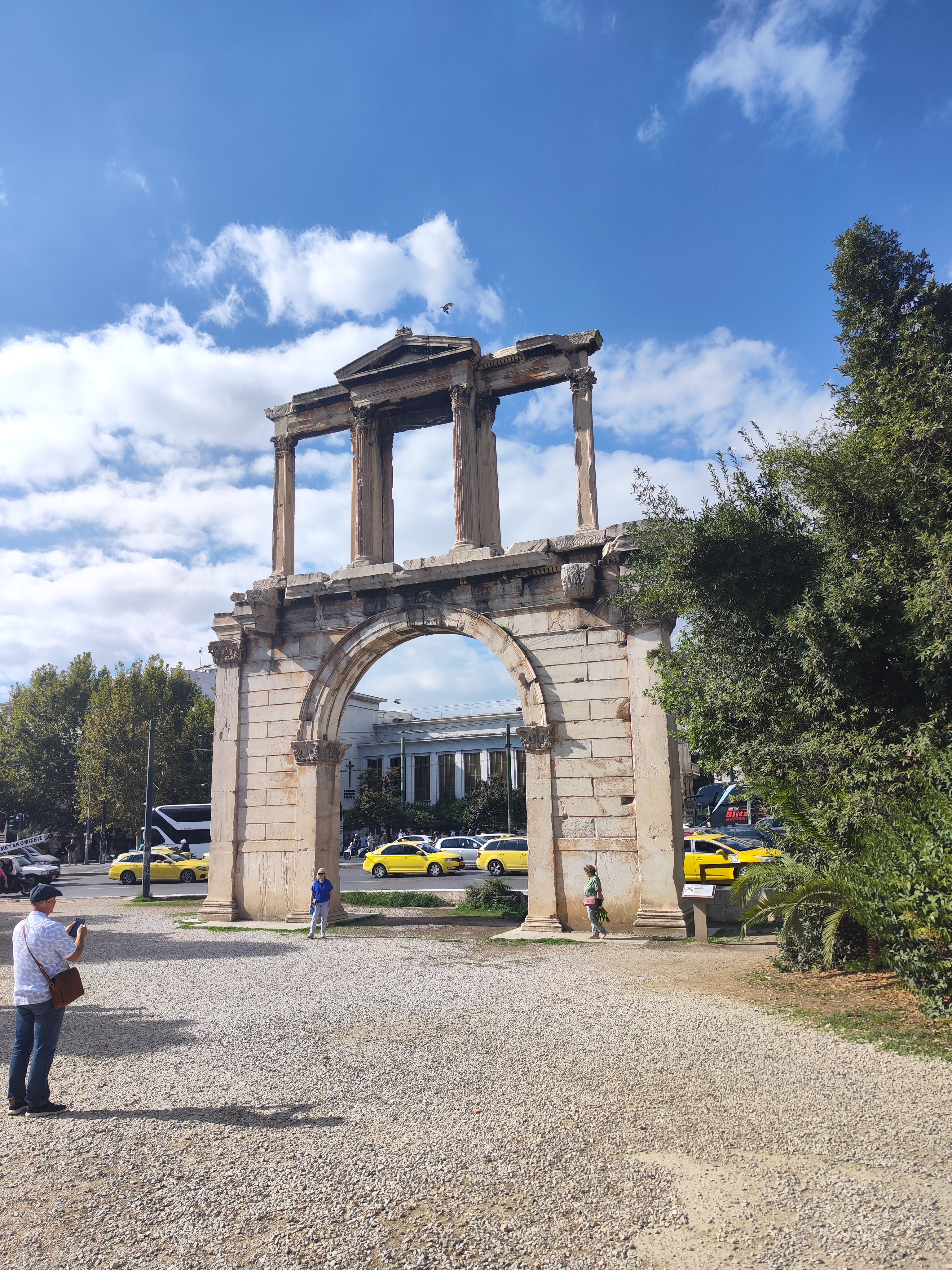
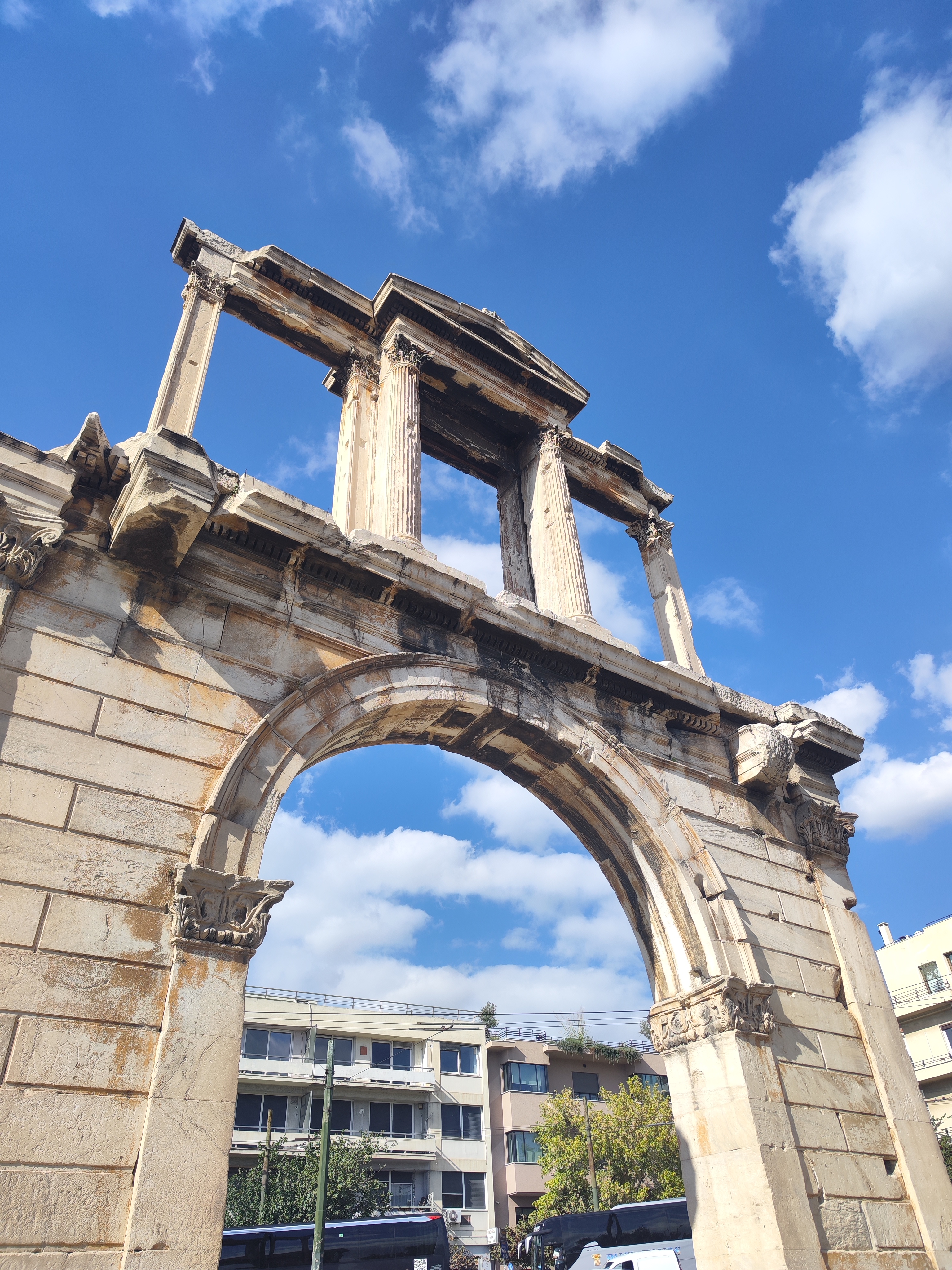
On the way to the first museum, we saw a lovely park and the temple of Zeus.



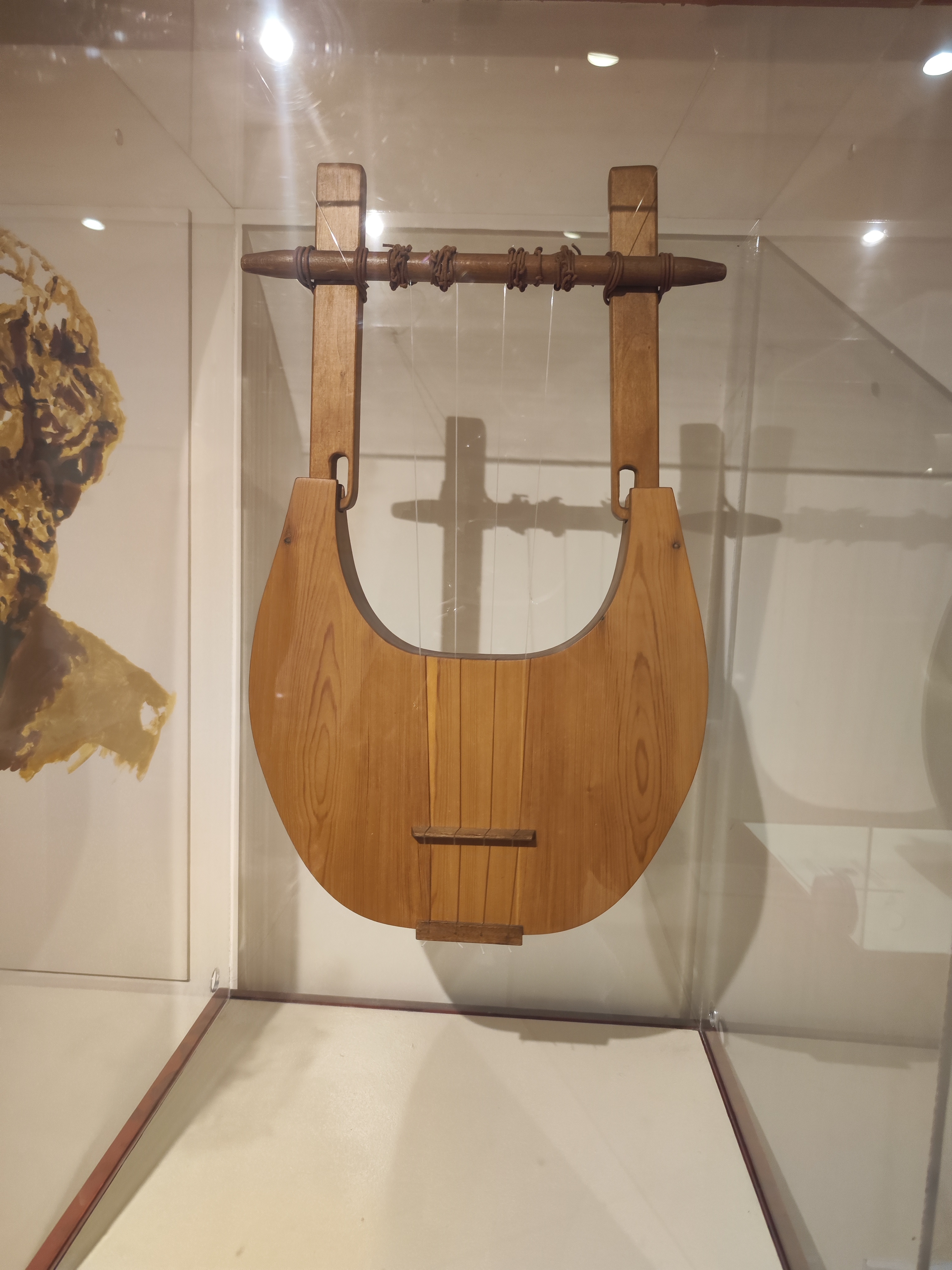
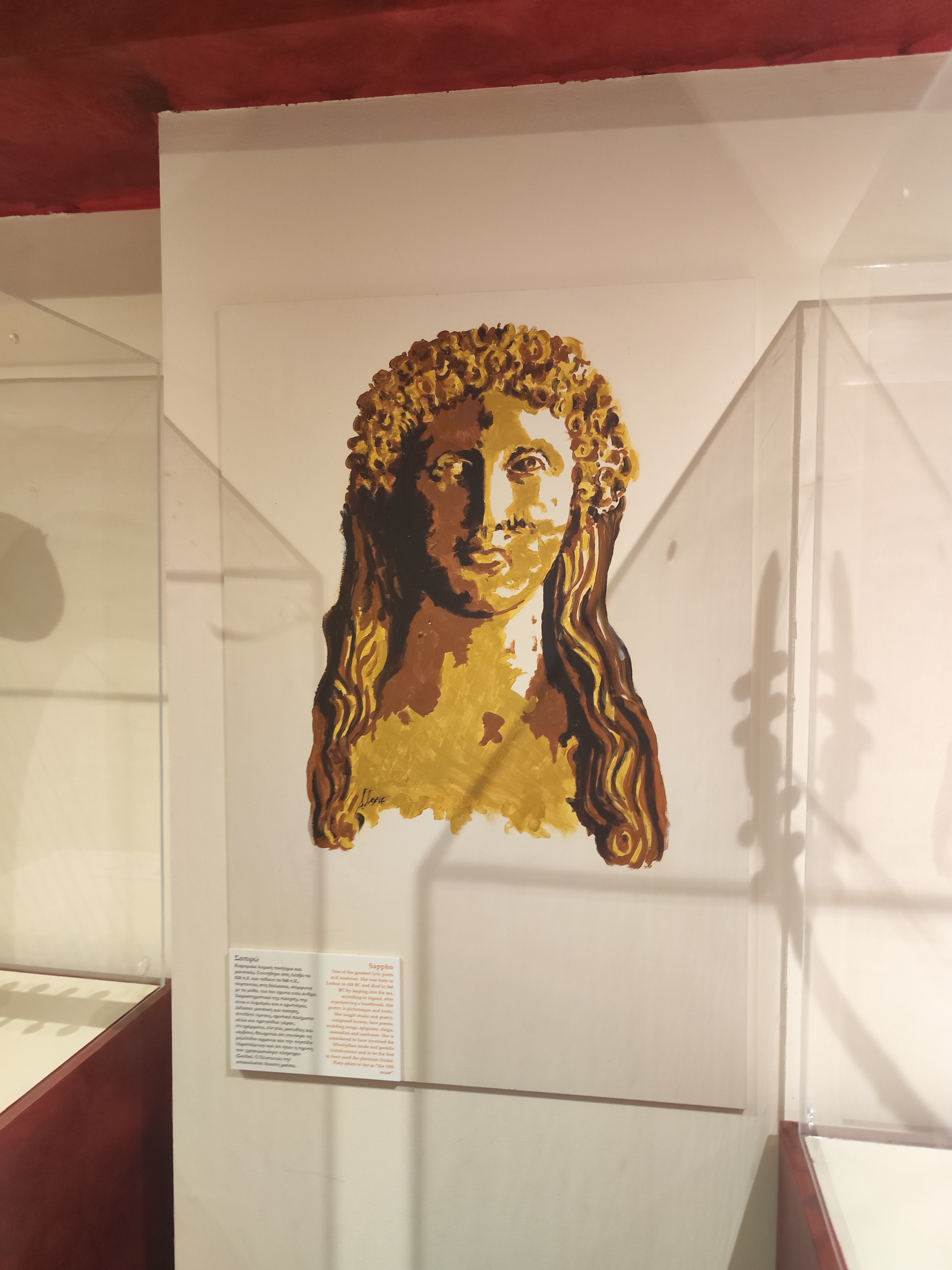
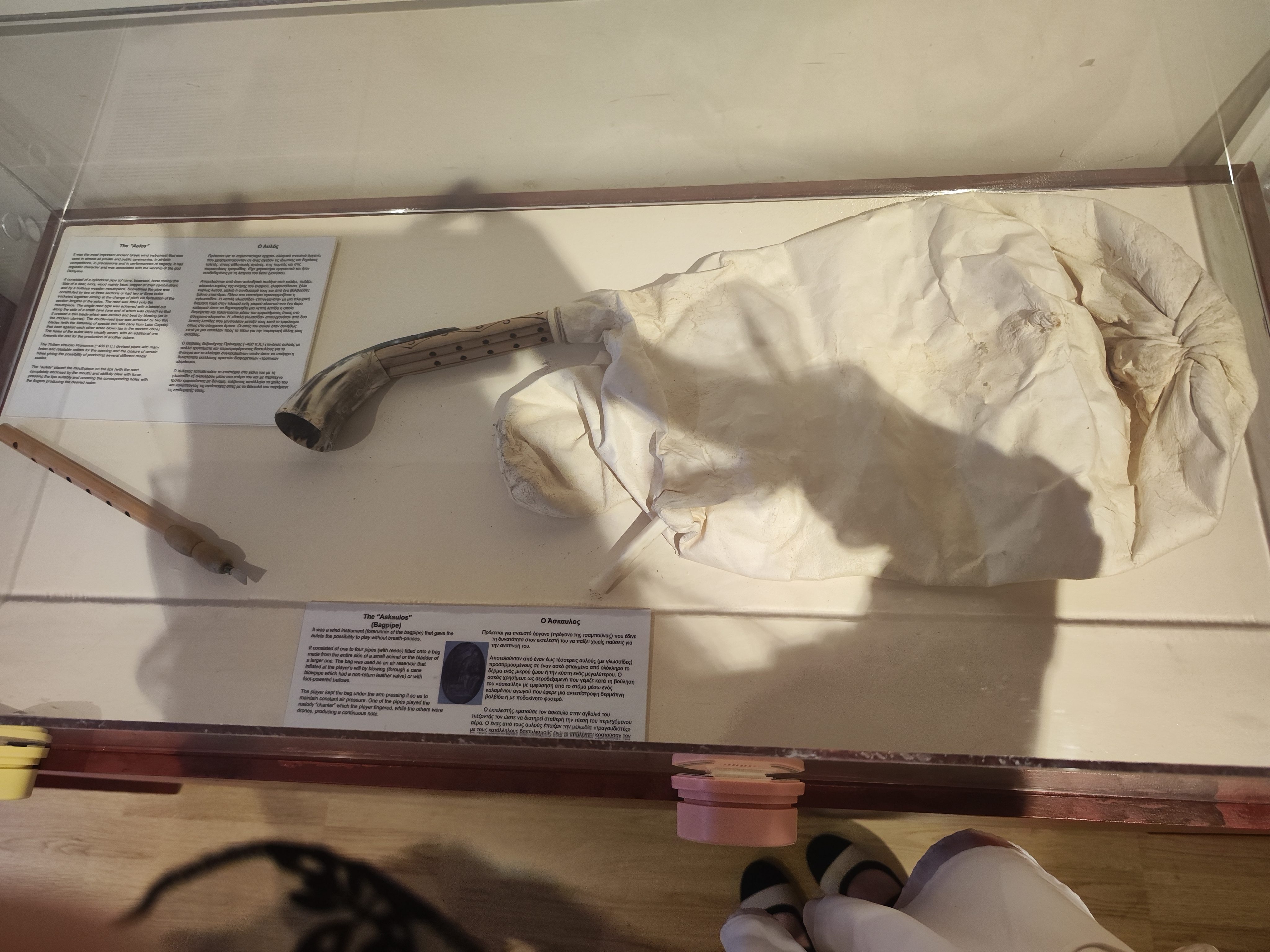
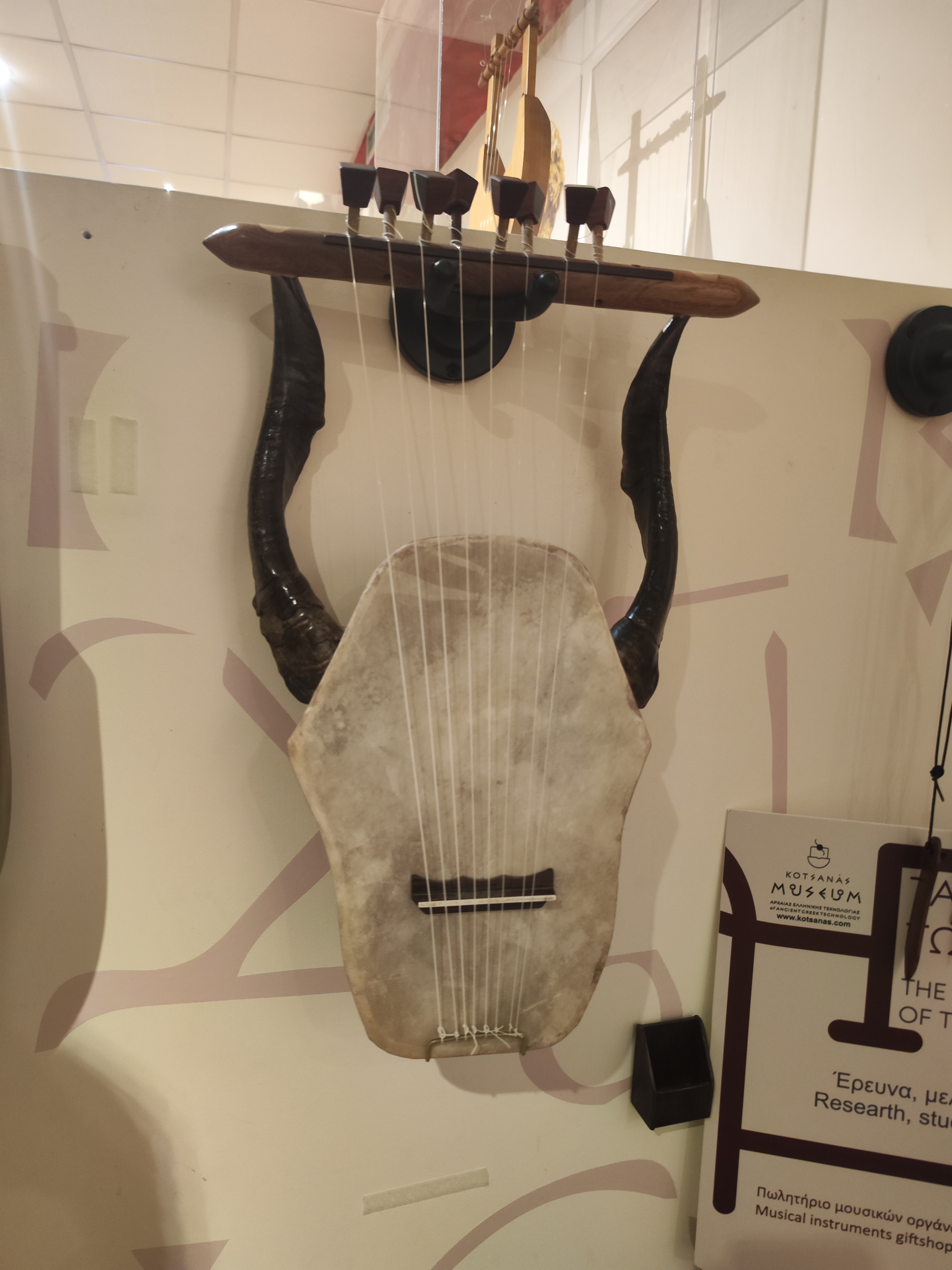
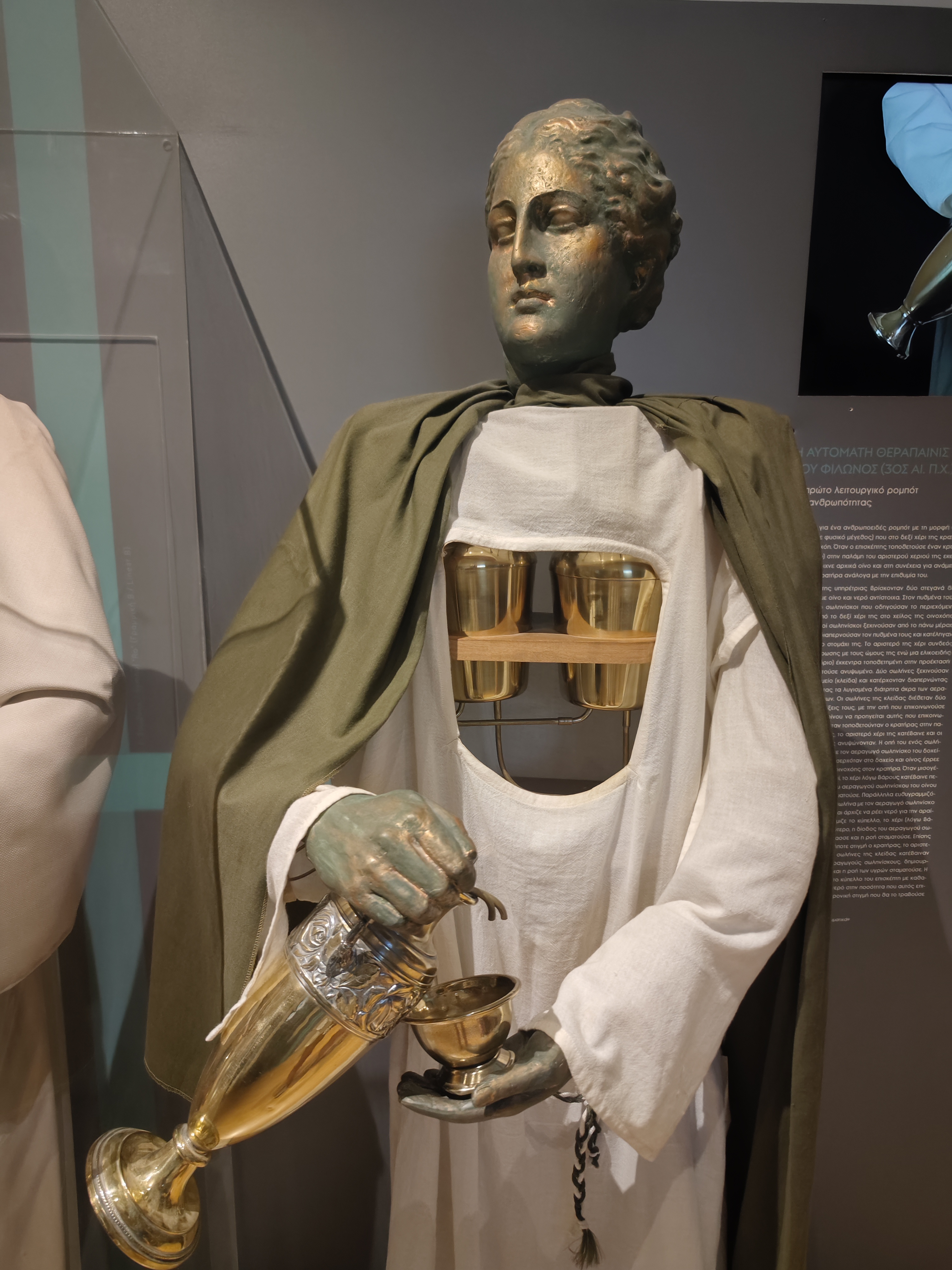
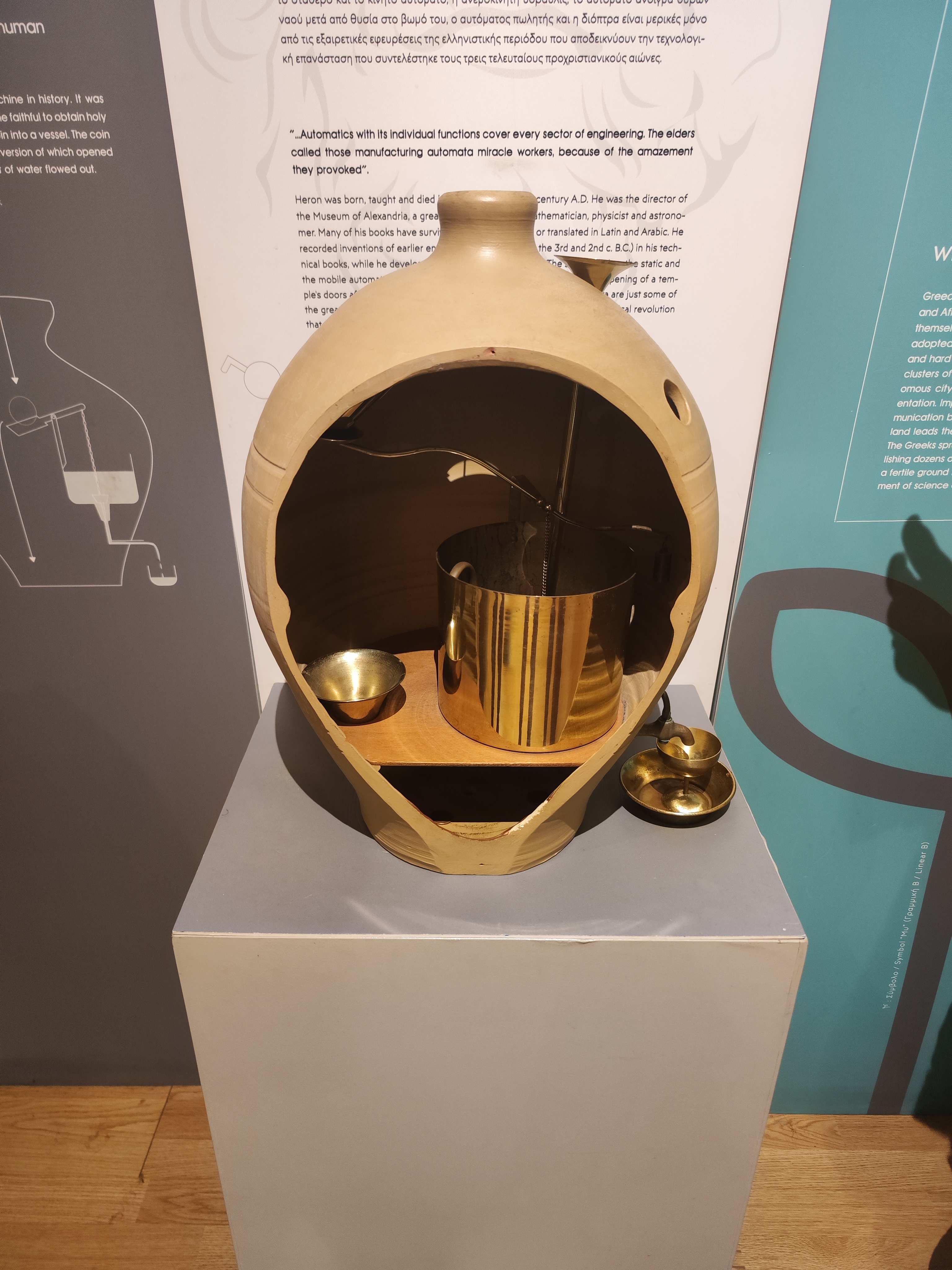
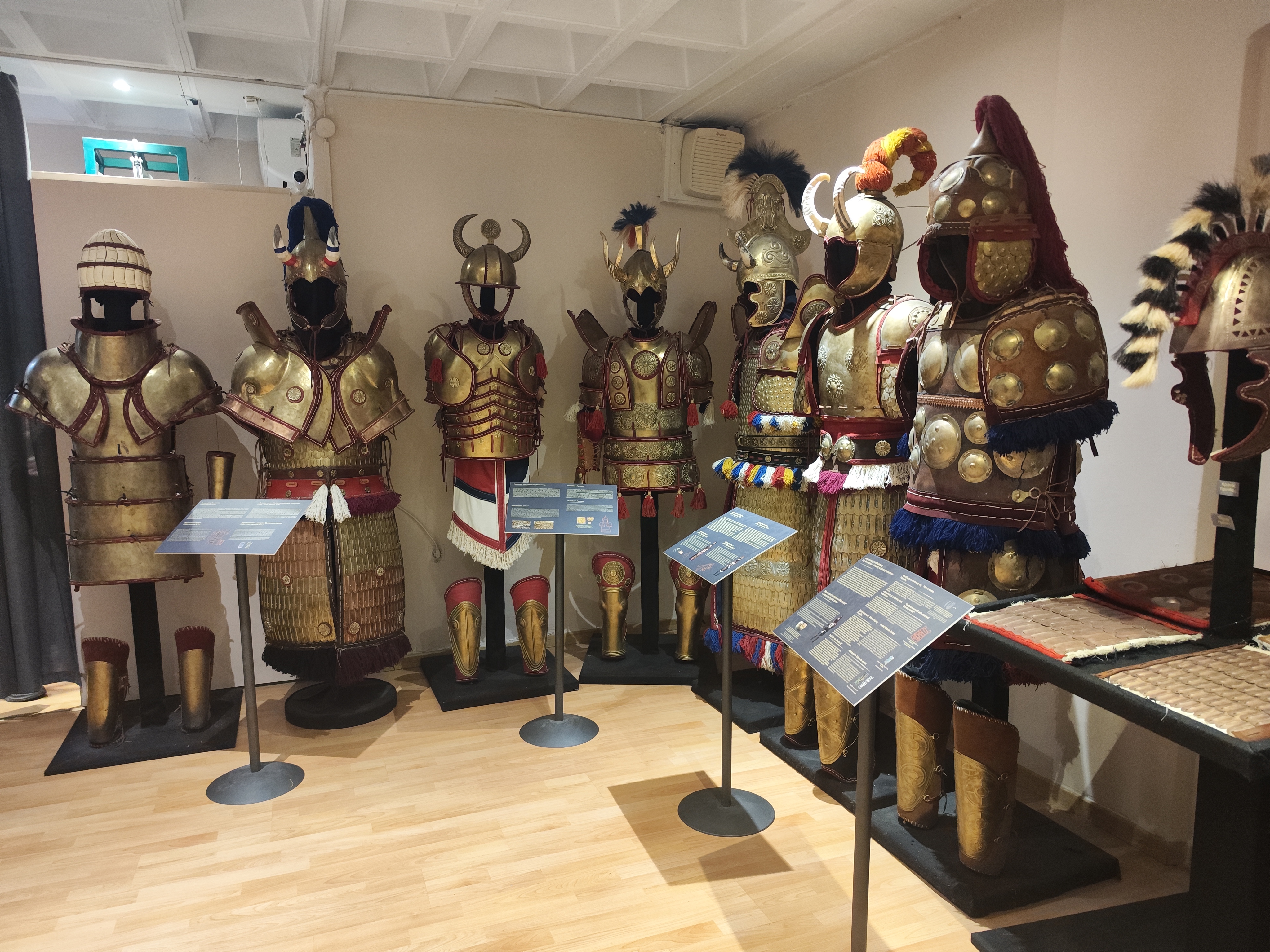
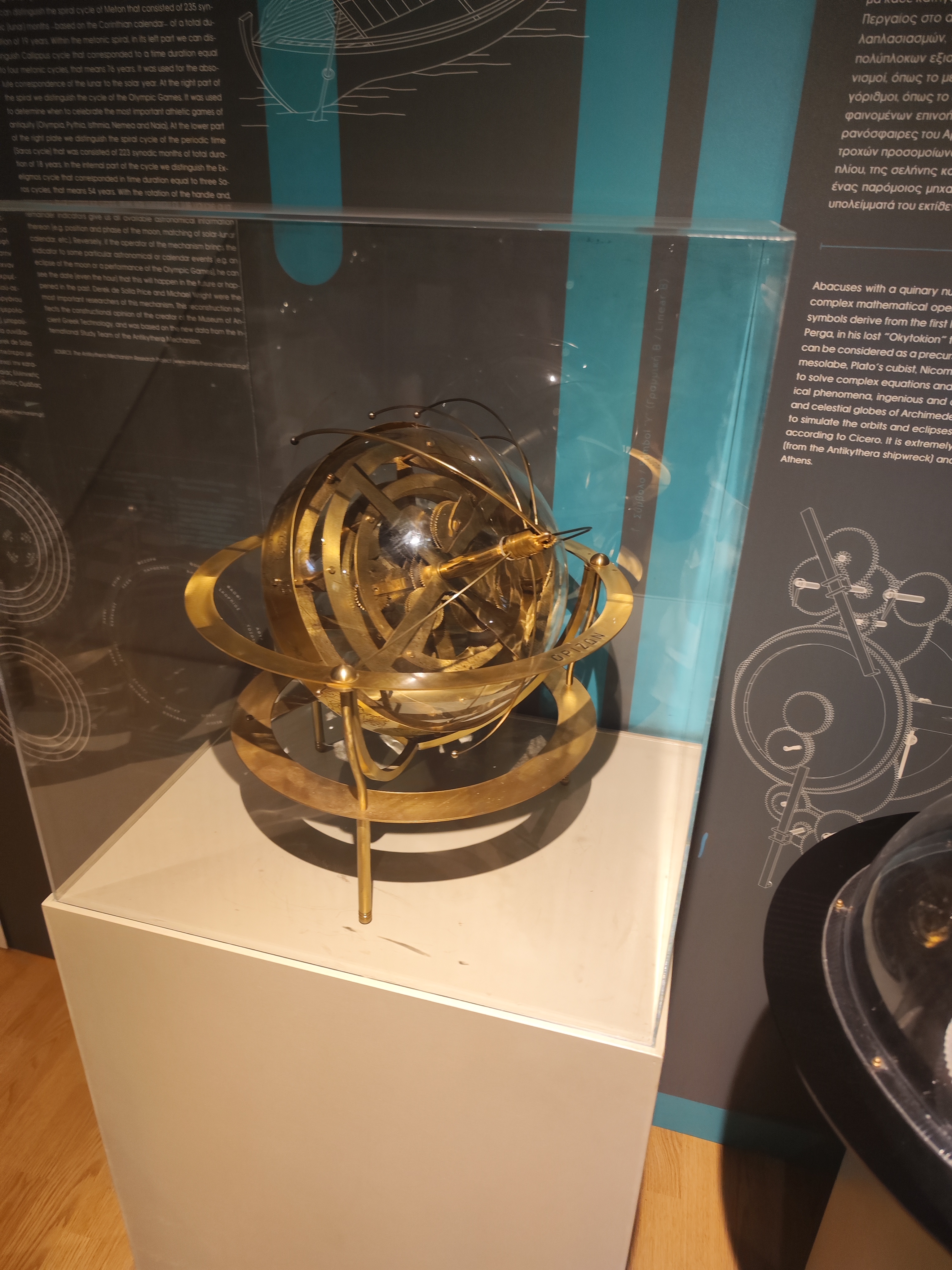
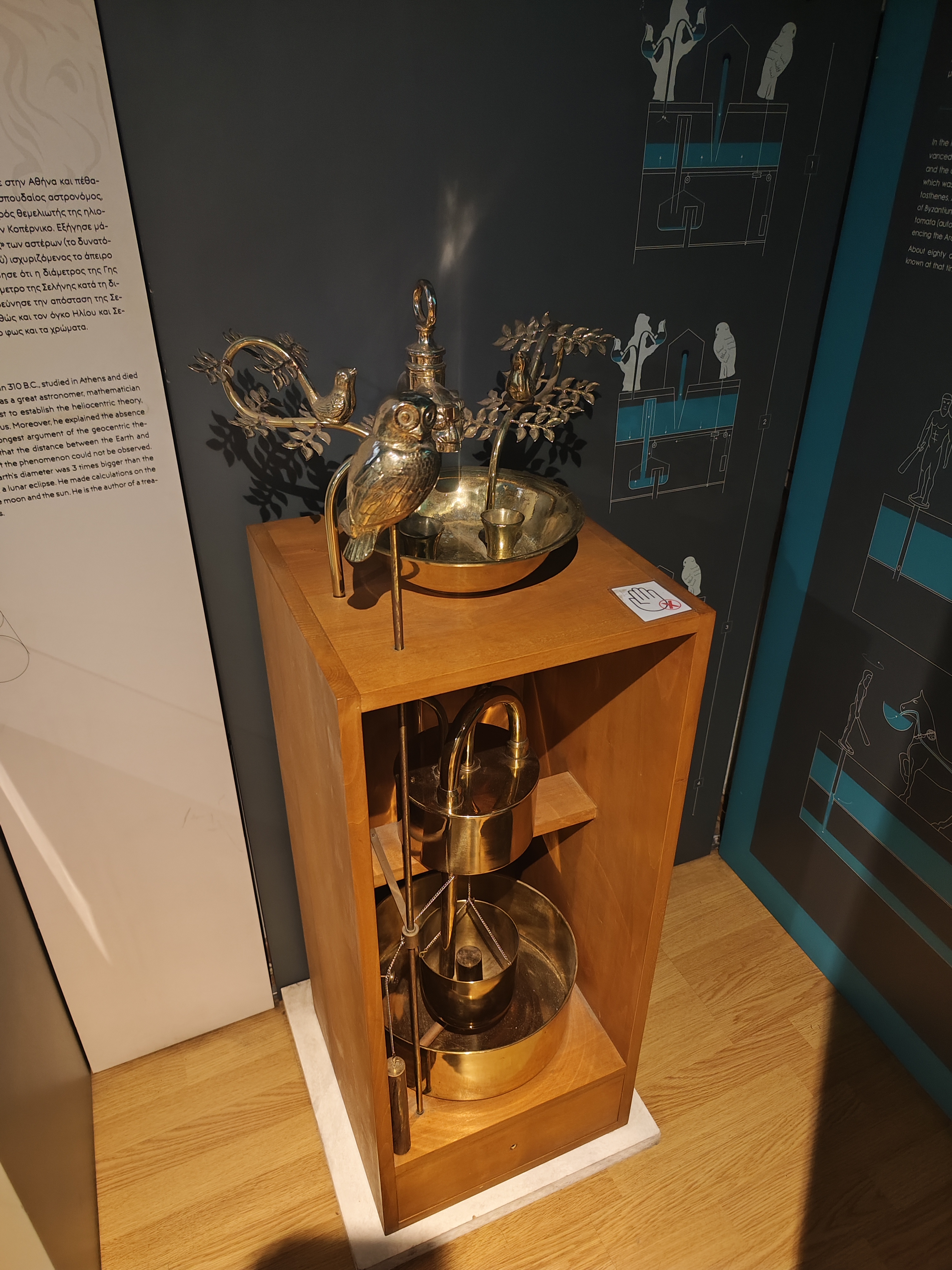
Kotsanas Museum – Museum of Ancient Technologies, Museum of Ancient musical instruments
I must say, it is a shame we couldn’t visit this museum in 2019, the first time I visited Athens, it was an absolute gem!
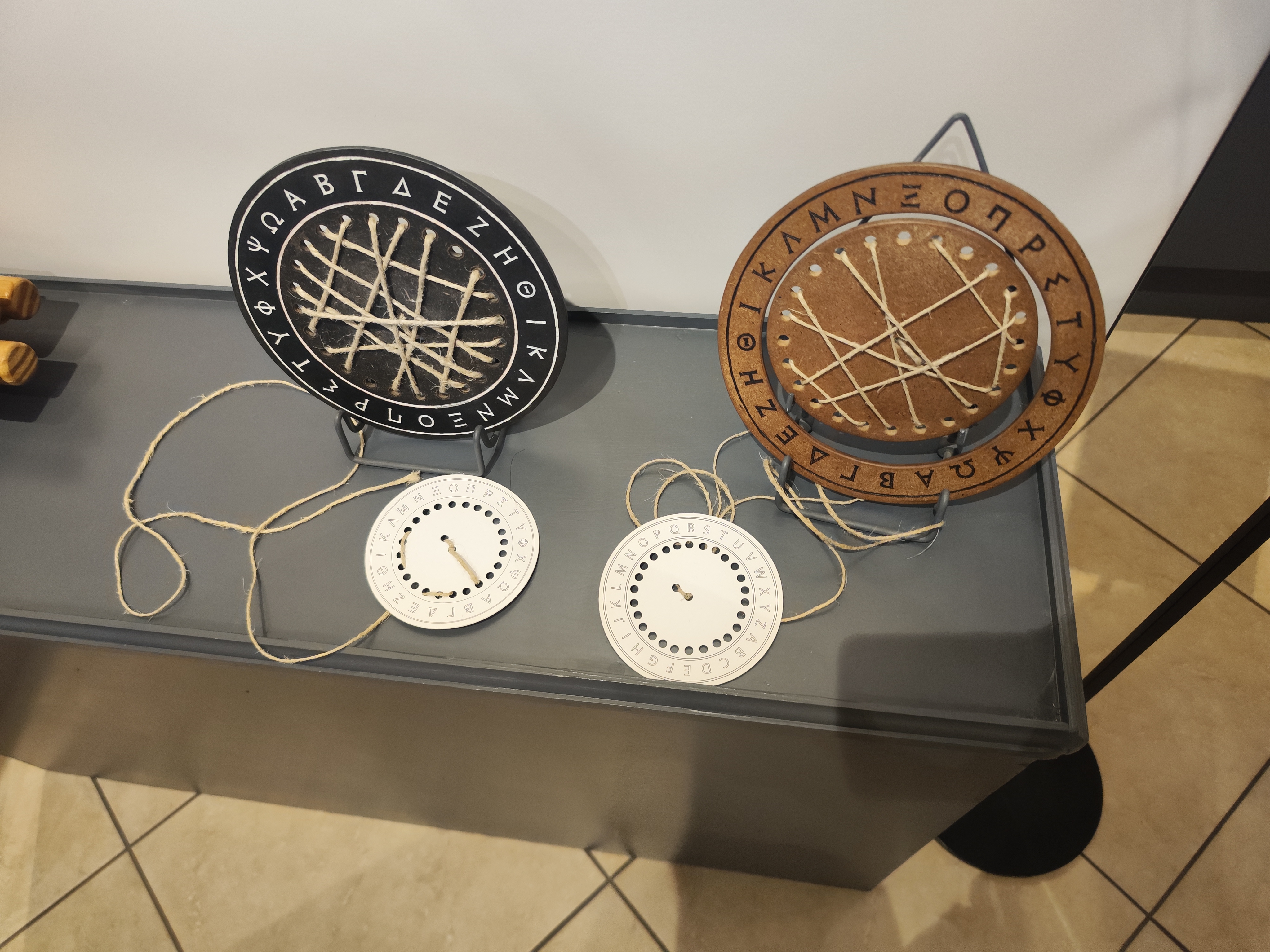
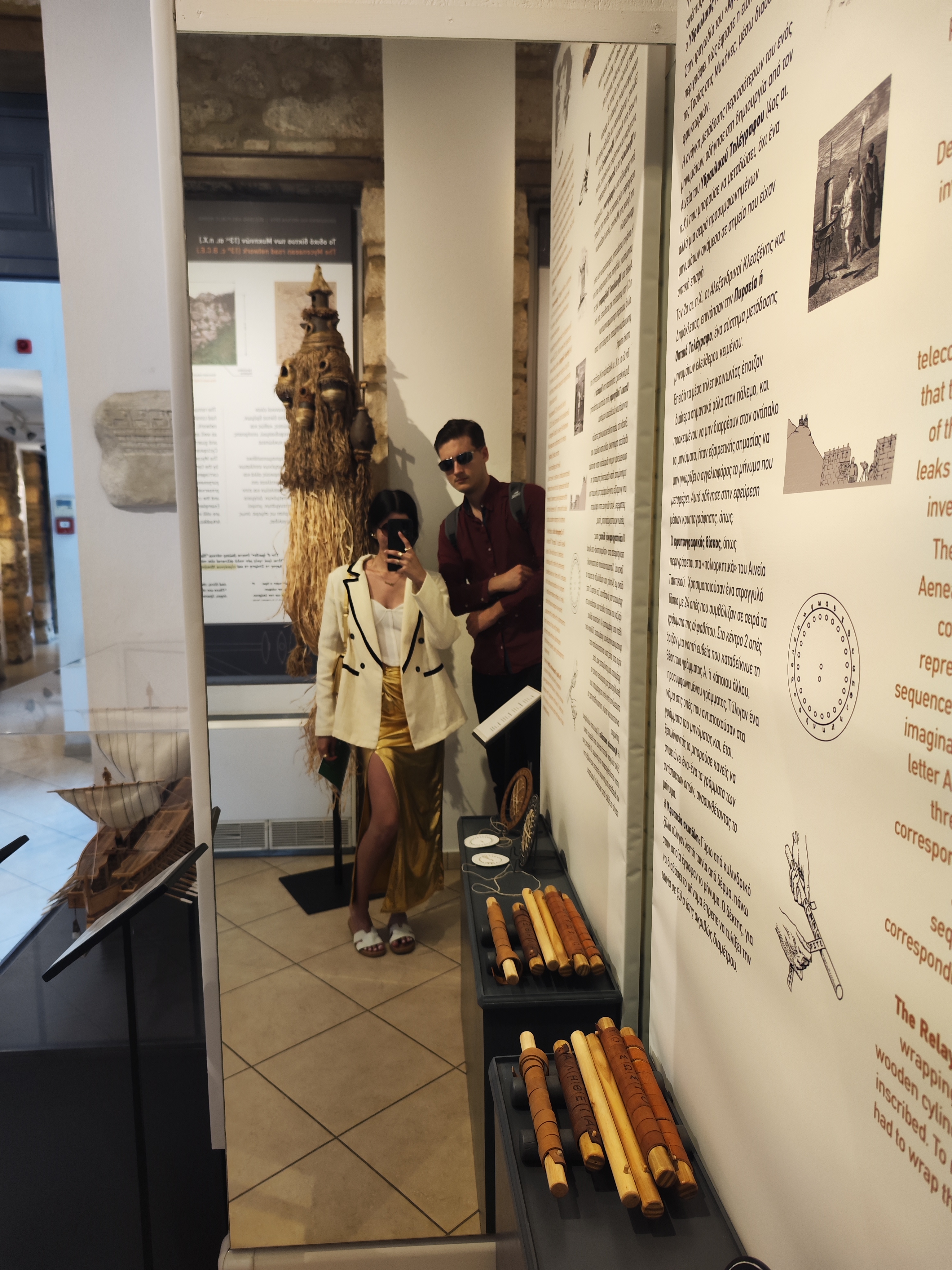
The museum showcases the ingenious inventions from ancient Greece: early robots, musical devices, and engineering tools. It’s small, interactive, and surprisingly fun, offering a fresh look at Greek history beyond temples and ruins. A great stop if you love hands-on museums or want something different from the usual archaeological sites.
The museum is spread across several floors, each dedicated to a different aspect of ancient Greek ingenuity. The first floor focuses on ancient musical instruments, showcasing everything from lyres and harps to the hydraulis, an early version of the pipe organ. Interactive buttons let you hear how each instrument sounded and learn what it was used for, making it easy to appreciate just how advanced Greek music technology really was.
Can you believe I came across the world’s first vending machine, an early humanoid robot, ancient medical instruments, vacuum-based wine-serving technology, cryptography and even a miniature planetarium, all created by the ancient Greeks?
For me, as a woman in science, it was almost overwhelming in the best way. The level of creativity and engineering on display is truly mind-blowing.
Definitely a must!


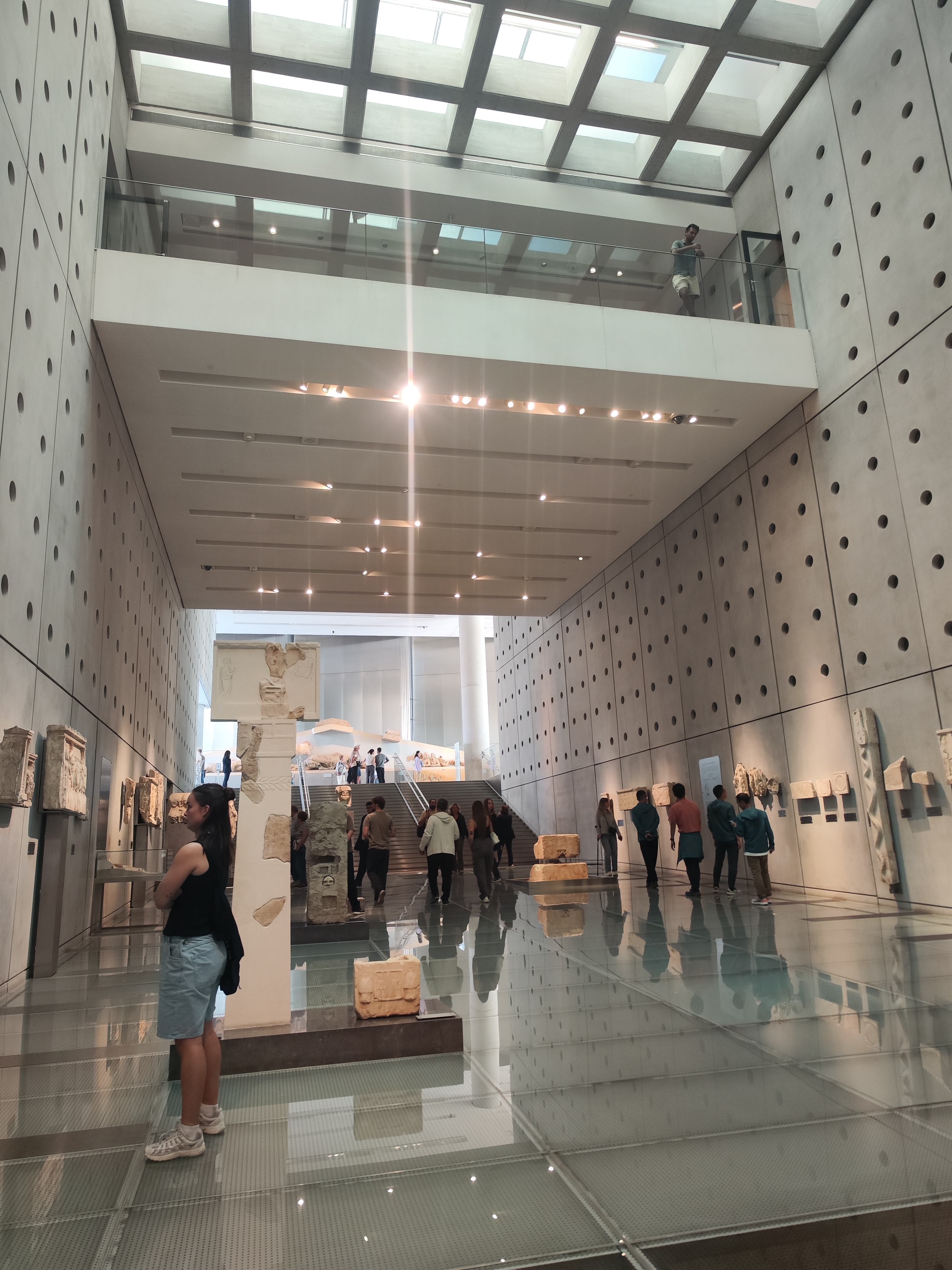
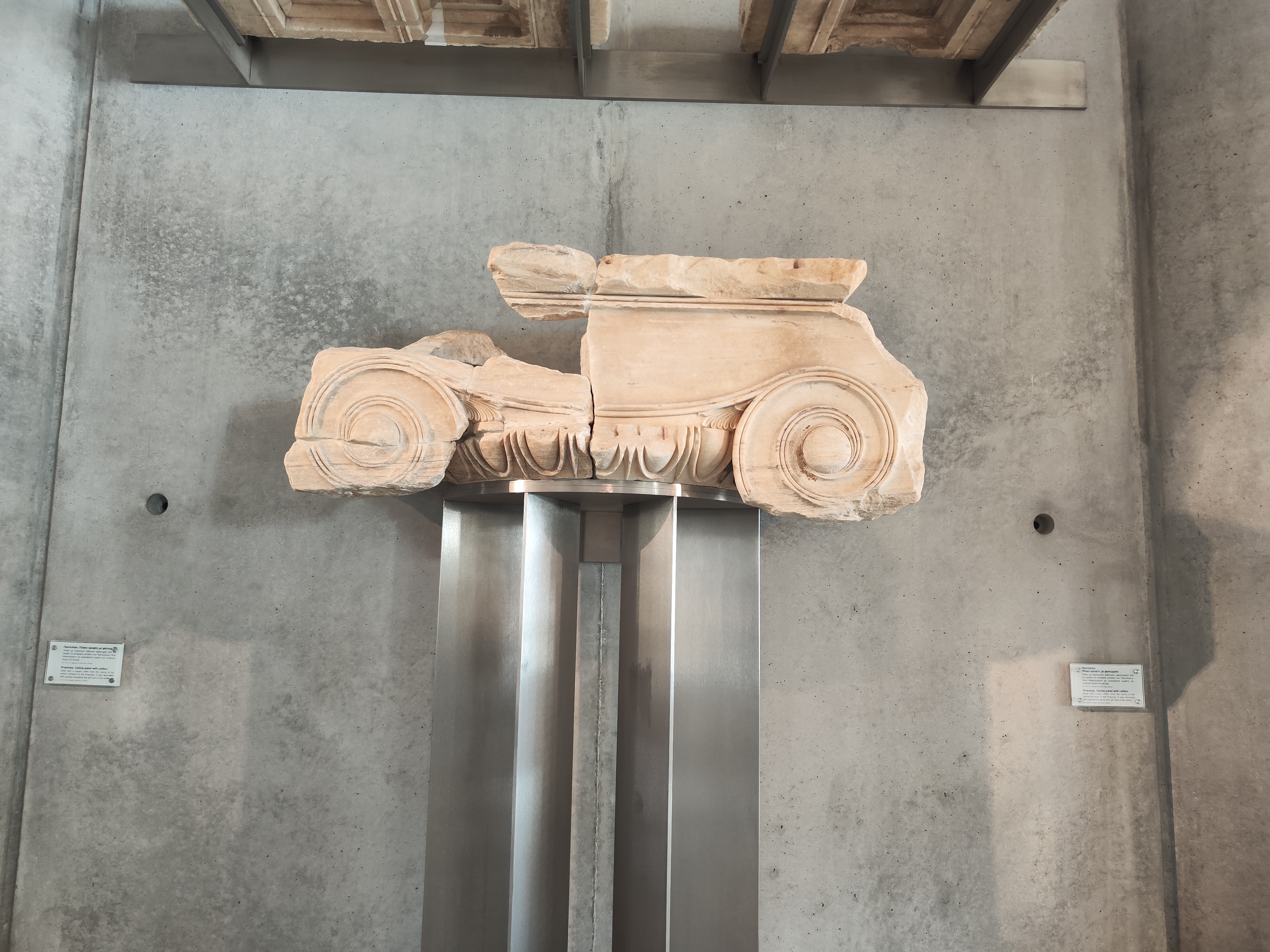
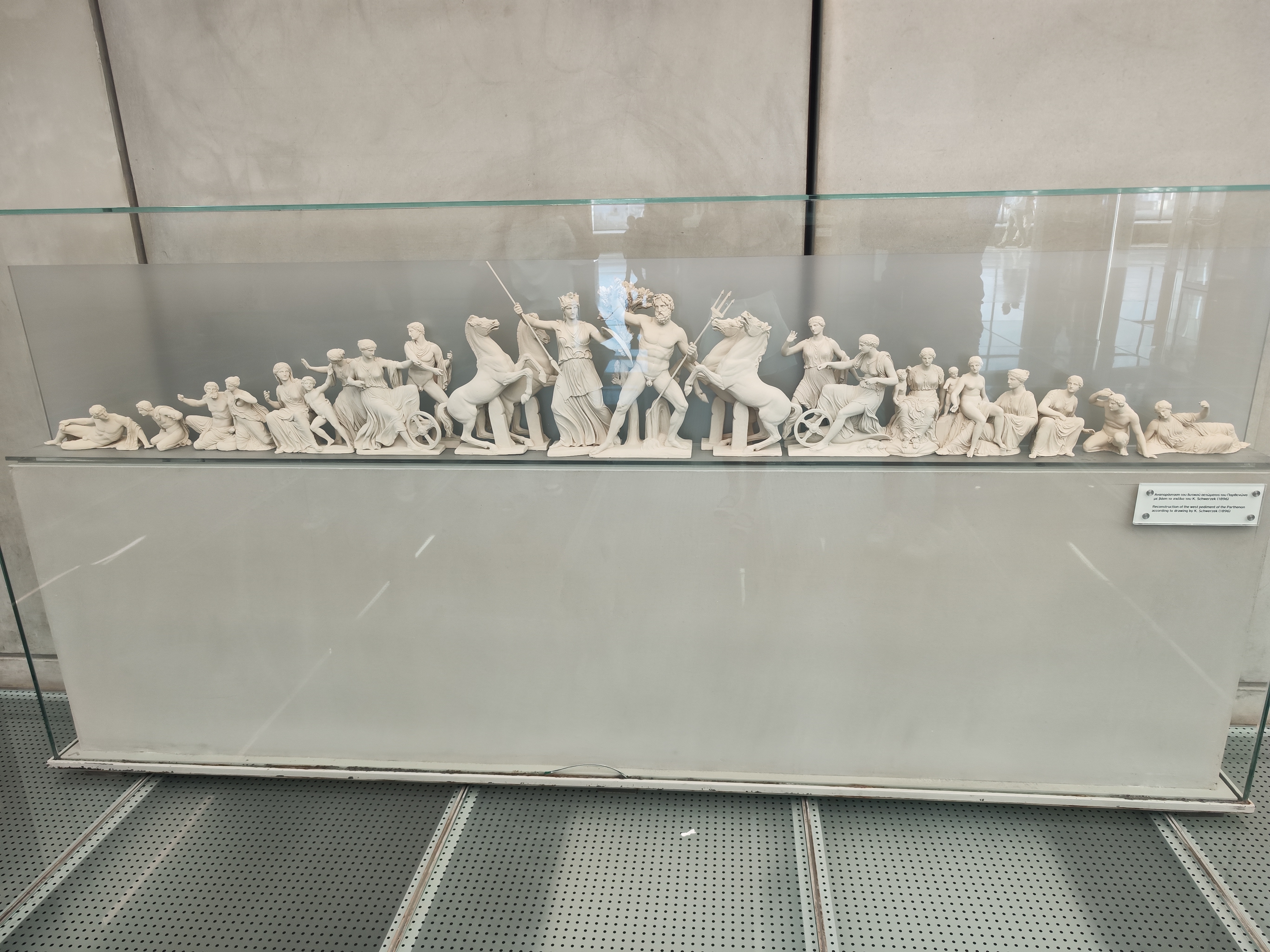
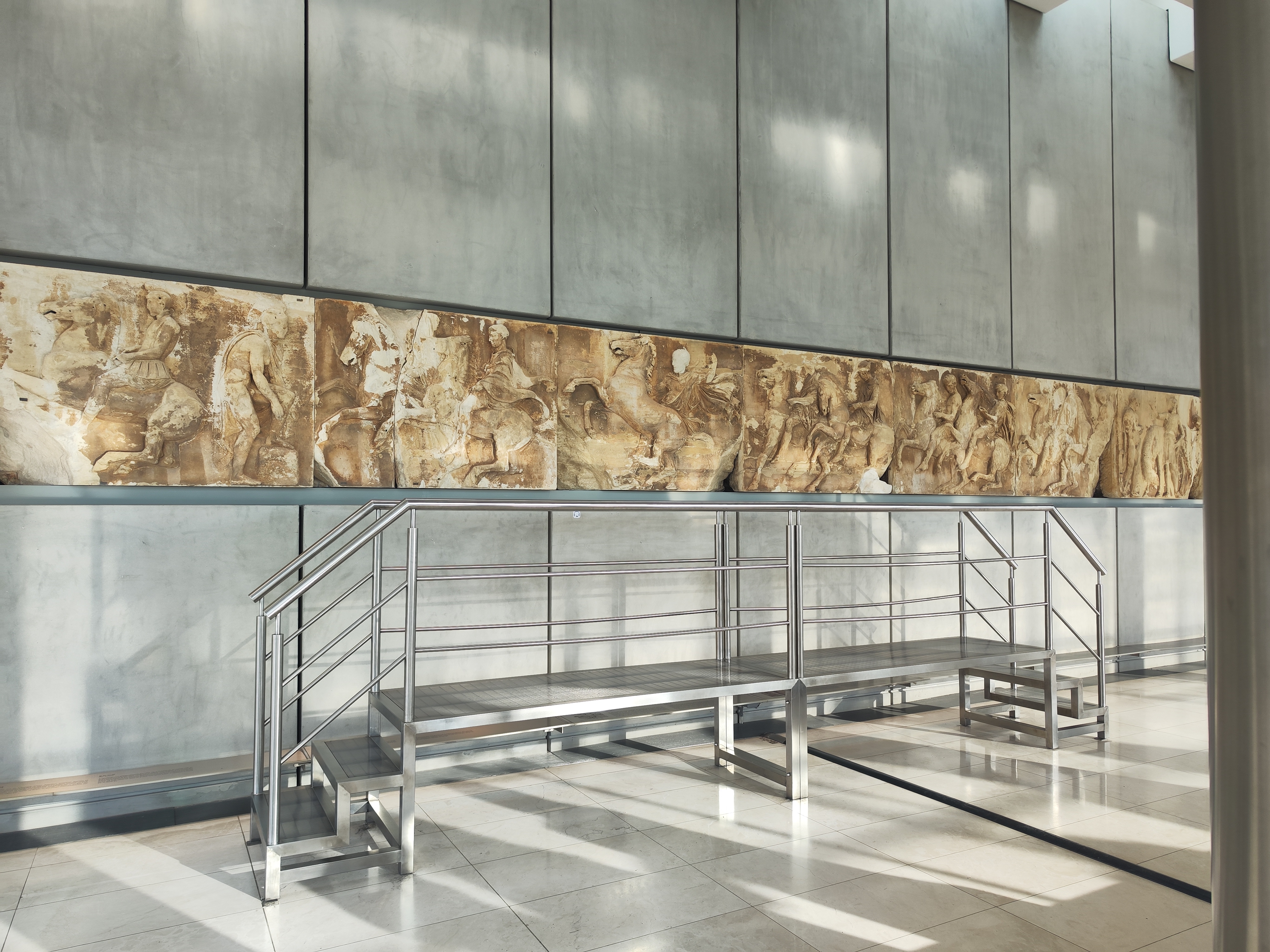
Acropolis Museum

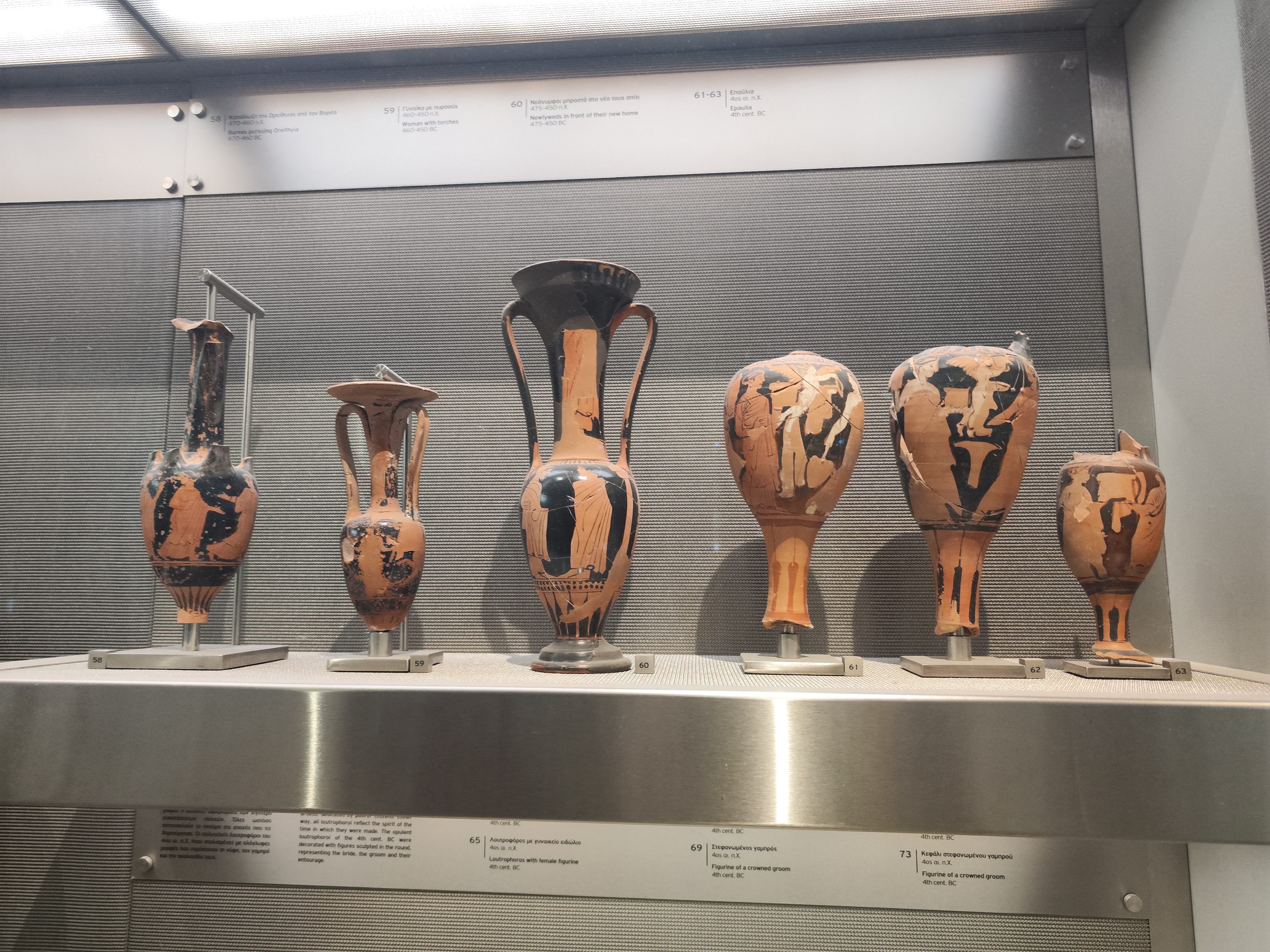
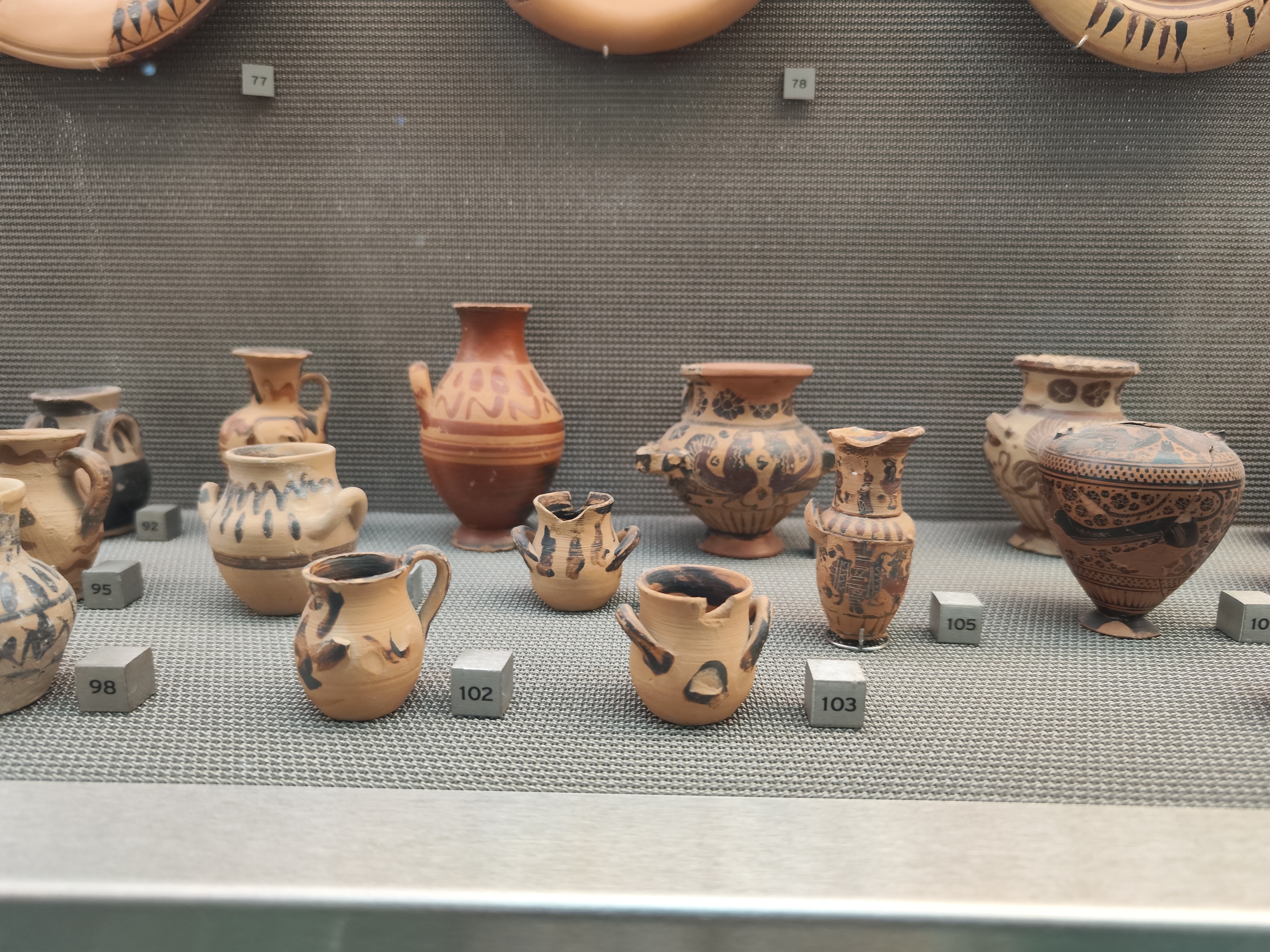
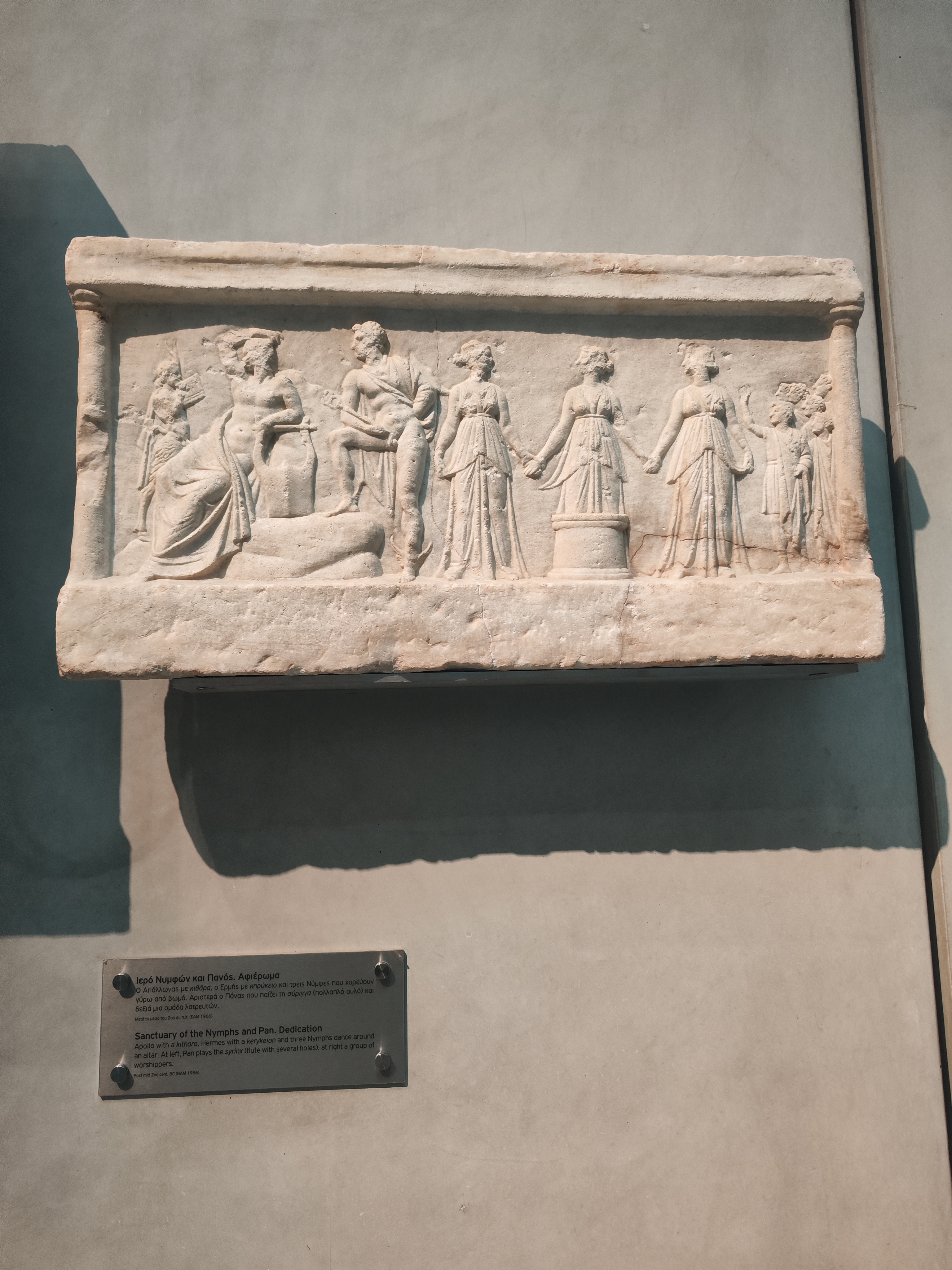
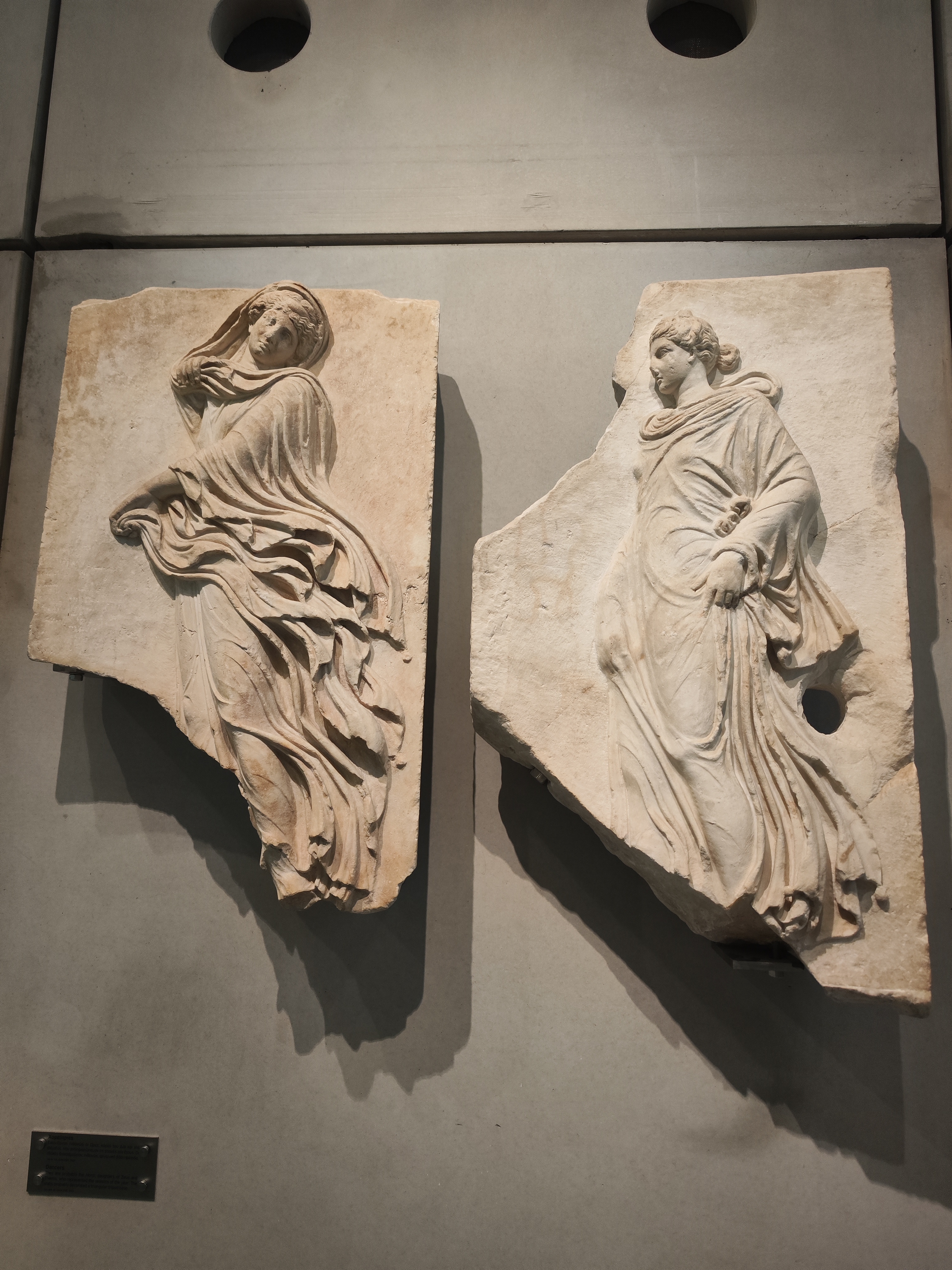
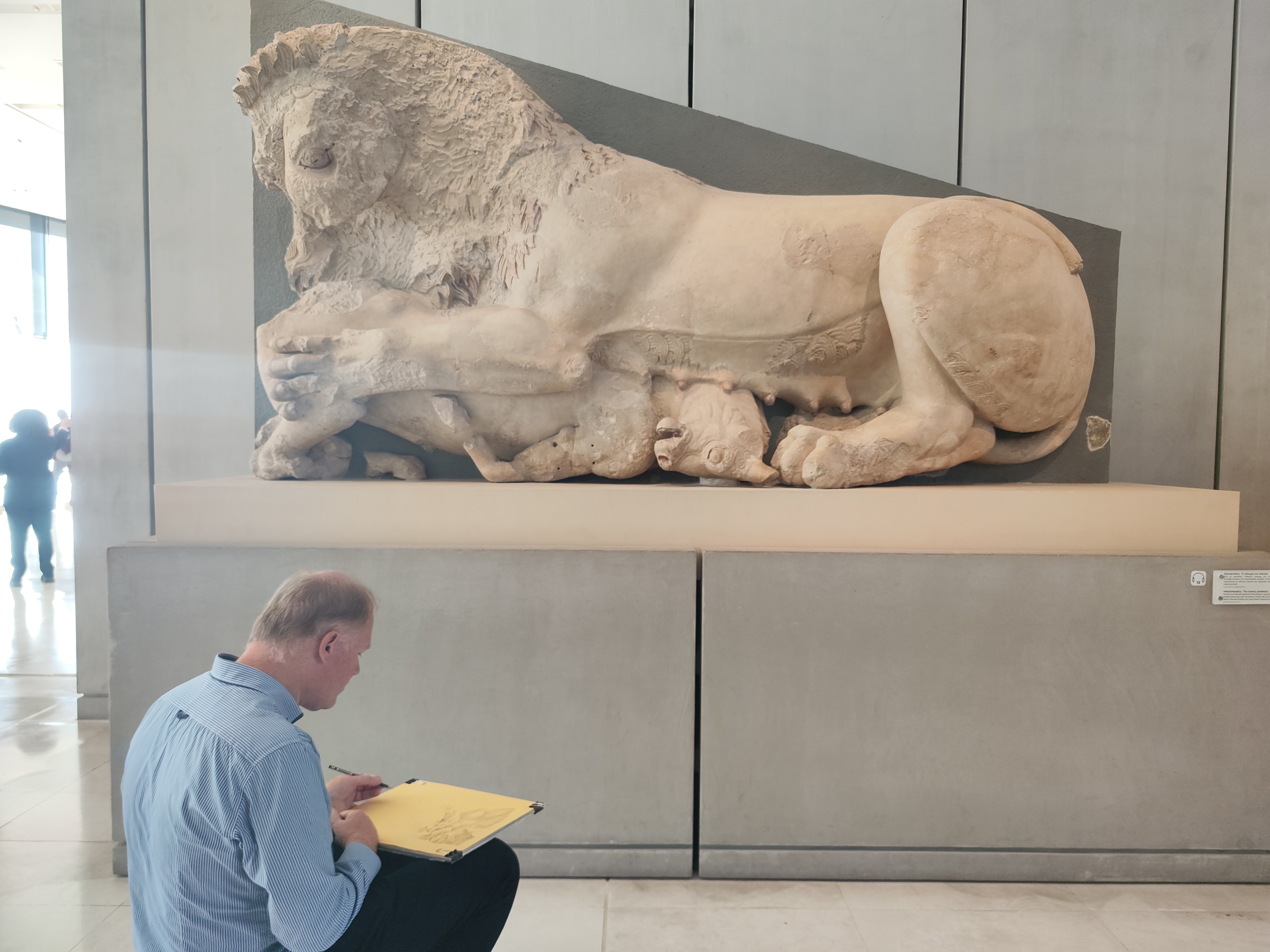
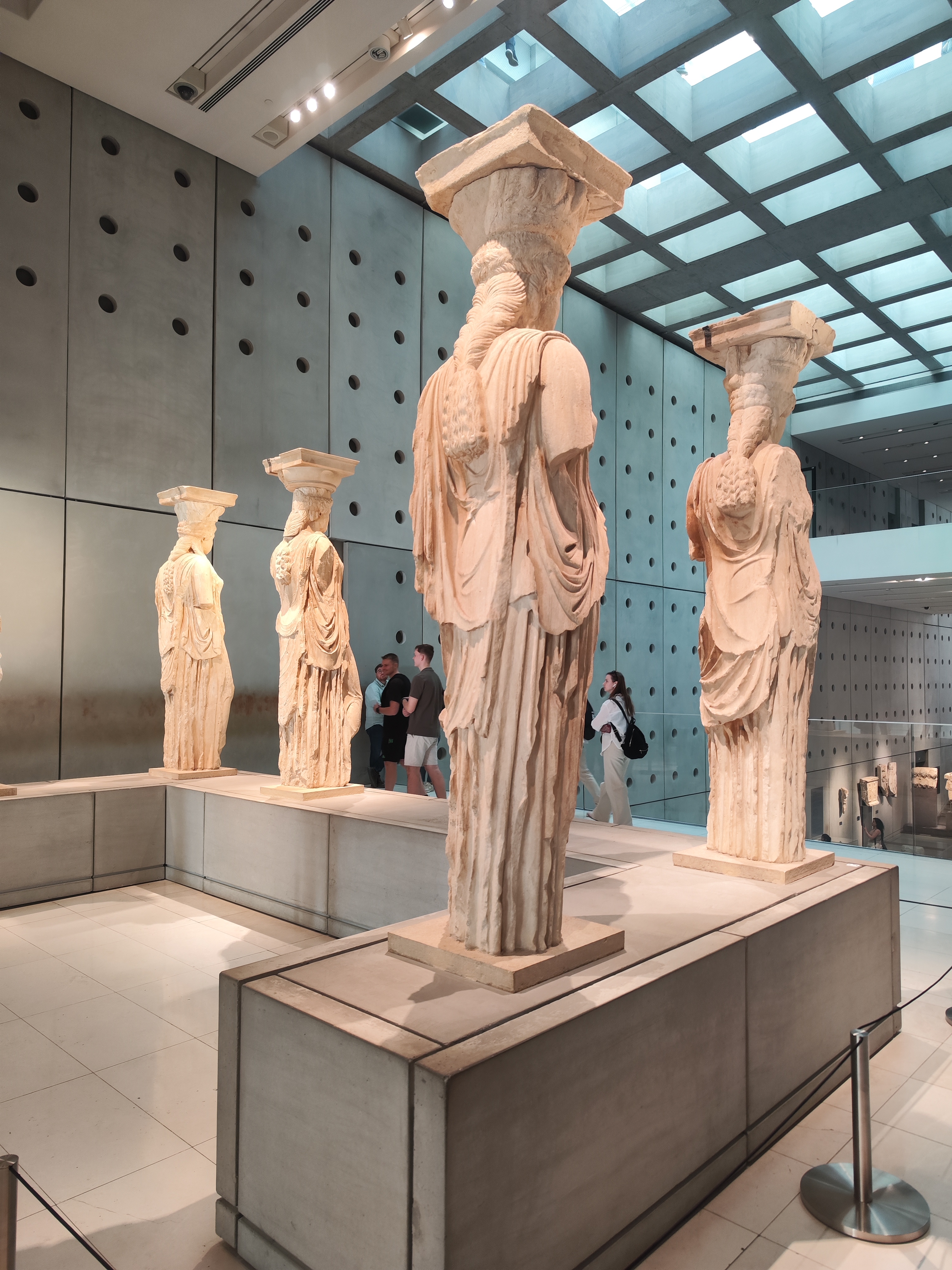
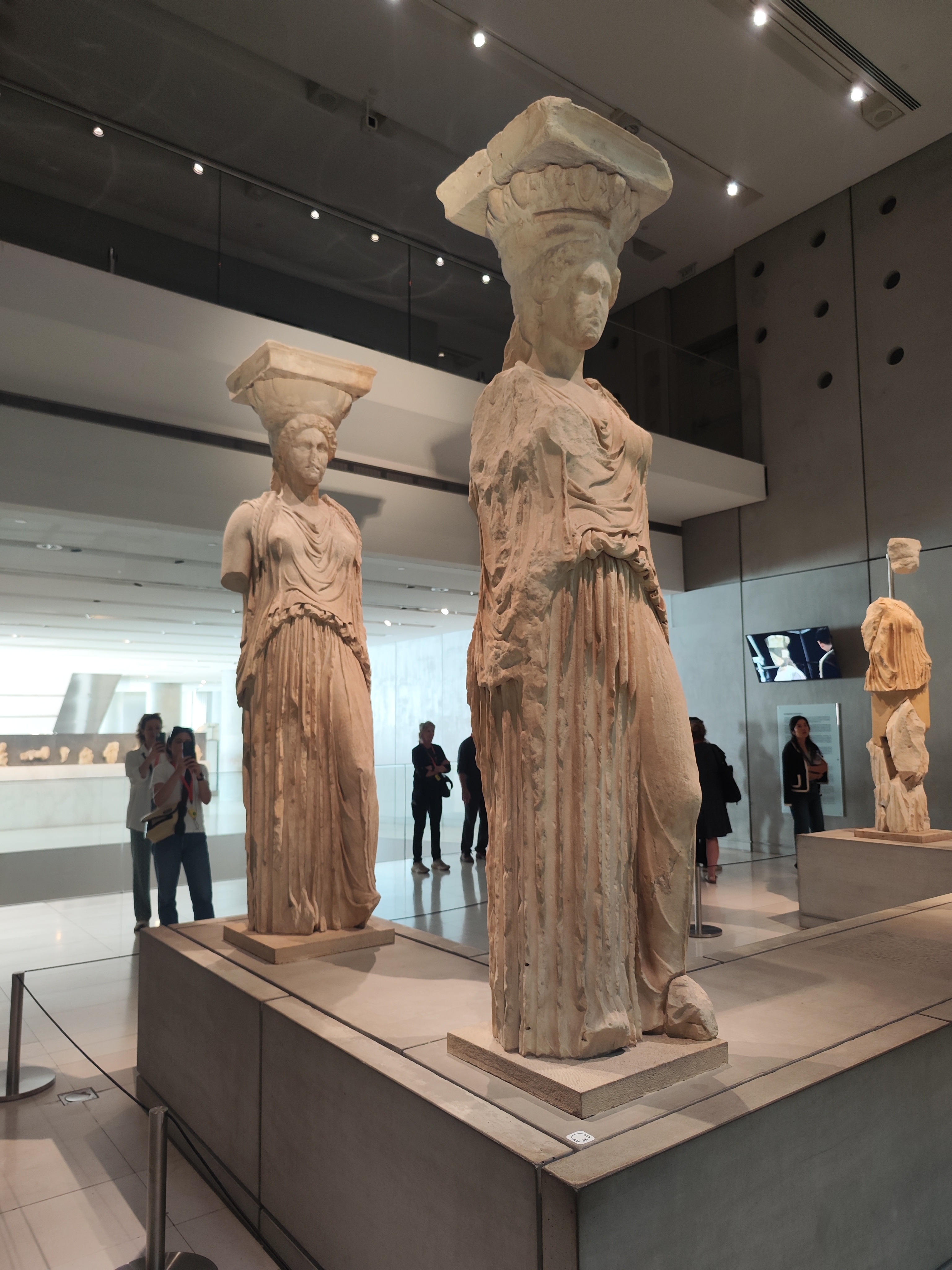
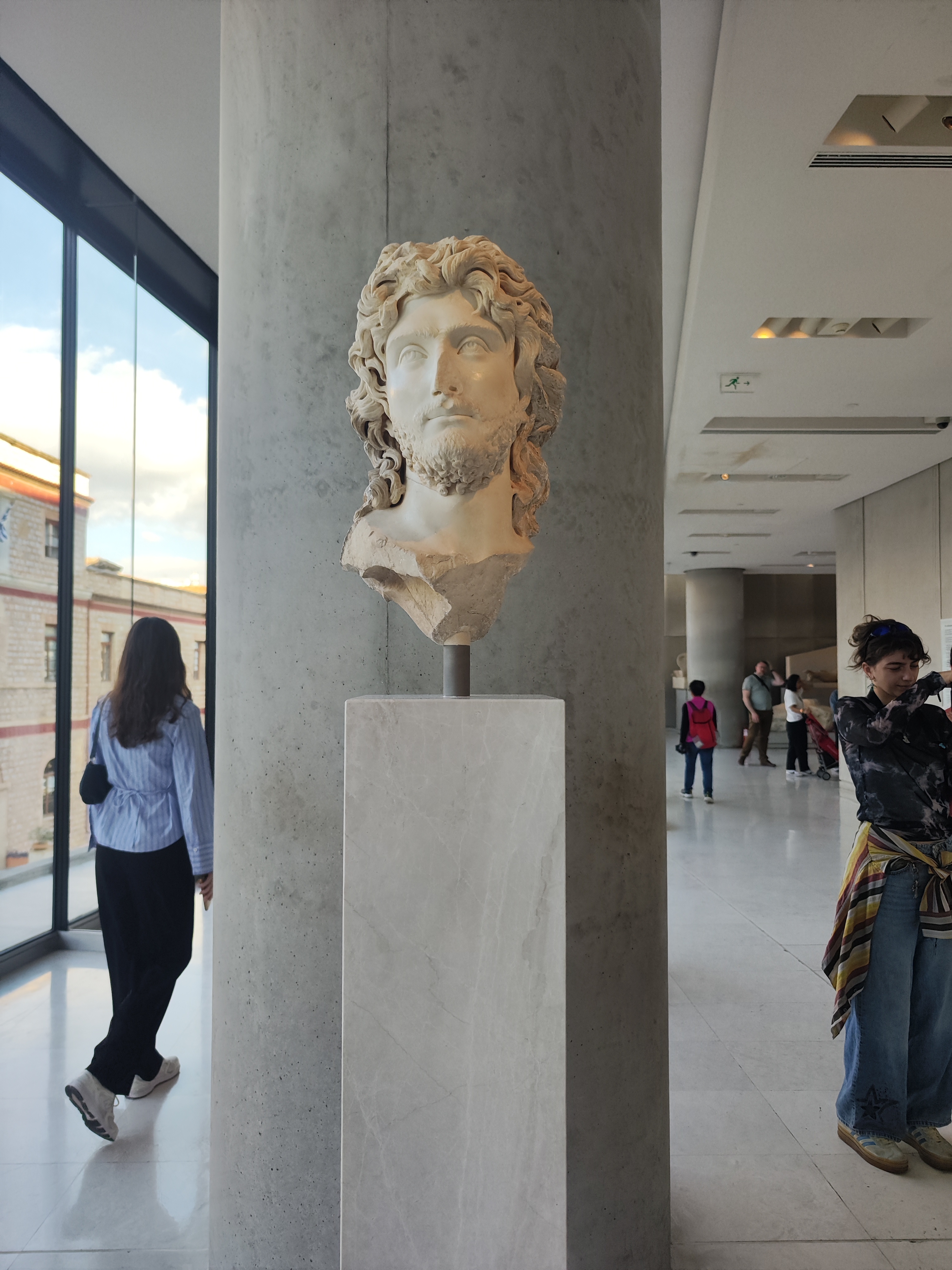
The Acropolis Museum is a sleek, modern building with huge glass walls offering a stunning view of the Acropolis, perfect foreshadowing for our visit the next day. Inside, you’ll find beautifully displayed artefacts from the Acropolis itself, including statues, everyday objects, temple friezes, and the impressive Parthenon Gallery on the top floor.
A quick note: I don’t have many photos from inside because photography is restricted in several areas, especially around the more delicate pieces. But honestly, the exhibits are so captivating that it felt good to simply take it all in.
Museum of Illusions
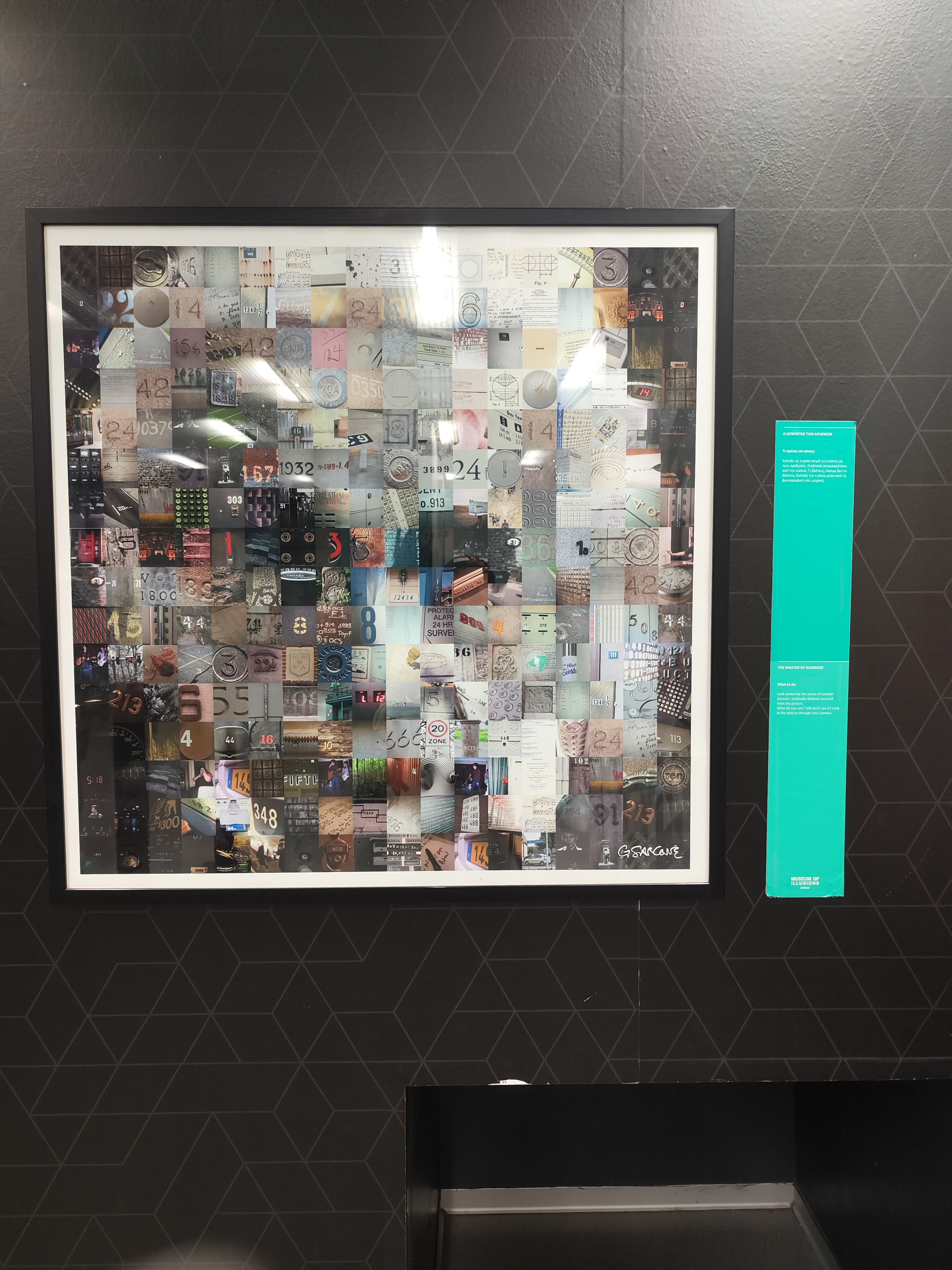
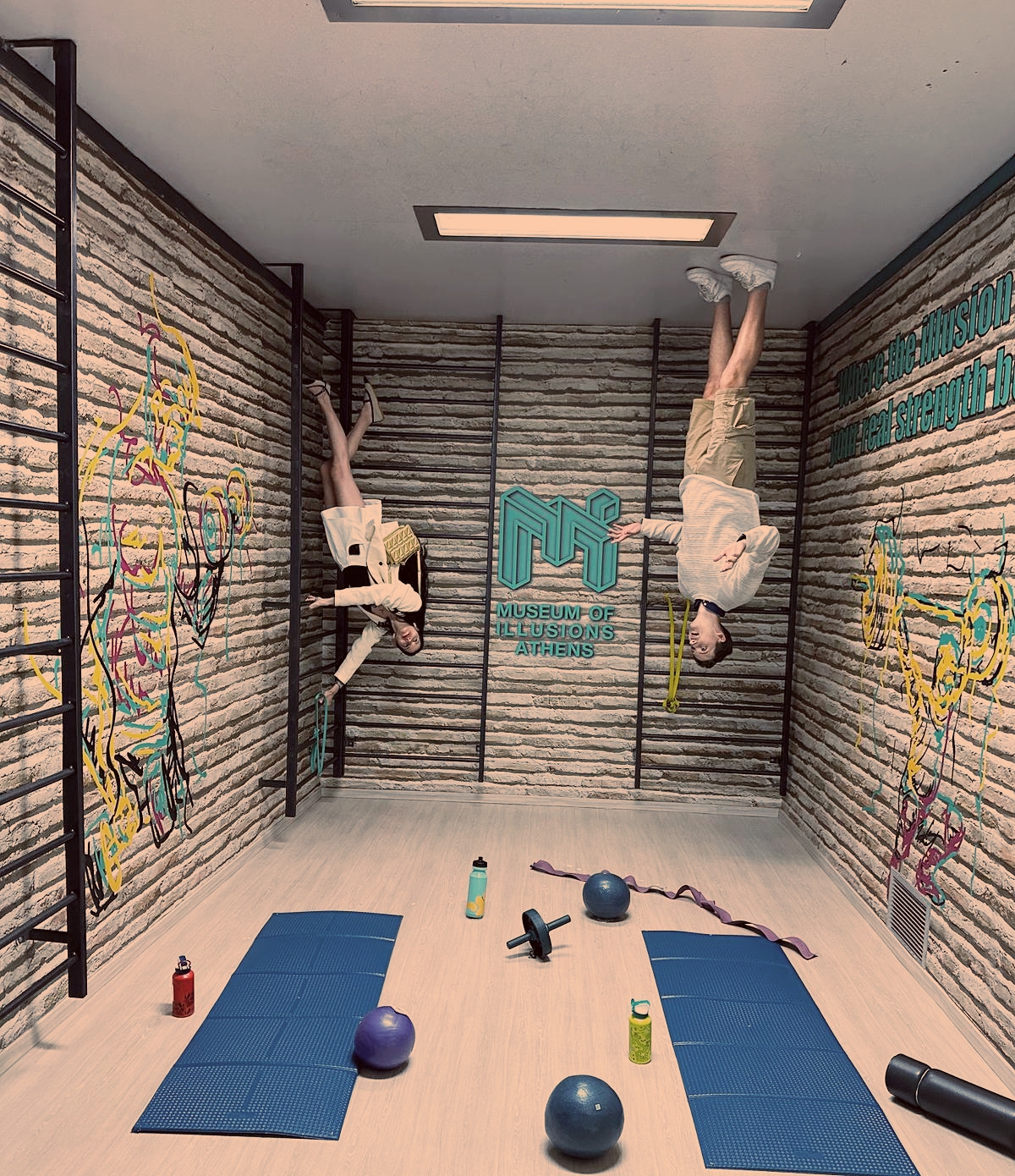
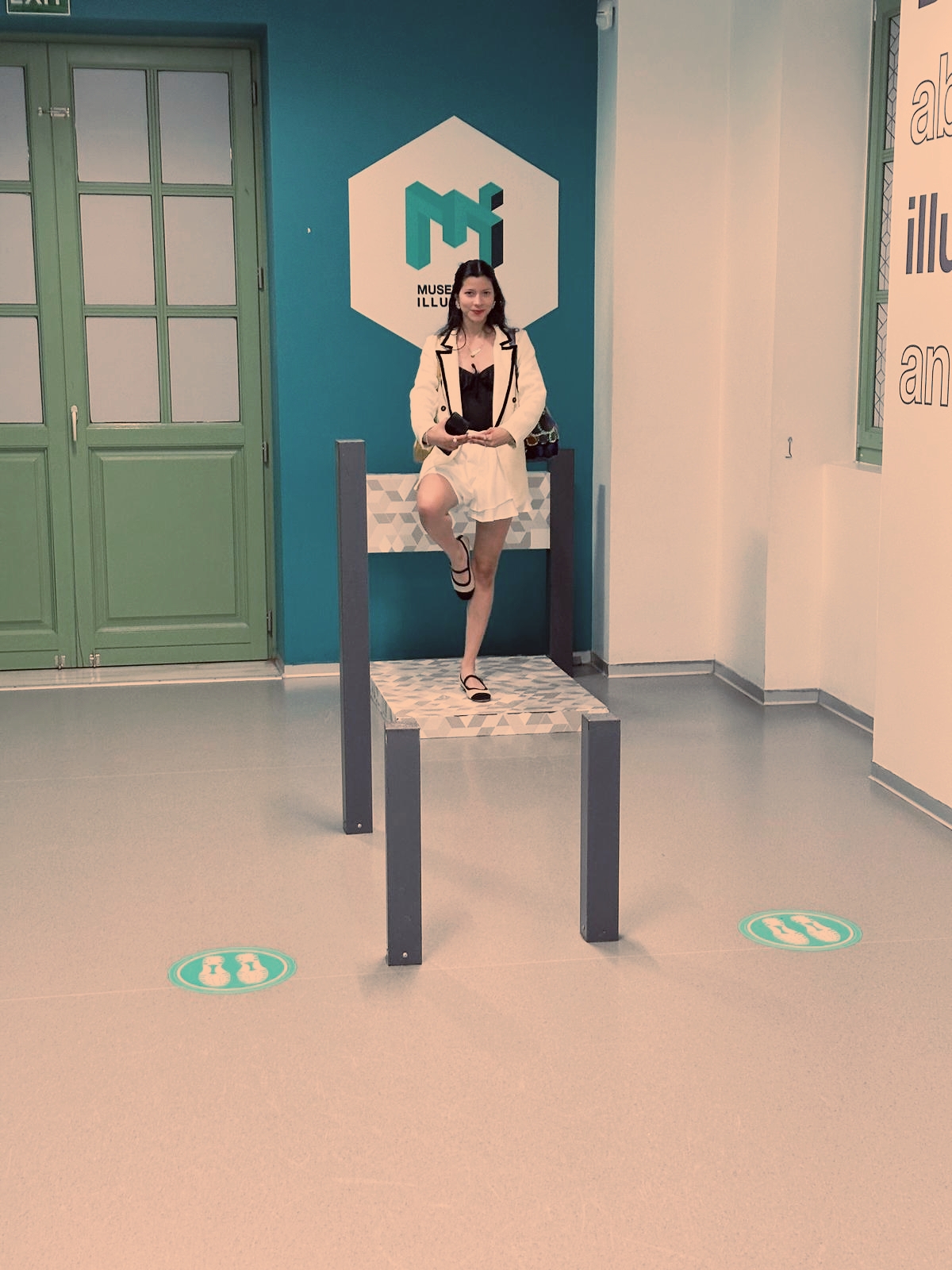
If you’re in the mood for something playful and mind-bending, the Museum of Illusions in Athens is a must-visit. It’s packed with over 60 interactive exhibits, think rooms that seem to defy gravity, optical illusions, holograms, and giant chairs that make you feel like Alice in Wonderland. It’s the perfect spot for fun photos and a little break from all the ancient history.
Getting There:
- Address: Ermou 119, near Monastiraki Square.
- By Metro: Take Line 1 or 3 to Monastiraki Station, just a short walk from there, plus, there are a lot of lovely souvenir shops around, and restaurants.
Tips:
- Set aside around 50 minutes for a full visit.
- Tickets can be bought online to skip the line, though you can get them at the door.
- Bring your camera, this is one museum you want to photograph.

Acropolis of Athens
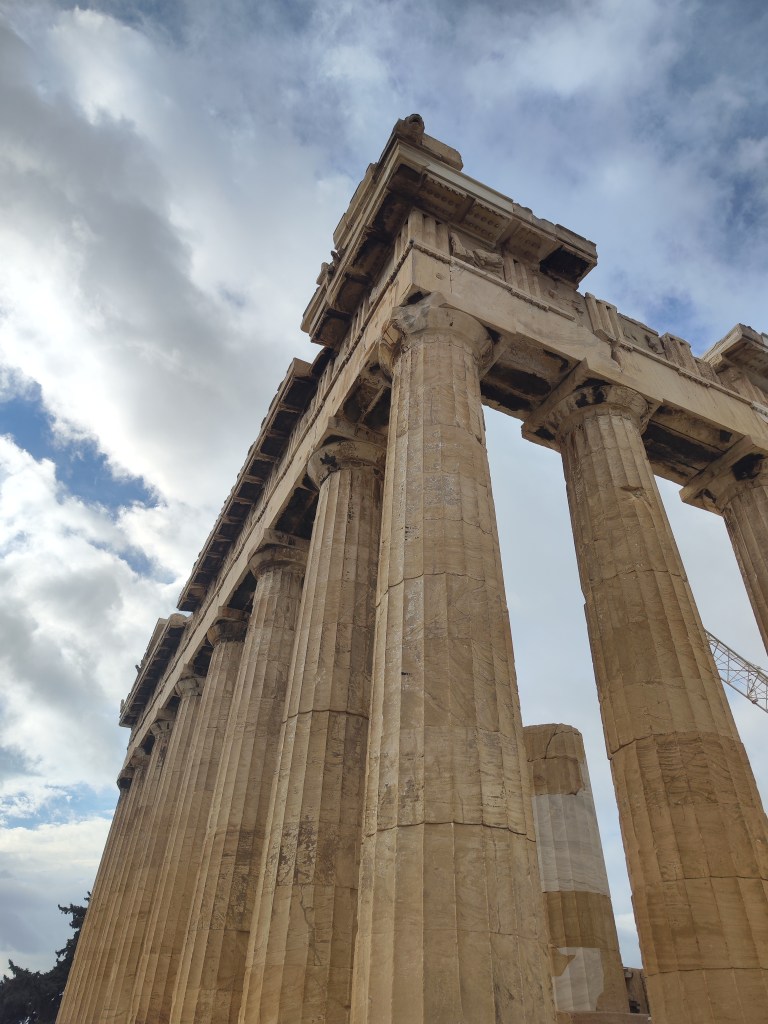
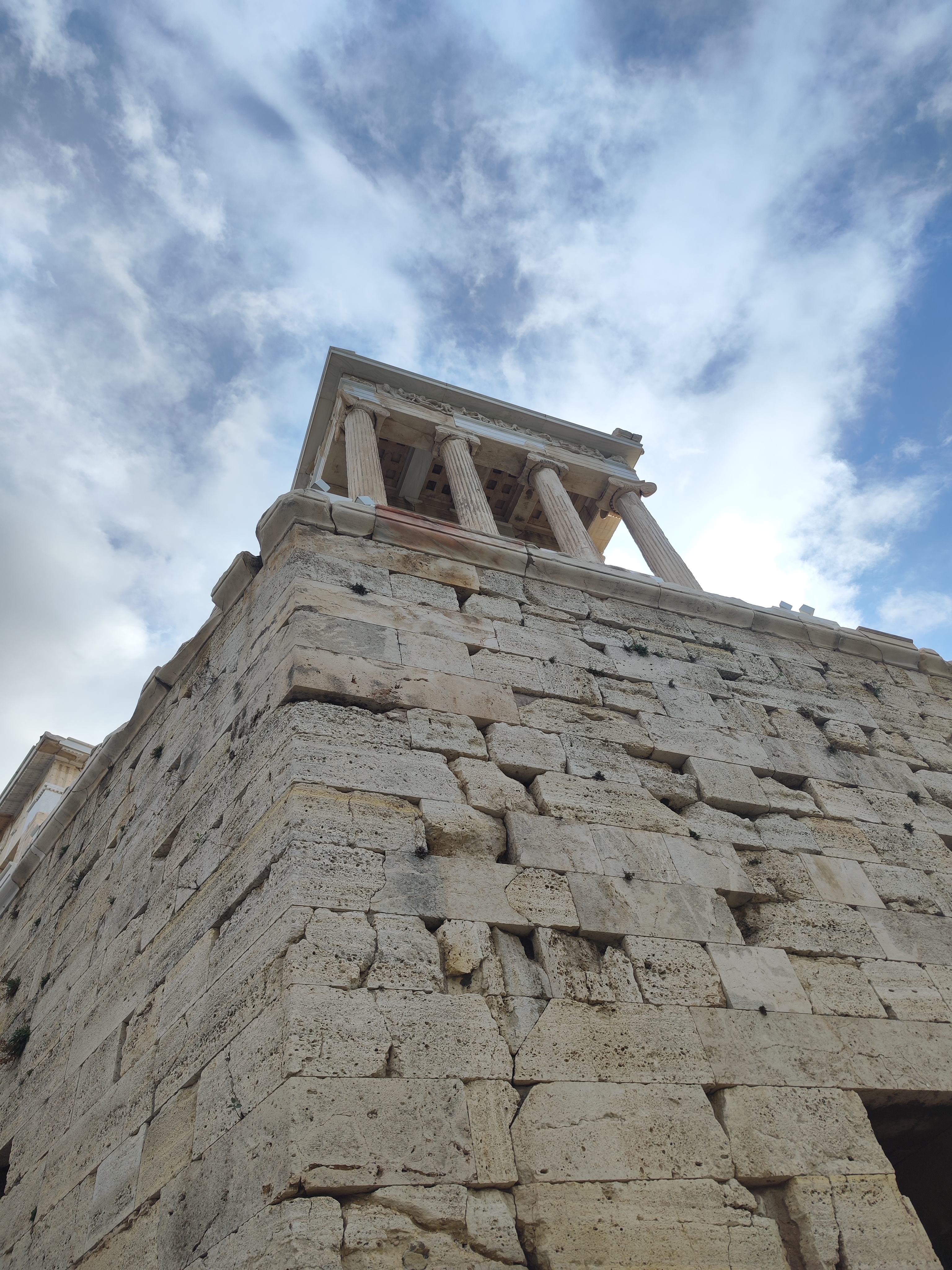
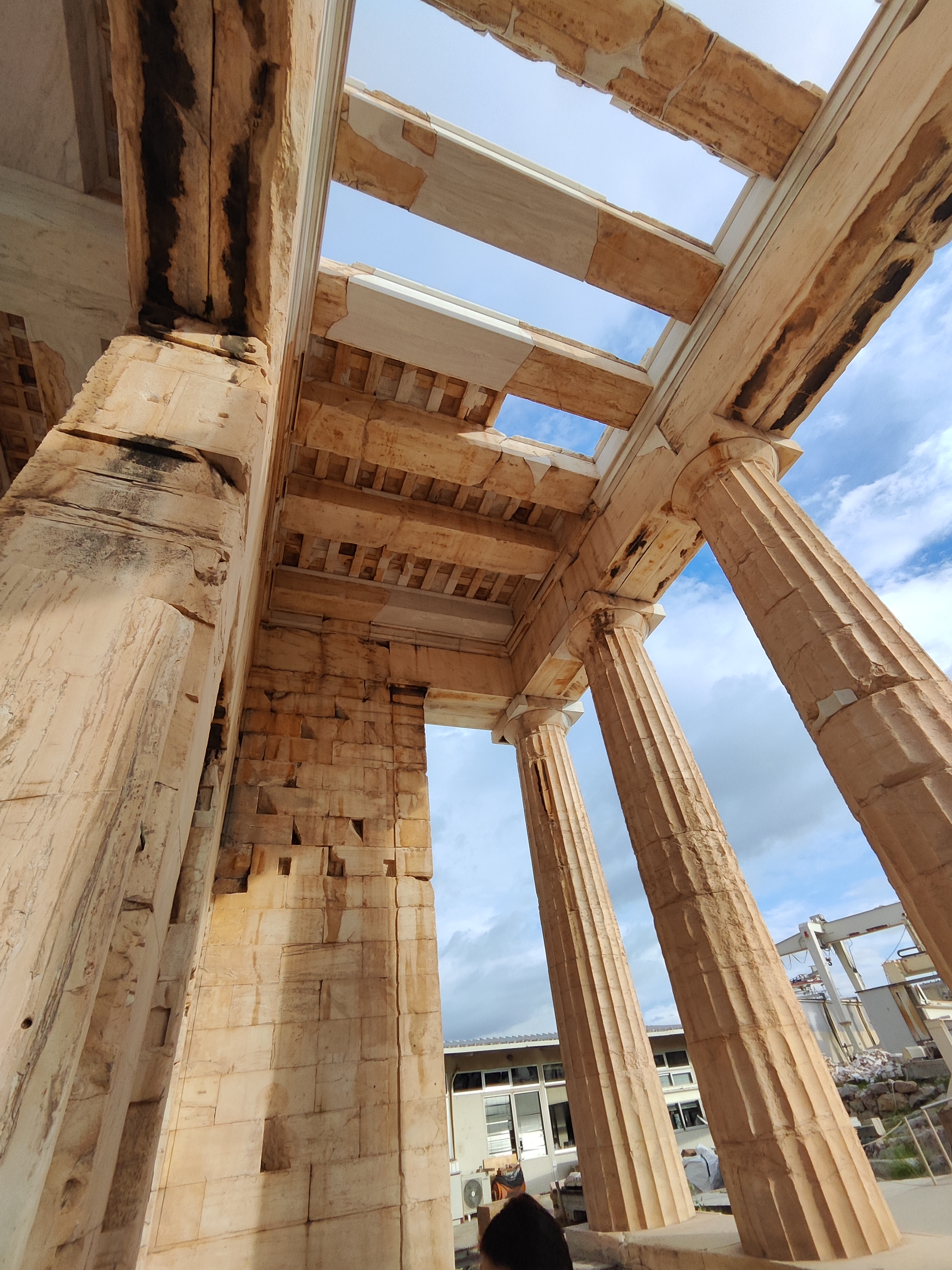
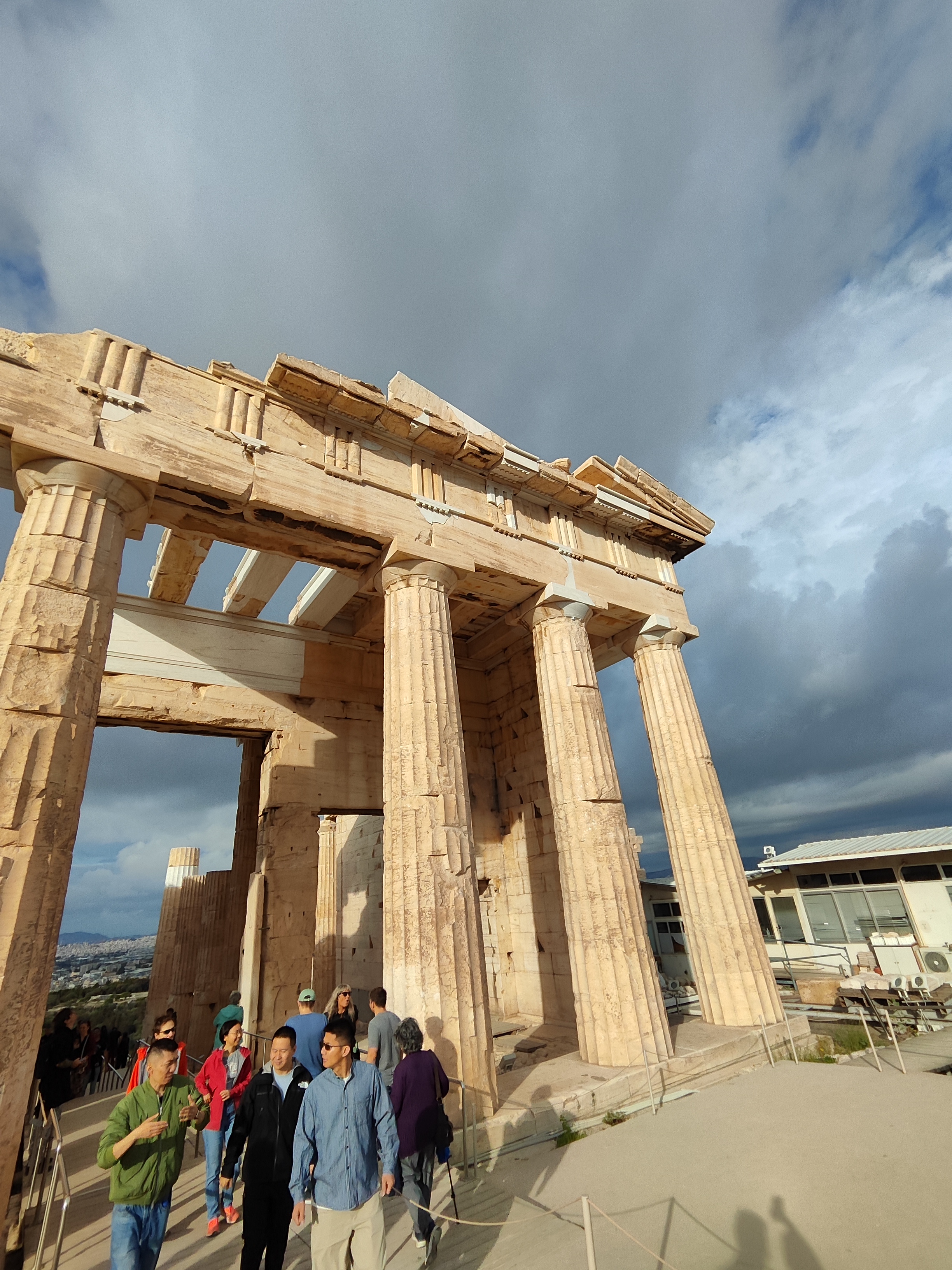
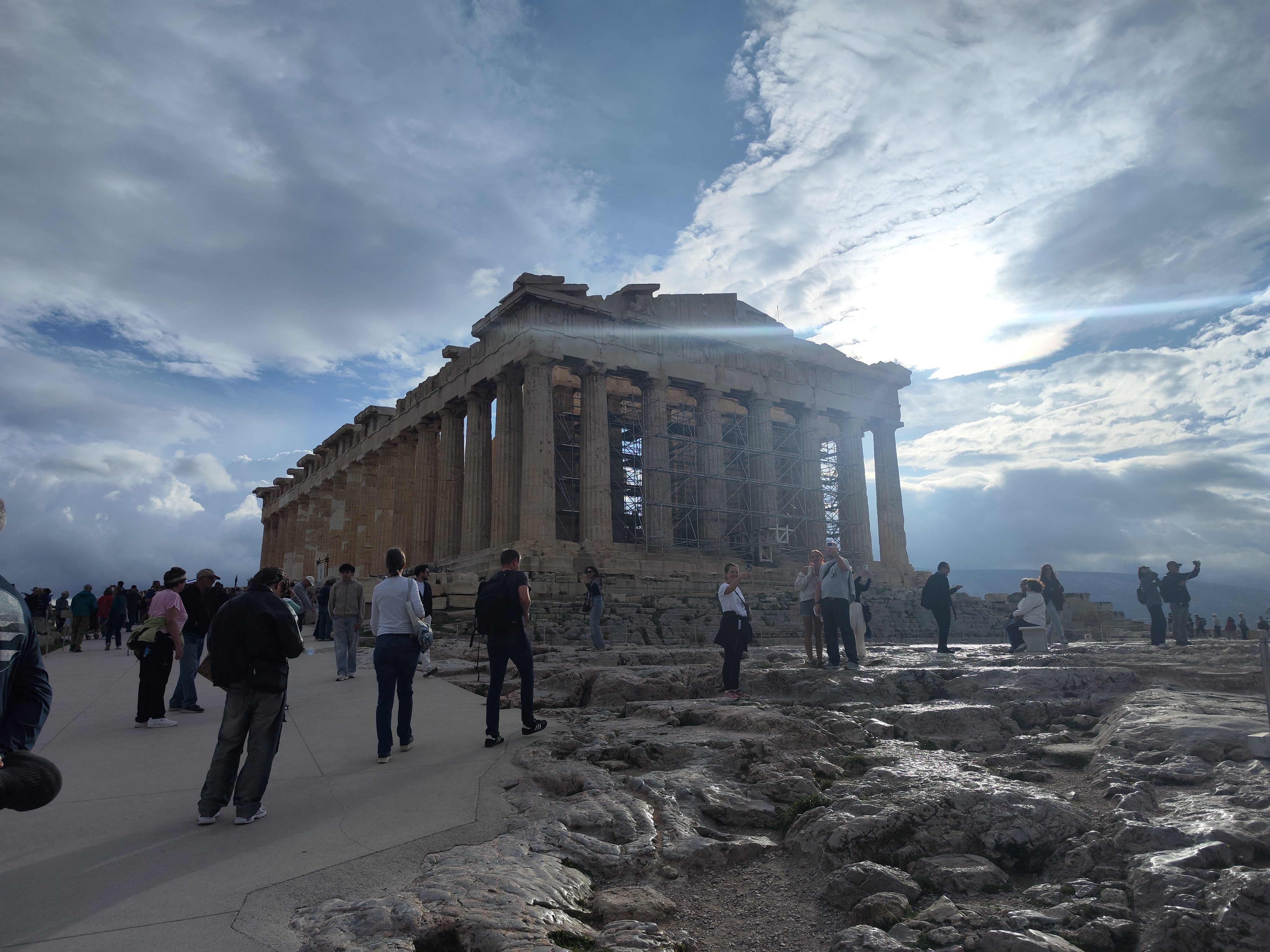
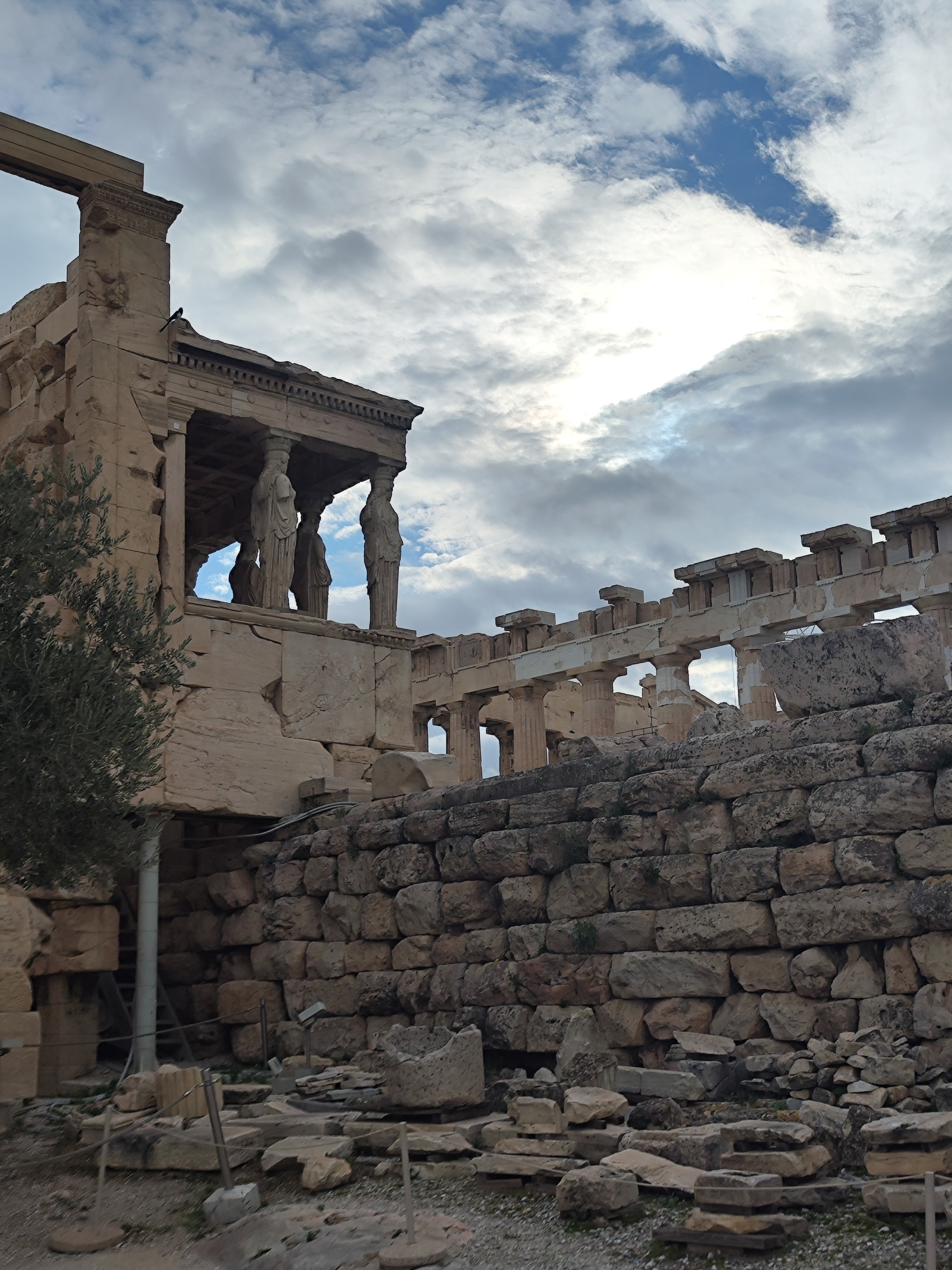
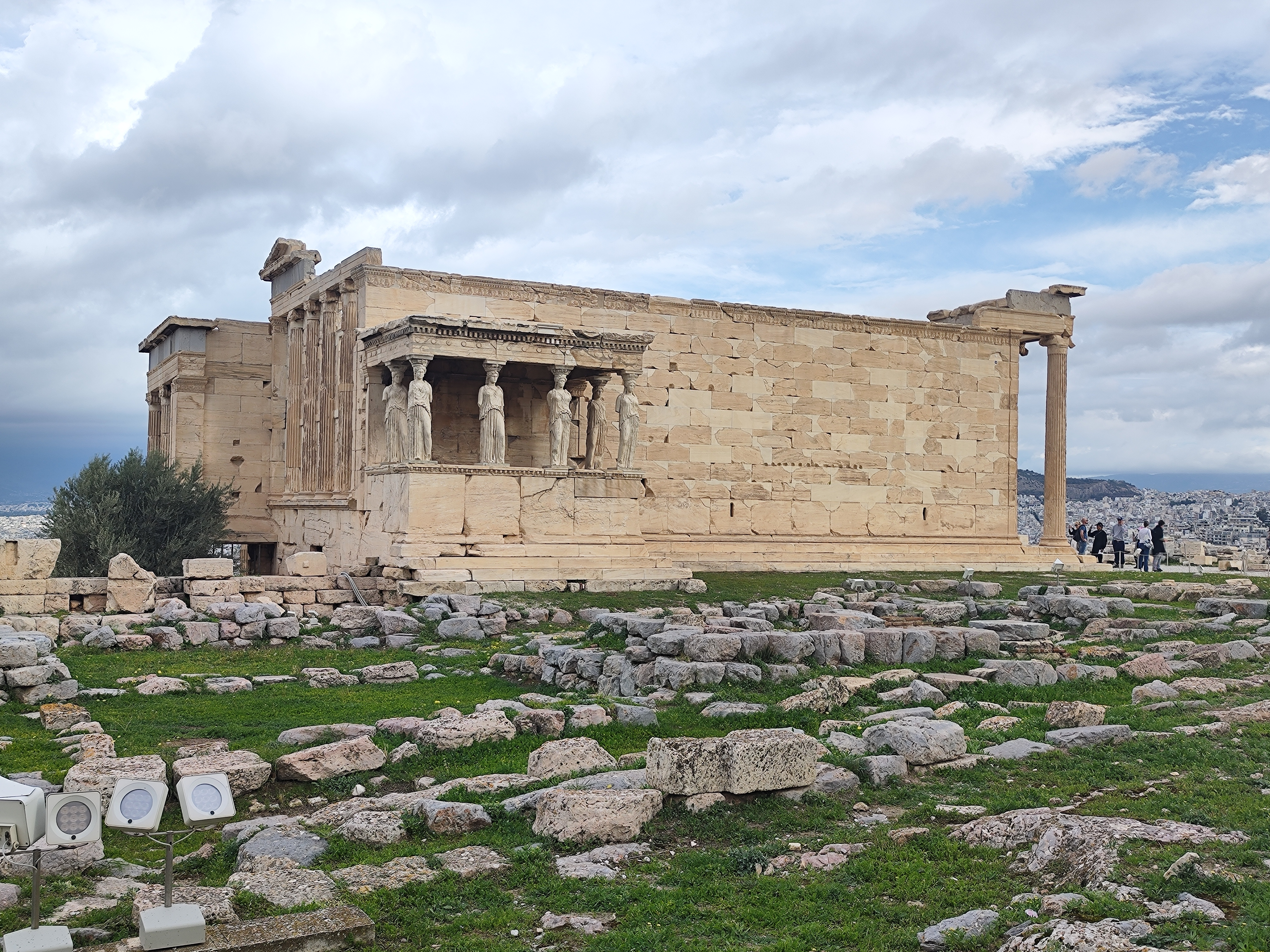
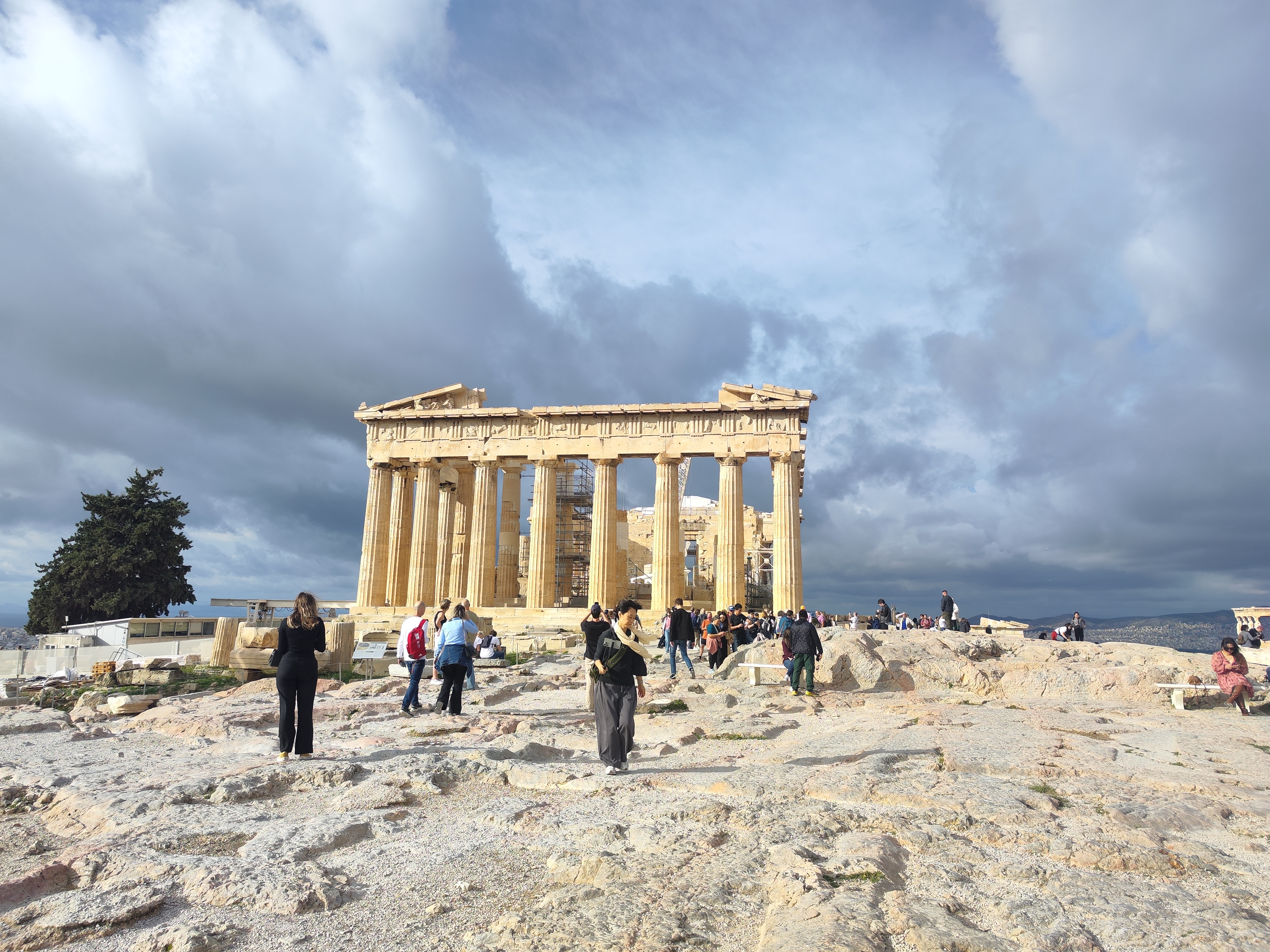
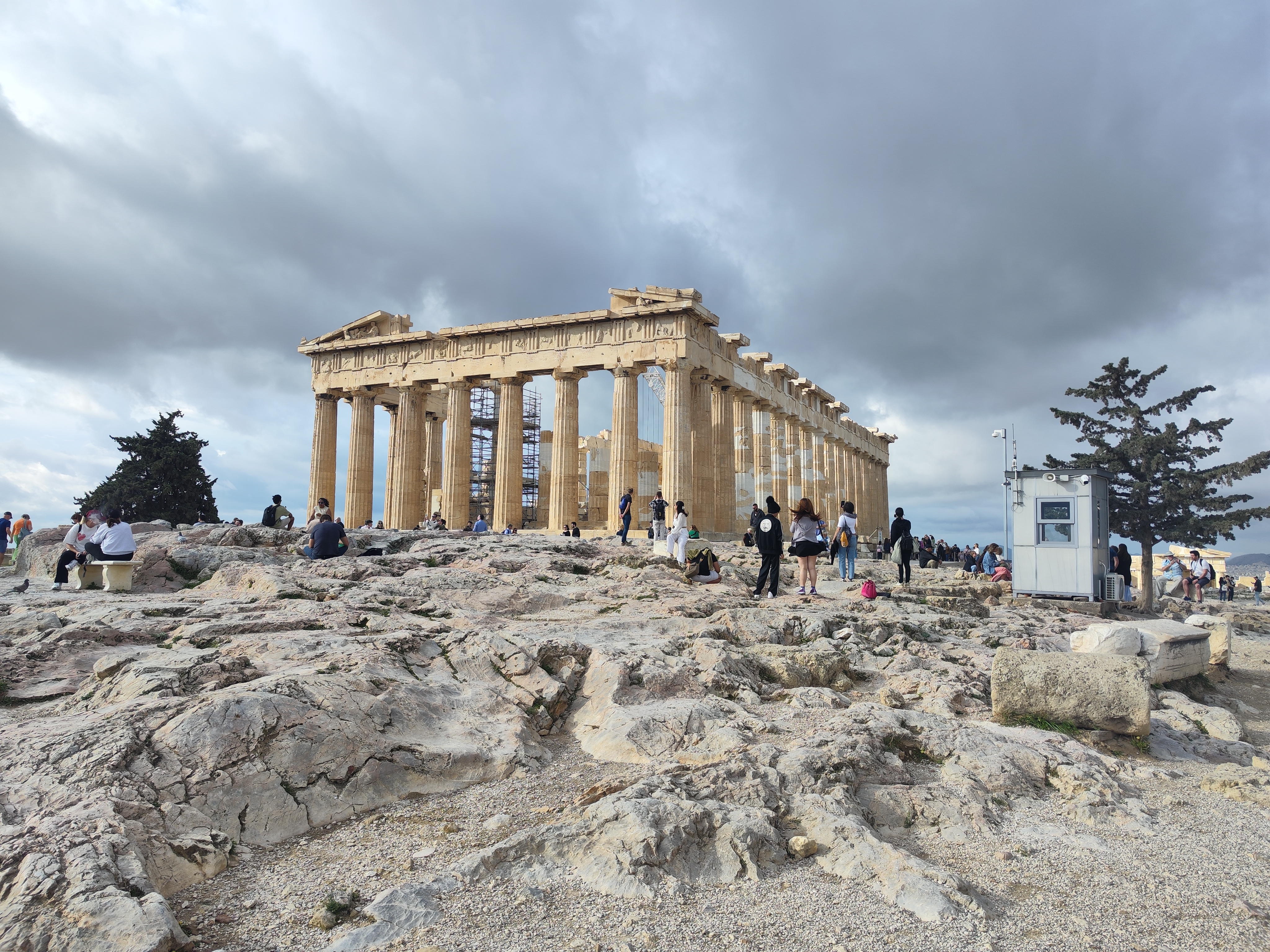
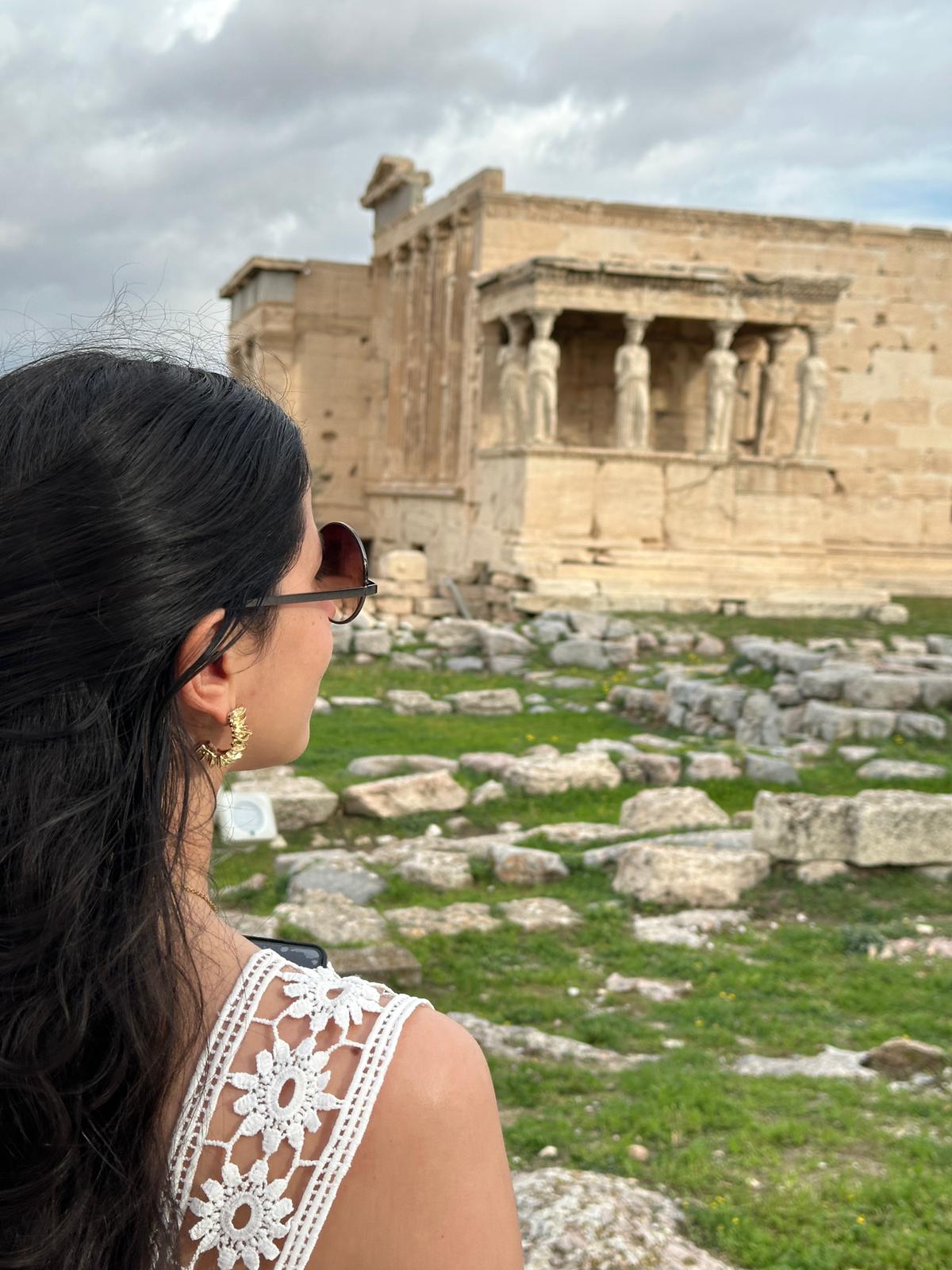
The Acropolis is, of course, the most visited landmark in Athens, and with good reason. This ancient citadel, perched high above the city, was the spiritual heart of classical Greece, home to temples dedicated to the gods, including the iconic Parthenon built for Athena.
Even though I’ve seen it before, it still captivates me every time. Reading about Greek mythology is one thing, but standing there, surrounded by the same stones, columns, and sacred spaces the ancient Greeks built to honour their gods, is an entirely different experience. You can truly feel the history and sense it.
The Acropolis was built as the sacred heart of ancient Athens, a hilltop sanctuary dedicated to the city’s patron goddess, Athena. It wasn’t just a collection of temples; it was a symbol of Athenian power, pride, and devotion. The magnificent buildings, like the Parthenon, were designed to honour the gods, protect treasured artworks, and showcase the city’s brilliance to the world.
The Parthenon is a masterpiece of ancient engineering. Built entirely from Pentelic marble, it’s designed with clever optical illusions: the columns lean slightly inward, the steps curve upward, and nothing is perfectly straight, all to make the temple look flawlessly symmetrical to the human eye. Inside once stood a massive gold-and-ivory statue of Athena, the pride of Athens.
The Temple of Athena Nike, perched on a smaller platform at the entrance of the Acropolis, is much more delicate. It’s an elegant little Ionic temple built to honour Athena as the goddess of victory. Its friezes and sculptures celebrated military triumphs, while its graceful columns and open design gave it a light, almost floating appearance above the city.
Both temples show how the ancient Athenians blended art, architecture, and devotion into something truly timeless.
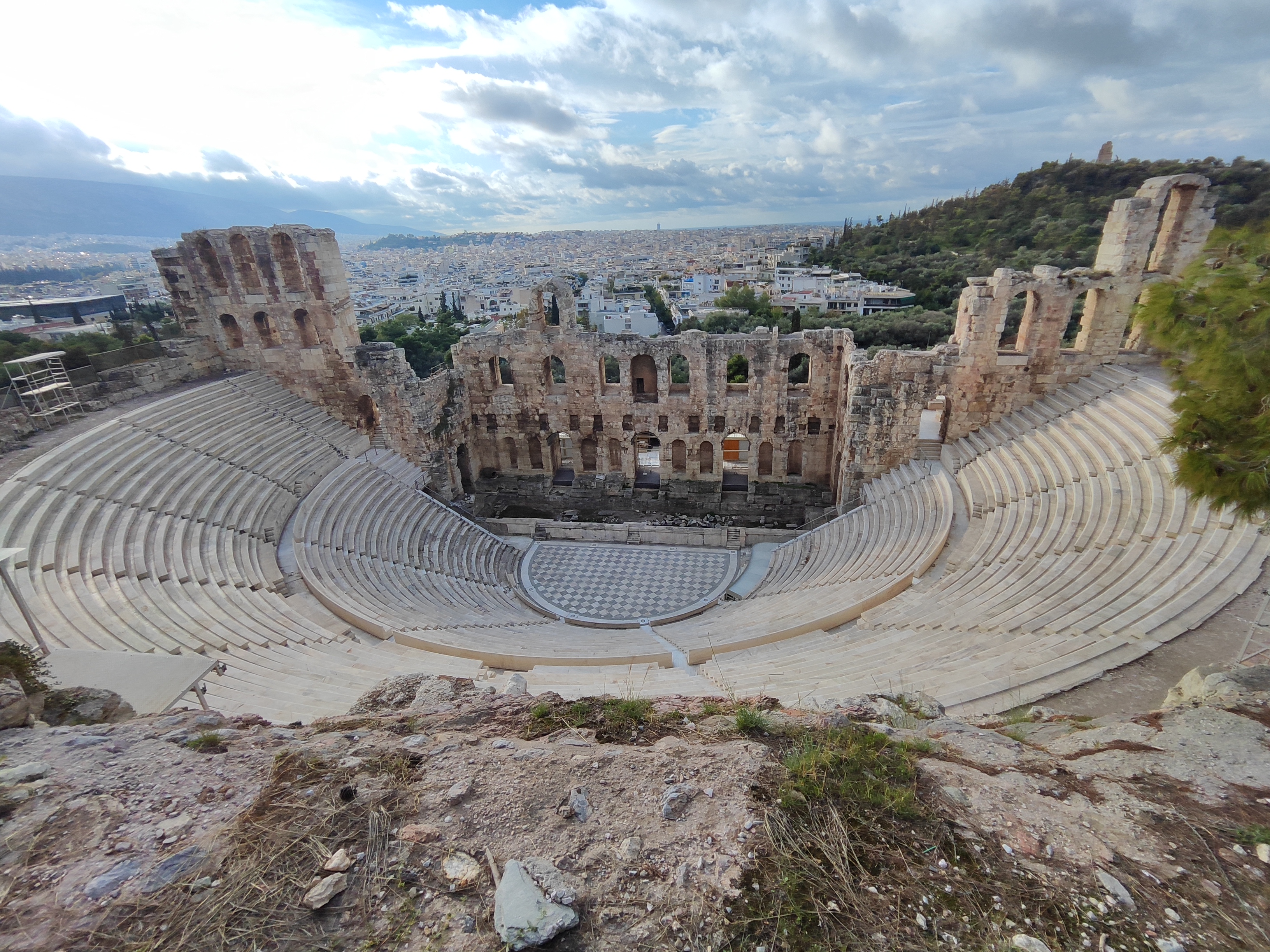
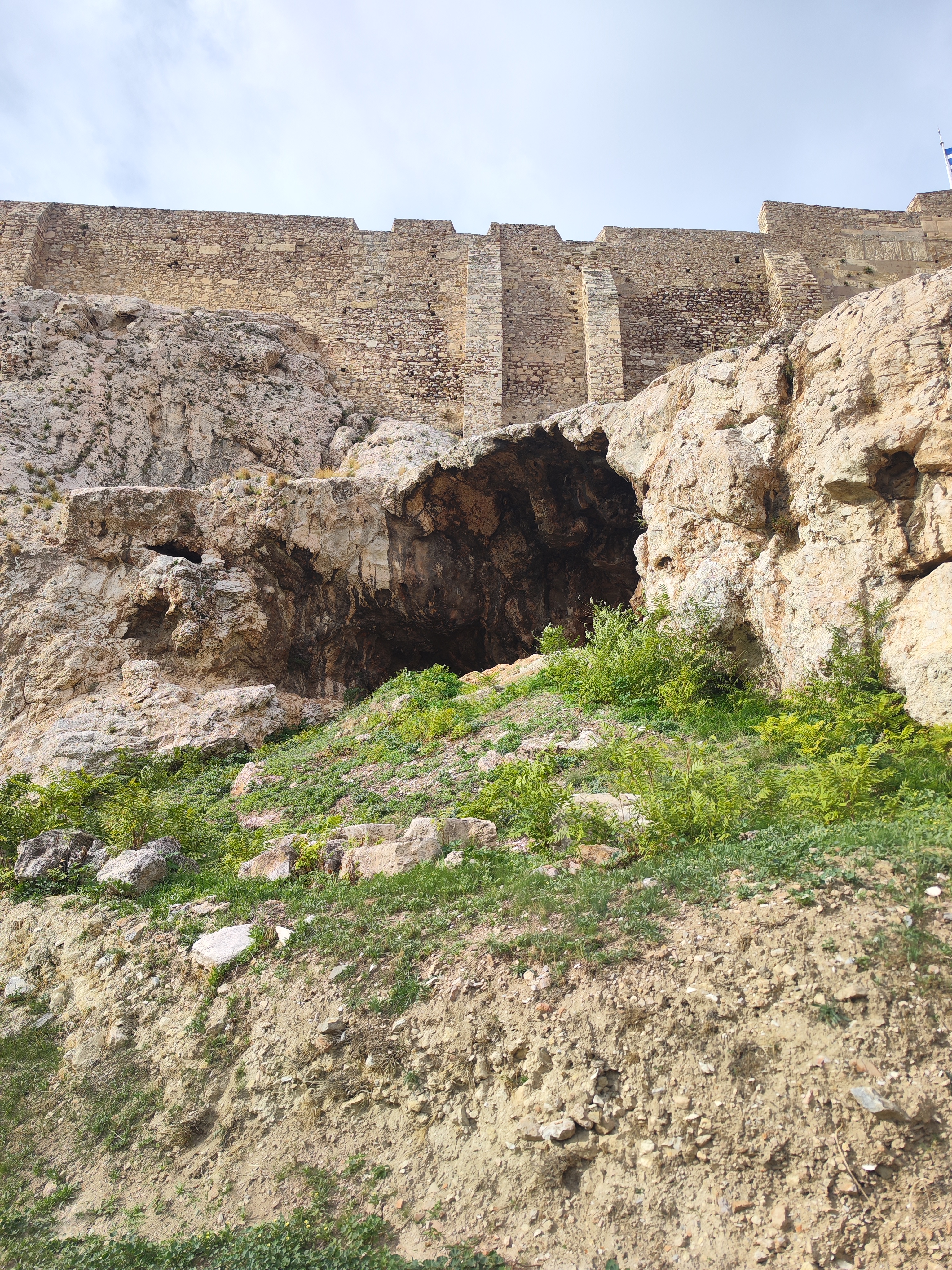
We also saw some Slopes and caves, and then headed to a family business distillery.
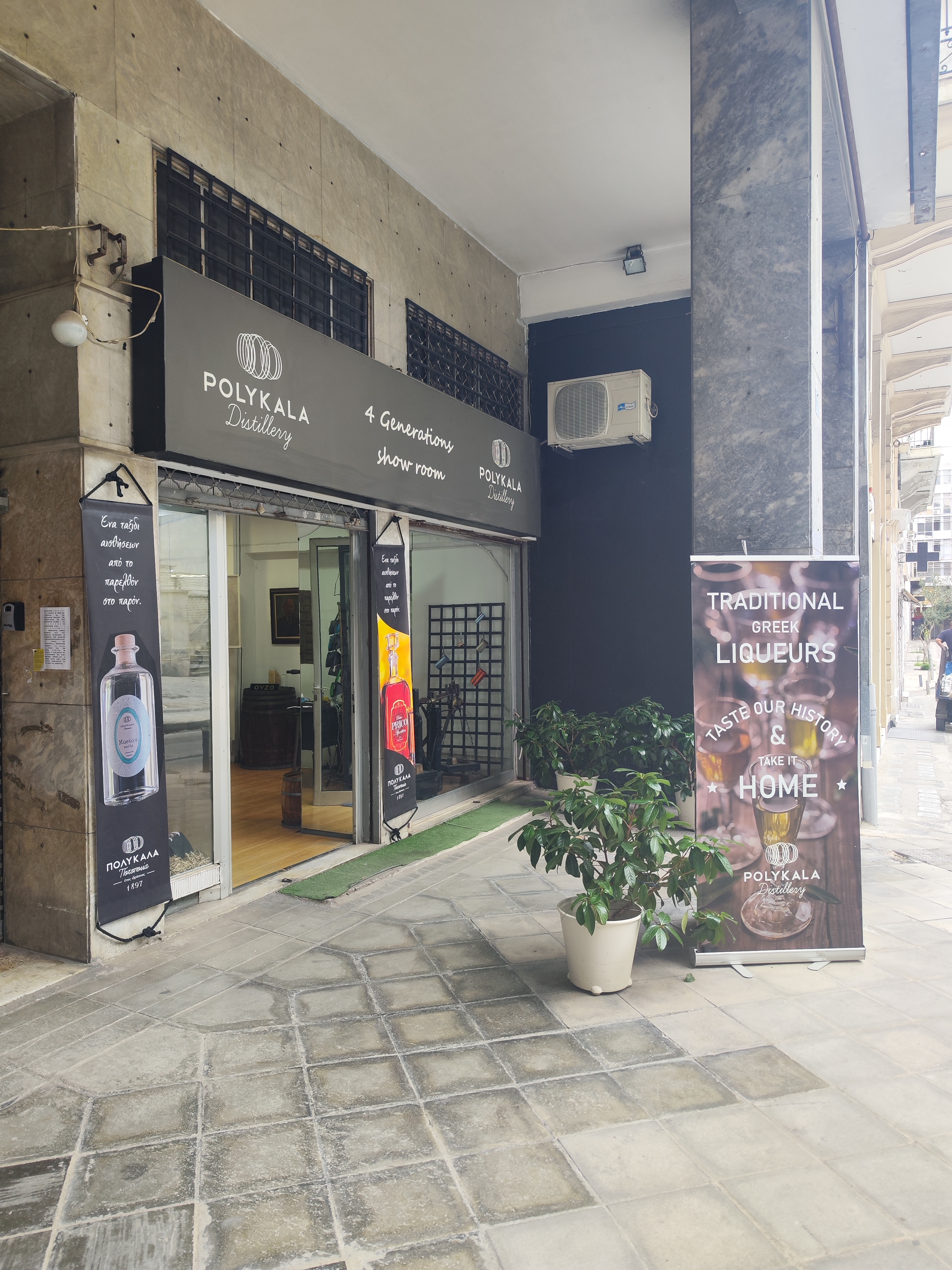
Polykala Distillery
Nestled in the heart of Athens, Polykala Distillery is a living piece of Greek liquid history, a family-run distillery that’s been crafting unique spirits since 1897, with four generations of tradition, amazing. Originally founded in Lixouri, Kefalonia, by Vassilis Polykalas, the business has passed through four generations, each one preserving his passion for traditional recipes.
Their product line includes a beautifully curated “1897 Collection” of liqueurs, think mastic from Chios, bitter almond (known locally as mandola), rose, lemon, and many more.
They also produce tsipouro (a traditional Greek grape-based spirit) at 40% ABV, and a classic ouzo, distilled in copper stills and flavoured with herbs and a dominant note of anise. And other liquors with fruits, nuts and even roses!
Our guide, Rena, was incredibly kind and explained everything so clearly that it made choosing a bottle of liquor to bring home surprisingly difficult, everything sounded amazing!
Why Visit:
- The showroom is not just a shop, it’s a walk through over a century of family heritage.
- Tasting their spirits is a real treat, especially if you’re into craft liqueurs and local traditions.
- Their bottles make for unique, high-quality souvenirs, a taste of Greece in a gift.

Hop-on-Hop-off bus
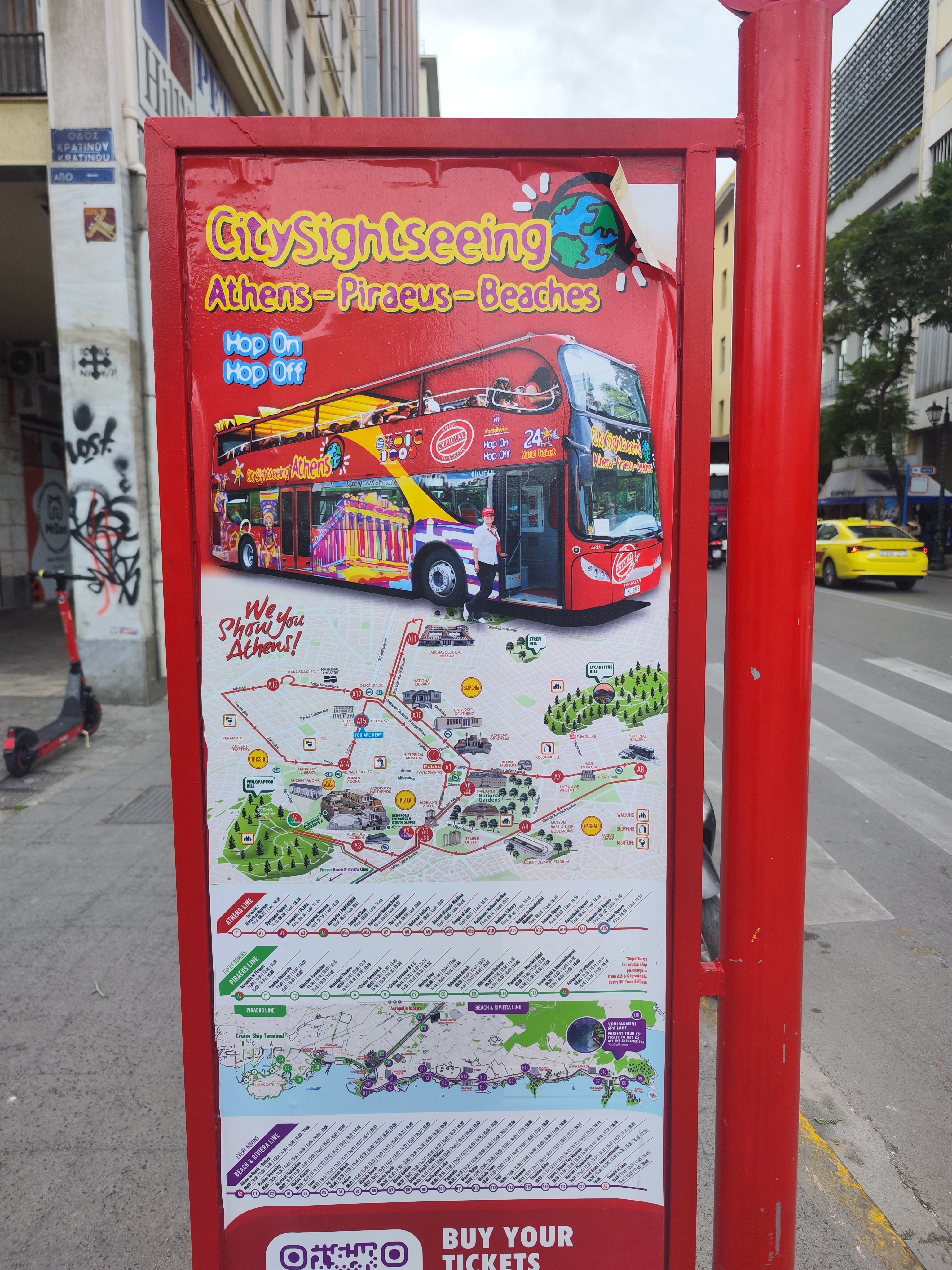
This was so much fun! We almost got on the wrong bus the first time, but the staff kindly pointed us to the right stop. It’s a great, quick way to see Athens’ main attractions, with an audio guide available in multiple languages to make the ride even more enjoyable.
🚌 Main Hop-On Hop-Off Lines in Athens
City Sightseeing / Grey Line
Beach / Riviera Line (Green / Yellow):
Travels along the Athenian Riviera toward Glyfada and Vouliagmeni, with stops at seaside spots and lakes
Athens Line (Red / Orange):
Covers central Athens, Syntagma, Plaka, Acropolis Museum, the Acropolis & Parthenon, Temple of Zeus, National Archaeological Museum, and more.
Piraeus Line (Blue / Purple):
Links Athens with Piraeus, including the cruise terminals, planetarium, and waterfront.

Ilias Lalaounis Jewellery Museum
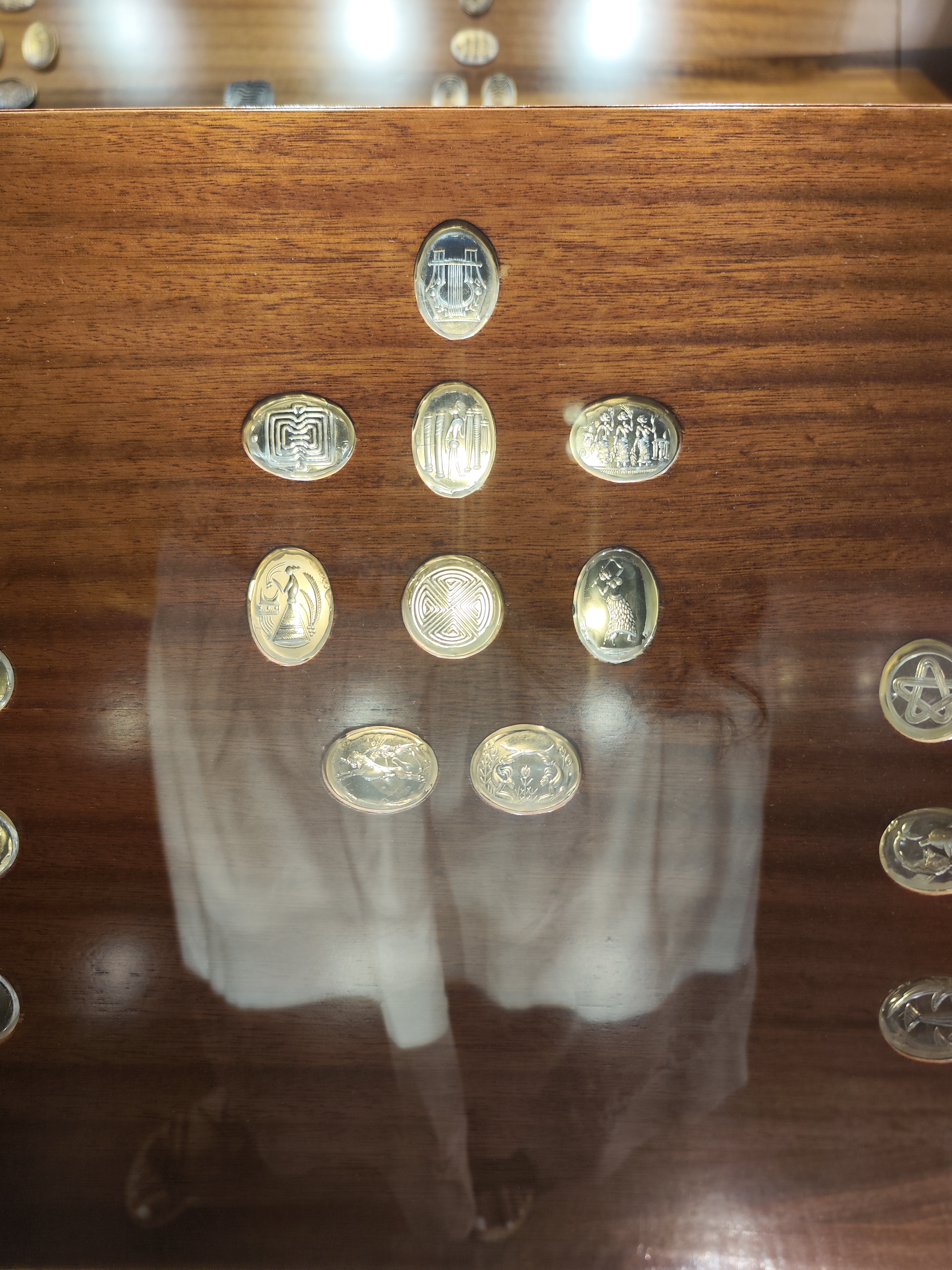
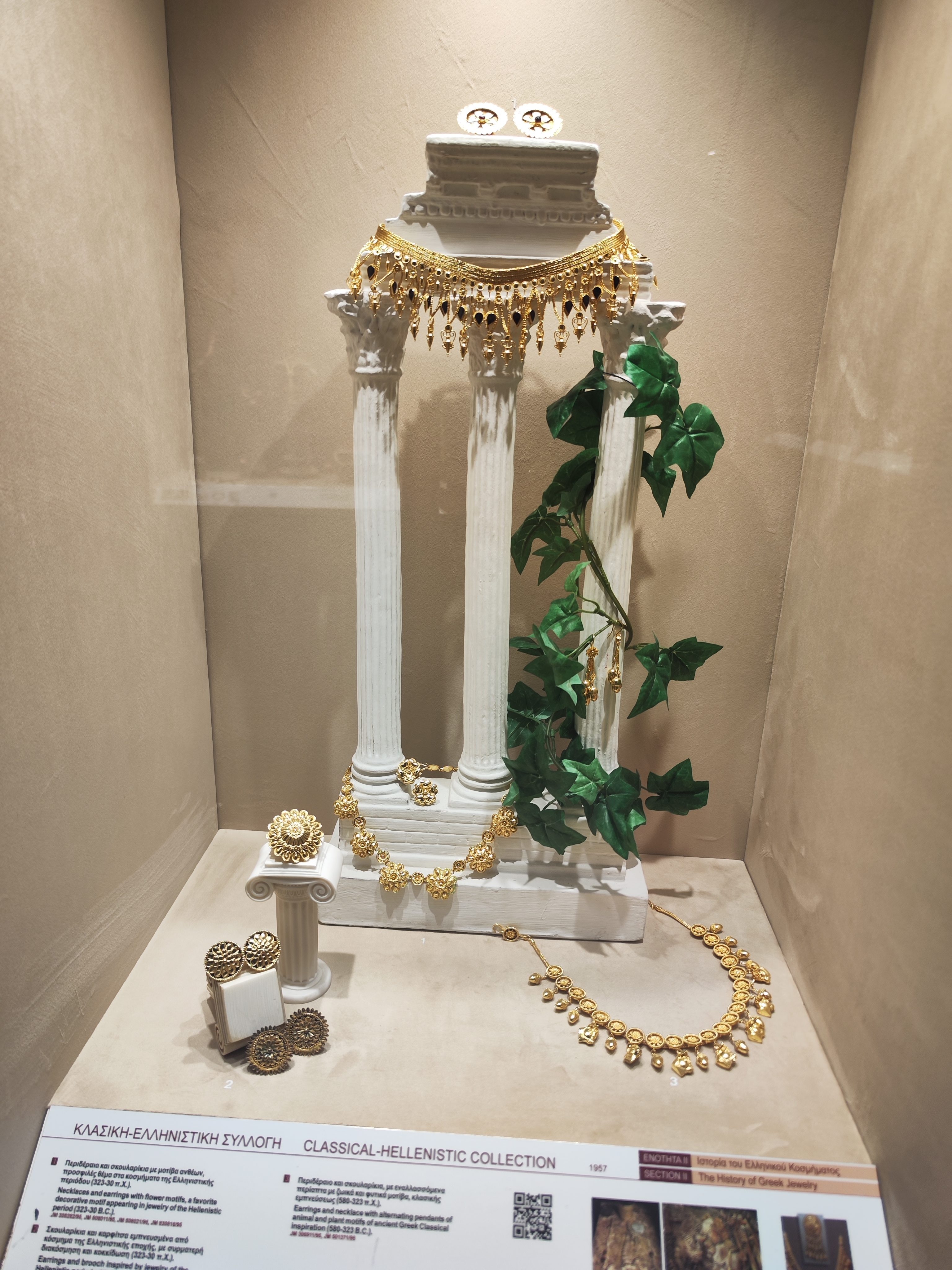
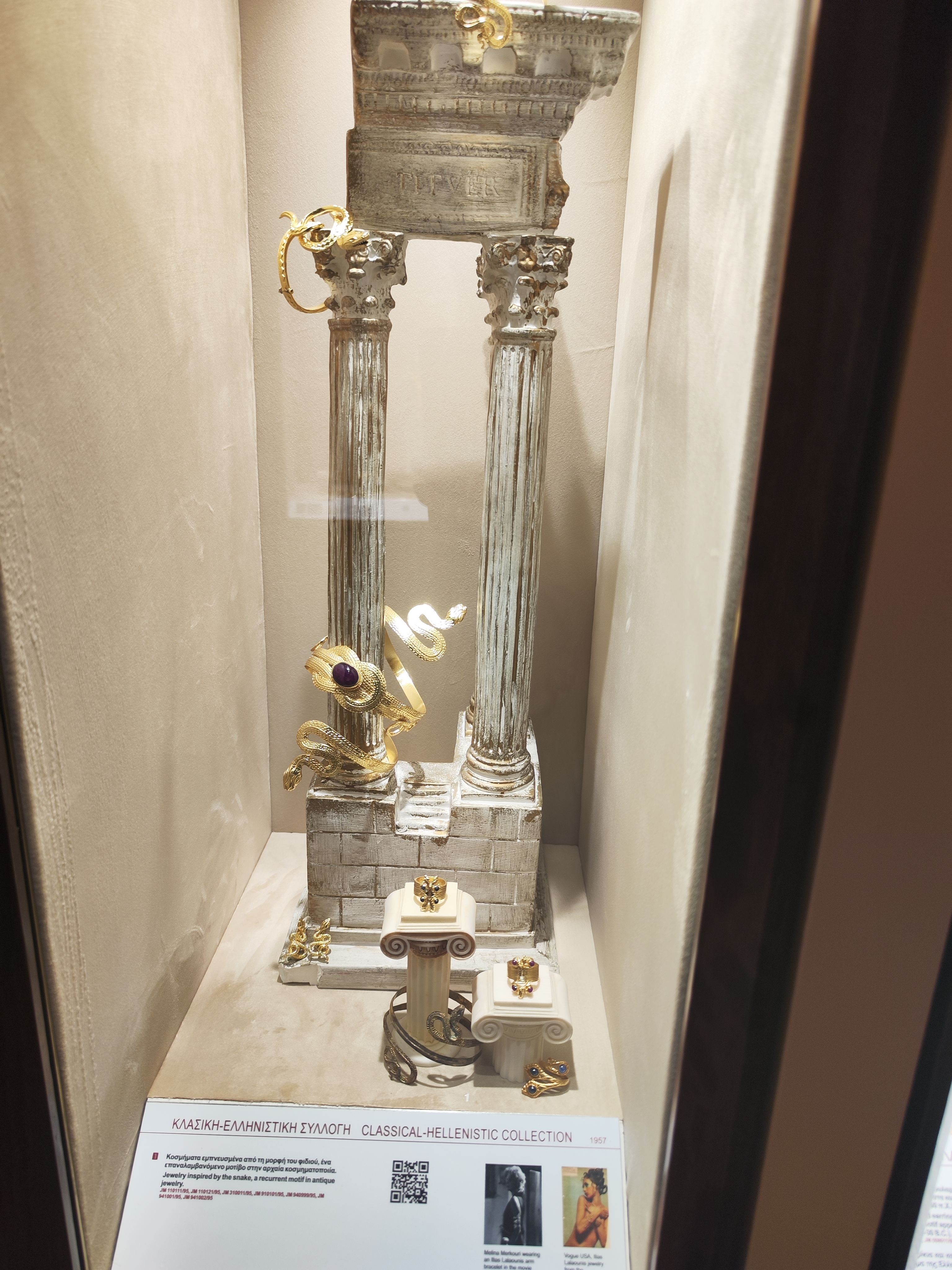
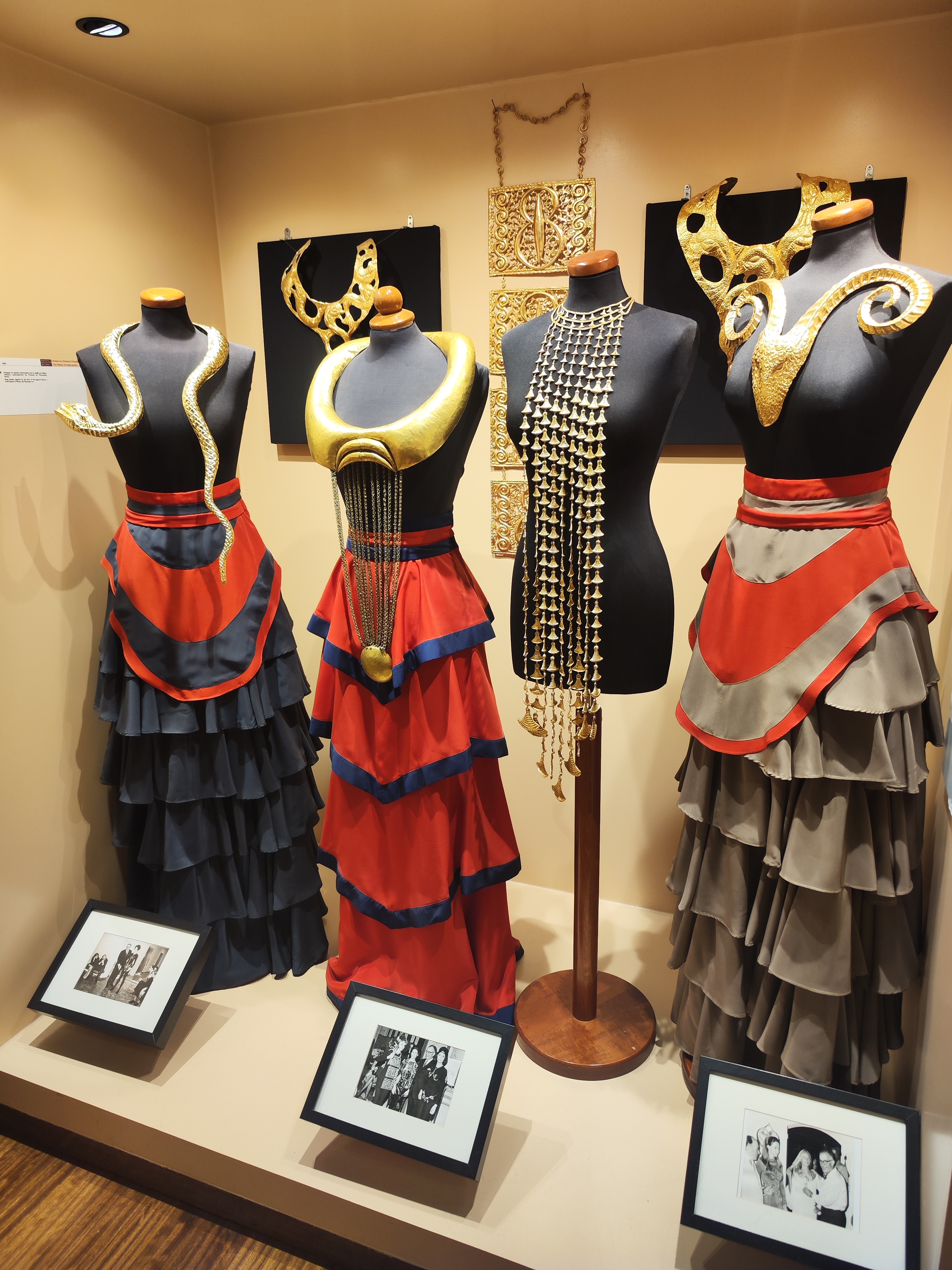
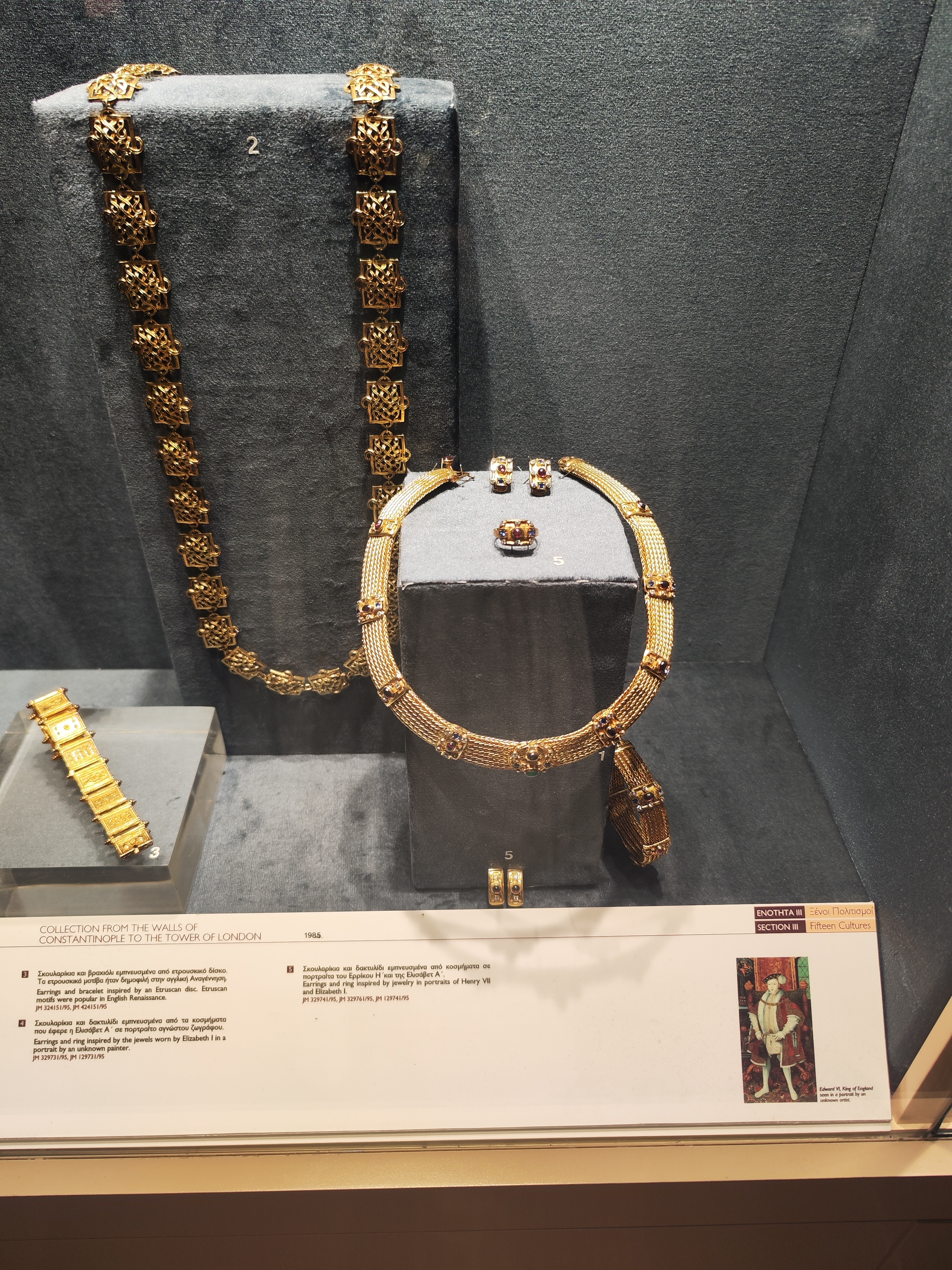
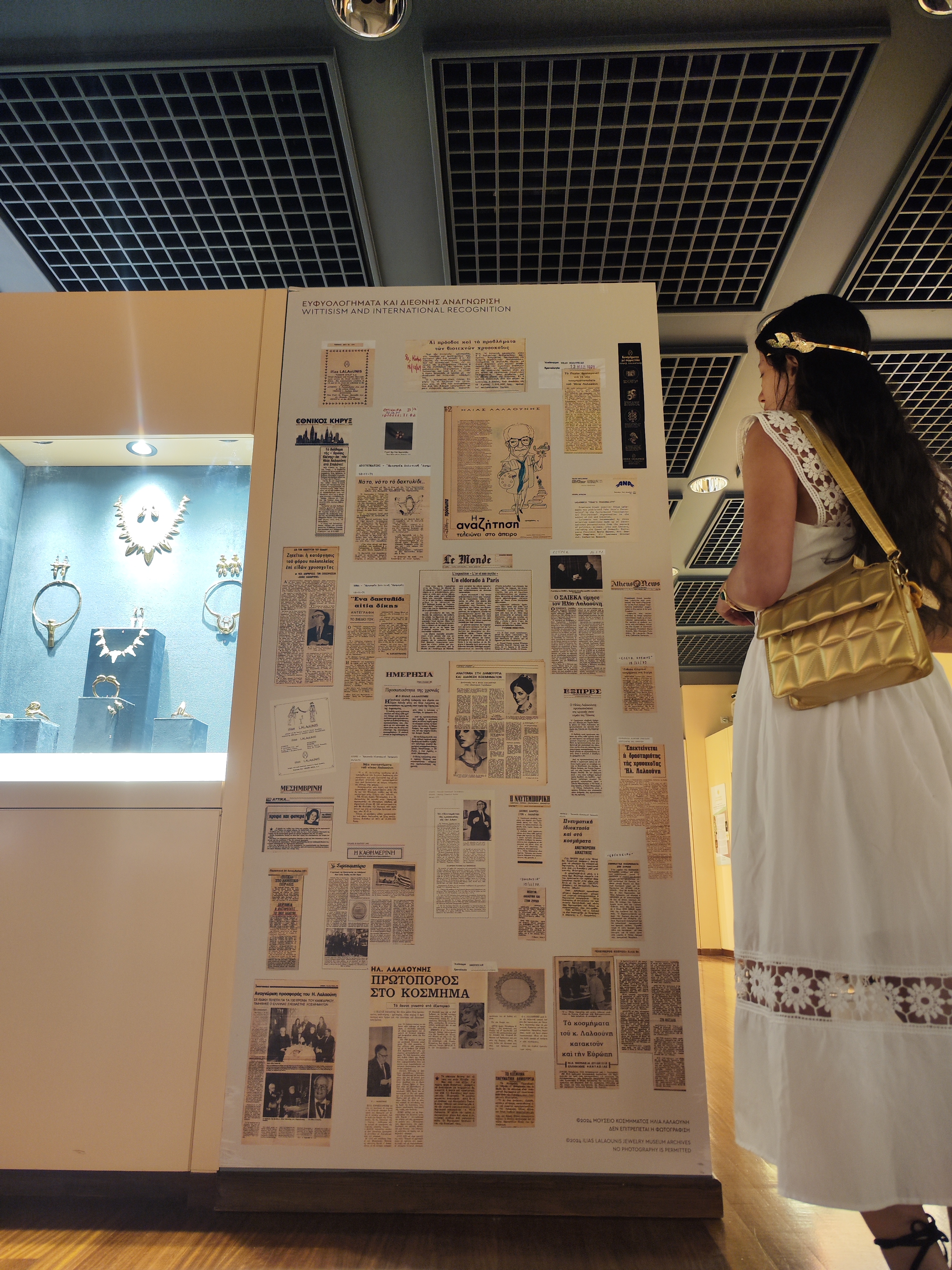
Tucked beneath the southern slope of the Acropolis, the Ilias Lalaounis Jewellery Museum (ILJM) is Greece’s only museum dedicated entirely to the art of jewellery.
Inside, you’ll find over 4,000 pieces designed by Ilias Lalaounis himself, spanning 50 collections made between the 1940s and 2000s. His designs draw on an amazing variety of influences, including Ancient Greek art, Byzantine culture, nature, science and technology, and even world cultures.
One of the coolest parts? You can visit Lalaounis’s original workshop, where he crafted many of his iconic pieces. Watching the techniques he perfected is like stepping into a living jewellery studio. We had the chance to watch two talented artists crafting beautiful jewelry. Alkistis Papagianni walked us through the basic techniques of jewelry making, and trying our hand at it was an absolute blast!
The museum also has:
- A research library with over 5,000 volumes on jewellery, design, art history, and more.
- A micro-sculpture gallery, where delicate, tiny works are displayed alongside his jewellery.
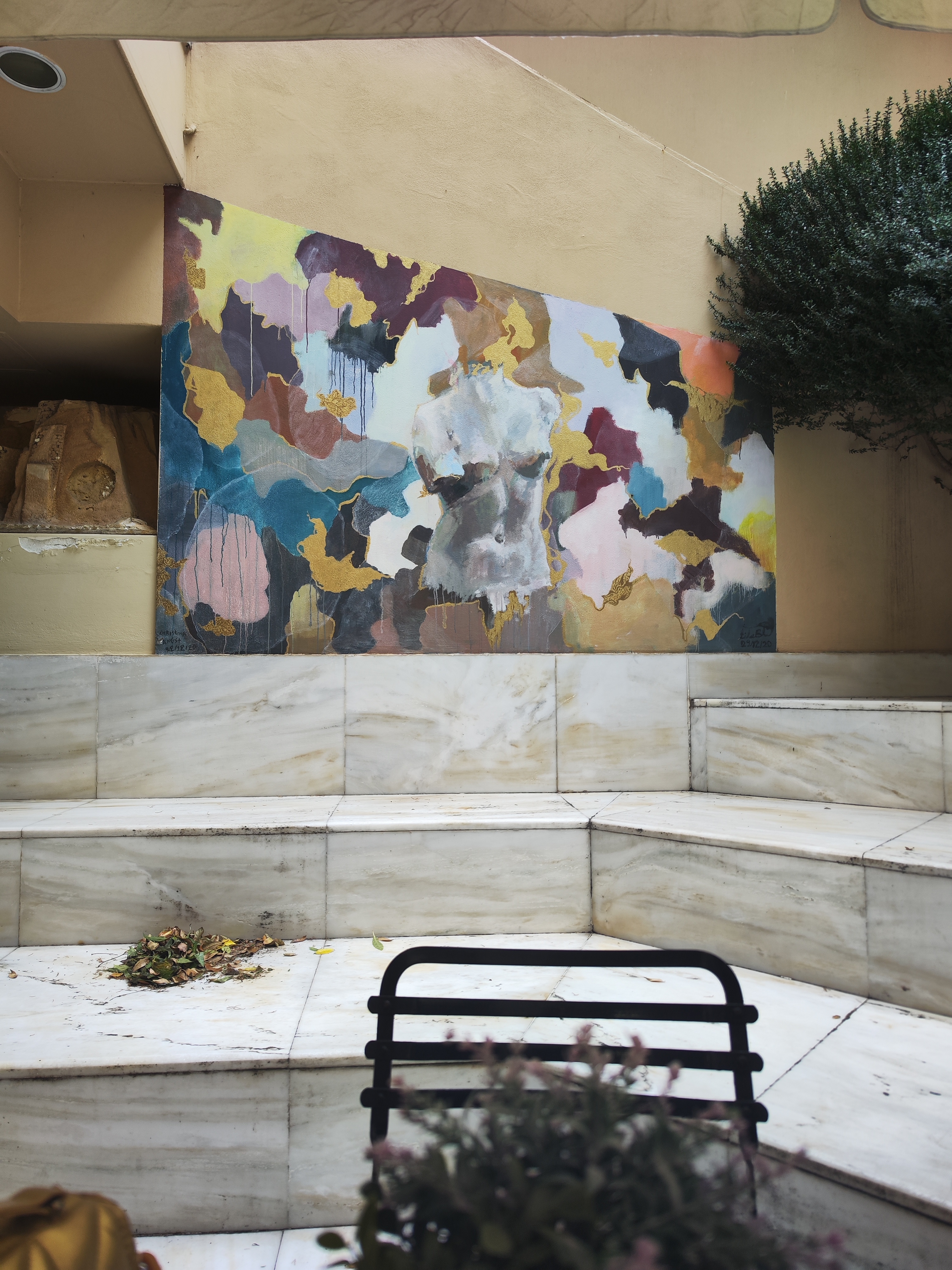
- An auditorium and rooftop terrace, giving you a lovely space to sit and reflect.
- A bar and a shop.
Why Visit It:
- It’s one of the only museums in the world that celebrates a living (well, 20th-century) jewellery artist in depth.
- For design lovers, it’s a brilliant mix of history, creativity, and innovation.
- It’s right by the Acropolis, so it fits seamlessly into a day of exploring ancient Athens.
Herakleidon Museum
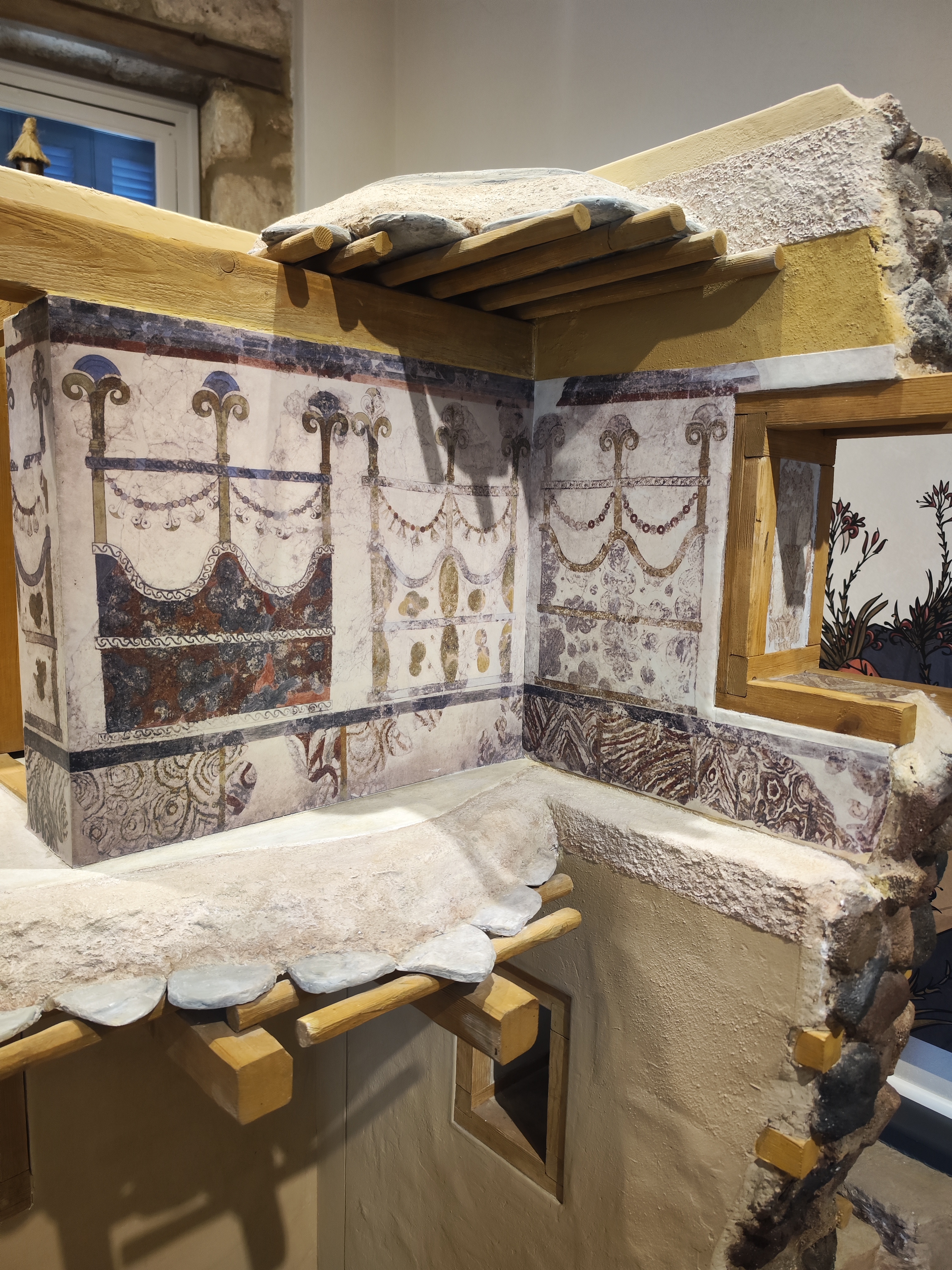
Hidden in the peaceful, neoclassical streets of Thissio, the Herakleidon Museum is a brilliant little cultural gem where art, science, and ancient Greek technology collide.
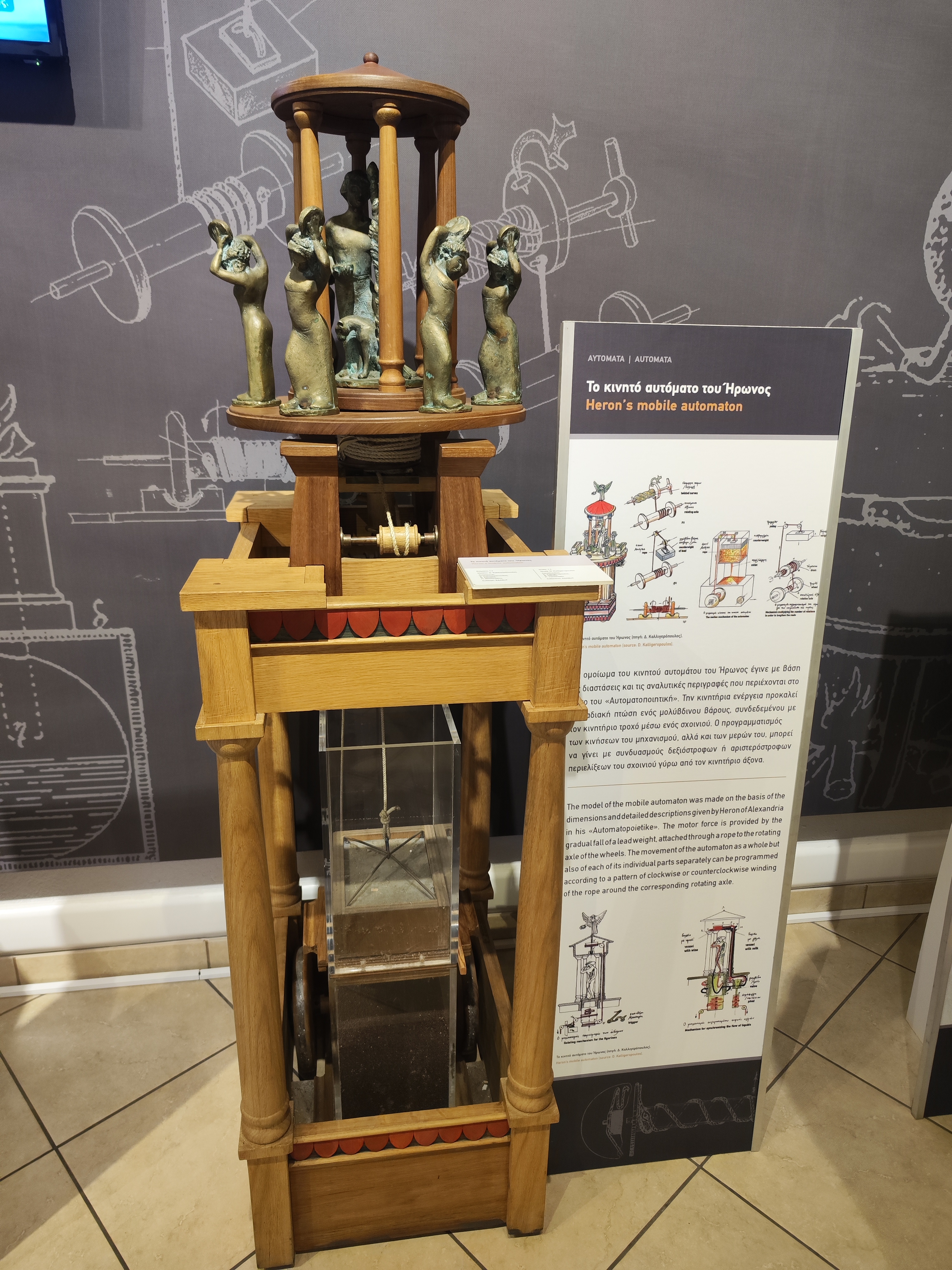
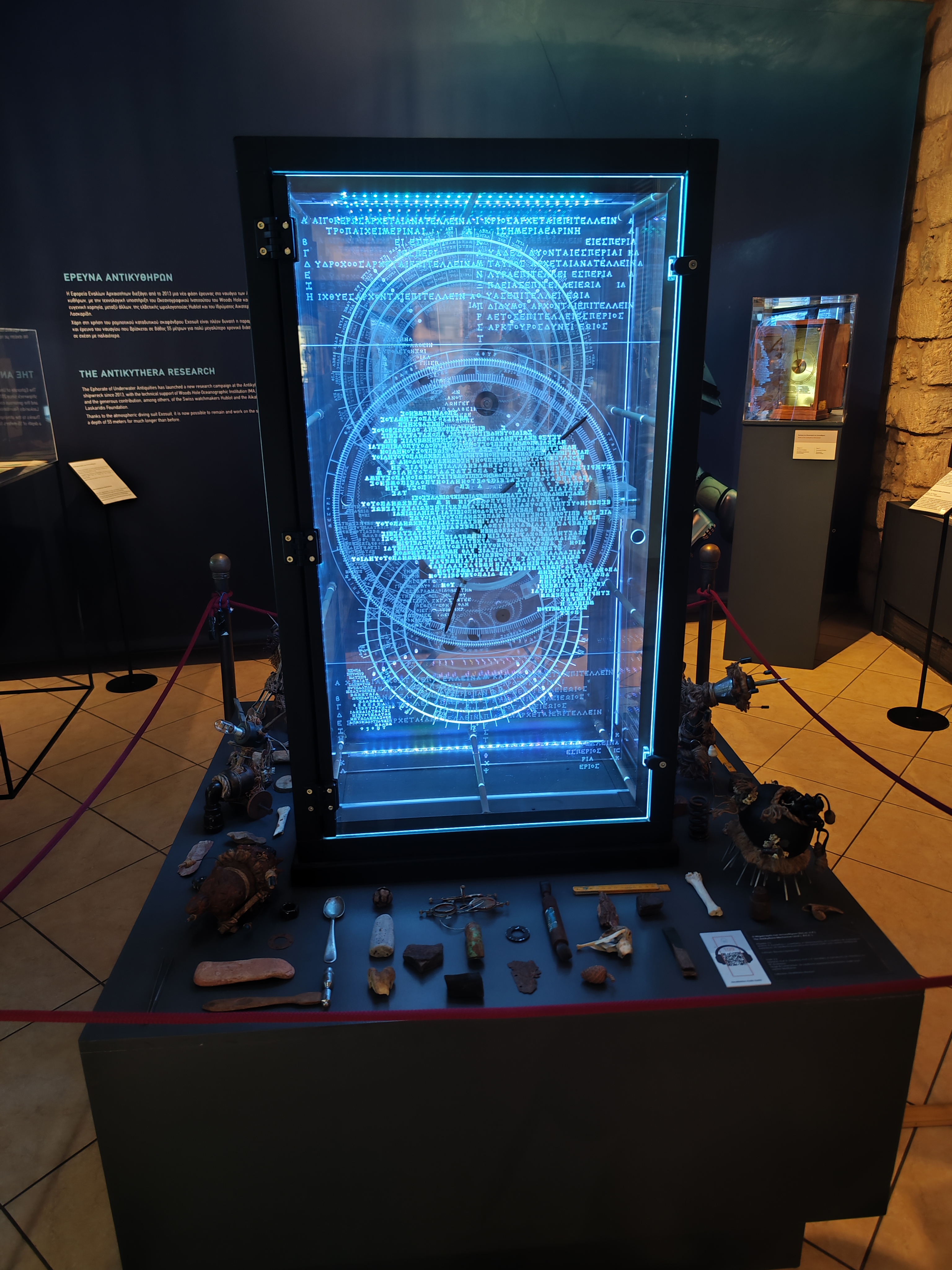
You’ll see models of ancient machines, automata, and even a full-scale, working replica of the Antikythera mechanism, the ancient Greek “computer” that tracked celestial bodies. One highlight: on the first floor is a recreated walking servant automaton based on Heron of Alexandria’s design, which actually pours wine when you place a cup in its hand, powered by clever mechanics and air pressure. Outside the scientific exhibits, the museum’s building itself is worth seeing; it’s a beautifully restored neoclassical house dating back to the late 19th century.
Practical Info:
- Address: 16 Herakleidon Street, Thissio, Athens.
- Opening hours: April–October daily 10:00–18:00; November–March Wed–Sun 10:00–18:00.
- Free audio guide: download their app in advance, available in several languages.
Hellenic Motor Museum
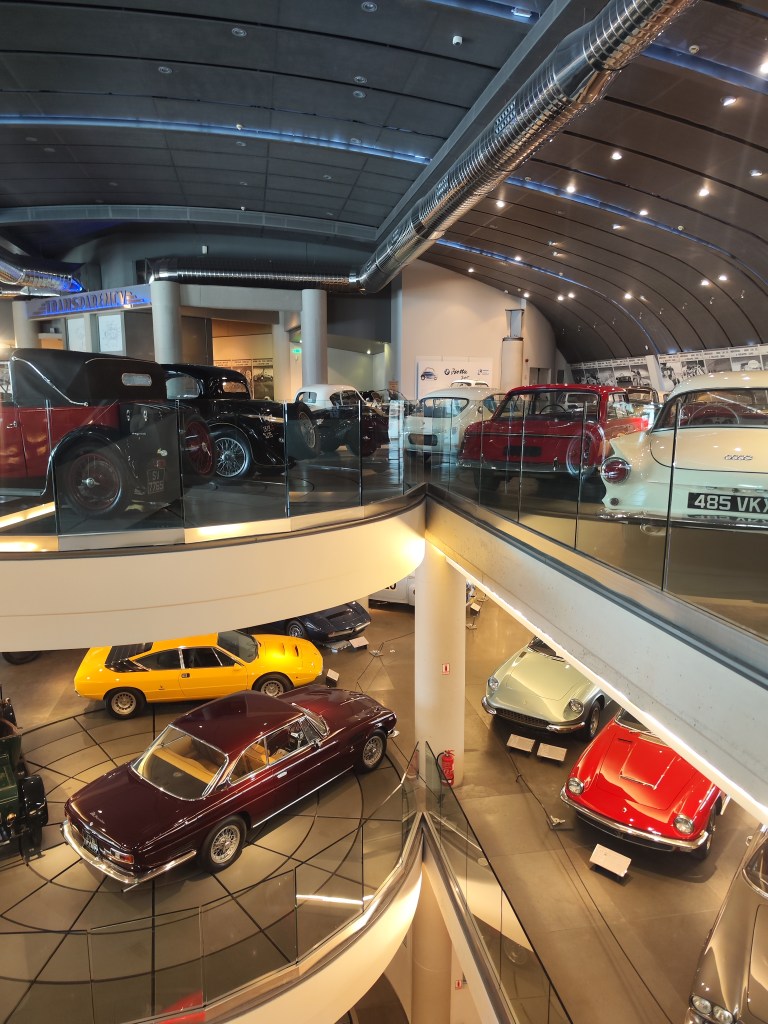
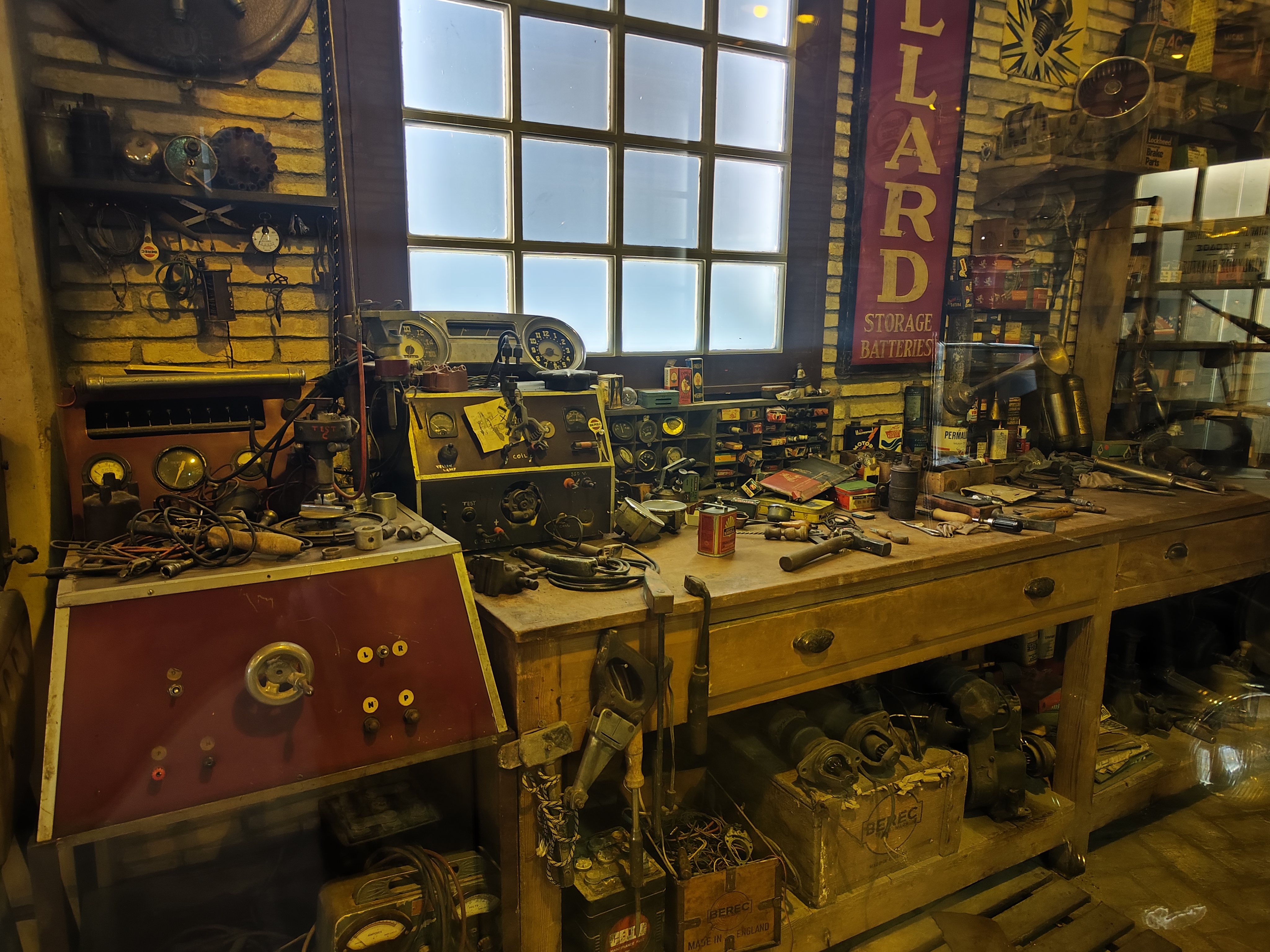
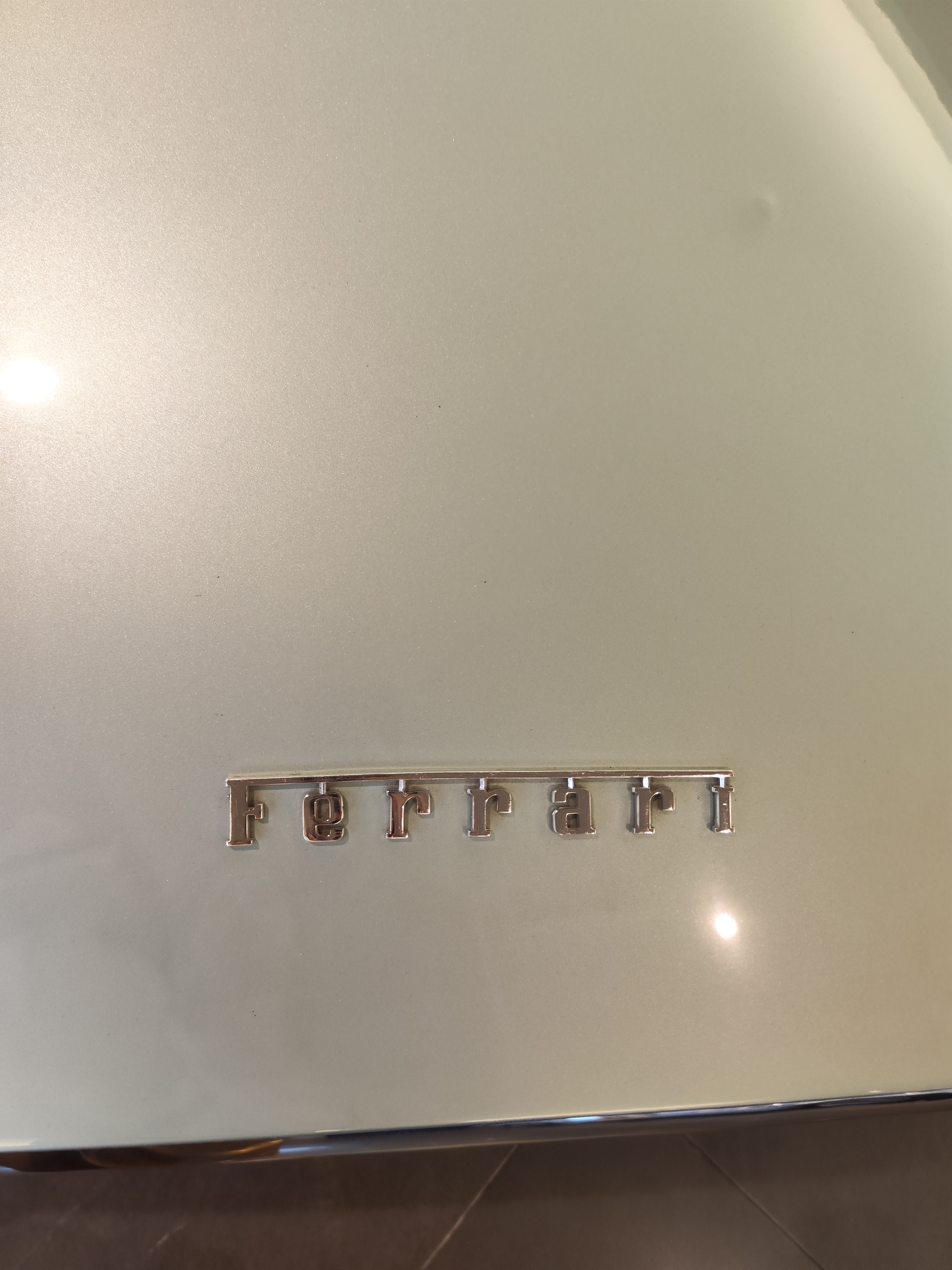
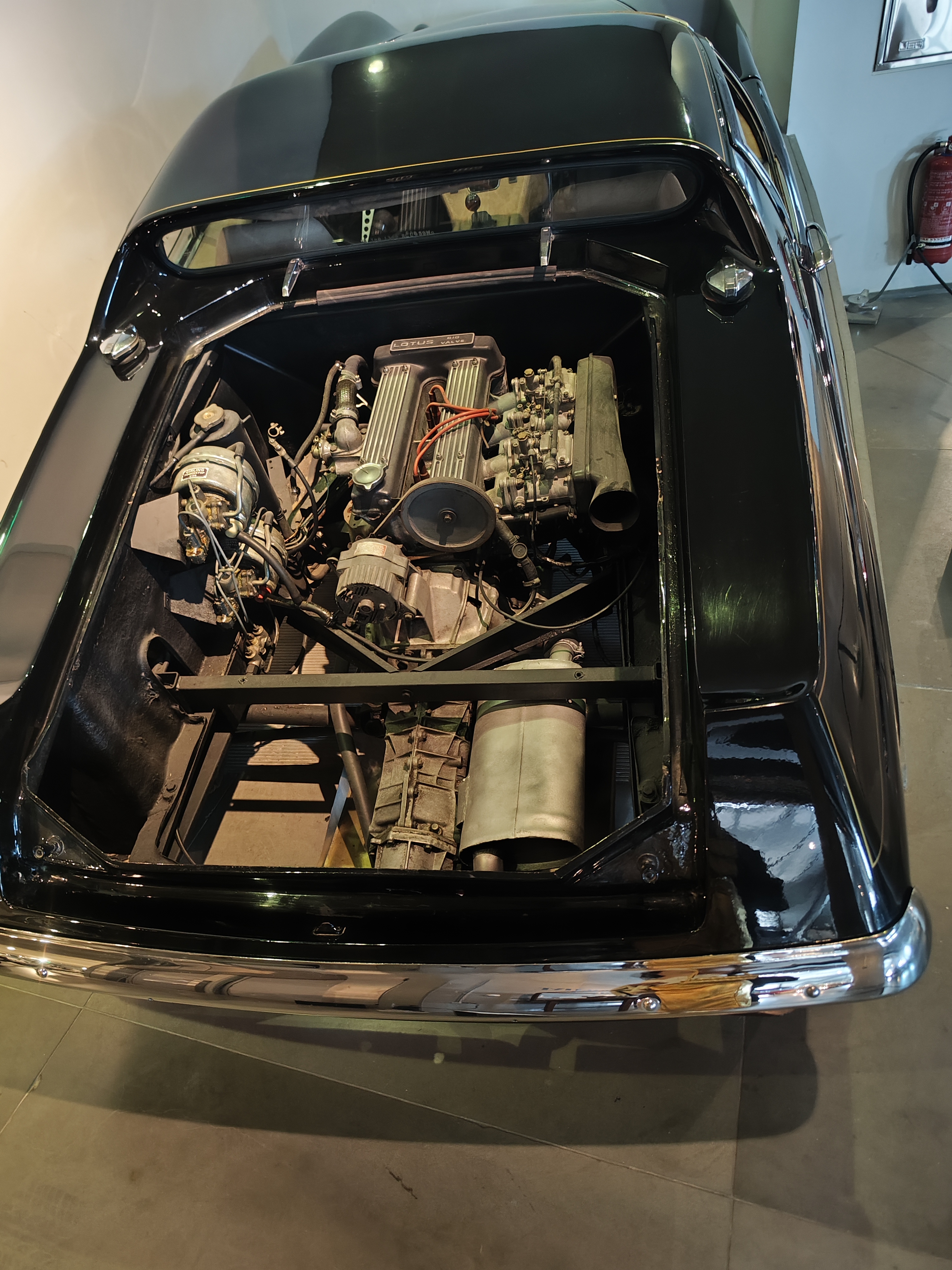
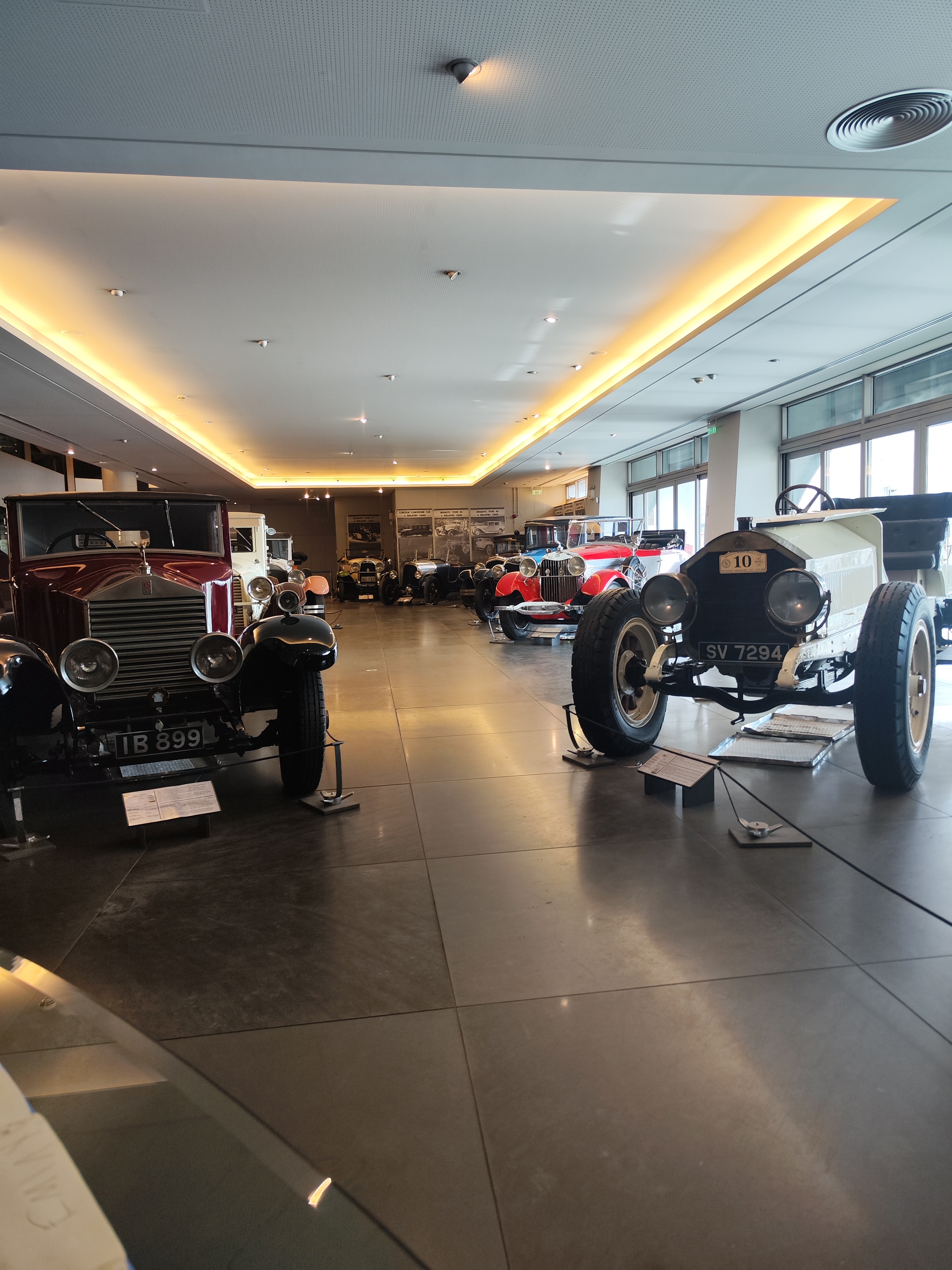
If you’re a car lover or just love quirky museums, the Hellenic Motor Museum is a hidden gem in central Athens, just a short walk from the National Archaeological Museum. Housed in a sleek, modern building, it’s home to over 110 vintage and rare cars, spanning early 20th-century classics to iconic modern models.
The museum isn’t just about looking at cars. You can explore the history of the wheel, peek inside engines in the “Transparency” exhibit, and even test your skills on an F1 driving simulator. There’s also a mini 3D cinema and educational displays, making it surprisingly interactive.
Highlights:
- Classic beauties like a 1906 Ford Model N and a 1979 Cadillac Seville with Gucci interiors.
- A spiral ramp that tells the story of the automobile from ancient wheels to modern engineering.
- Hands-on exhibits and fun photo opportunities for all ages.
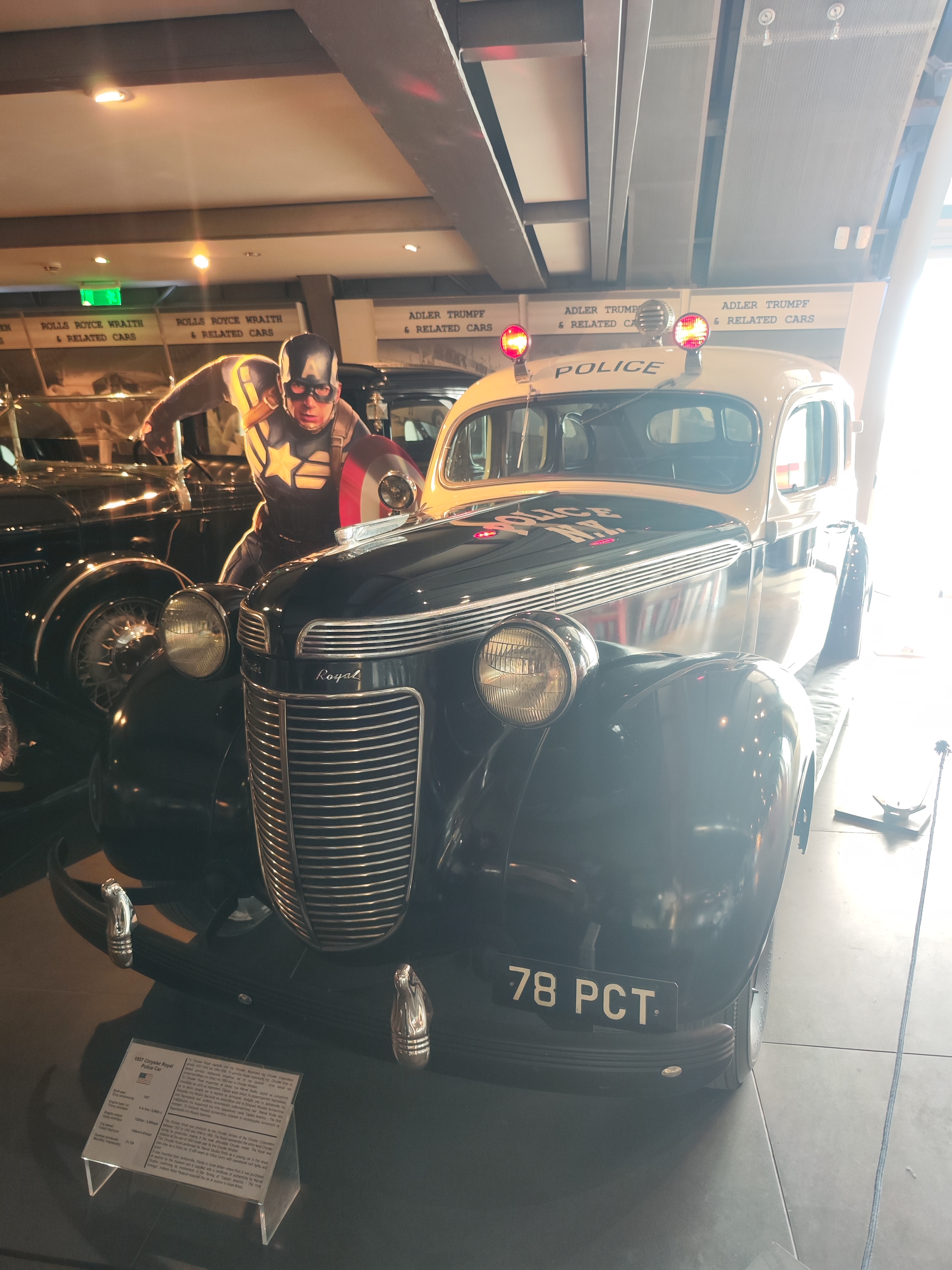
- The police car used in the movie Captain America.
Tips for Visitors:
- Set aside 1–2 hours to fully explore the three floors.
- Great for a rainy day in Athens or a break from the ancient sites.
- Cameras are allowed, so get ready for some amazing car shots.
It’s the perfect mix of history, design, and a little bit of fun, a must for anyone looking for a unique Athens experience.

On the way to our final stop, the War Museum, we passed by the Hellenic Parliament and saw the Evzones in action and caught a glimpse of the Athens Marathon 2025.
War Museum
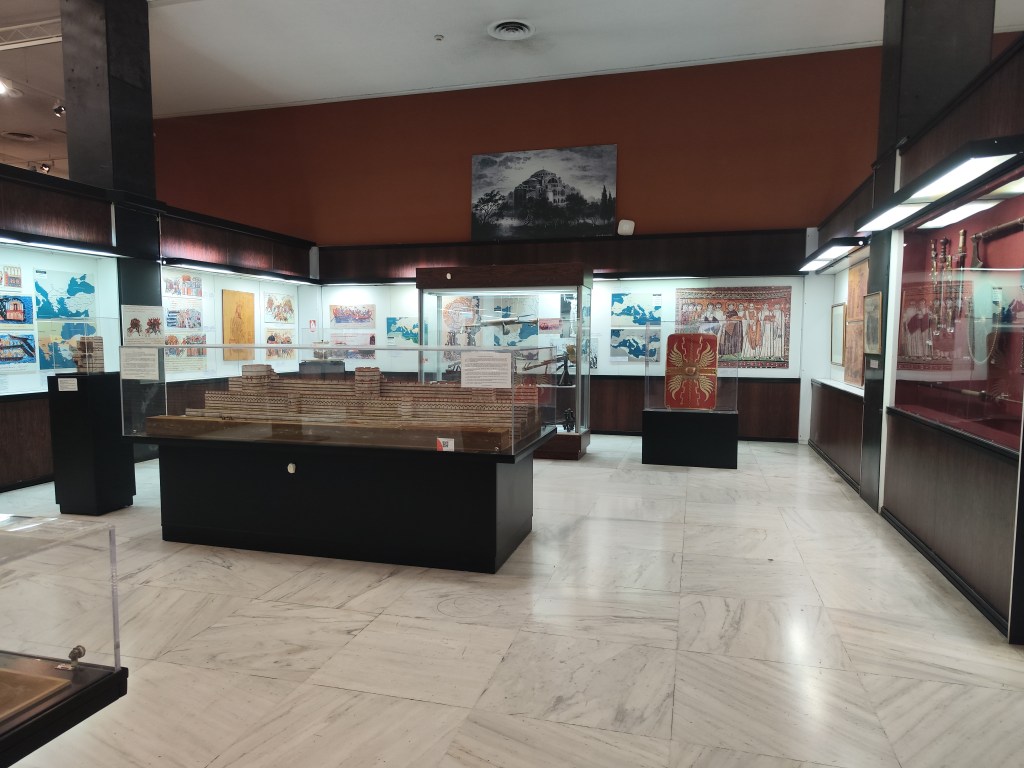
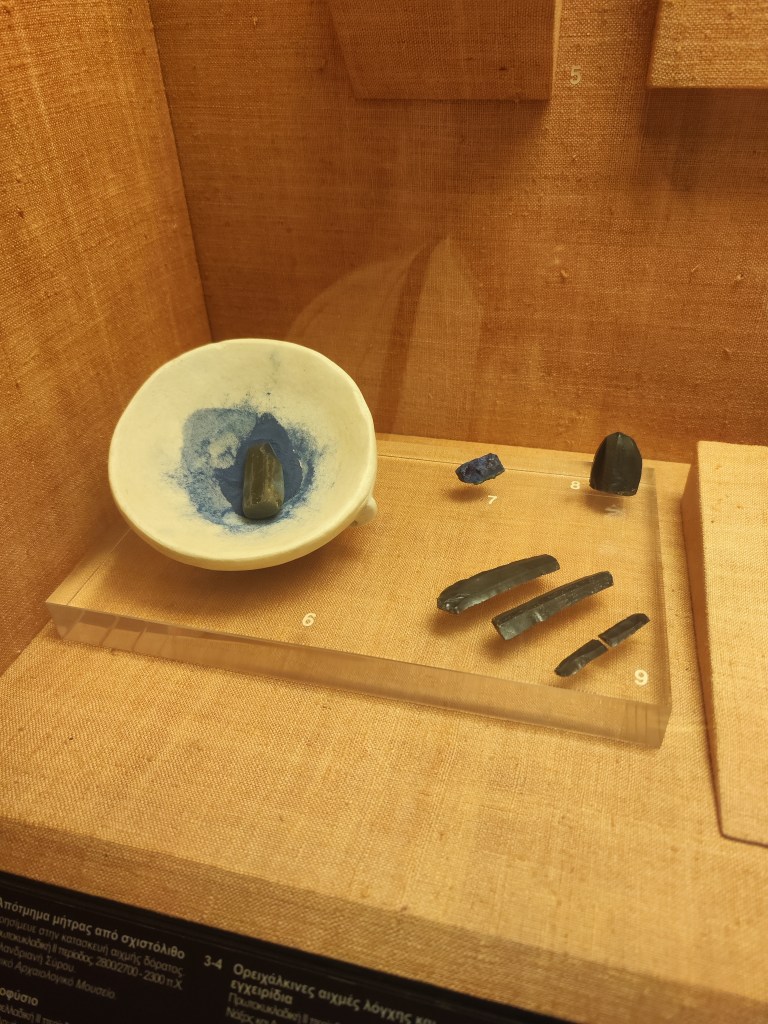
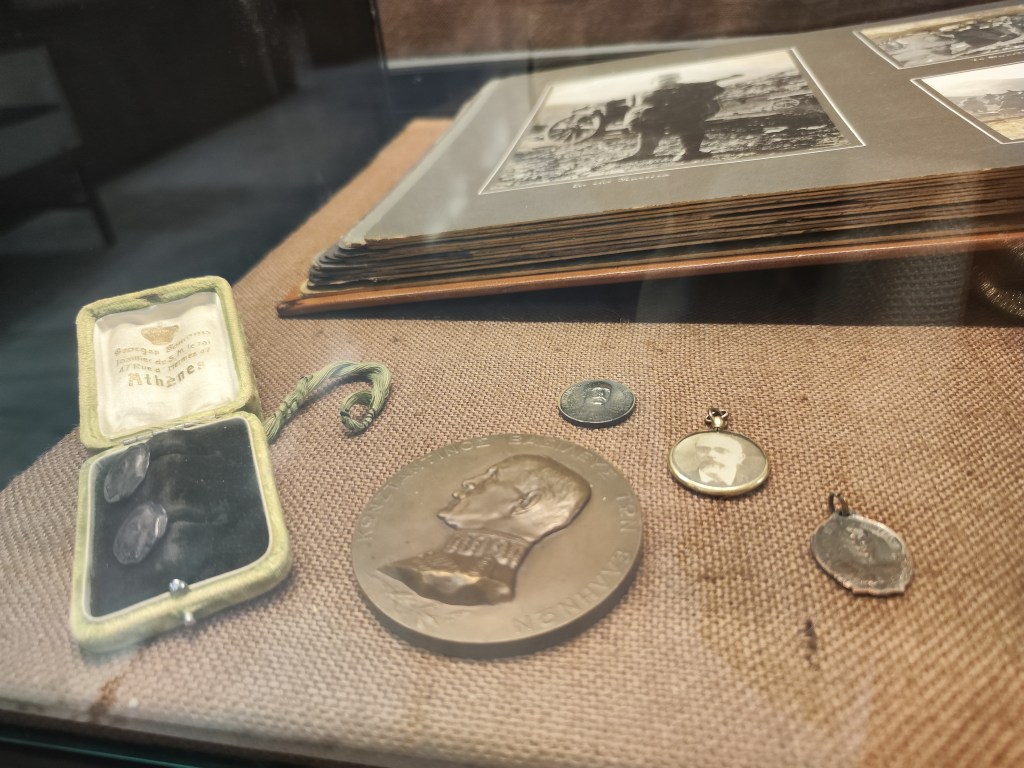
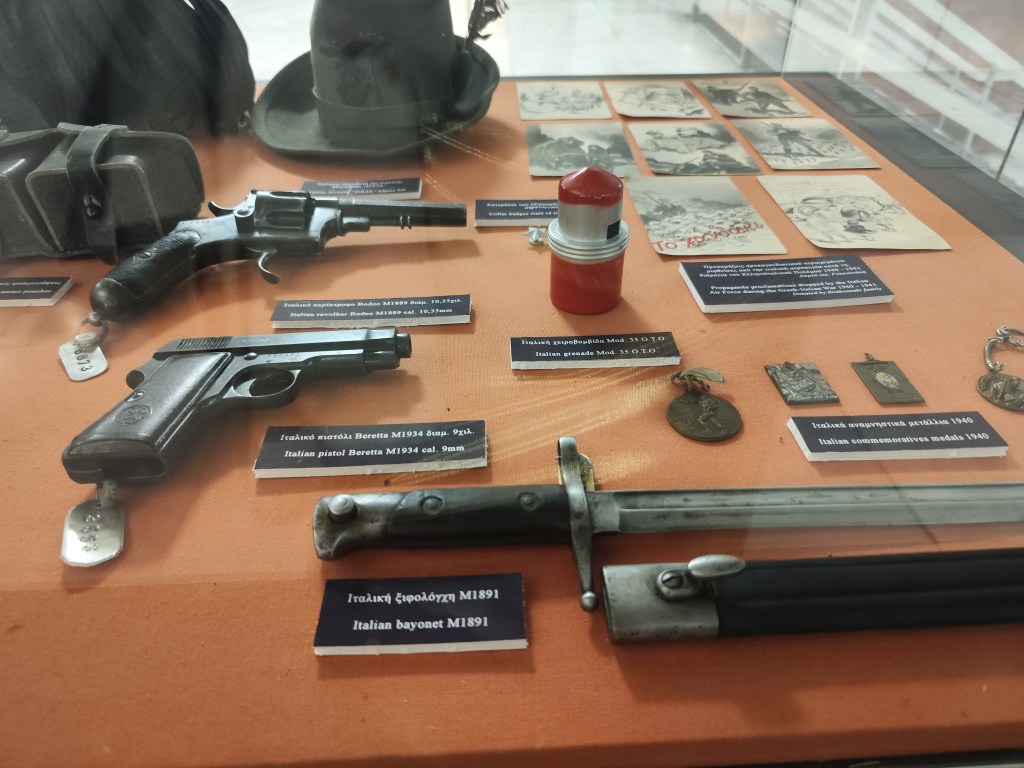
If you want to dive into Greece’s military history beyond mythology and ancient ruins, the War Museum in Athens is a compelling stop. Nestled near Vasilissis Sofias Avenue and not far from the National Gallery, it’s one of the biggest military museums in Southeastern Europe.
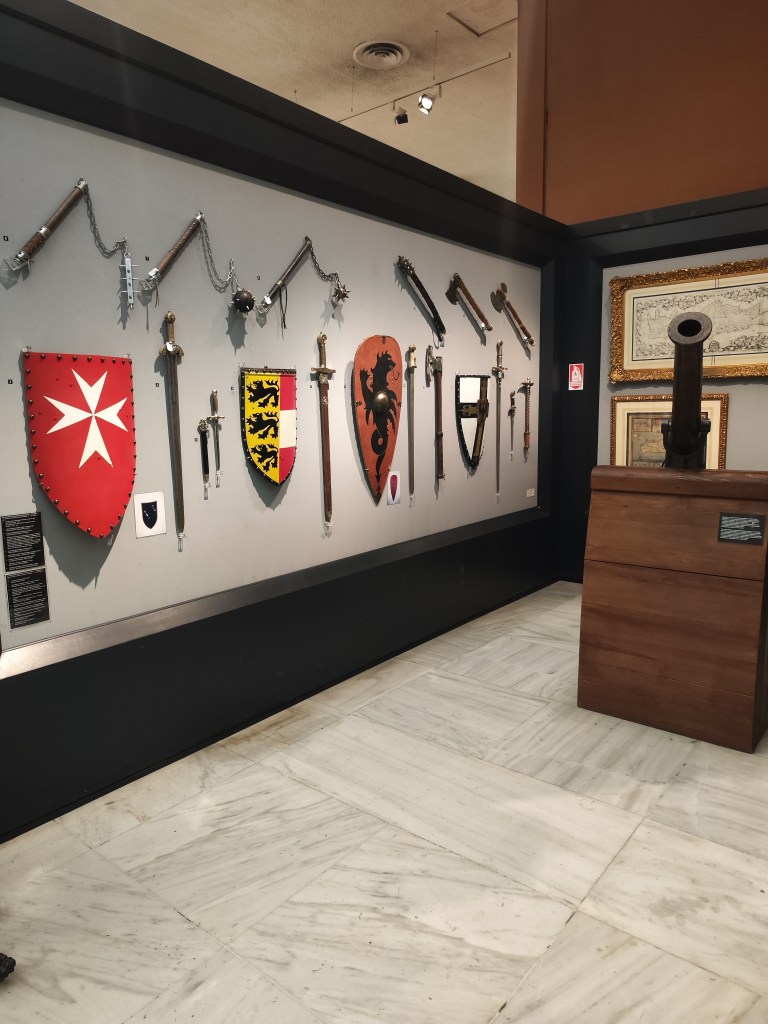
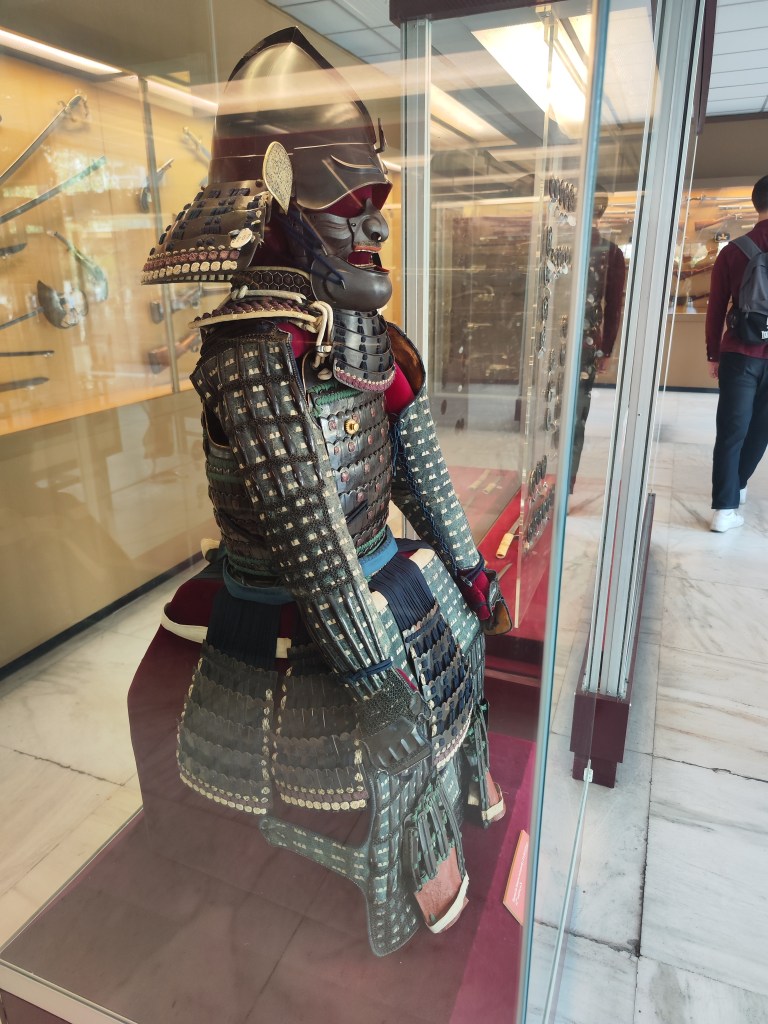
Inside, you’ll move through four floors of exhibits covering everything from Stone Age weapons to modern conflicts. Standout galleries include:
- Ancient Greek armaments, complete with ship models and siege machines.
- Byzantine and Hellenistic warfare, including replicas of weapons and battle gear.
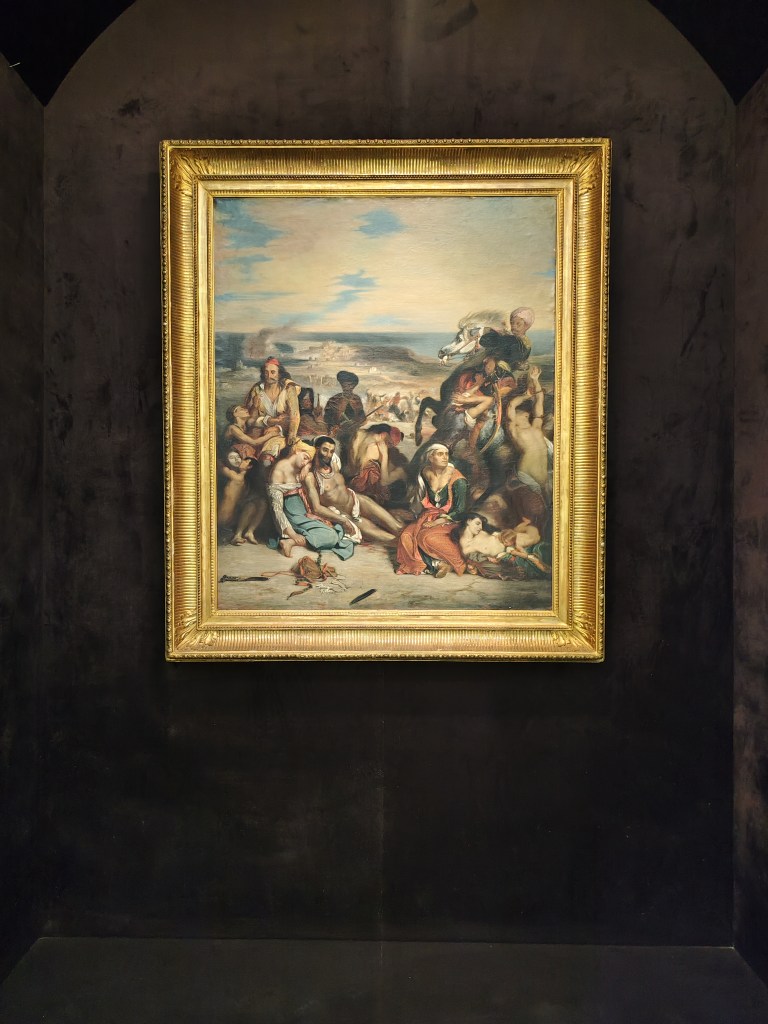
- A powerful section on the Greek War of Independence, with original uniforms, manuscripts, and dioramas.
- 20th-century conflict zones: both World Wars, the Asia Minor Campaign, and even Greece’s role in Korea.
- A wing devoted to Cyprus, with weapons, photos, and history from the 1950s through the 1974 conflict.
There’s also a massive outdoor area where you can explore real military hardware, big artillery pieces, old aircraft, and more.
Beyond the display cases, the museum is serious about preserving history. It has a photo archive of over 20,000 historic images, a library focused on military history, and even film and manuscript collections.
The building itself is modern and bold, designed in the 1970s with clean, Bauhaus-inspired lines, which really contrasts with all the ancient history in Athens.
Why Go There:
- It’s ideal for history buffs who want to understand Greece’s military journey, not just in the ancient world, but through modern wars.
- The mix of real weapons, uniforms, maps, and personal stories makes it feel both educational and emotional.
- If you’ve already done the big archaeological museums, this is a powerful way to deepen your understanding of Greece’s identity.

Other important monuments:
- Academy of Athens
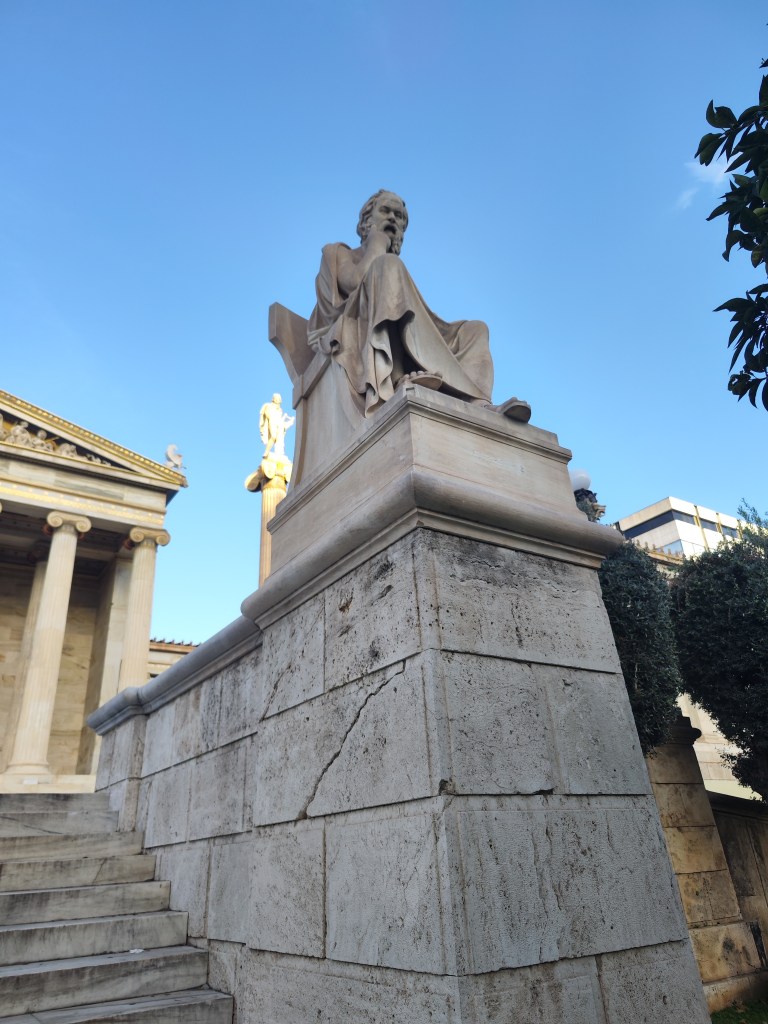
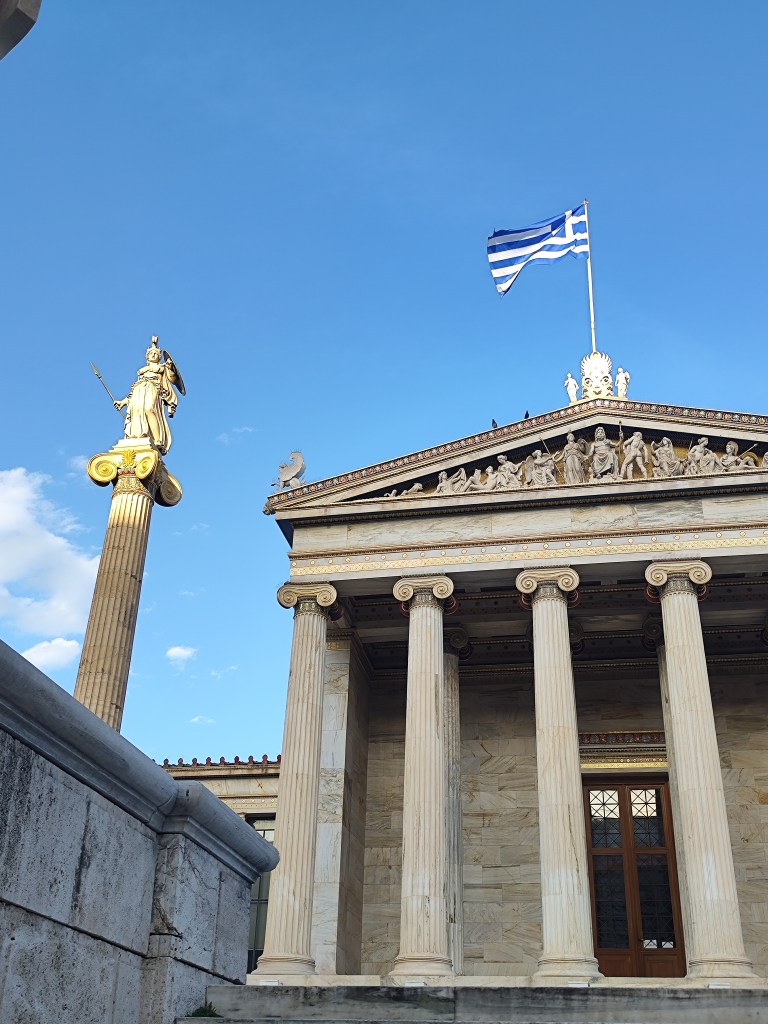
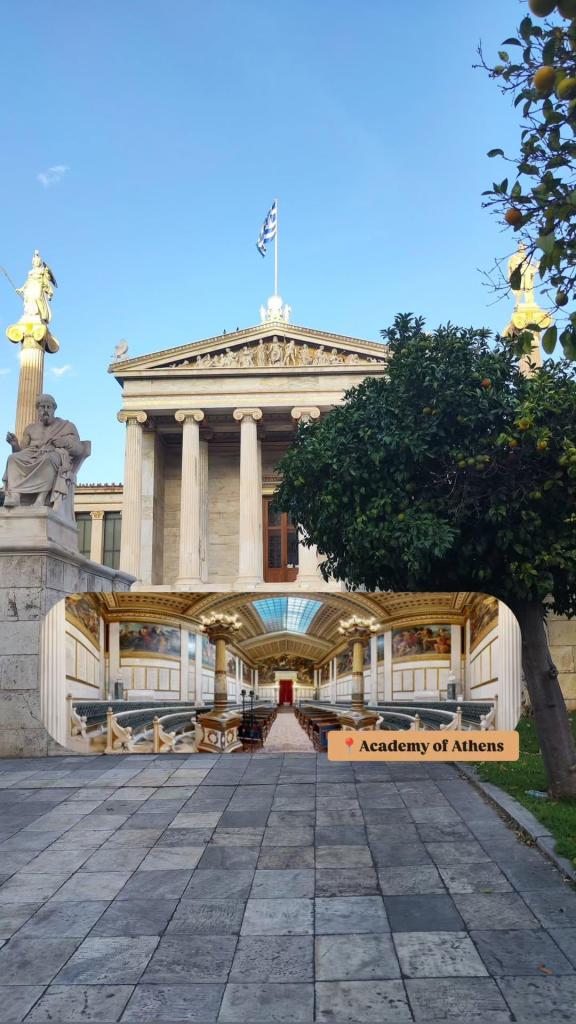
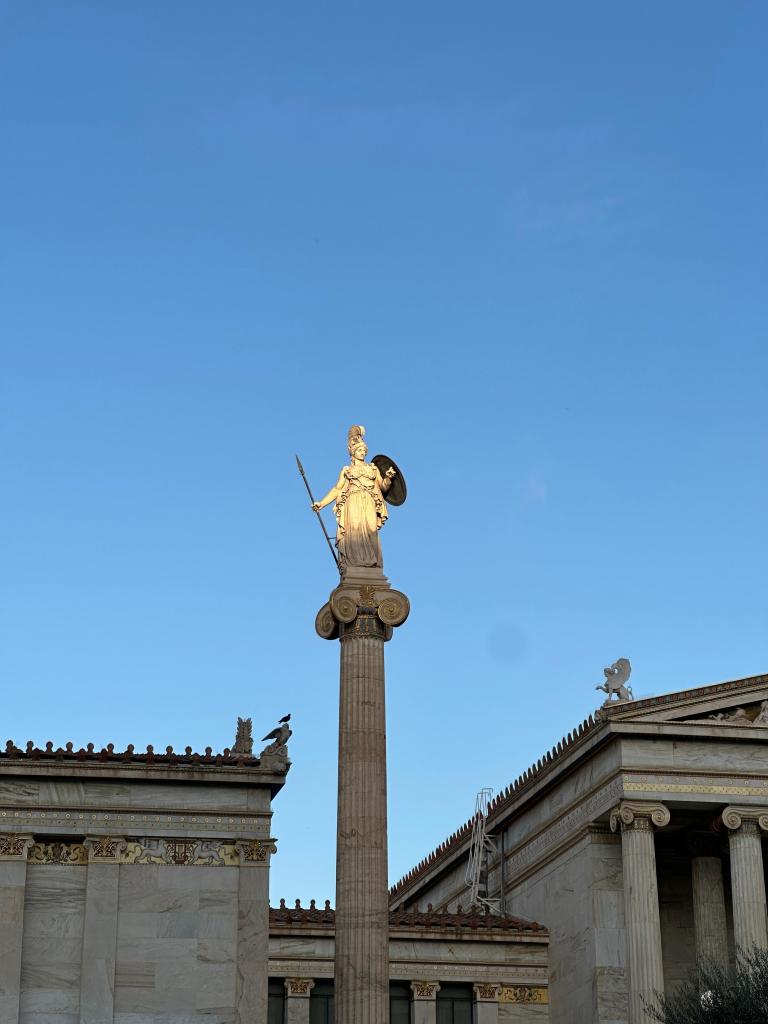
Perched on Panepistimiou Street, the Academy of Athens is Greece’s national academy and a stunning example of neoclassical architecture. Designed in the 19th century by Danish architect Theophil Hansen, its grand columns, intricate friezes, and statues make it one of Athens’ most photogenic landmarks.
The front features statues of Athena and Apollo, while the sides are guarded by lions, symbolising wisdom and strength. Inside, the Academy houses libraries, research centres, and spaces dedicated to the arts and sciences, though most of it isn’t open to casual visitors.
Even if you can’t go inside, the exterior alone is breathtaking, especially as part of the neoclassical “trilogy” of central Athens, alongside the University and the National Library. It’s a must-see for architecture lovers and anyone wanting to capture the grandeur of modern Athens, inspired by its ancient roots.
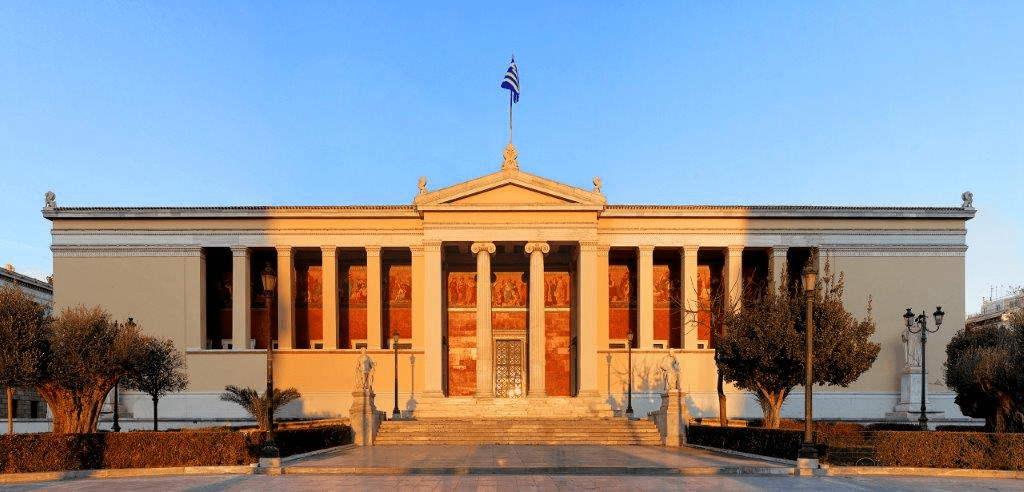
- National Library
Just a few steps from the University of Athens, the National Library of Greece stands as one of the city’s most beautiful neoclassical buildings. Designed by Theophil Hansen in the 19th century, it’s part of Athens’ iconic “Neoclassical Trilogy,” along with the Academy and the University.
Its grand marble staircase, elegant Ionic columns, and symmetrical façade make it a stunning sight, one that feels straight out of ancient Greece but polished with modern charm. Inside, the library preserves an enormous collection of manuscripts, rare books, archives, and historical documents, representing centuries of Greek cultural heritage.
Although the reading rooms are mainly used by researchers and students, visitors can still wander the public areas, admire the architecture, and soak in the peaceful, scholarly atmosphere. Whether you’re a history lover, architecture enthusiast, or simply exploring central Athens, the National Library is a quiet, beautiful stop worth adding to your walk.
Unfortunately, it’s temporarily closed for now, but hopefully we’ll get the chance to admire this architectural gem again soon.

The National Gallery, also known as the Alexandros Soutsos Museum, is Athens’ vibrant home of Greek art, a must-visit for anyone who loves culture, colour, and creativity. Recently renovated and beautifully modern, the building itself feels bright and spacious, a perfect canvas for the masterpieces inside.
The gallery showcases an impressive journey through Greek art, from the 19th century to contemporary works. You’ll find everything from dramatic historical paintings and portraits of Greece’s independence to vibrant modern pieces, sculptures, and rotating temporary exhibitions that keep the experience fresh.
One of the best parts? The layout is easy to follow, and the museum offers plenty of context so you can understand how Greek art evolved alongside the country’s history. Whether you’re an art lover or simply curious, it’s a peaceful and inspiring place to spend a few hours.
A lovely bonus: the museum café and its outdoor terrace make for a perfect little break before continuing your Athens adventure.



Standing proudly on Syntagma Square, the Hellenic Parliament is one of Athens’ most recognisable landmarks. Housed in a former royal palace from the 19th century, the building has a stately, elegant presence, the kind that immediately makes you stop and admire it, especially when the sun hits its pale walls.
The real highlight happens just in front of the Parliament at the Tomb of the Unknown Soldier, guarded by the iconic Evzones. Their traditional uniforms, complete with pom-pom shoes and pleated kilts, are a symbol of Greek pride and history. Watching the ceremonial changing of the guard, which happens every hour, is an absolute must. It’s precise, slow, and strangely mesmerising.
The square around the Parliament is always lively, with locals, travellers, and the occasional political event adding to the atmosphere. Even if you’re just passing through on your way to Plaka or the National Garden, it’s definitely worth a stop to take in the history and snap a few photos.
Must try food:
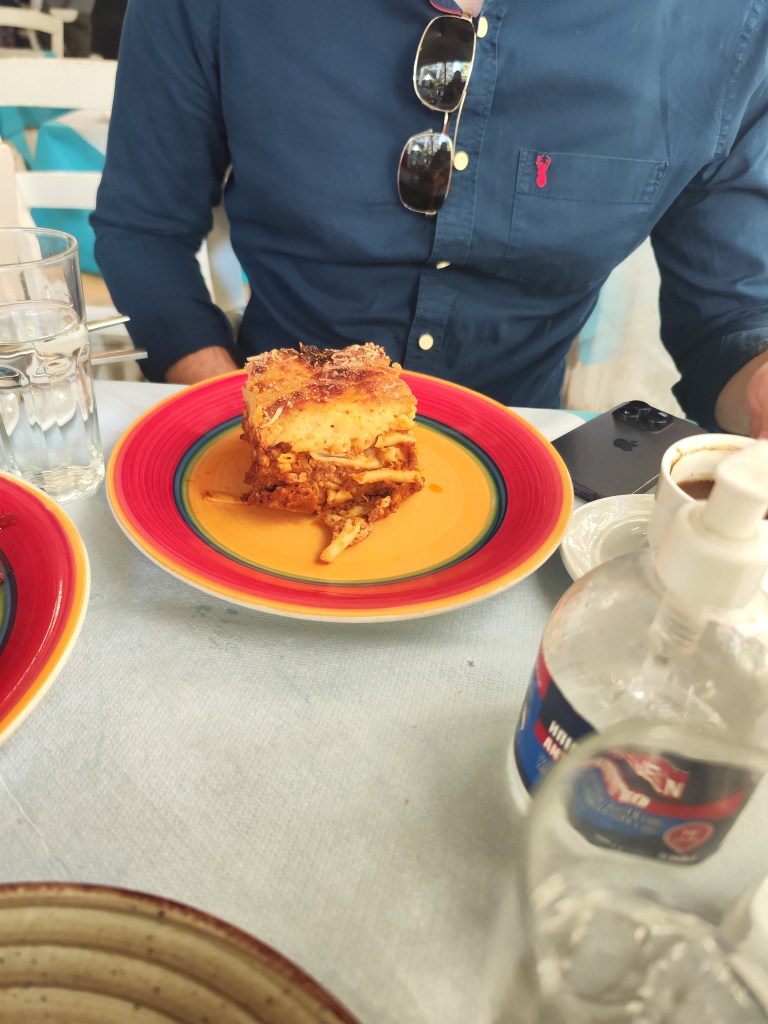
Pastitsio
Think of it as Greek lasagna! Layers of pasta, seasoned ground meat, and a rich béchamel sauce are baked to golden perfection. Comfort food at its finest, perfect for a hearty lunch or dinner.
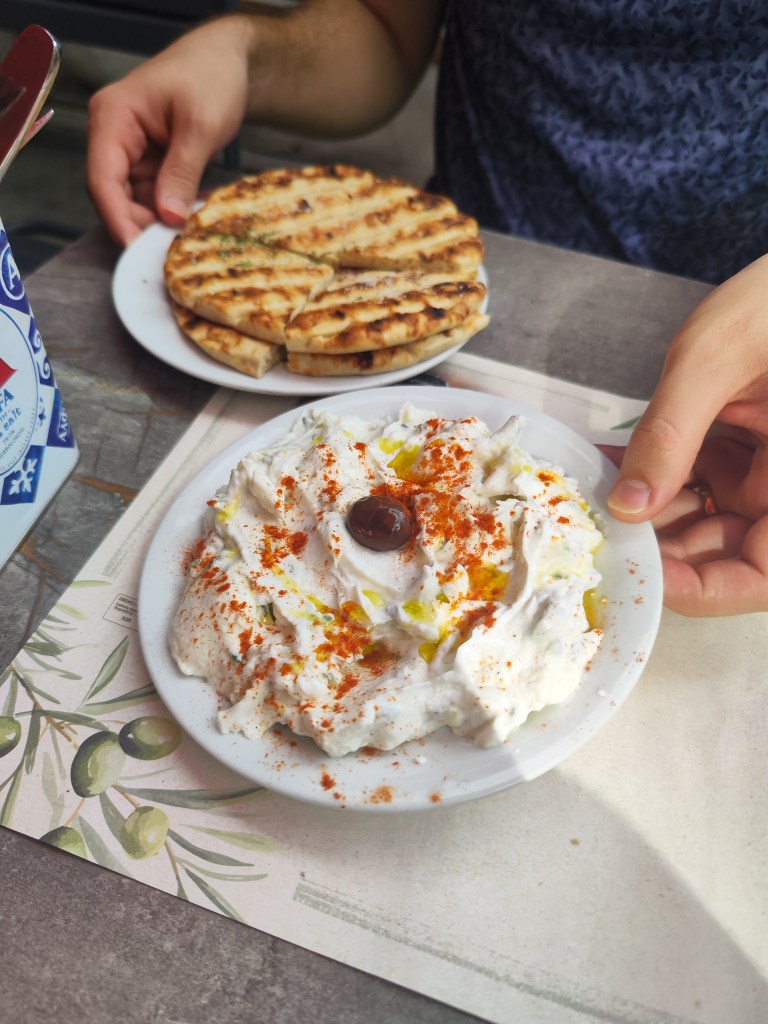
Tzatziki
This refreshing dip is made from creamy Greek yogurt, cucumber, garlic, and olive oil. Serve it with warm pita bread or grilled meats; it’s cool, tangy, and utterly addictive.
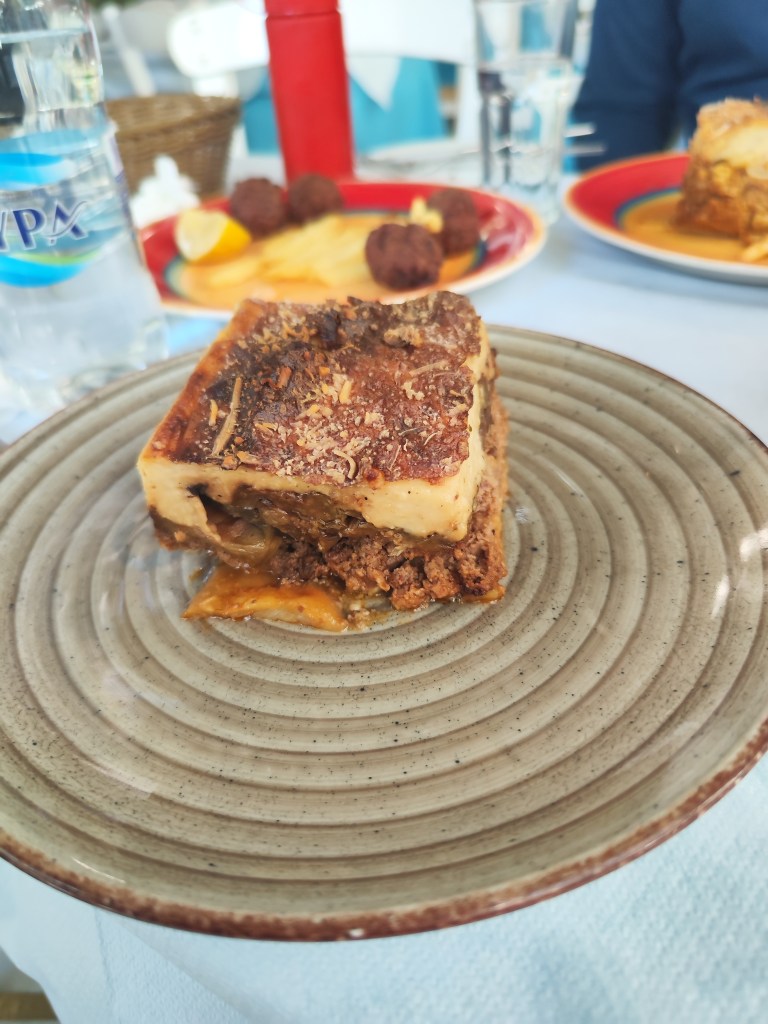
Moussaka
Layers of eggplant, spiced minced meat, and béchamel sauce baked until bubbling and golden. It’s rich, flavorful, and the ultimate comfort dish.
Baklava
A sweet, flaky pastry made of thin layers of phyllo dough, filled with chopped nuts and drenched in honey or syrup. Each bite is a crunchy, sticky delight, the ultimate dessert for those with a sweet tooth.

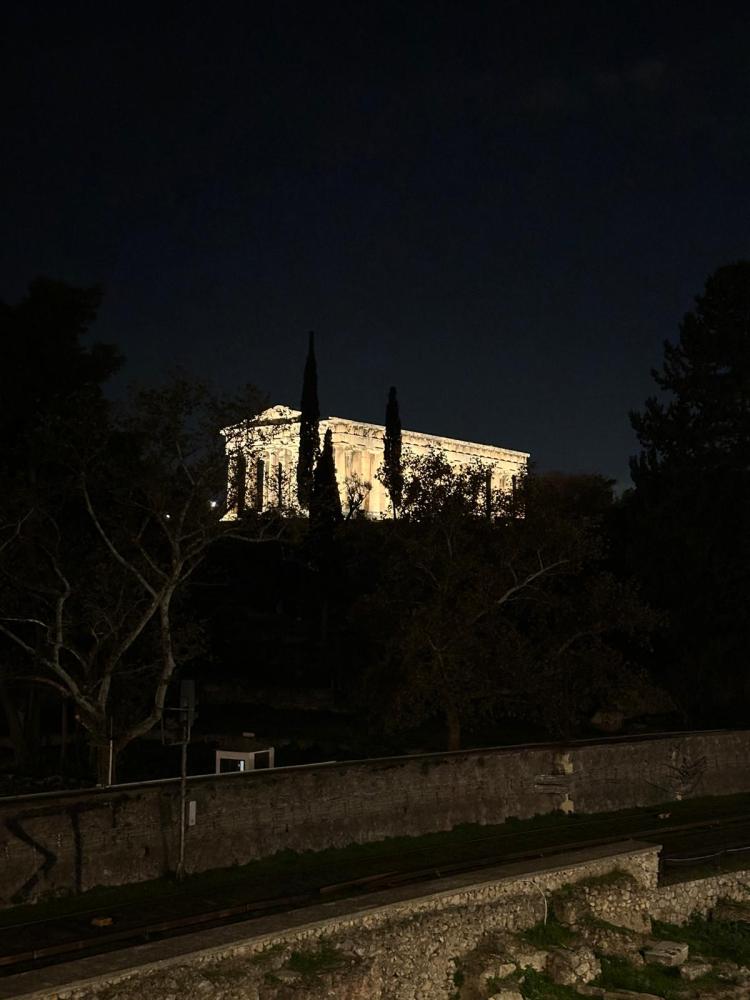
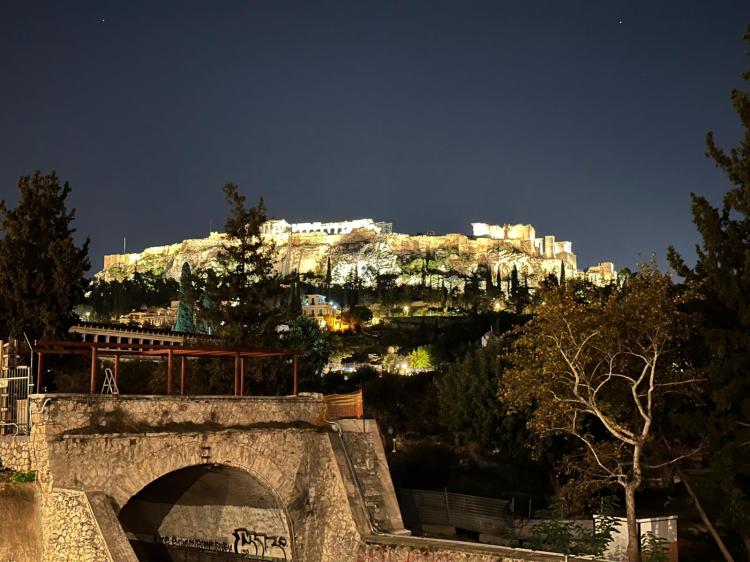
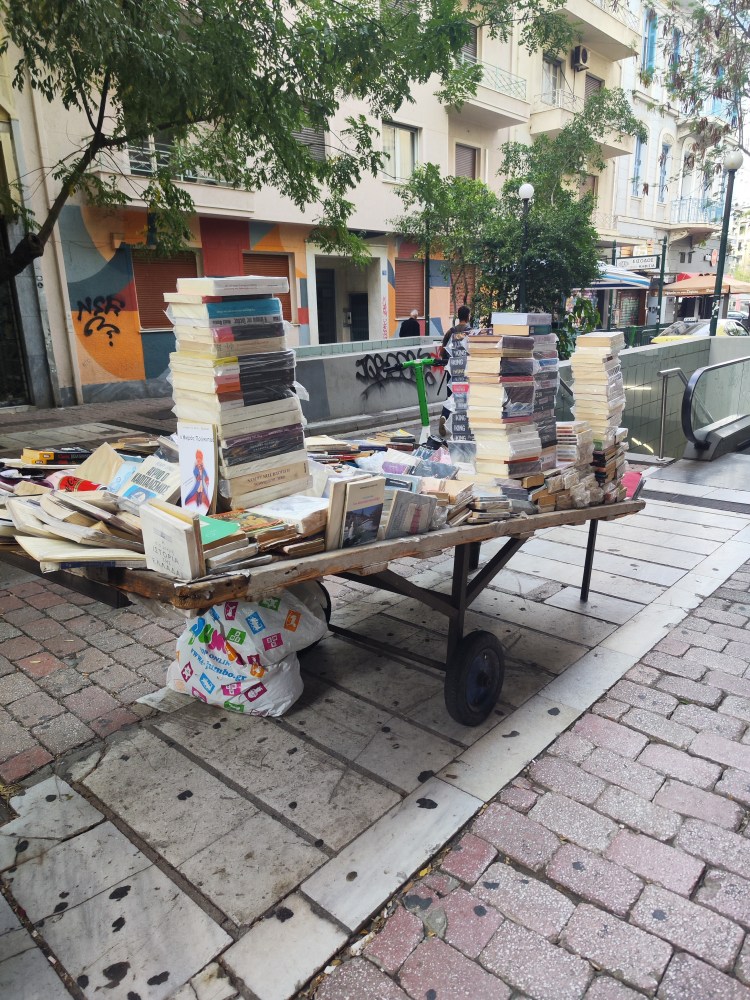
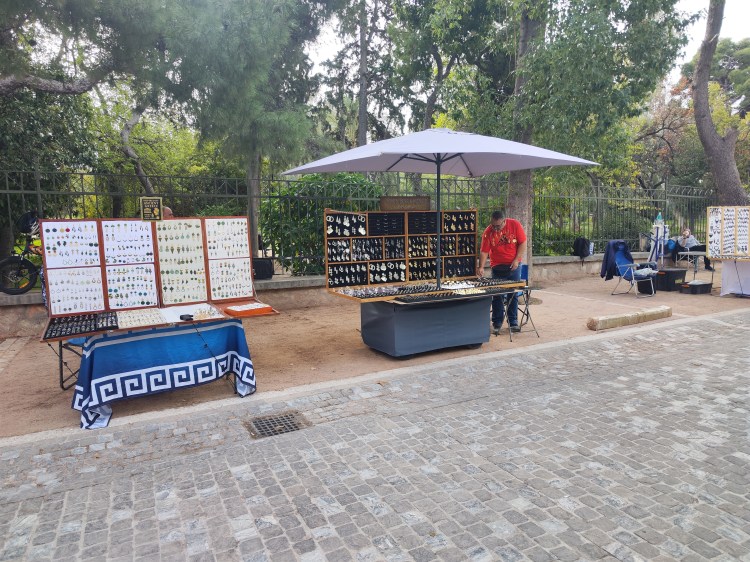
Around Athens
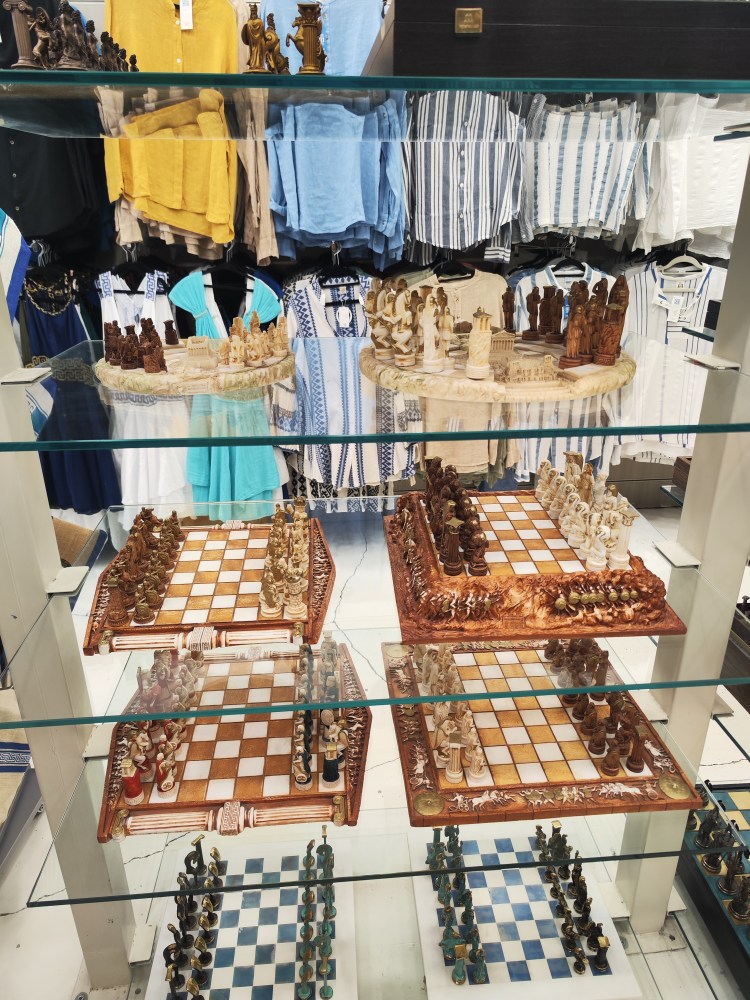
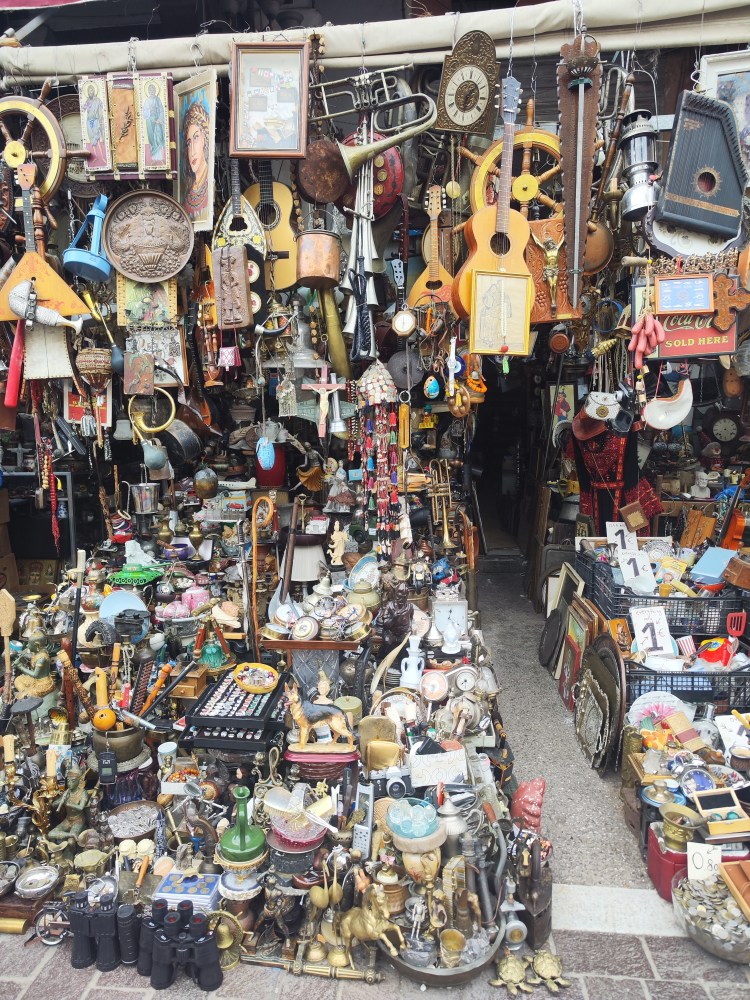
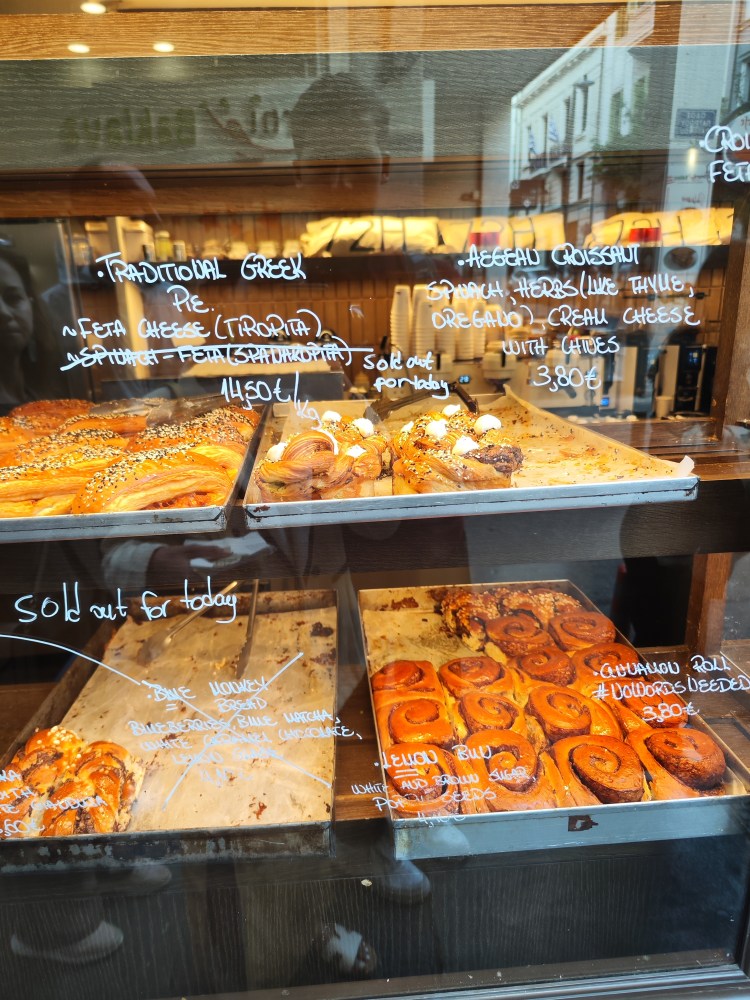
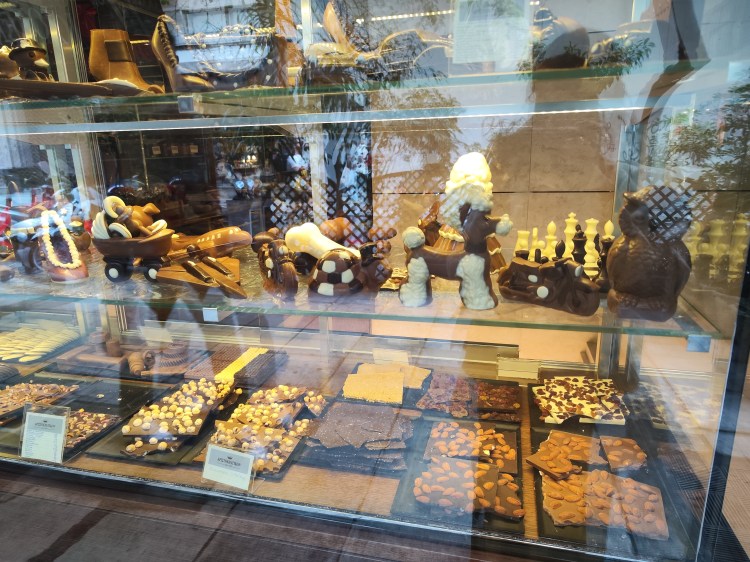
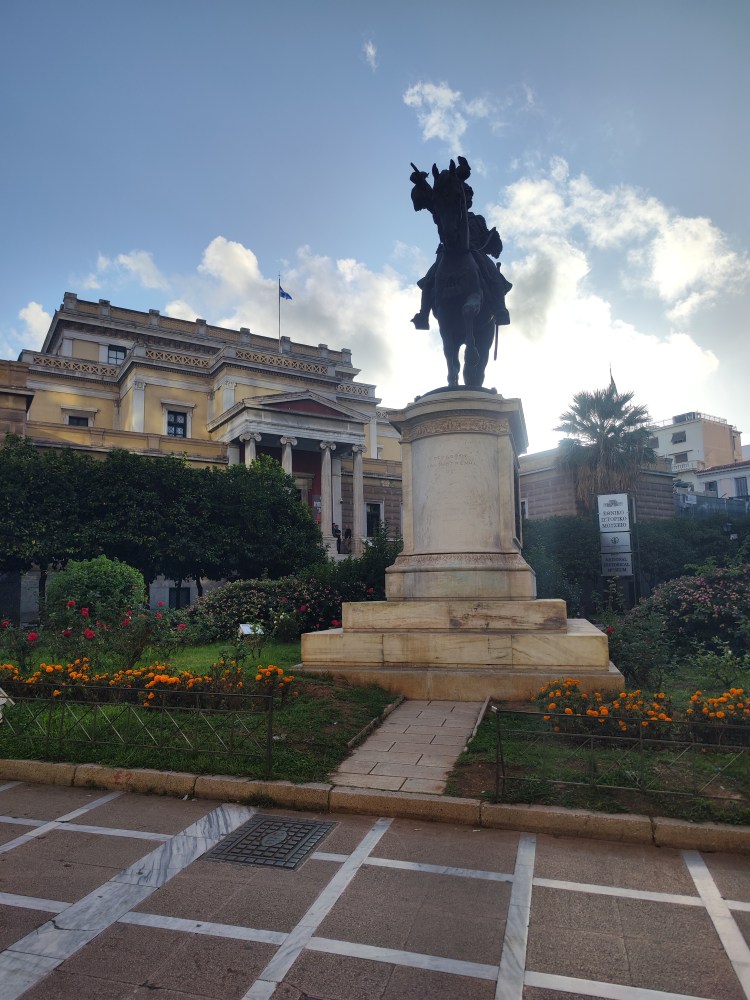

Well, all good things must come to an end! That was our incredible trip to Athens; we hope you enjoyed experiencing it through our stories as much as we loved living it. Thank you, Athens, for the history, the flavours, and the unforgettable memories. Until next time!






 Dancing Giglio
Increíble como siempre. Gracias por tanto aporte cultural e información turística
LikeLiked by 1 person
Es un placer 🥰
LikeLike