
This time, my adventure took me to Scotland for a climbing trip. We drove all the way from Lichfield to Ben Nevis. It was quite a long journey, so my husband and his friend took turns driving, switching every 2 or 3 hours.
Once we arrived, we visited a local distillery. While I’m not a big whisky fan, I was curious enough to give it a try.
What really caught my attention was learning about the whisky-making process. One of the steps involves producing something called “low wine,” an early-stage distillate. I also found it fascinating that they age the whisky in oak casks that have previously held Port and Rioja wine, which adds unique flavours to the final product.
Ben Nevis Distillery was founded in 1825 by John McDonald, better known as “Long John” due to his impressive height of 6 ft 4 in (1.93 m). A descendant of a ruler from the western Scottish kingdom of Argyll, Long John left a lasting legacy, including the renowned blended Scotch whisky that bears his name. After he died in 1856, the distillery passed into the hands of his son, Donald McDonald.
In 1878, a second distillery named Nevis Distillery was established nearby to meet the increasing demand. The two distilleries were eventually merged in the early 20th century. In 1955, the distillery was acquired by a group led by Joseph Hobbs. Under Hobbs’ leadership, Ben Nevis became one of the first distilleries to produce both malt and grain whisky simultaneously, thanks to the installation of a Coffey Still. This continuous distillation process was used on-site for 26 years.
In 1989, the Japanese company Nikka acquired the distillery, marking a new chapter in its history. Today, the core offering from Ben Nevis is the 10-Year-Old Single Malt, though the distillery has also released various cask-finished expressions, limited editions, and independent bottlings, notably from Blackadder and Douglas Laing.
Ben Nevis’ water source comes from Allt a’ Mhuilinn, which flows from the Coire Leis on the slopes of the mountain that shares its name. In 1991, the distillery opened a visitor centre and café, welcoming the public to experience its rich heritage and distinctive Highland whisky.
The production process of whisky at Ben Nevis Distillery follows the traditional steps involved in making Scotch whisky. Here’s a breakdown of the key steps, which capture the essence of whisky-making at this renowned Highland distillery:
1. Malting
- Barley: The primary grain used in Scotch whisky production is malted barley. At Ben Nevis Distillery, high-quality barley is selected.
- Malting Process: The barley is soaked in water to germinate, turning its starches into fermentable sugars. After germination, the barley is dried using hot air in a kiln, often fired by peat for flavour.
2. Milling
- The dried malted barley is ground into a coarse flour known as grist. This grist is essential for the mashing process, which extracts sugars for fermentation.
3. Mashing
- Mash Tun: The grist is mixed with hot water in a large vessel called the mash tun. This process extracts fermentable sugars from the barley.
- The resulting sugary liquid is called wort. This liquid is drained off, and the remaining solids (spent grain) are removed, often repurposed as cattle feed.
4. Fermentation
- The wort is transferred to large vessels called washbacks, where yeast is added.
- Fermentation begins, converting the sugars into alcohol. This process takes between 48 to 72 hours.
- The liquid produced at this stage is called wash, which is essentially a type of beer with a low alcohol content (around 6-8%).
5. Distillation
- Copper Pot Stills: The wash is distilled twice in traditional copper pot stills at Ben Nevis.
- First Distillation: In the wash still, the wash is heated, and the alcohol evaporates and condenses. This creates a liquid known as low wines, with an alcohol strength of about 20-25%.
- Second Distillation: The low wines are distilled again in the spirit still. The distillate is divided into three parts:
- Foreshots: The first fraction, which is too impure and volatile.
- Heart of the Run: The middle portion, which is the best part, is used for maturation.
- Feints: The final part, which contains less desirable compounds. Only the heart of the run is kept for ageing, while foreshots and feints are redistilled.
6. Maturation
- The distilled spirit, now at about 60-70% ABV, is transferred into oak casks for maturation. At Ben Nevis, casks used for ageing are often ex-bourbon barrels or sherry butts.
- The whisky must age for a minimum of three years to be called Scotch whisky, though most Ben Nevis whiskies are aged much longer, often 10 years or more.
7. Bottling
- After maturation, the whisky is usually reduced in strength with water to reach the desired bottling strength (typically 40-46% ABV).
- It is then filtered and bottled, ready to be enjoyed as Ben Nevis Scotch whisky.
These steps follow Scottish whisky regulations and result in the distinct Highland character of Ben Nevis whiskies, often known for their robust, rich, and sometimes smoky flavour profile.
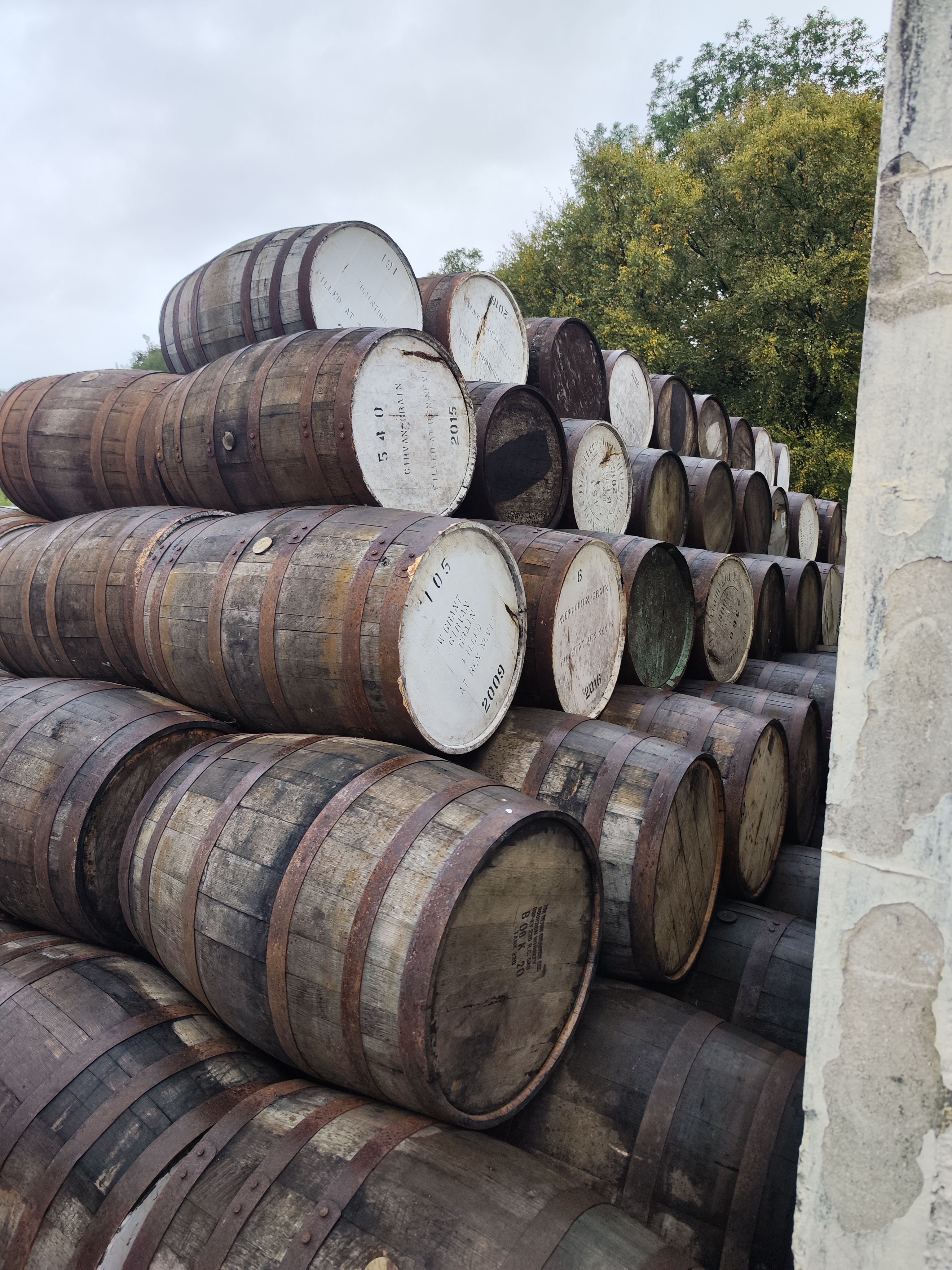


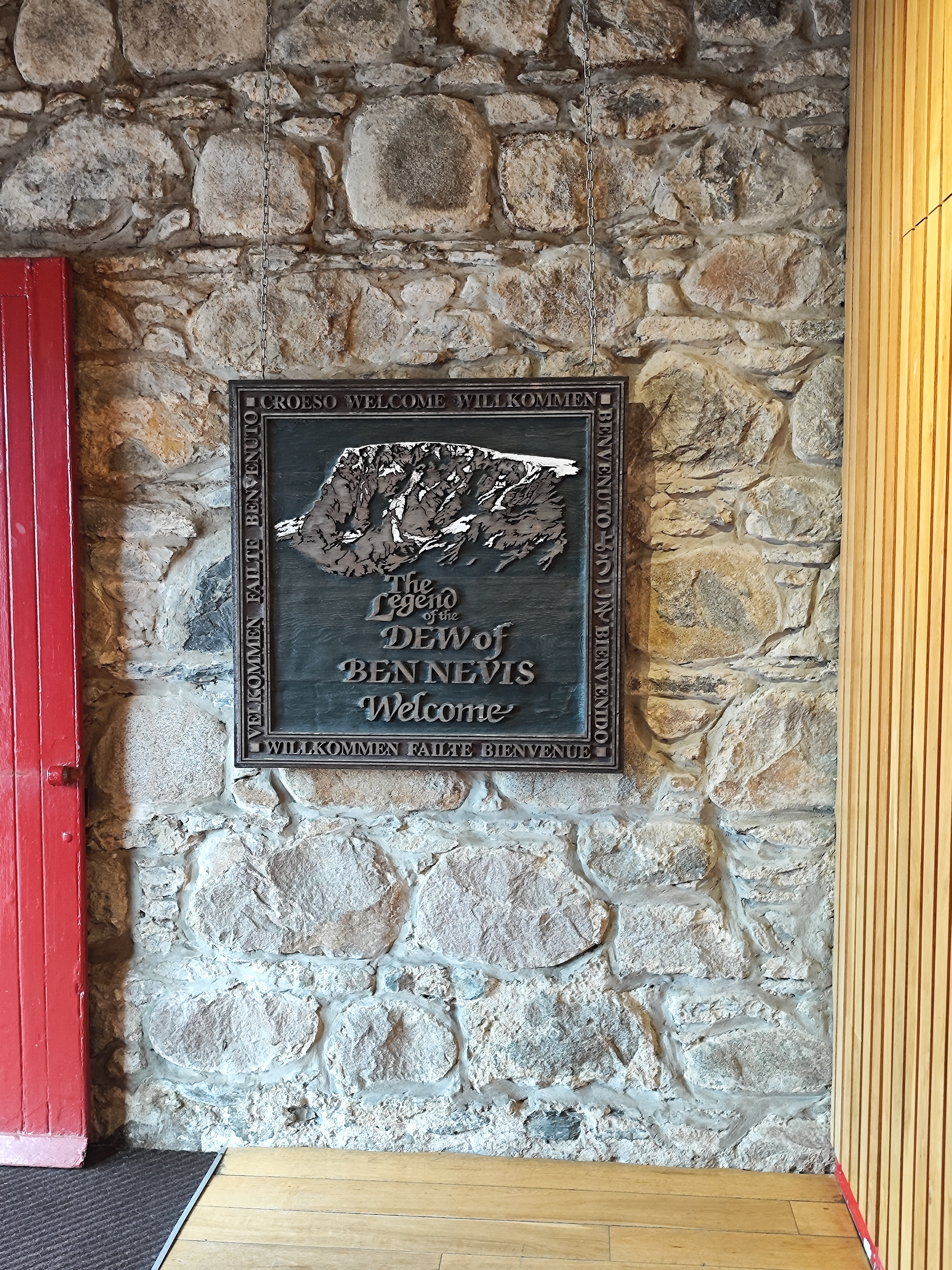
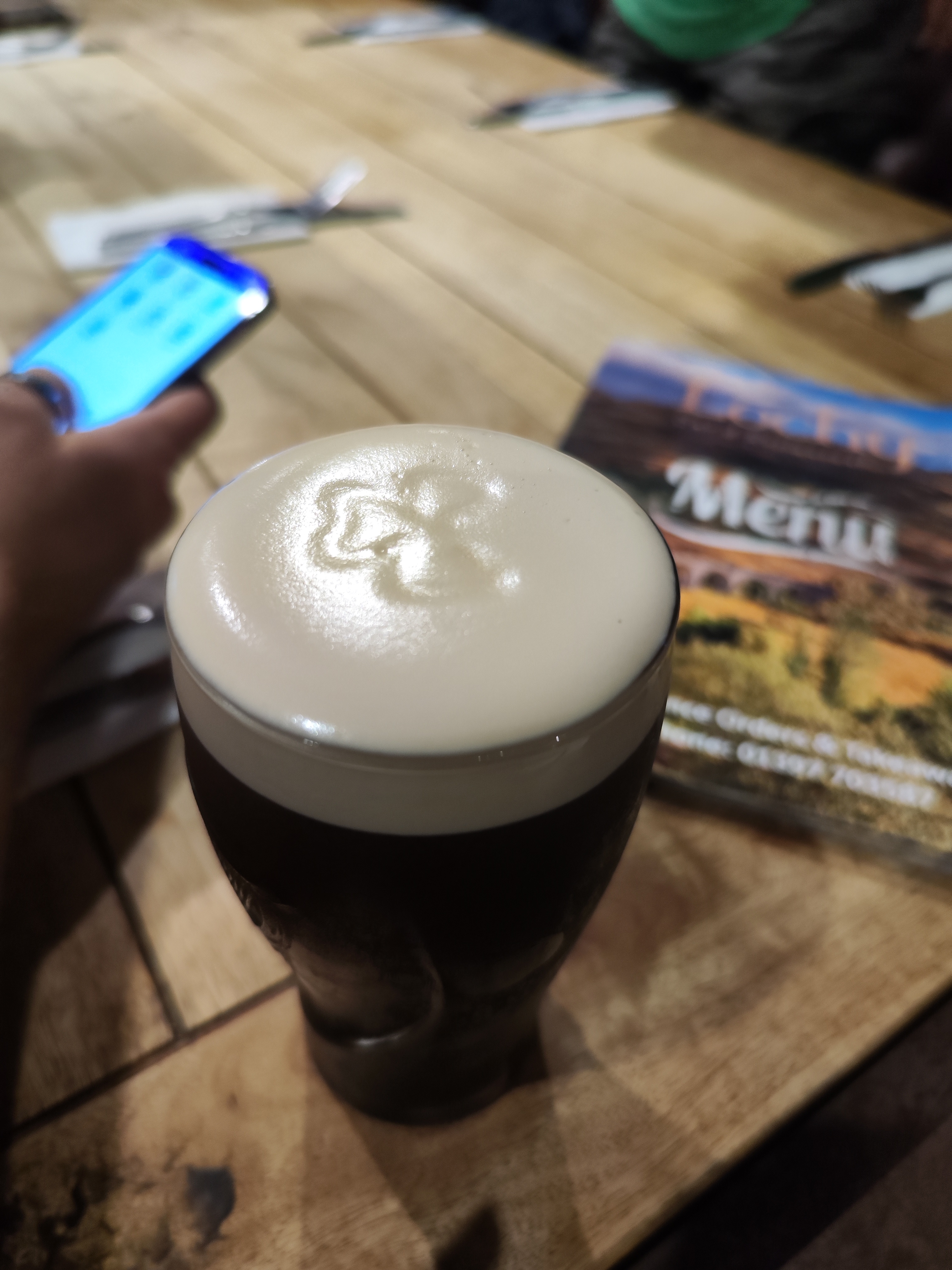
After the distillery tour, we sampled a few whiskies before heading to our hostel to drop off our things. Later, we went to a pub for dinner. One thing I’ve come to realize over the past few years is how much British people love their whisky and beer. While I’m not particularly fond of either, I’ve surprisingly developed a taste for Guinness, which has grown on me over time.
Climbing Ben Nevis
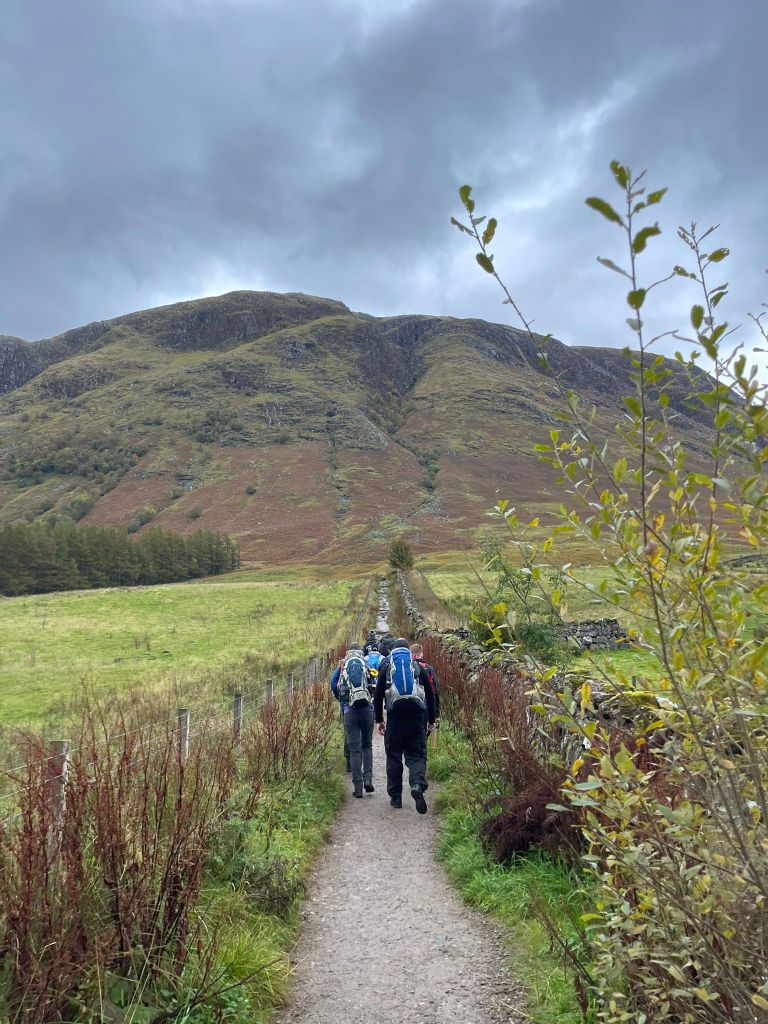
Ben Nevis (/ˈnɛvɪs/ NEV-iss; Scottish Gaelic: Beinn Nibheis, pronounced [pe(ɲ) ˈɲivɪʃ]) is not only the highest peak in the British Isles but also a dramatic and awe-inspiring mountain, rich with geological and natural features that attract adventurers and nature lovers alike. Its towering summit rises 1,345 meters (4,413 feet) above sea level, offering breathtaking views on a clear day—though the weather here can be famously unpredictable, with clouds often cloaking the peak.

The mountain’s rocky and rugged landscape is a testament to its volcanic origins. The summit plateau, formed from the remains of an ancient collapsed volcano, offers a stark contrast between steep cliffs on the north face and more gentle slopes to the south. The North Face is especially popular with climbers, featuring towering cliffs, deep gullies, and classic routes that provide a challenge for experienced mountaineers year-round. In winter, this face becomes a mecca for ice climbers tackling some of the UK’s most challenging routes.
Ben Nevis is also home to a range of flora and fauna, with rare alpine plants clinging to its slopes. The lower regions are blanketed in heather and moss, while higher altitudes give way to hardy species adapted to the harsh environment. Hikers can explore the popular Pony Track, which winds its way to the summit or venture off the beaten path for a more challenging ascent.
With its majestic heights, dramatic cliffs, and wild beauty, Ben Nevis is not just a mountain—it’s an unforgettable experience for anyone who ventures to its heights.
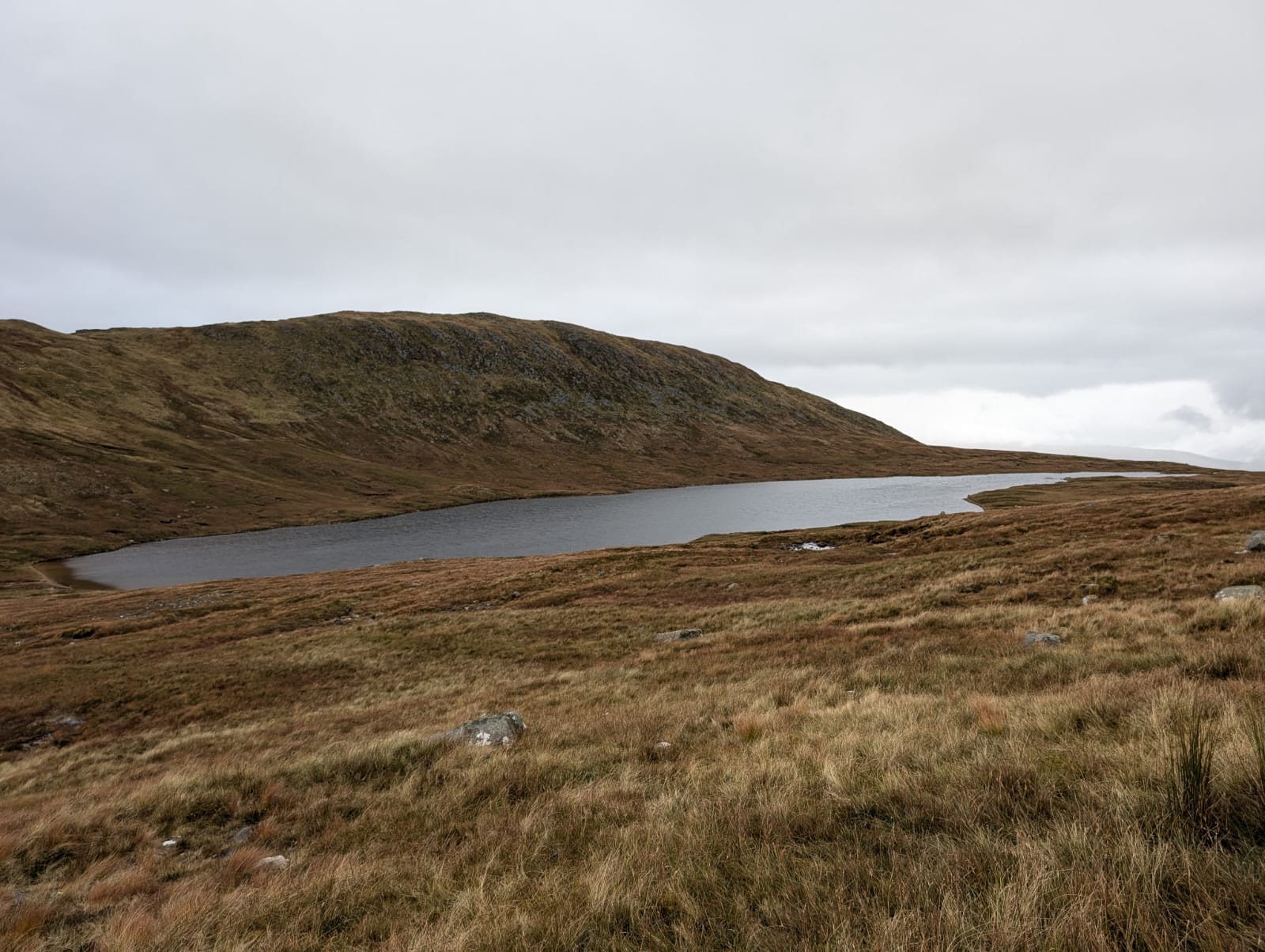
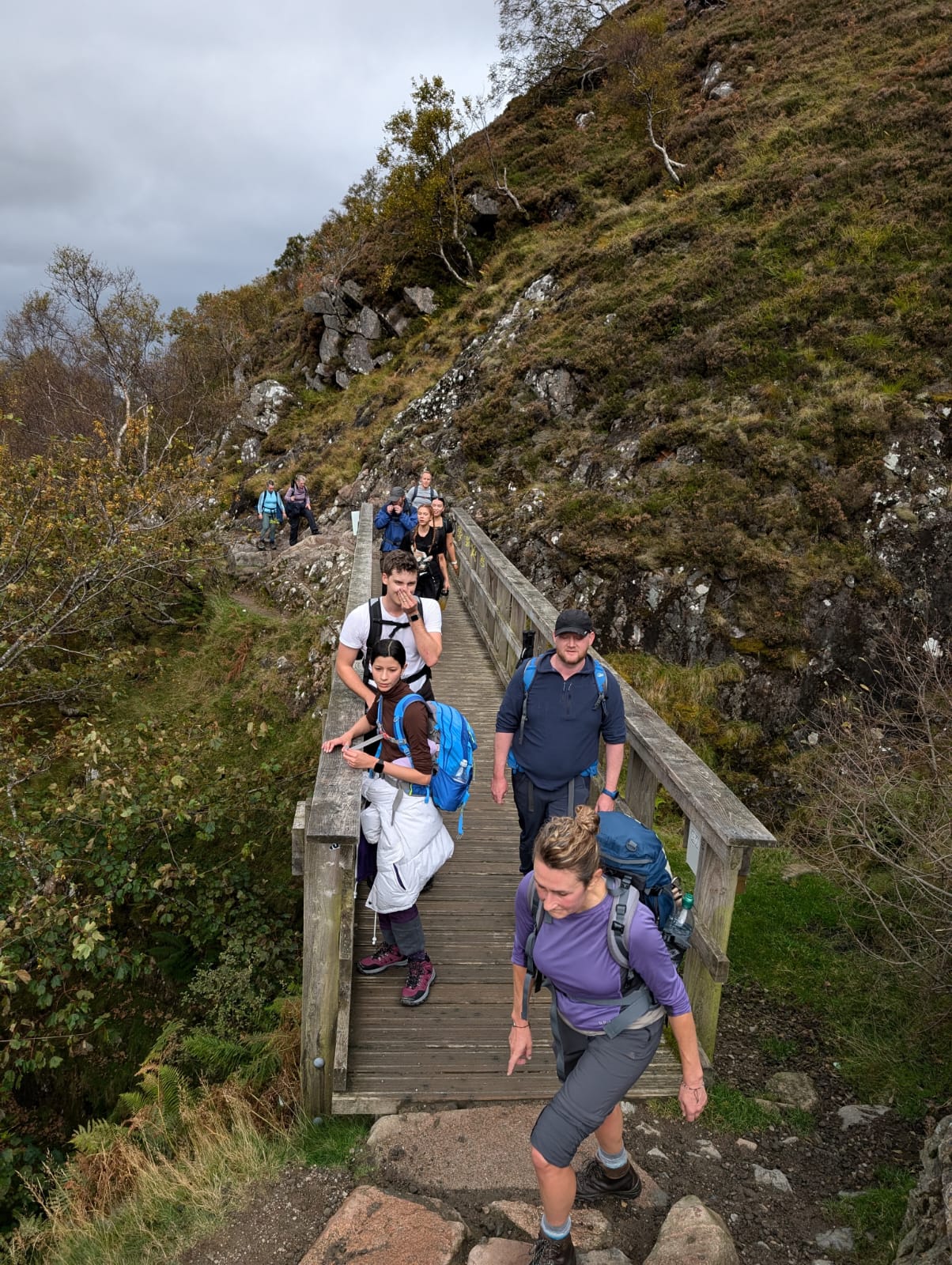
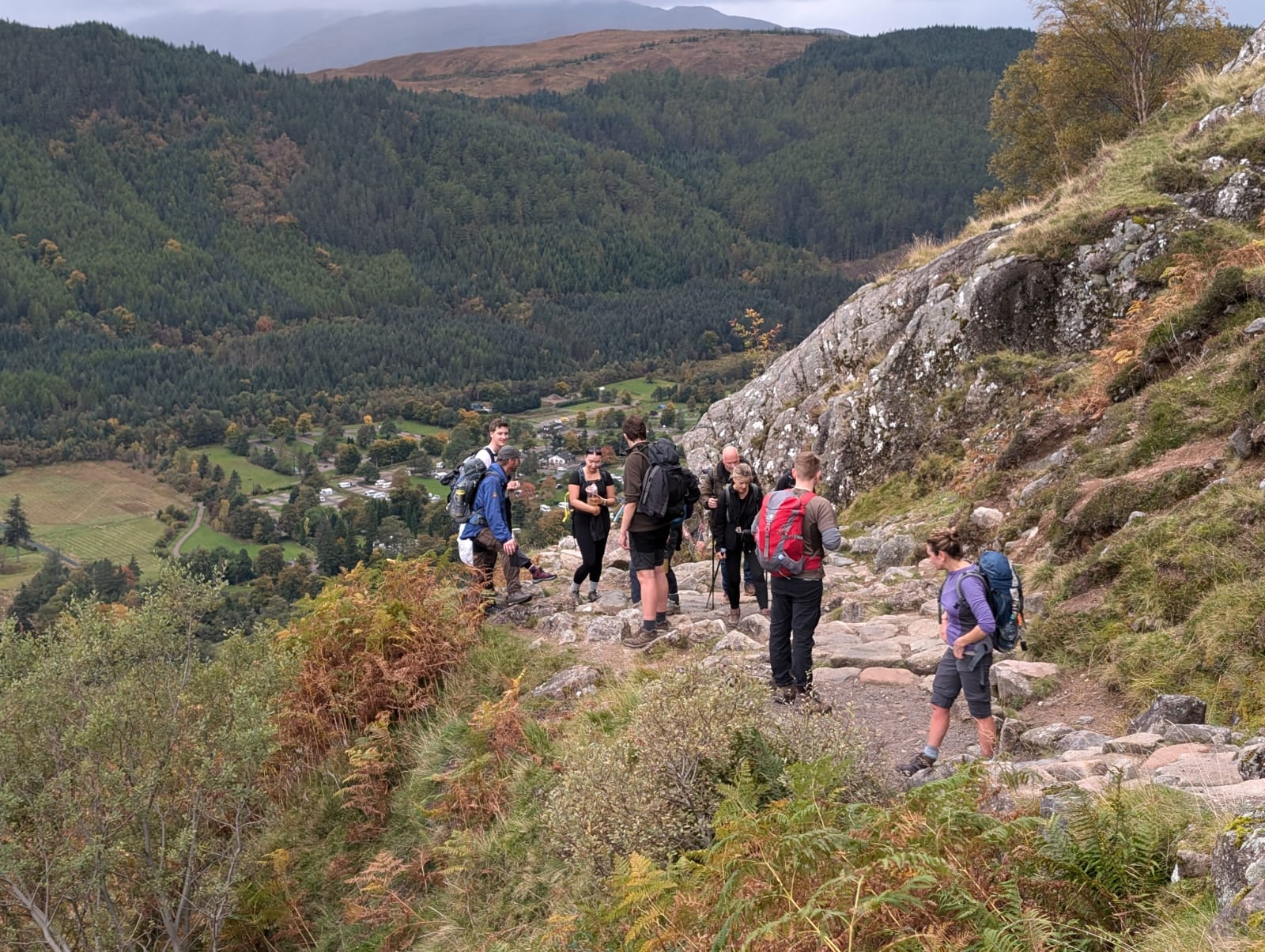
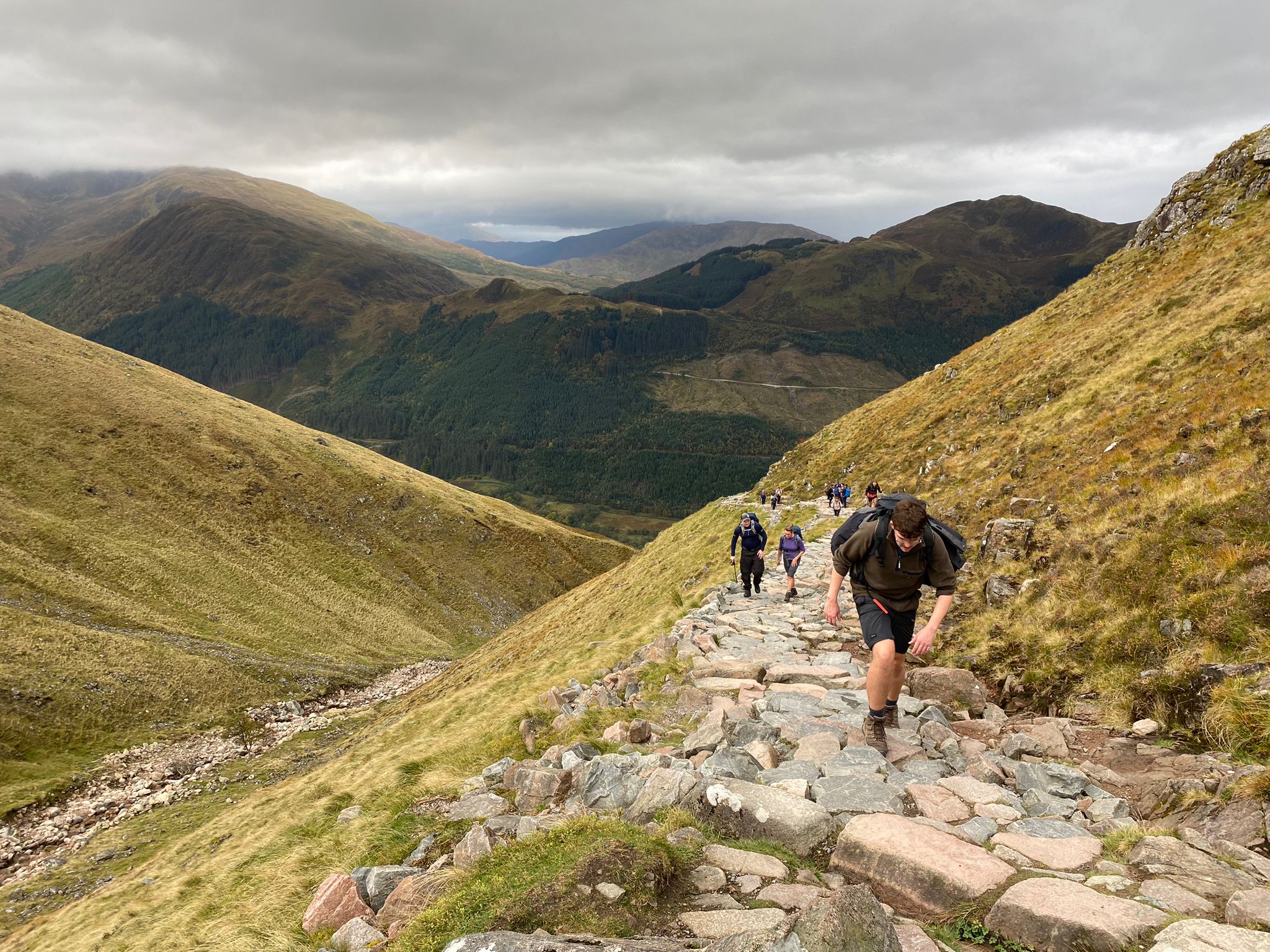

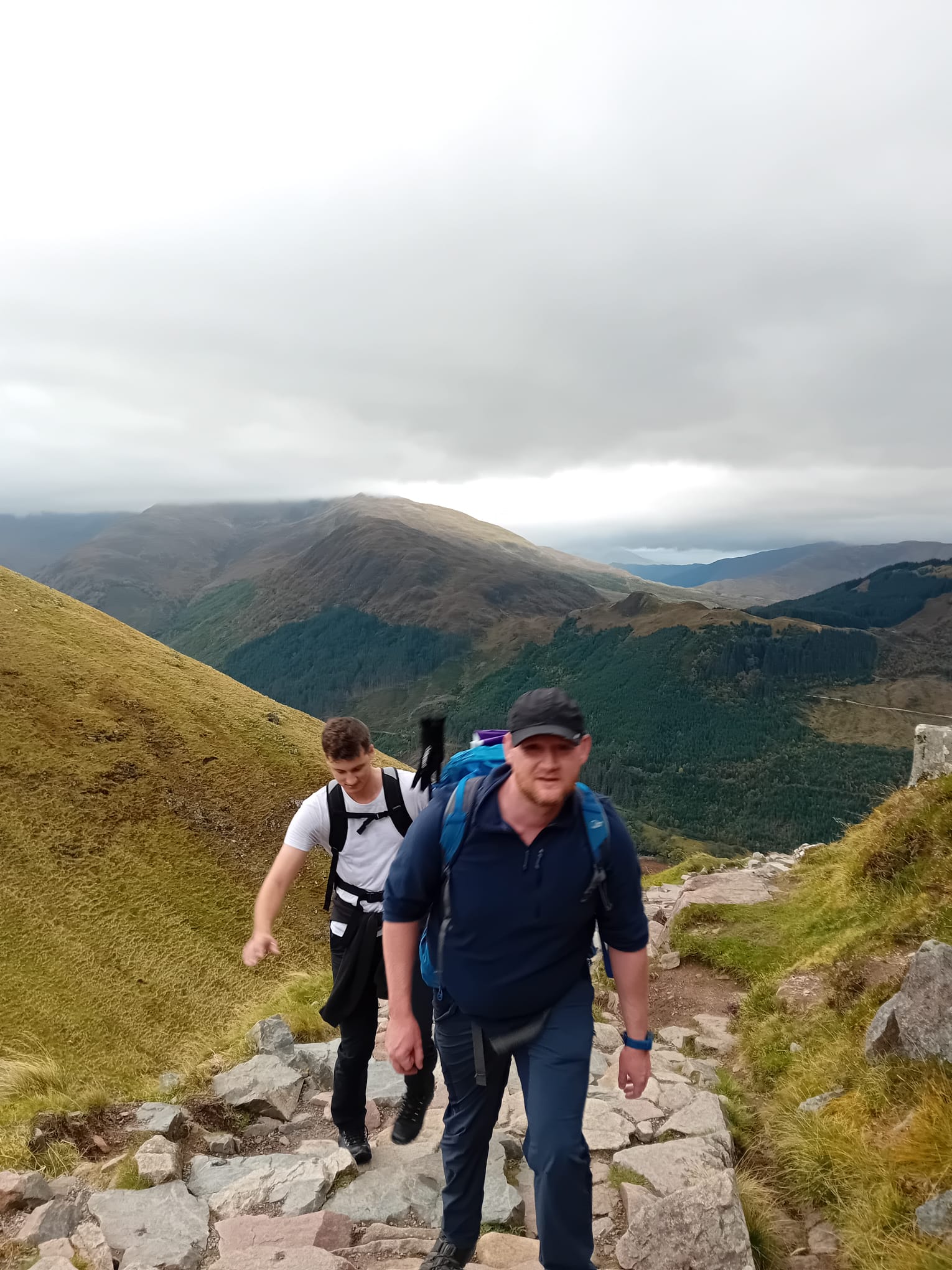
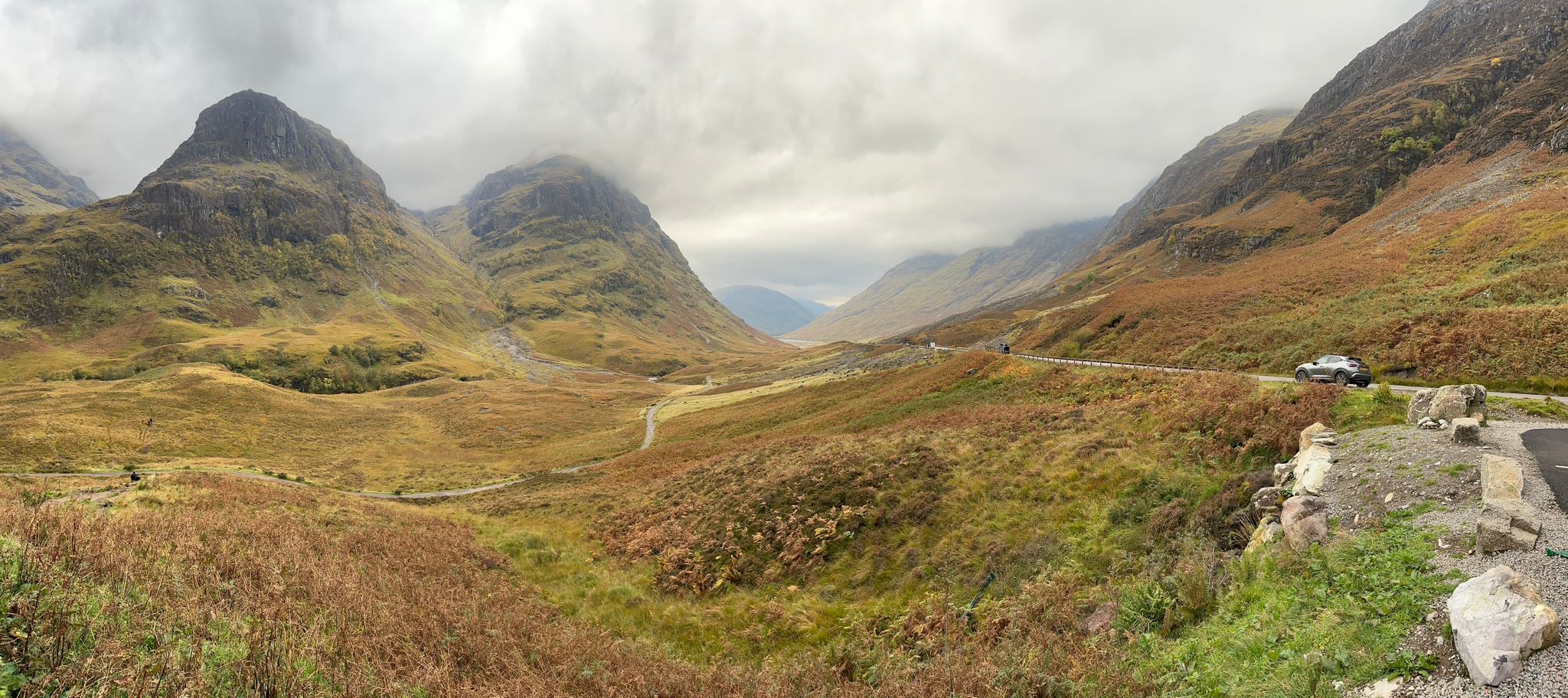

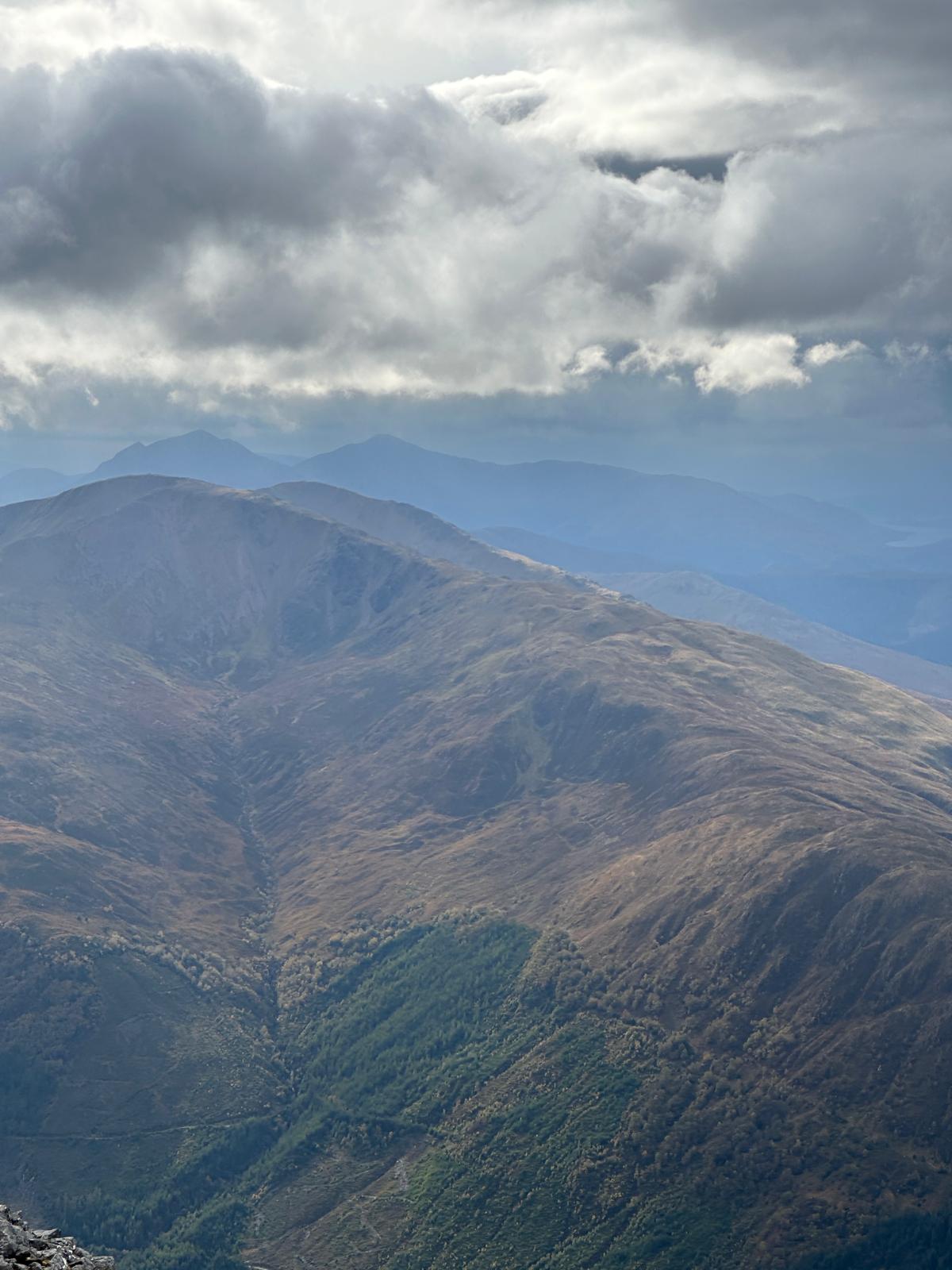
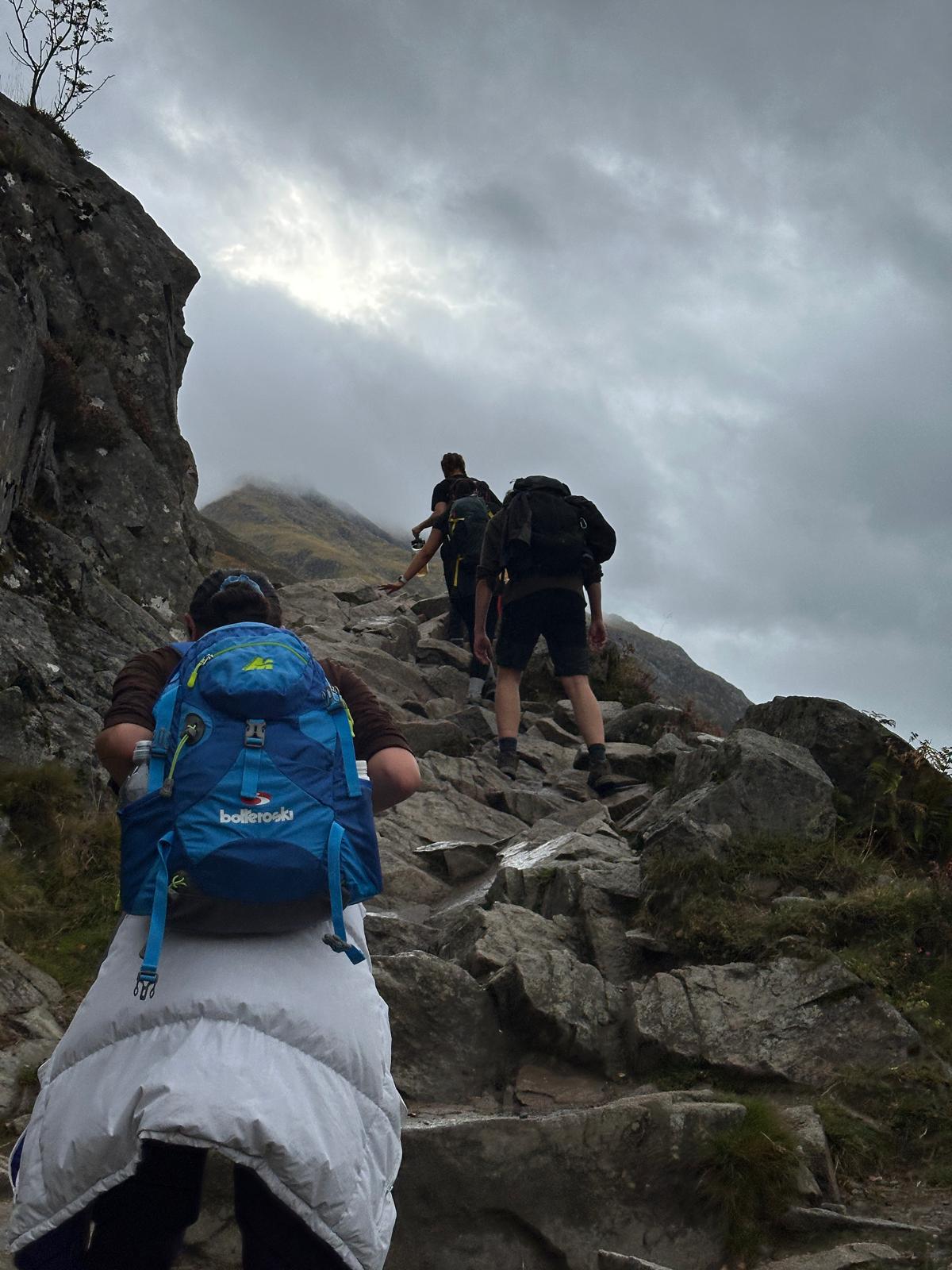

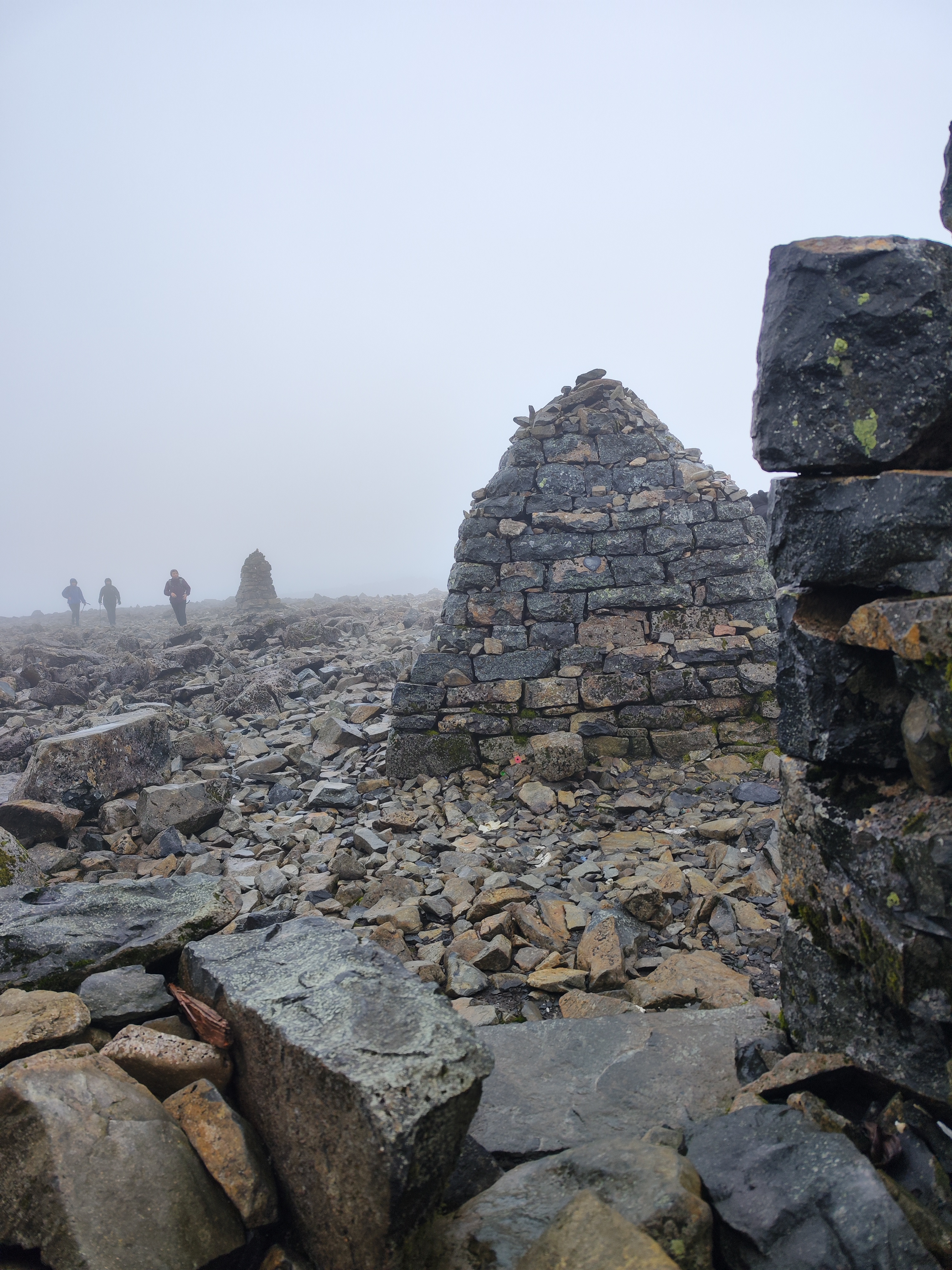
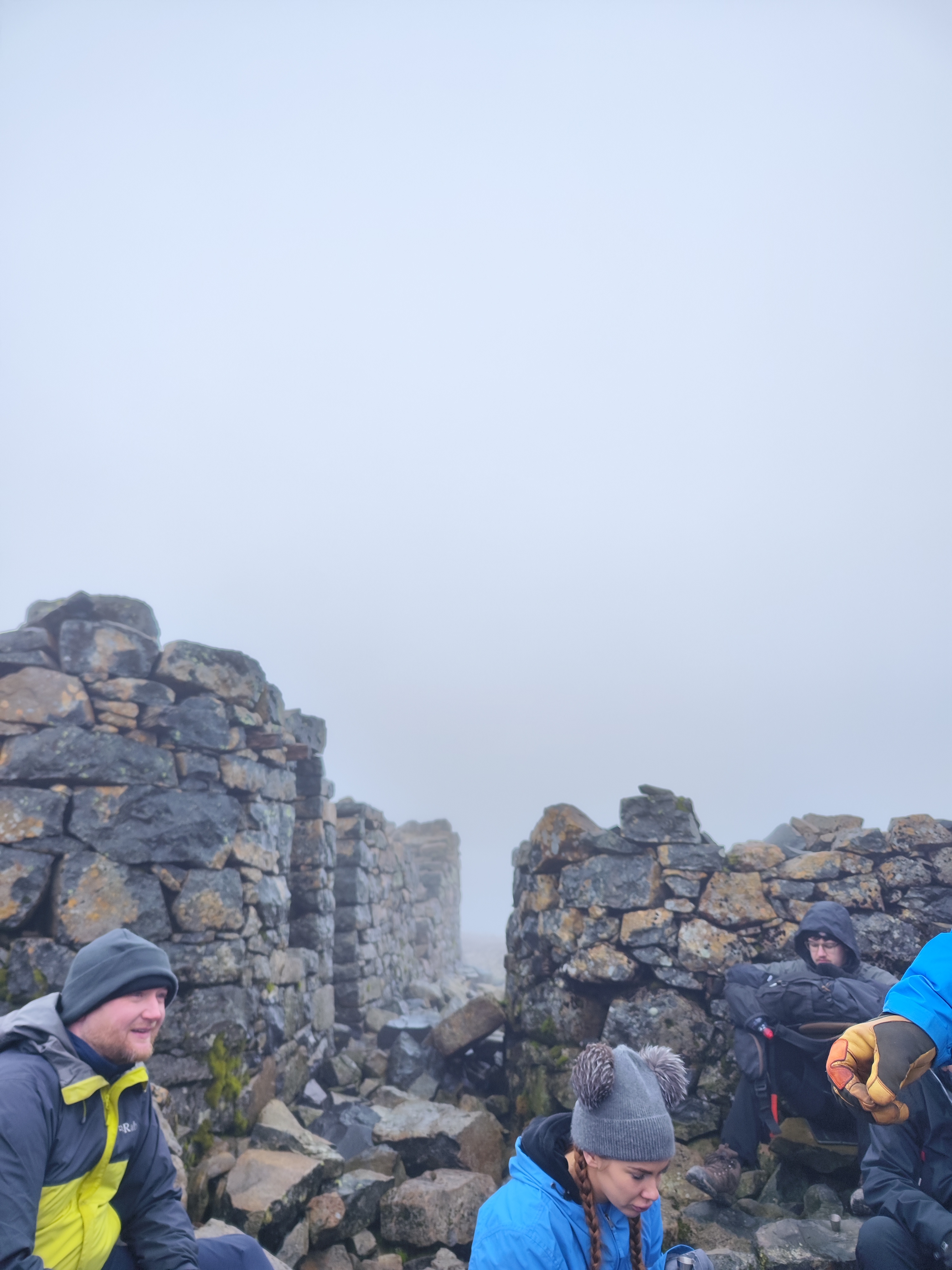
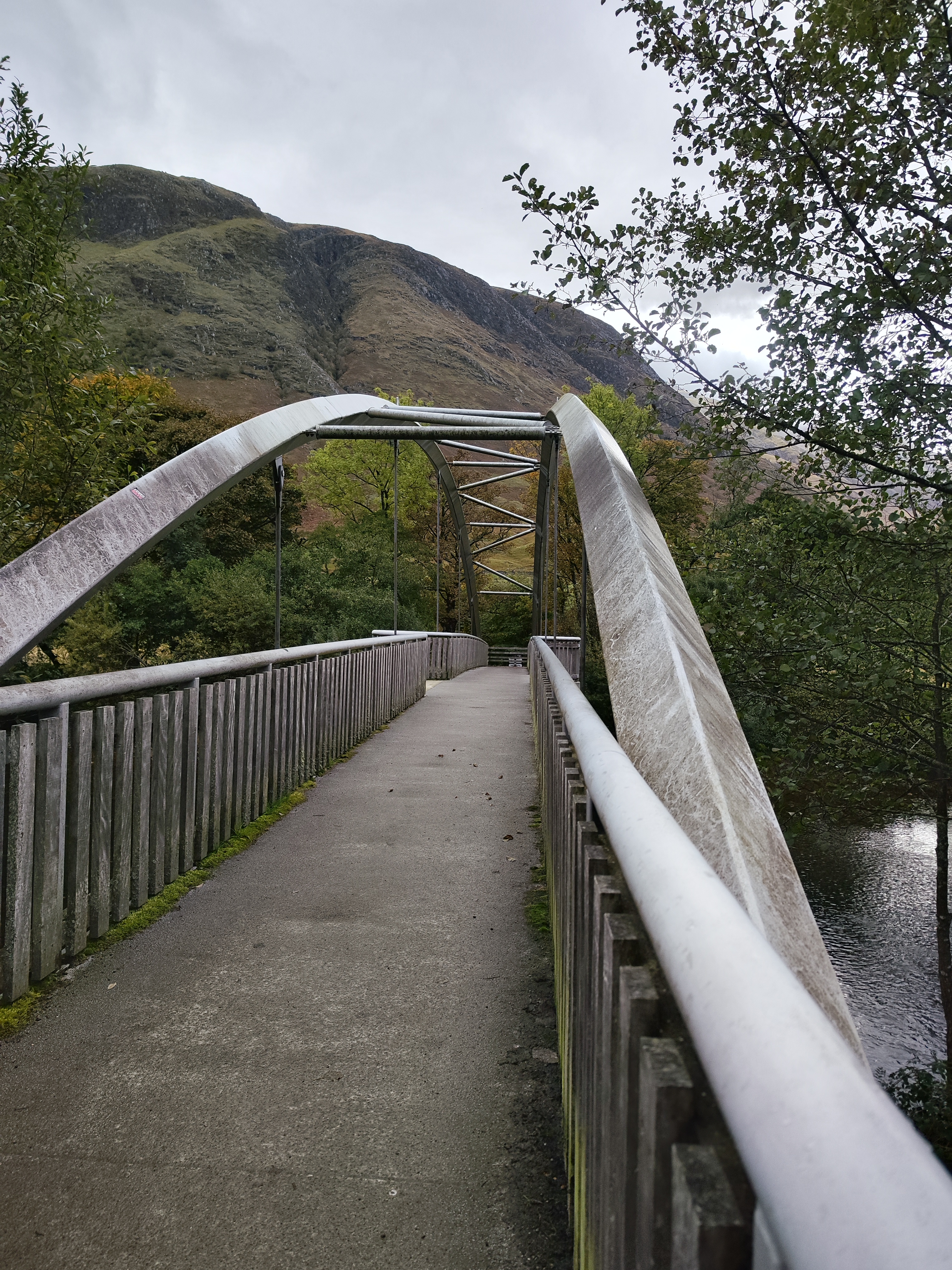
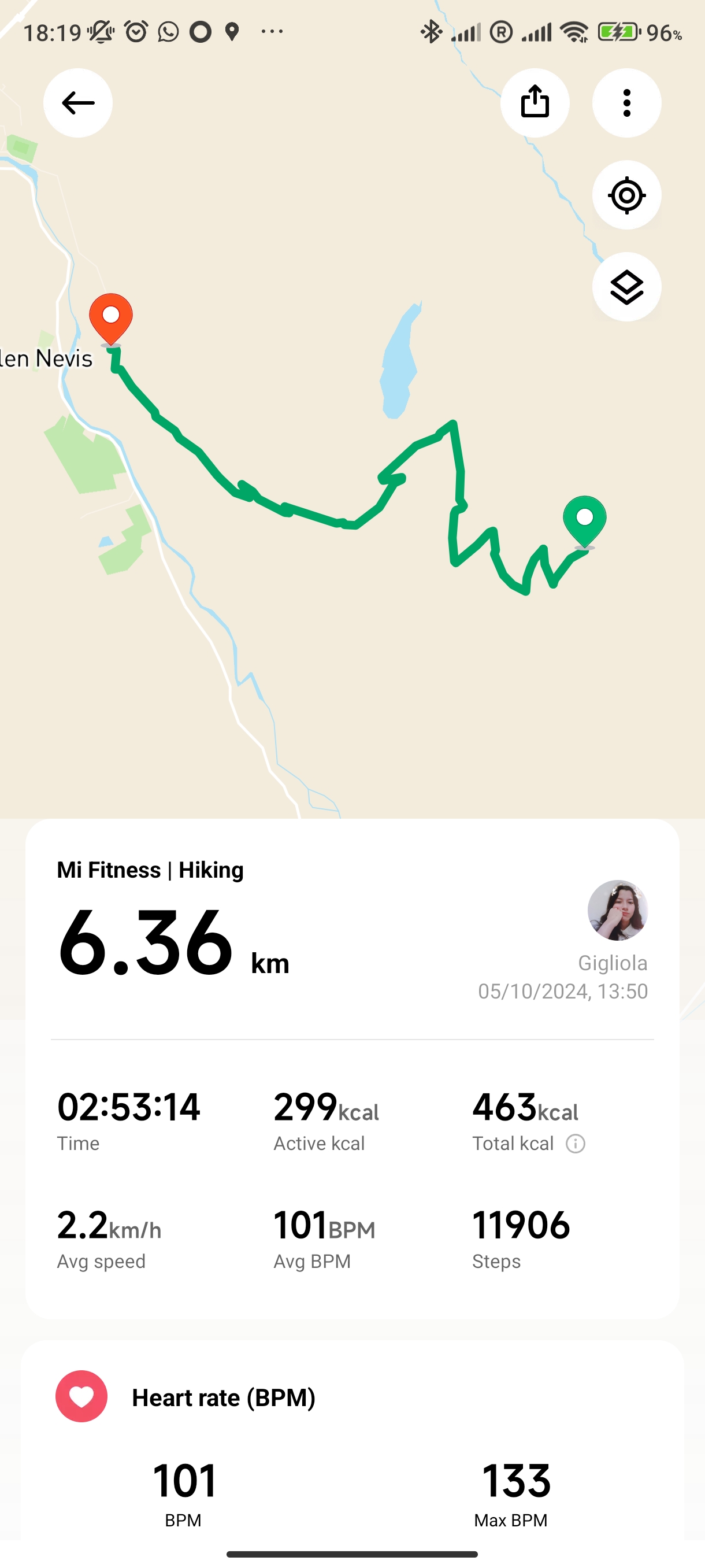
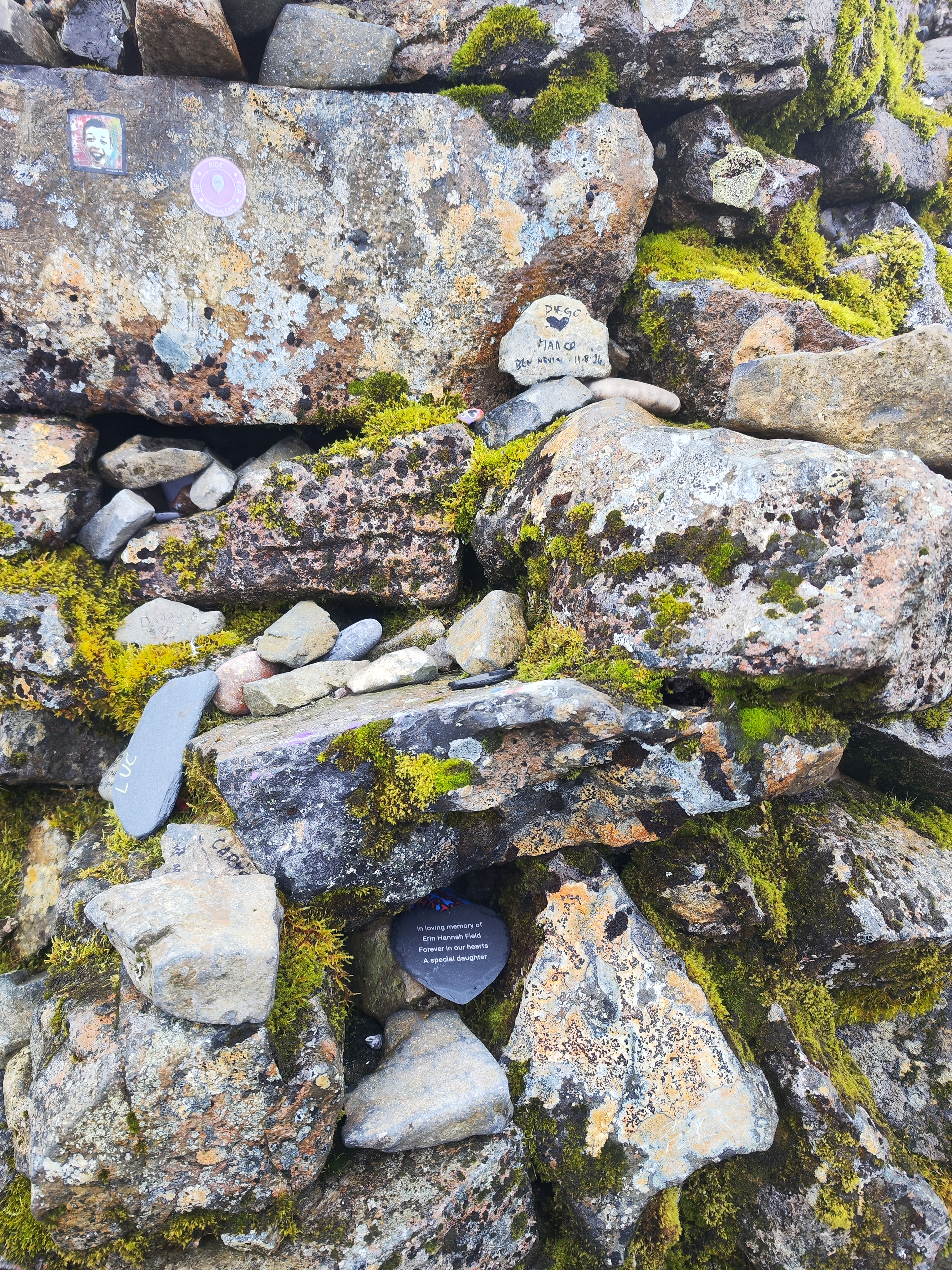
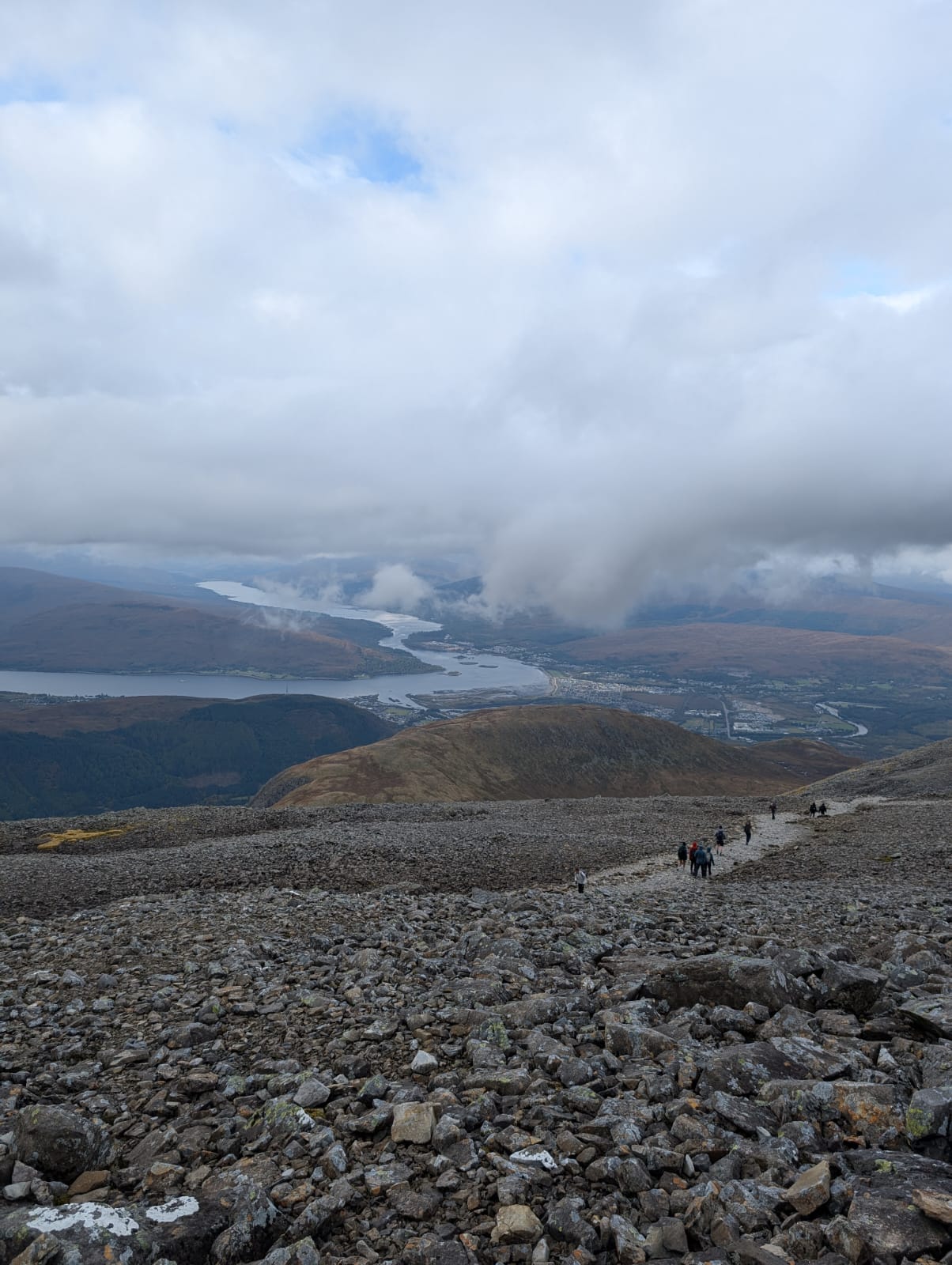
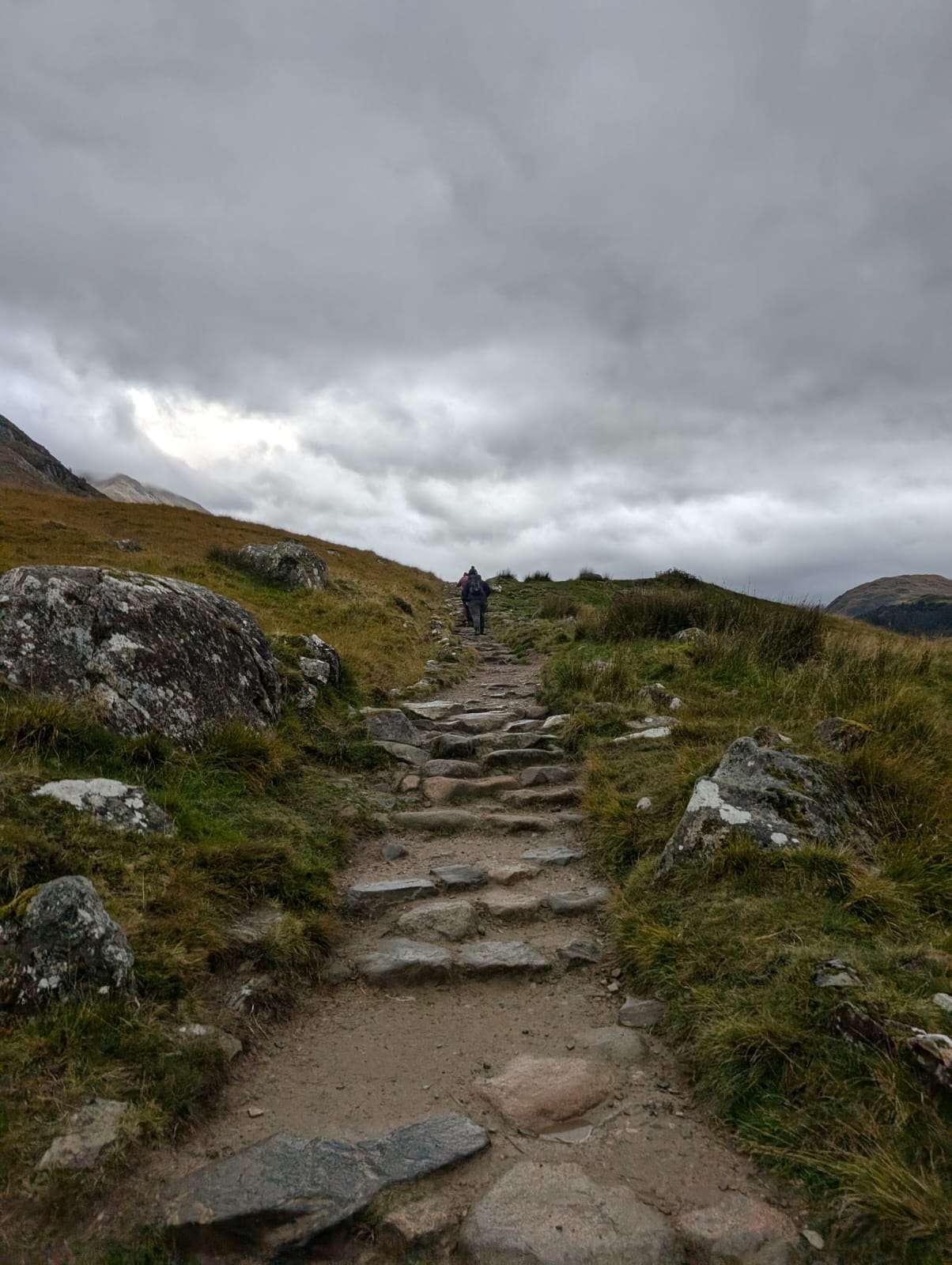
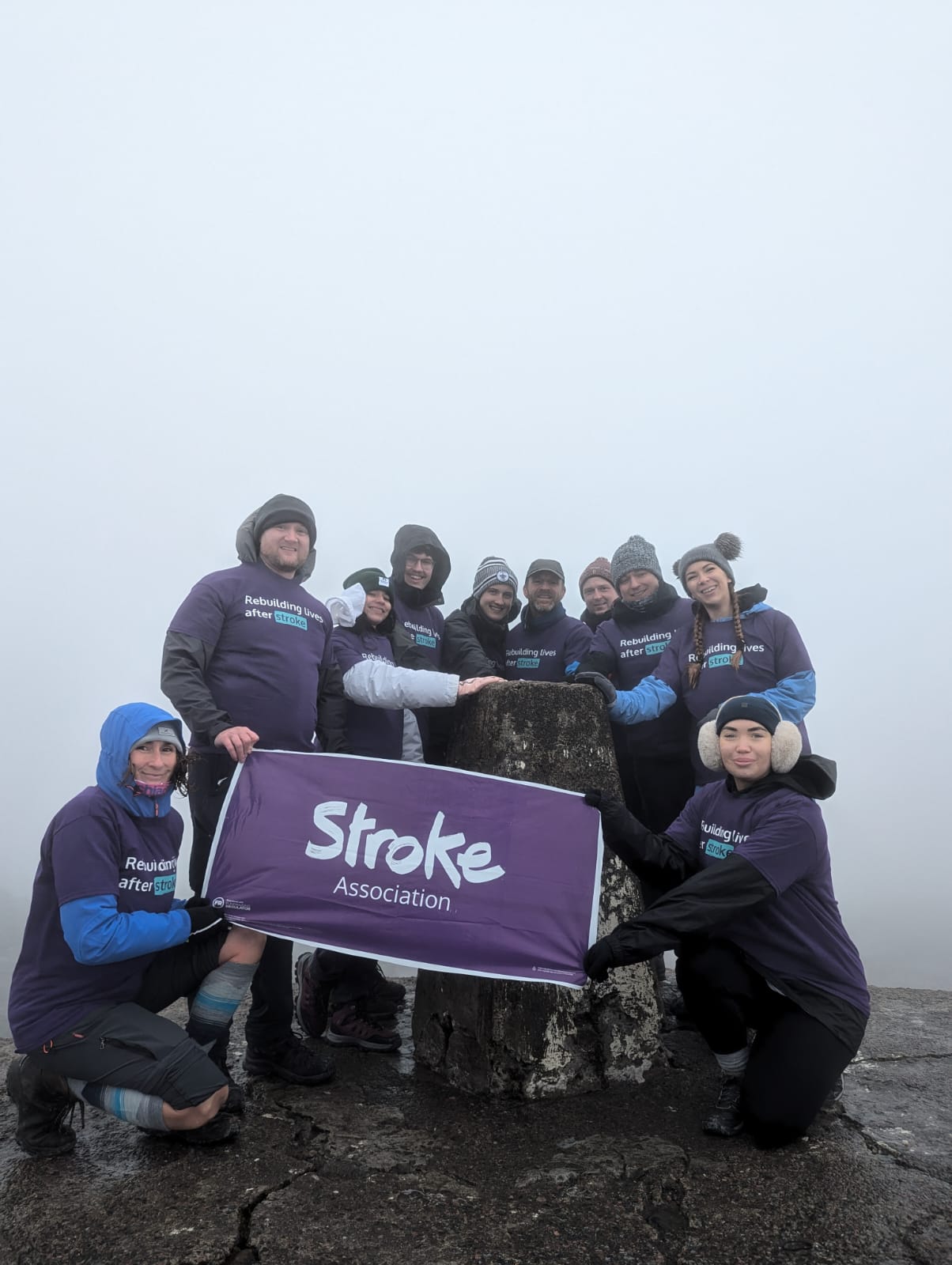
This climb was especially challenging for me because I was on my ‘period’, which made the whole experience even tougher. The final stretch felt like it would never end, with thick clouds obscuring the summit—it seemed like the top might never appear! But I pushed through, and when I finally reached the peak after 3.50 hours, I treated myself to two Caesar salad fajitas, despite the freezing cold.
What made this trip even more meaningful was that it was for a great cause. We climbed to raise funds for the Stroke Association, and you can still support by donating—just click on “Stroke Association.”
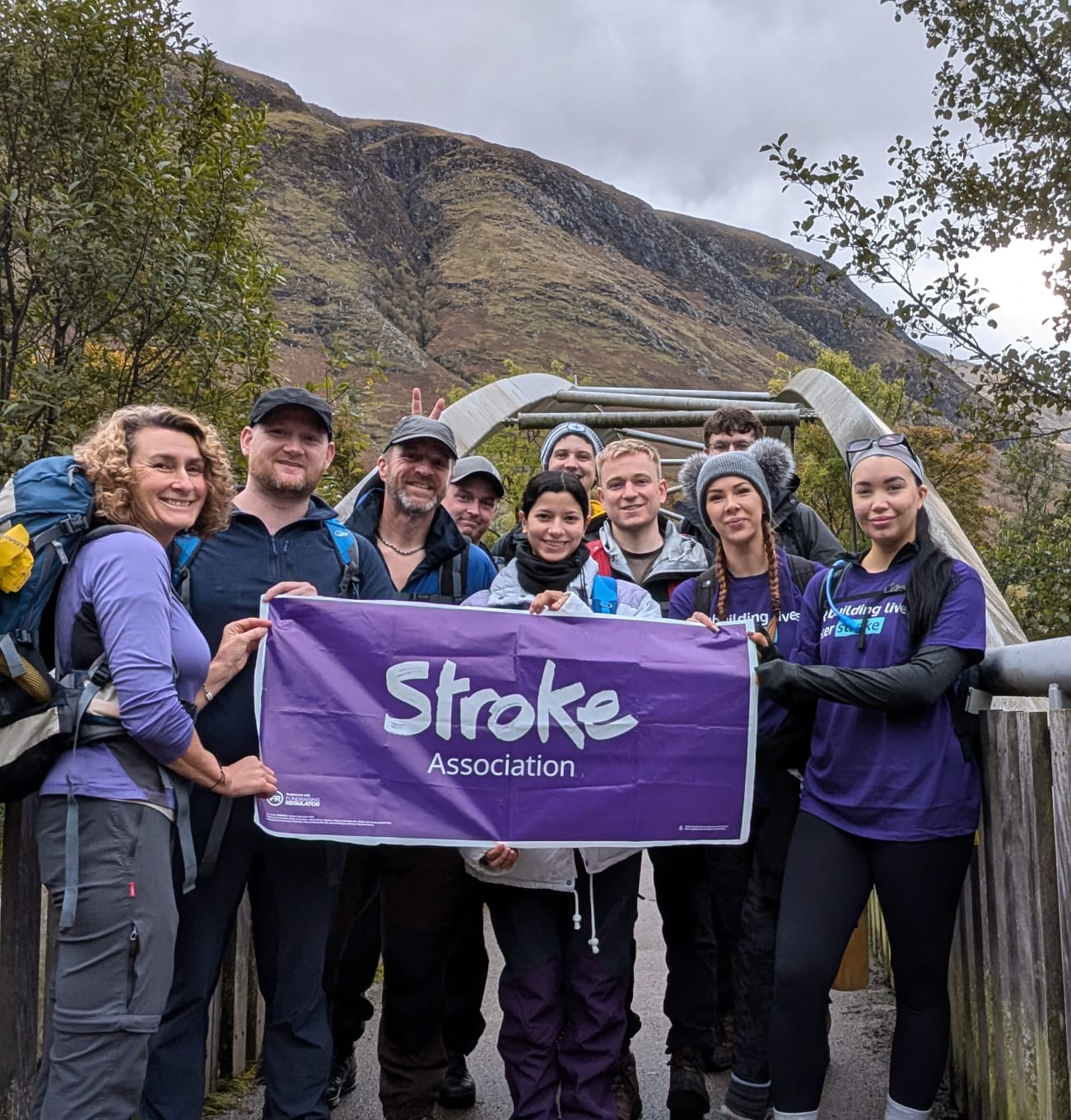
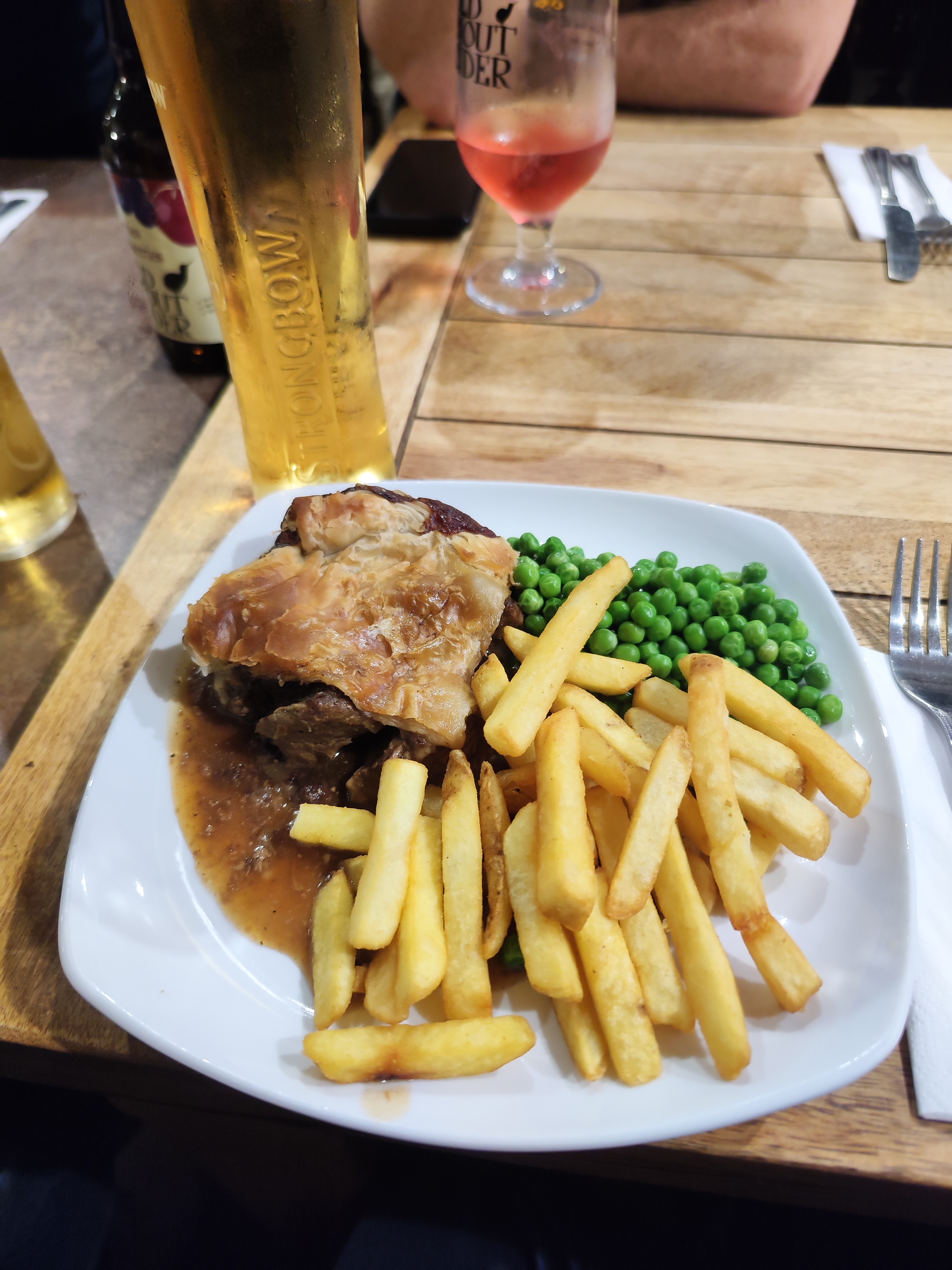
After we made our way back down, I naturally treated myself to a cider and a massive plate of steak pie (I absolutely love all the English pies and ciders!). We spent the rest of the evening playing darts, and my husband managed to beat three people in a row at billiards. Although we were exhausted, we felt accomplished and incredibly happy.

Hidden Valley at Glen Coe
If you thought that after nearly 6-7 hours of climbing we would head straight back to England, you’d be mistaken!
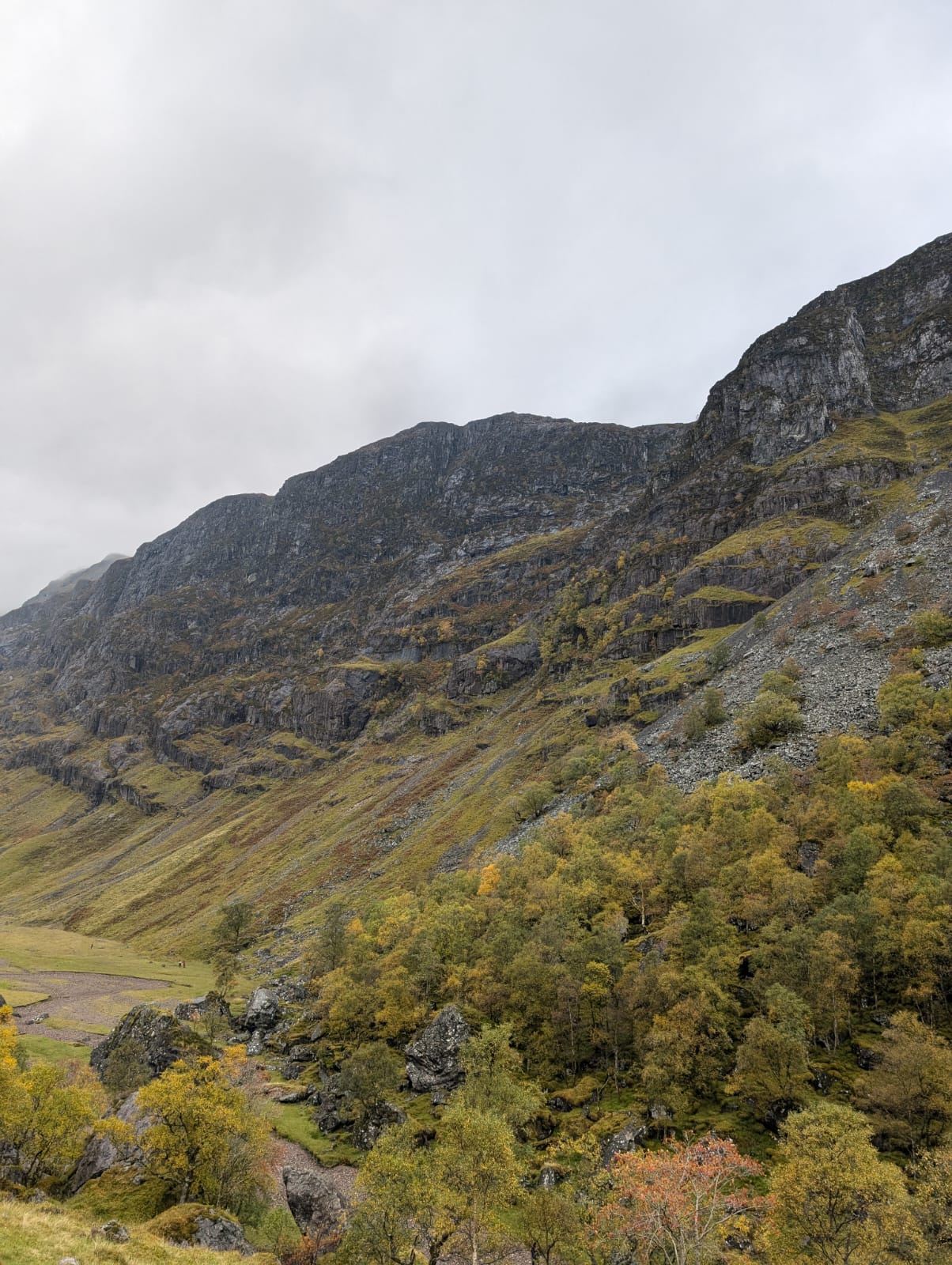
The plan was to visit Hidden Valley before we departed, giving us a chance to stretch our legs. I was hesitant at first, but once I saw the breathtaking views, I couldn’t resist the opportunity to explore.
The Hidden Valley Trail, located in Glen Coe, is a stunning walk that showcases the area’s dramatic landscapes. This relatively easy 4.5-kilometre (2.8-mile) hike takes you through a picturesque valley, surrounded by towering mountains, waterfalls and lush greenery. The trail leads you to a hidden glen, often referred to as the “Lost Valley,” where it is believed that the MacDonald clan hid their cattle from rival clans in the 17th century. Hikers can enjoy breathtaking views of the surrounding peaks, including the iconic Buachaille Etive Mòr. The trail is accessible year-round, making it a popular destination for both casual walkers and more serious hikers looking to experience the beauty of the Scottish Highlands.


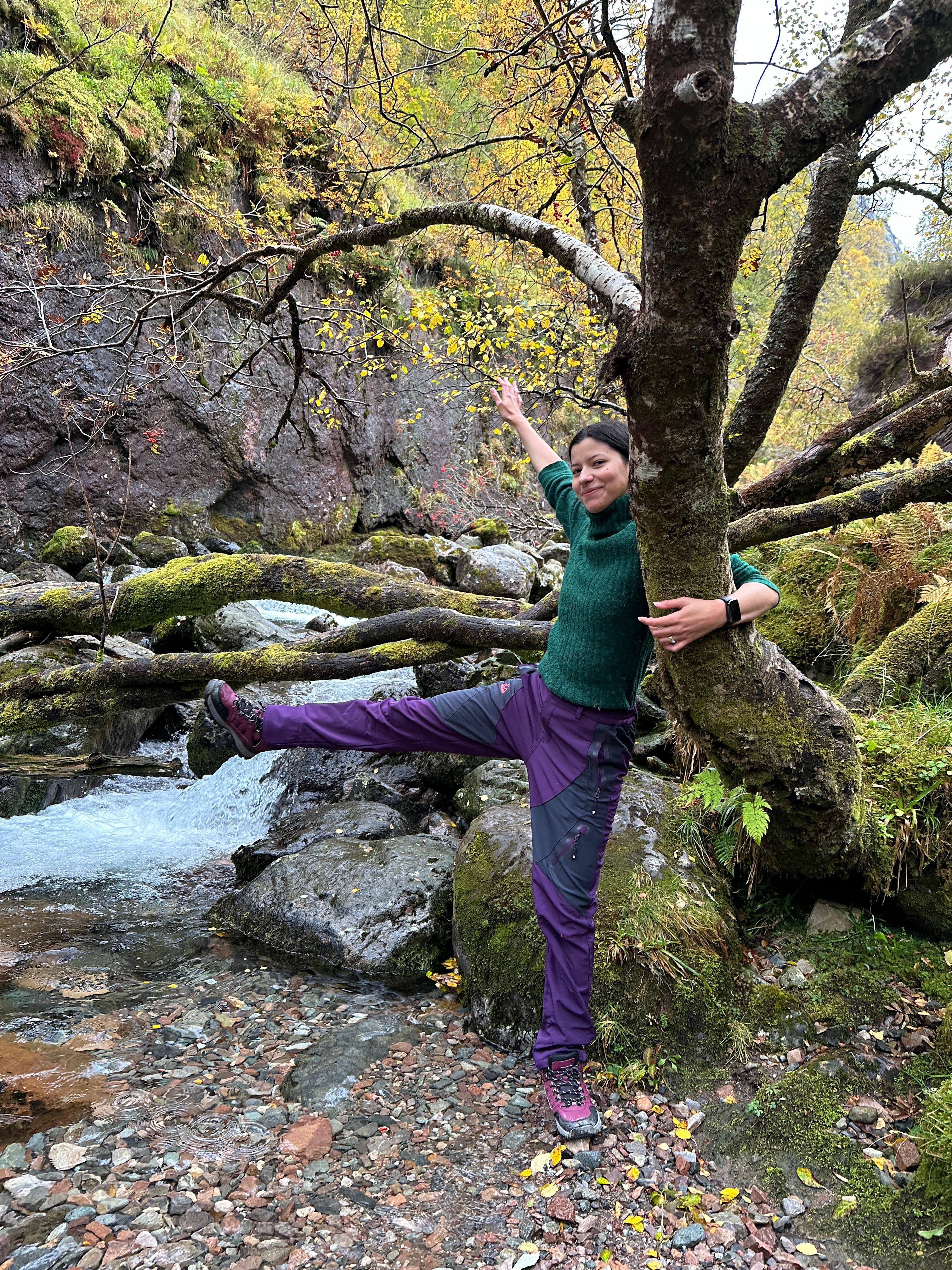
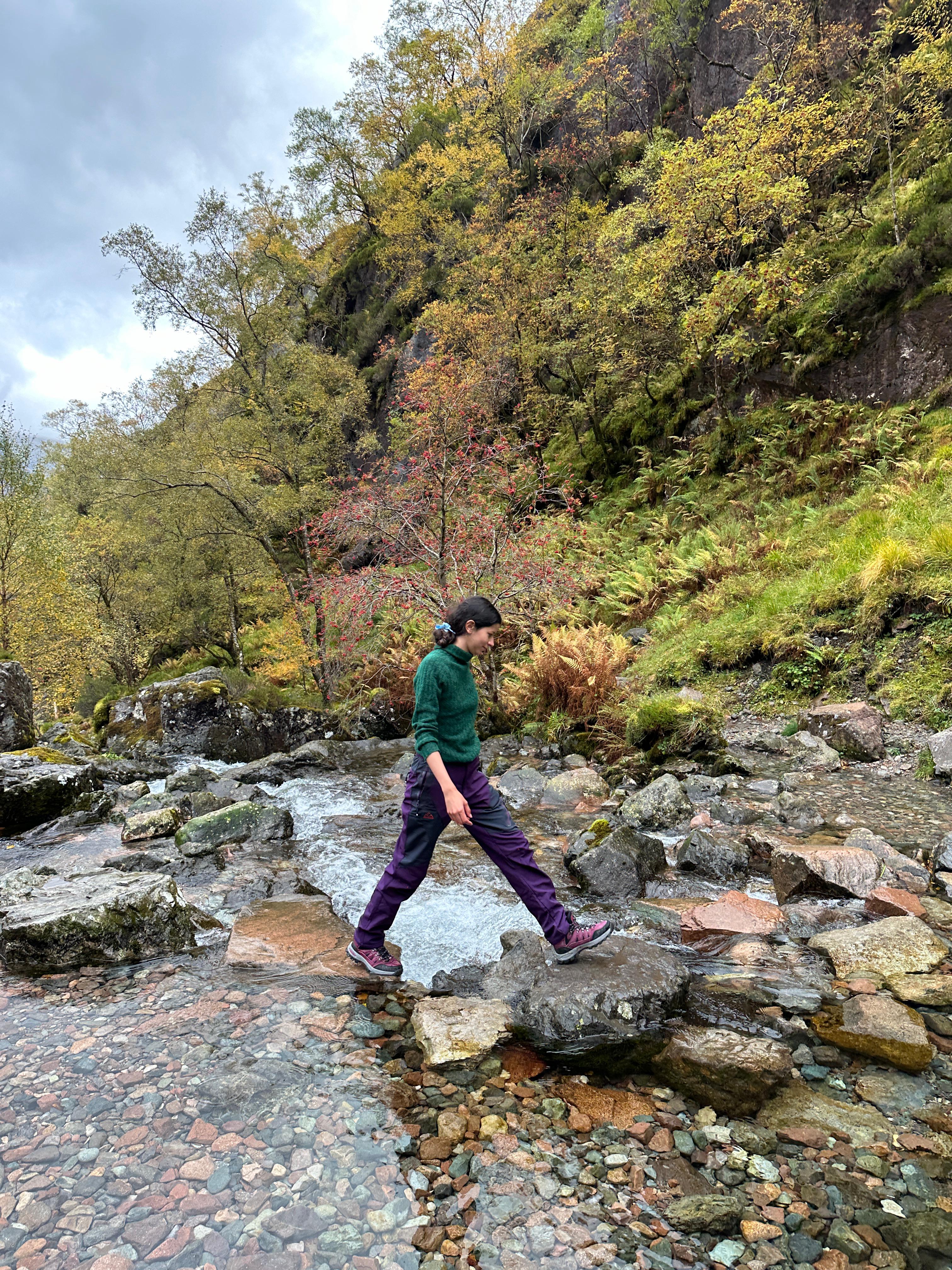

On our way back, we enjoyed some Scottish music, with this I mean:
which made the experience even more delightful. I have to say, there’s nothing quite like listening to those tunes while indulging in some delicious fudge—it truly brought me so much joy!

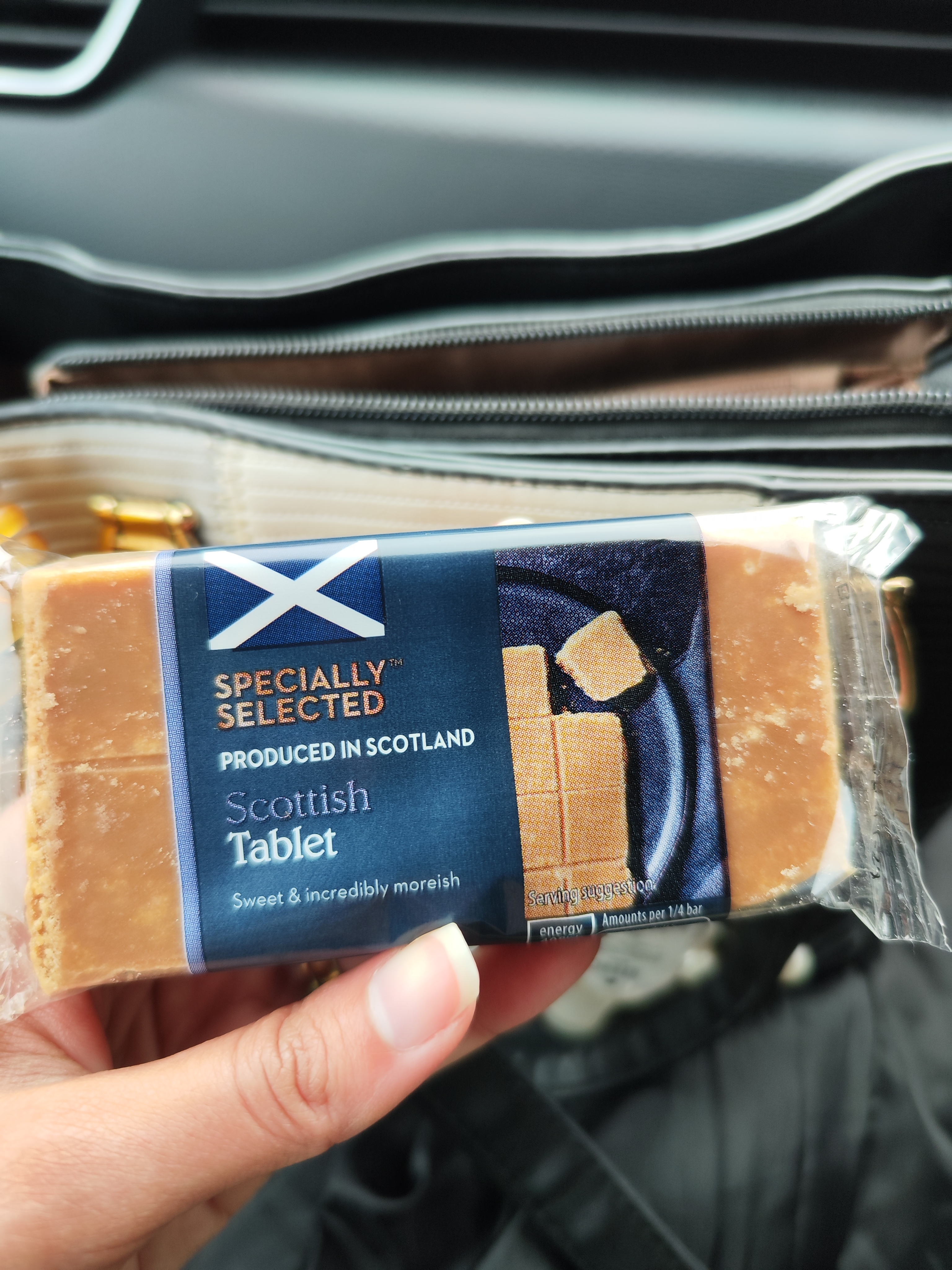
A big thank you to David and the team for this amazing opportunity! I can’t wait to do it again!
See you in the next post! 💜


#france #let'shelpaprincess #mountains #paris #part of my origins #portugal #travel #wine adventure architecture art author Blog & Travelling bloganuary bloganuary-2024-02 Buleria dailyprompt dailyprompt-1805 dailyprompt-2026 Dancinggiglio England Flamenco health Holamundo italy martinete motivation Mountains nature notebooks Part of my origins poem poetry Science seguiriya taranto The guitar is like a woman Traditions travel travelling wedding woman writing
 Dancing Giglio