
Hello there! These past few months have been a wild ride. I’ve recently relocated to the UK, and as I begin my quest to conquer the British Isles – okay, just kidding – I’ve decided to embark on a grand adventure exploring the charming towns and marvellous cities of the UK. Today, let’s dive into the delightful world of Lichfield!
Lichfield, a vibrant and historic city in the heart of Staffordshire, just north of Birmingham, offers an ideal short break or holiday destination. The city’s charming streets are rich with history and culture, featuring a delightful array of museums, independent shops, gourmet restaurants, and luxurious accommodations. Whether you’re seeking a cultural escape or a relaxing retreat, Lichfield promises an unforgettable experience.
Lichfield, with its iconic three-spired medieval cathedral, is a city steeped in history and culture. Celebrated as the birthplace of Samuel Johnson, the brilliant mind behind the first authoritative Dictionary of the English Language, Lichfield has long been a centre of intellectual and spiritual significance.
The city’s story begins in 669 AD when Chad of Mercia arrived to establish his Bishopric, setting the stage for Lichfield’s rise as the ecclesiastical heart of Mercia. Fast forward to 2009, and the discovery of the Staffordshire Hoard—an unparalleled collection of Anglo-Saxon gold and silver metalwork unearthed just 4 miles (6.4 km) southwest of Lichfield—further cemented the area’s historical importance.
Lichfield’s transformation gained momentum in the 12th century under Roger de Clinton, who fortified the Cathedral Close and laid out the distinctive ladder-shaped street pattern that still defines the city today. The 18th century marked Lichfield’s golden age, as it flourished into a vibrant coaching hub and a beacon of intellectual life. During this period, the city became home to luminaries such as Samuel Johnson, David Garrick, Erasmus Darwin, and Anna Seward, earning it the moniker “a city of philosophers.”
Today, Lichfield remains a proud guardian of its rich heritage. Its historical role as an ecclesiastical centre endures, and careful planning has preserved the city’s unique character. With over 230 listed buildings, including exquisite examples of Georgian architecture, Lichfield’s city centre continues to exude timeless charm, inviting visitors to explore its storied past.
Samuel Johnson Birthplace Museum

This Grade I listed building, located at the corner of Market Street and Breadmarket Street, proudly stands opposite Lichfield’s market square. Since its opening in 1901, it has served as a museum dedicated to the life and works of Samuel Johnson, the esteemed author and lexicographer who penned the first authoritative Dictionary of the English Language.
Built by Johnson’s father in 1707, the house holds immense historical significance. Samuel Johnson was born here on September 18, 1709, and spent the majority of his first 27 years within these walls before setting off for London in 1737. After Johnson died in 1784, the house saw various commercial uses until 1900, when John Gilbert purchased it on behalf of the city to preserve it as a museum honouring Johnson’s legacy.
Today, the house continues to welcome visitors as a vibrant museum, offering a fascinating glimpse into the life of one of England’s most influential literary figures.
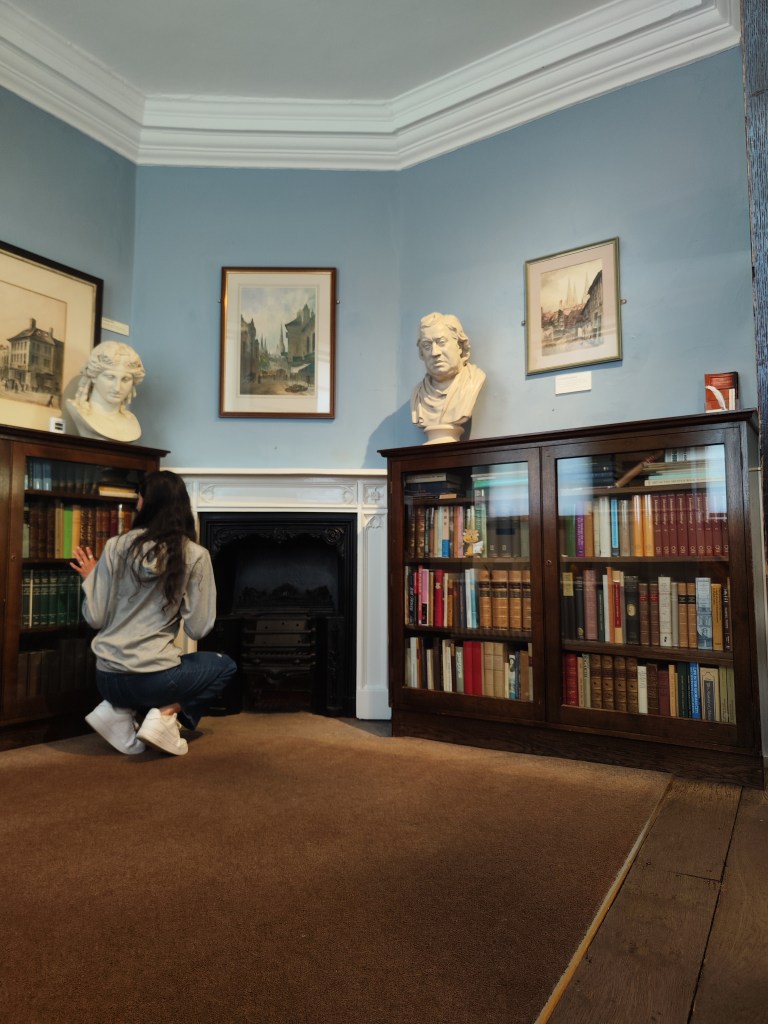
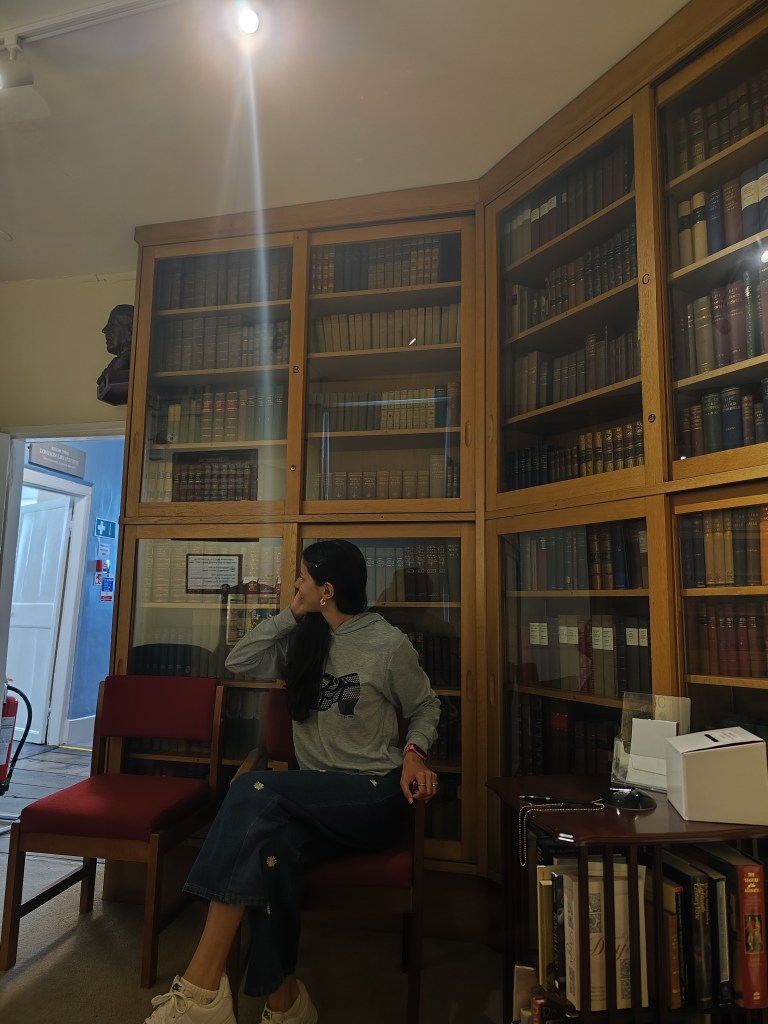
The museum, established in 1901, boasts an extensive library of manuscripts and books, including over 1,000 volumes collected by the Reverend Dr. Peter Hay Hunter of Edinburgh, generously donated by his widow in 1911. Initially managed by the city council, the museum’s administration was transferred to the Dr Johnson Birthplace Trust in 1974, with the restored city council taking on the role of trustee in 1982. The museum also serves as the postal address for the Johnson Society, which was founded in 1910. In 1990, the entrance to the museum’s bookshop, which faces Market Street, was carefully restored.
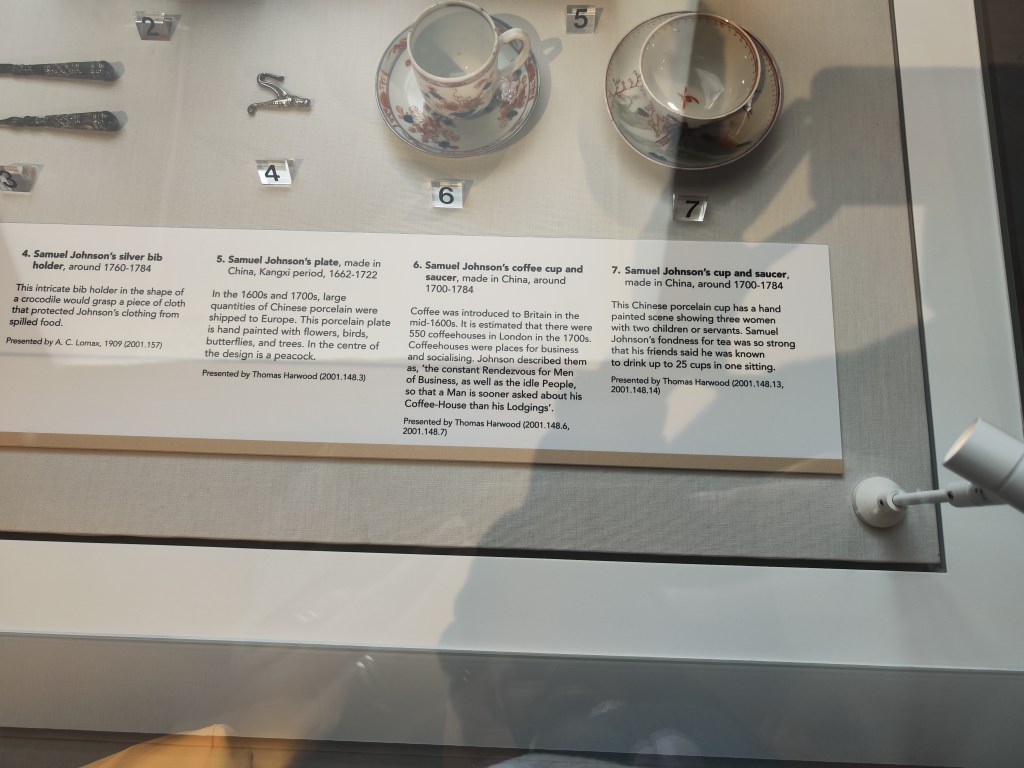
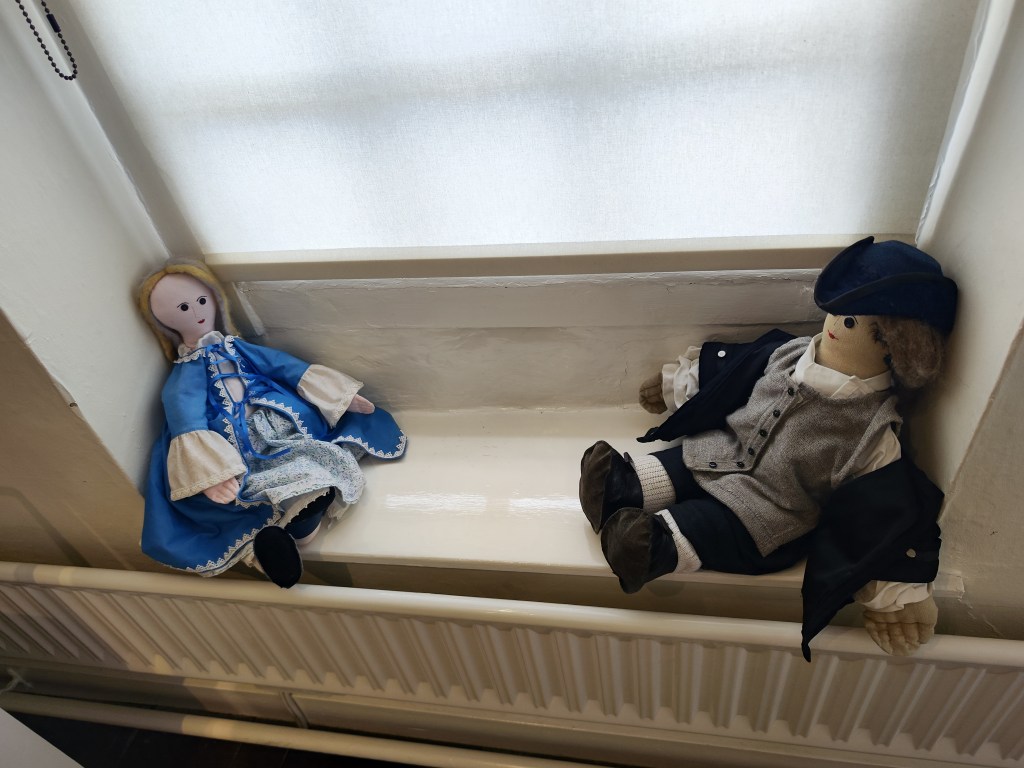
Today, the museum offers a captivating mix of displays, reconstructed rooms, and audio-visual media, guiding visitors through the remarkable life and achievements of Lichfield’s most famous son, Samuel Johnson. From his troubled childhood and years of literary obscurity to his eventual rise to world renown, the exhibits bring Johnson’s story to life. The collection includes prints, paintings, and sculptures—such as a carved figure of Johnson by Denis Parsons—alongside furniture, manuscripts, and books, including many early and rare editions of Johnson’s work.
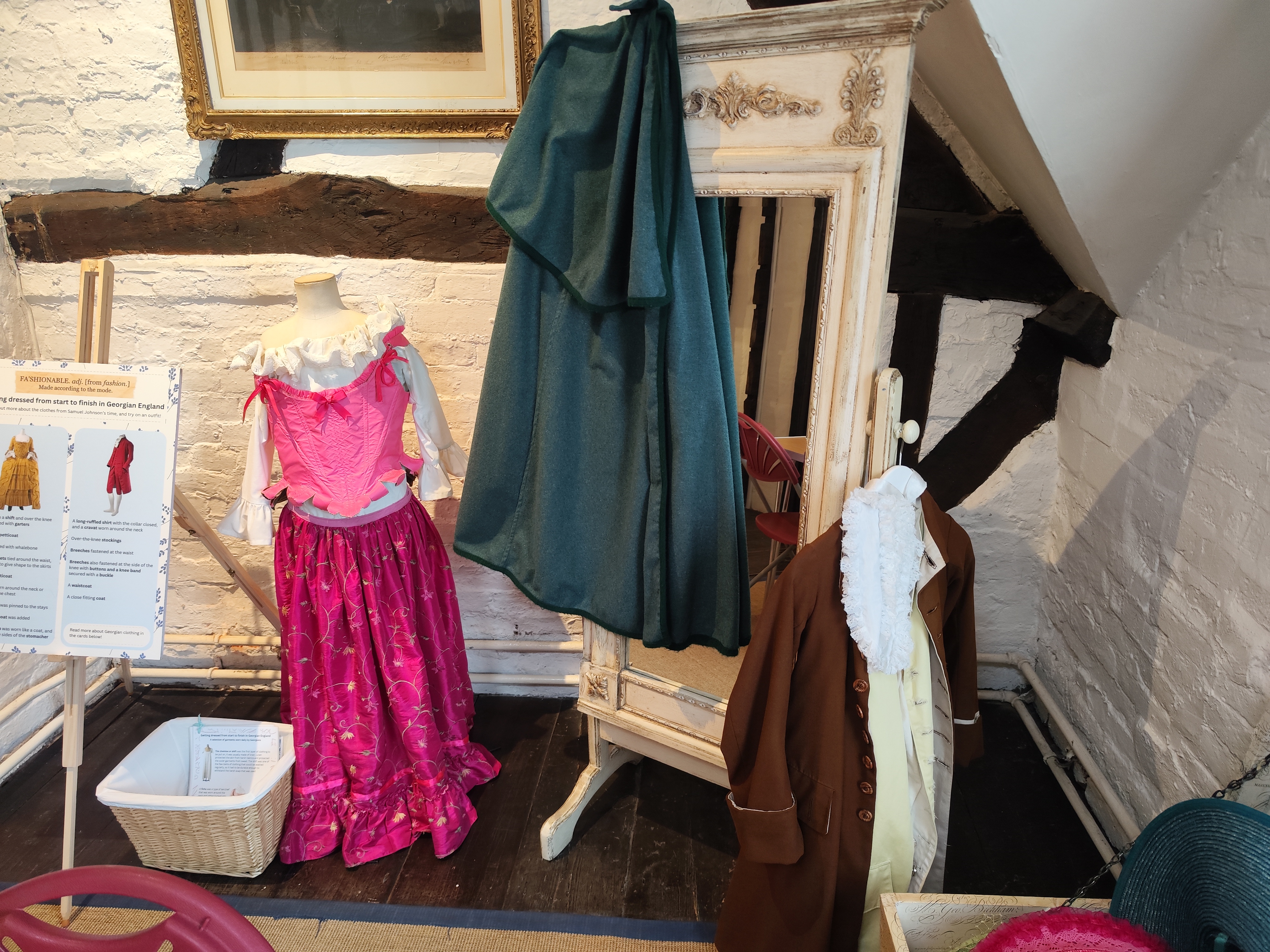

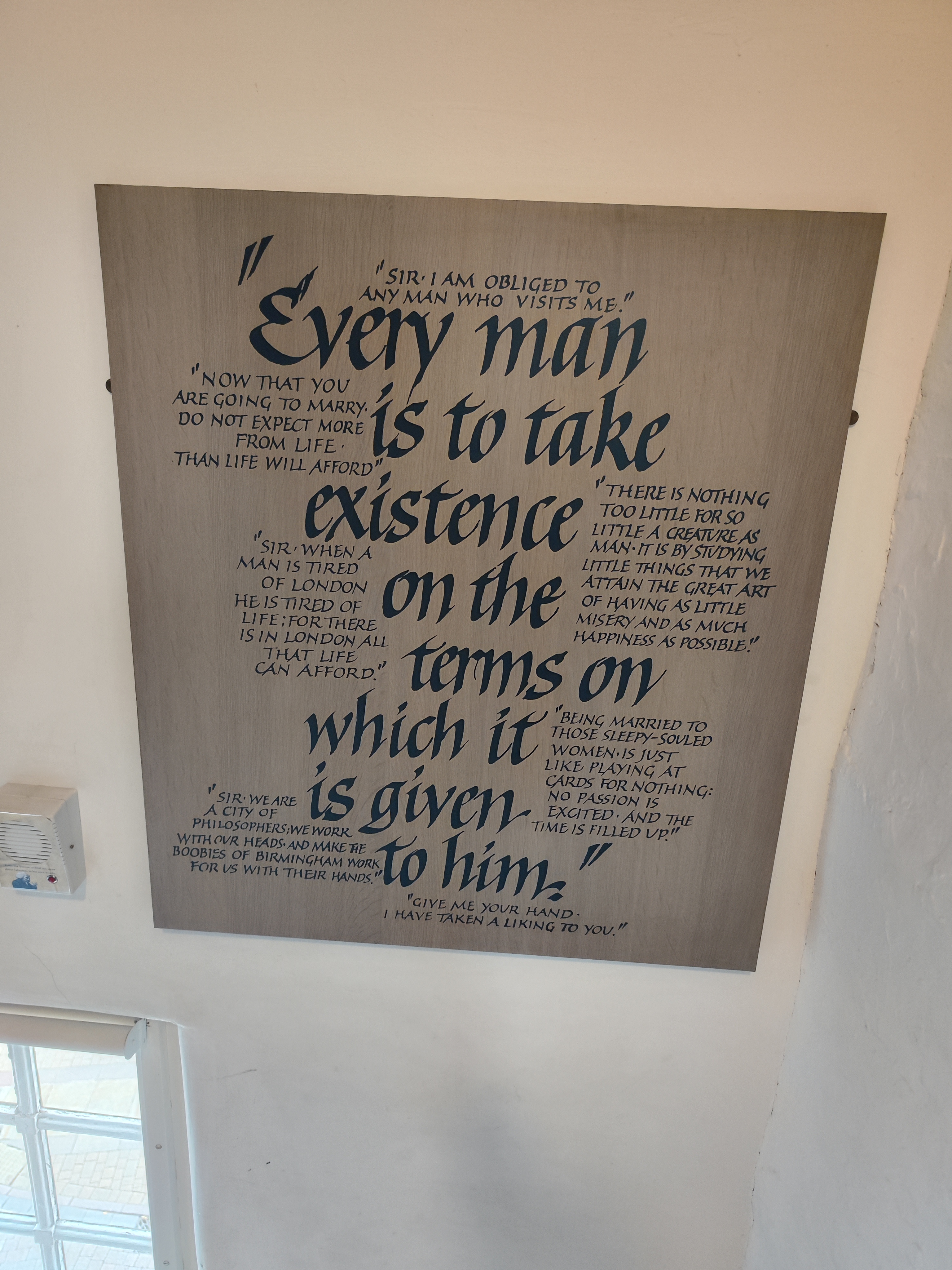


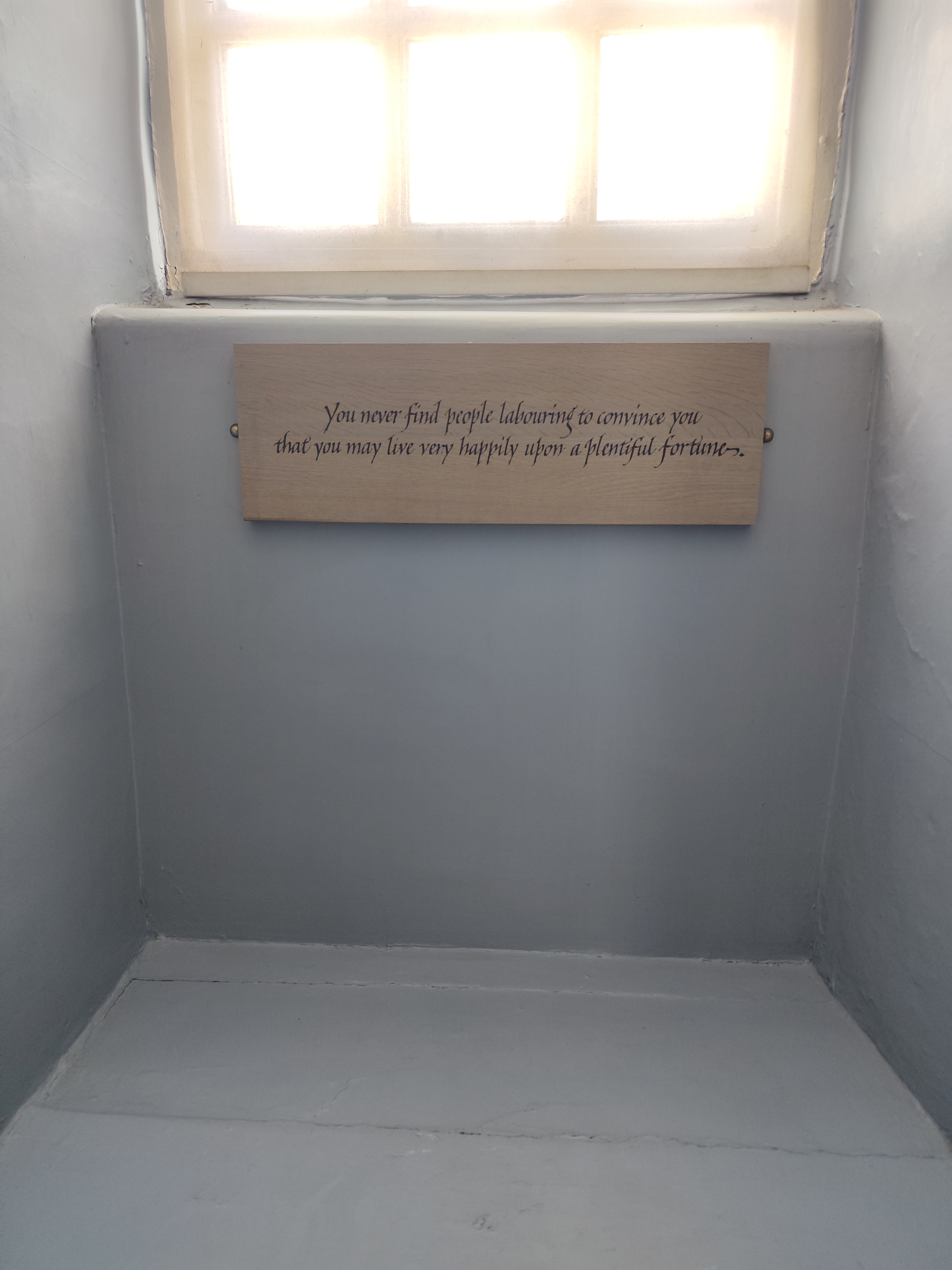


The book collection has been enriched by two major donations, now housed in the libraries named after their donors: the Hay Hunter and Blum Libraries, with the Wood Library adding another 2,000 volumes. Personal items on display include Johnson’s armchair, tea set, breakfast table, and portable writing desk, as well as David Garrick’s walking stick and a bookcase belonging to James Boswell. The museum provides a rich, immersive experience, offering a deep dive into the life and legacy of one of England’s most influential literary figures.




Erasmus Darwin House and Herb Garden
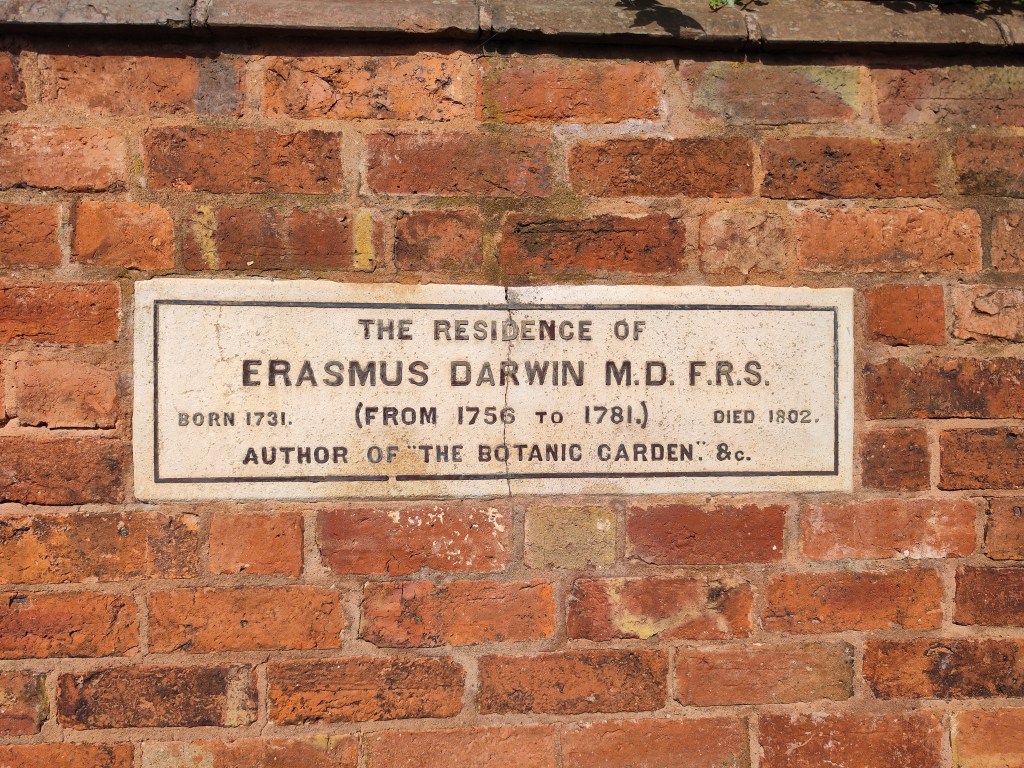
Erasmus Darwin was a true Renaissance man—physician, scientist, inventor, poet, and educationalist—who made his home on Beacon Street from 1758 to 1781. As a founding member of the influential Lunar Society, Darwin’s residence became a vibrant hub of intellectual exchange. Within its walls, he hosted some of the most remarkable figures of the 18th century, including Josiah Wedgwood, Matthew Boulton, Benjamin Franklin, and James Watt. Darwin’s home was not just a place of residence, but a gathering spot for the era’s greatest minds, where ideas that shaped the future were born.
In 1758, Erasmus Darwin purchased a medieval half-timbered building on the west side of the lower courtyard of the Vicars Choral. Over the next year, he transformed the structure into an elegant Georgian townhouse, distinguished by its red brick facade, stucco detailing, and Venetian windows. At that time, the house front was separated from Beacon Street by a narrow, deep ditch that had once served as part of the Cathedral Close moat. Darwin ingeniously constructed a bridge from his front door across the ditch to the street, creating a grand entrance.
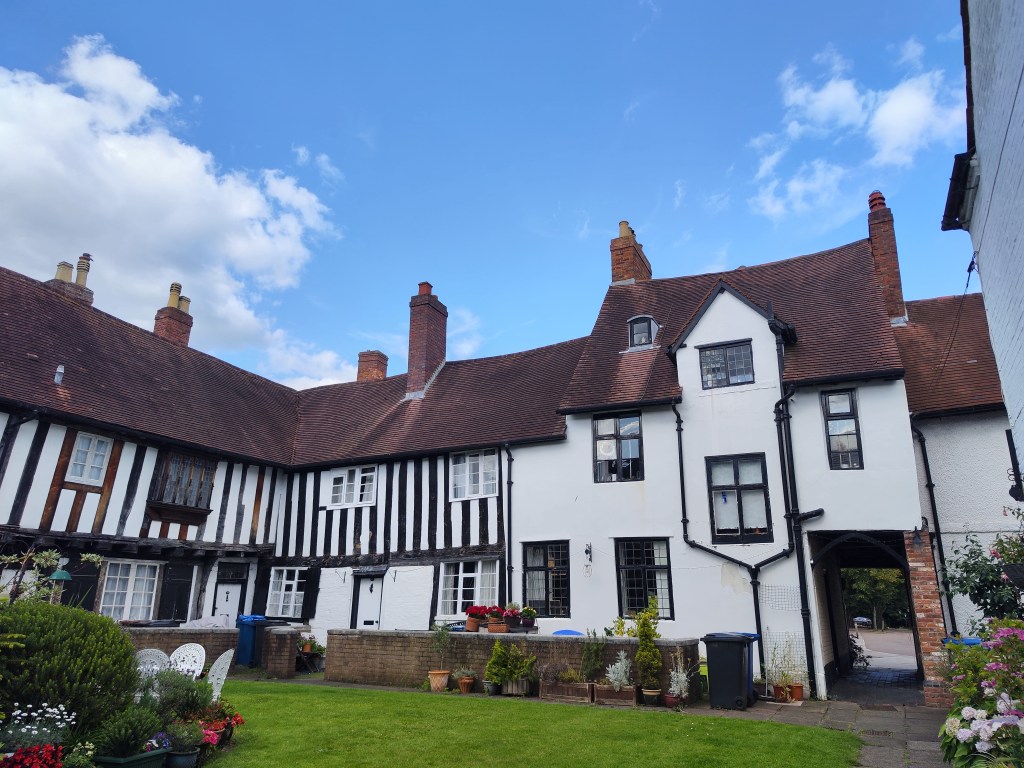
He cleared the overgrown thicket surrounding the ditch and transformed it into a charming terrace, planting lilacs and rose bushes to screen the space from the street, adding both privacy and beauty. This terrace became a serene oasis, reflecting Darwin’s appreciation for nature. After Darwin moved on in 1781, the next owner filled in the ditch to create a driveway leading directly to the doorway, but the legacy of Darwin’s creative vision lives on in the house’s history.
The garden at Erasmus Darwin House is a true hidden gem, beautifully framed by the historic buildings that surround it. Stepping into this tranquil space, you’re invited to experience what Dr. Darwin himself called “the wonders of my enchanted garden.” With every bloom and pathway, the garden offers a glimpse into the past, where nature and history intertwine, creating a magical retreat for visitors to explore and enjoy.
The garden at Erasmus Darwin House is a thoughtfully designed space, divided into distinct yet interconnected areas, each offering a unique glimpse into 18th-century life.

One highlight is Mrs. Darwin’s Culinary Garden, where a rich array of herbs and spices showcases their essential role in Georgian cooking, as well as their domestic uses for cleaning, scenting, and disinfecting.
The garden is further divided into four specialized beds:
- Dr. Darwin’s Medicine Chest Garden features plants directly referenced in Dr. Darwin’s writings, reflecting the diverse botanical remedies used by physicians of his time. This section recently received National Plant Collection status in the historic category from Plant Heritage, celebrating its significance and authenticity.
- The Apothecary’s Garden is a tribute to the traditional herbs that would have been stocked by 18th-century “high street” apothecaries, offering a fascinating look at the remedies of the era.
- The Dyer’s Garden showcases plants that were once essential to professional dyers in Lichfield, providing the natural pigments needed to colour fabrics.
- The Scented Garden brings a delightful blend of fragrance and colour to the historic house, creating an enchanting sensory experience.
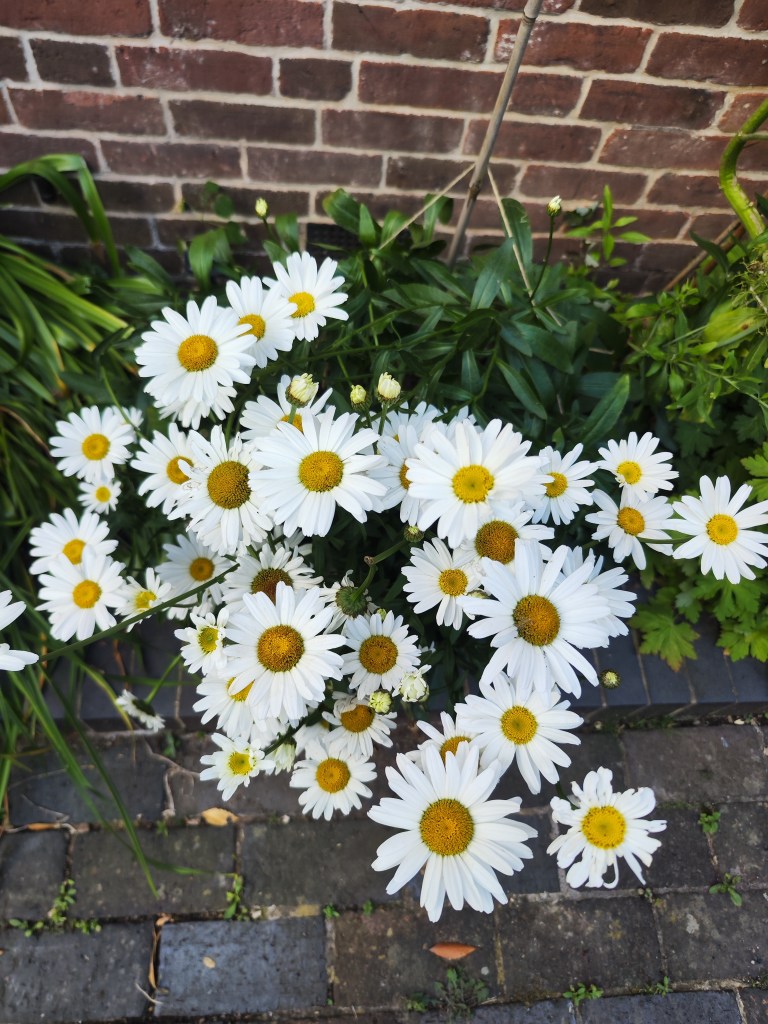
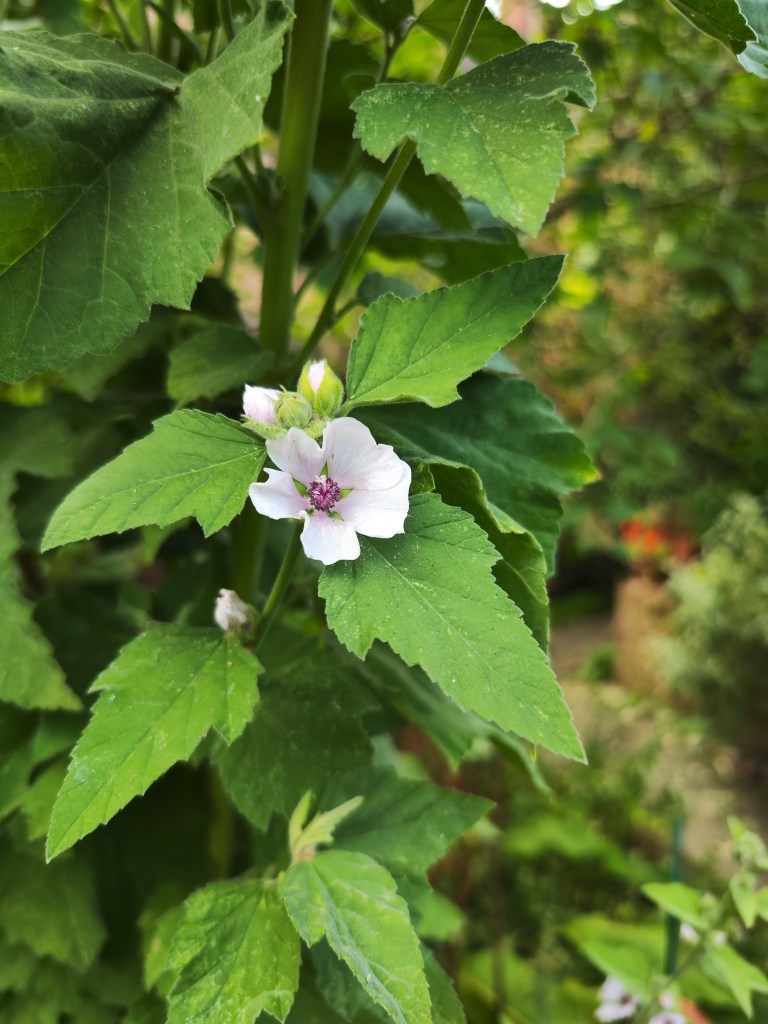
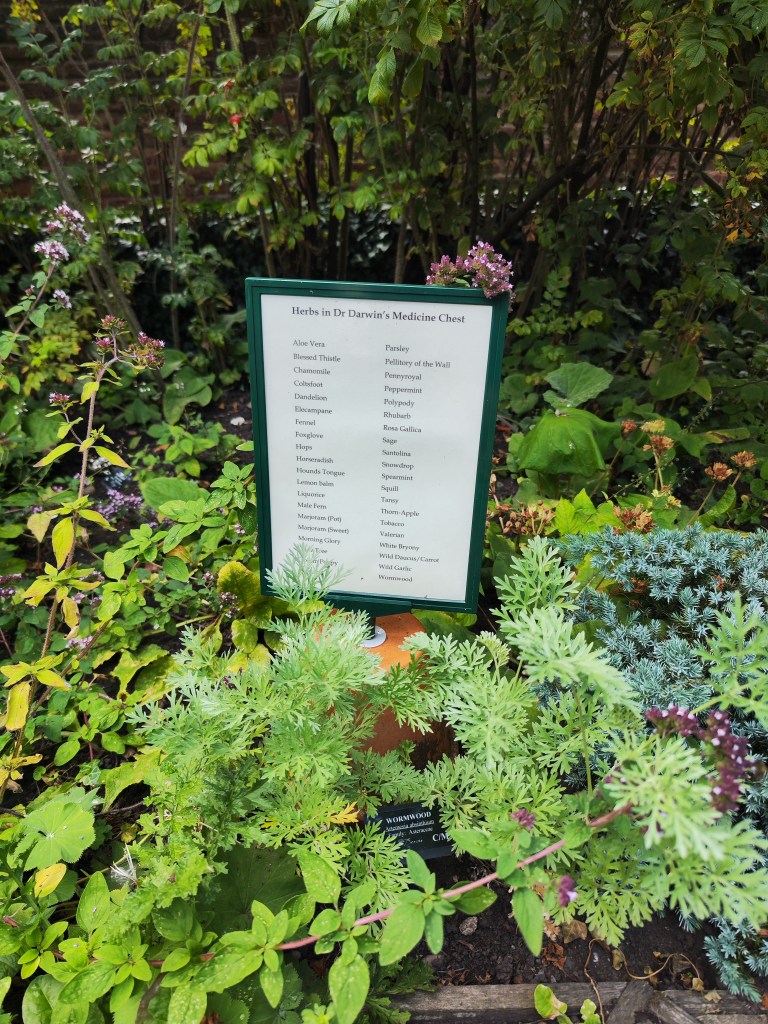


Together, these areas form a rich tapestry of history, botany, and sensory delight, inviting visitors to explore the many layers of Georgian life that Darwin’s garden so beautifully preserves.
All plants are labelled and there is a leaflet about the garden available for visitors. Each bed also has a plant list and further historical information.
A selection of plants are sometimes available for visitors to buy.
Lichfield Cathedral
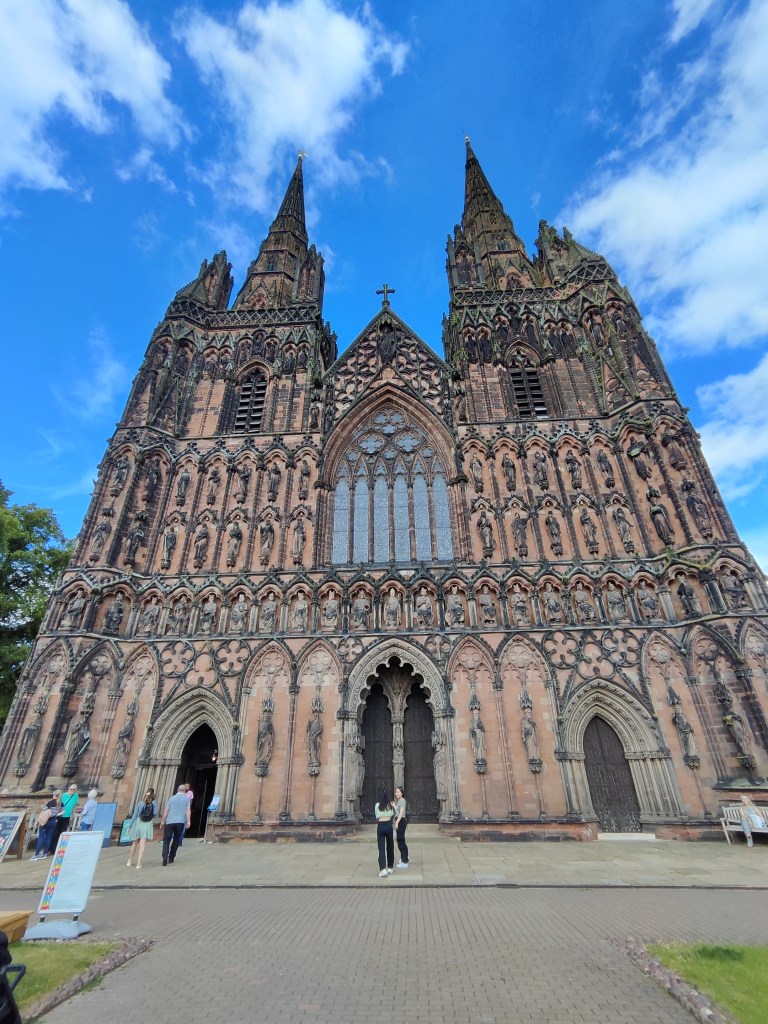
Lichfield Cathedral, located in Staffordshire, England, is a remarkable Anglican cathedral and one of only three in the United Kingdom featuring three spires, alongside Truro Cathedral and St Mary’s Cathedral in Edinburgh. Uniquely, Lichfield Cathedral is the only medieval cathedral among them and the only one to have been both moated and fortified, reflecting its historical significance.
As the heart of the Diocese of Lichfield, the cathedral serves a vast area including Staffordshire, much of Shropshire, and parts of the Black Country and West Midlands. It is the seat of the Bishop of Lichfield, currently held by Michael Ipgrave, who was appointed in 2016. Recognized for its architectural and historical importance, Lichfield Cathedral is a Grade I listed building, standing as a testament to centuries of faith, history, and heritage.
Lichfield Cathedral, a breathtaking tribute to both St. Chad and St. Mary, stands as a marvel of medieval architecture. Stretching an impressive 113 meters (371 feet) in length and with a nave that spans 21 meters (69 feet) across, the cathedral’s grandeur is matched by its intricate design. Its iconic central spire reaches a towering 77 meters (253 feet), while the western spires, standing at about 58 meters (190 feet), gently vary in height, with the southern spire slightly outpacing its northern counterpart.

Constructed from locally sourced Mercian red sandstone, the cathedral’s walls exhibit a subtle outward lean—a testament to the immense weight of the original ceiling vaulting. During renovations in 1788, some 200–300 tons of stone were removed to stabilize the structure, ensuring its majestic silhouette remained intact.
The cathedral’s history is as captivating as its architecture. During the English Civil War, the cathedral suffered significant damage, and its stunning stained glass was destroyed. Yet, the windows of the Lady Chapel hold a unique treasure: some of the finest medieval Flemish-painted glass, dating from the 1530s and originally from the Abbey of Herkenrode in Belgium. Purchased in 1801 by Brooke Boothby after the abbey’s annexation by the French Revolutionary Army, these windows are a rare and exquisite remnant of the past. Additionally, visitors can admire beautiful windows by Betton and Evans (1819) and stunning late 19th-century designs by Charles Eamer Kempe.
The Lichfield Gospels, also known as St. Chad’s Gospels, are another gem of the cathedral. Dating from 720–740, this manuscript features the gospels of Matthew, Mark, and the early part of Luke, written in Latin with early Welsh marginalia. It bears similarities to the renowned Lindisfarne Gospels and is displayed with pride in the Chapter House.
The Cathedral Close itself is a marvel, one of the most complete of its kind in the country. It features a medieval courtyard that once housed the cathedral choir, and the three spires are lovingly referred to as the “Ladies of the Vale,” gracefully punctuating the skyline and echoing the cathedral’s timeless elegance.


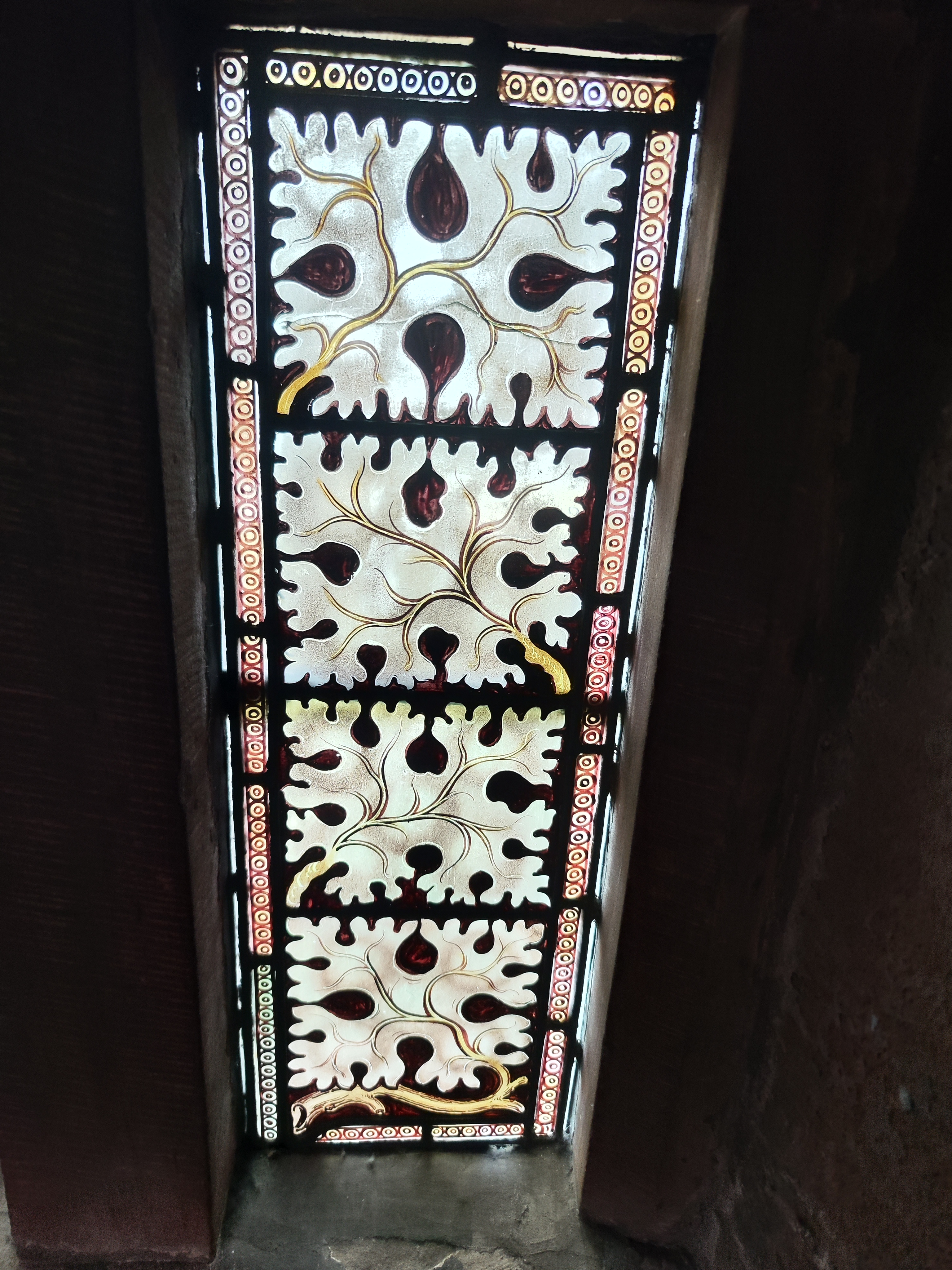
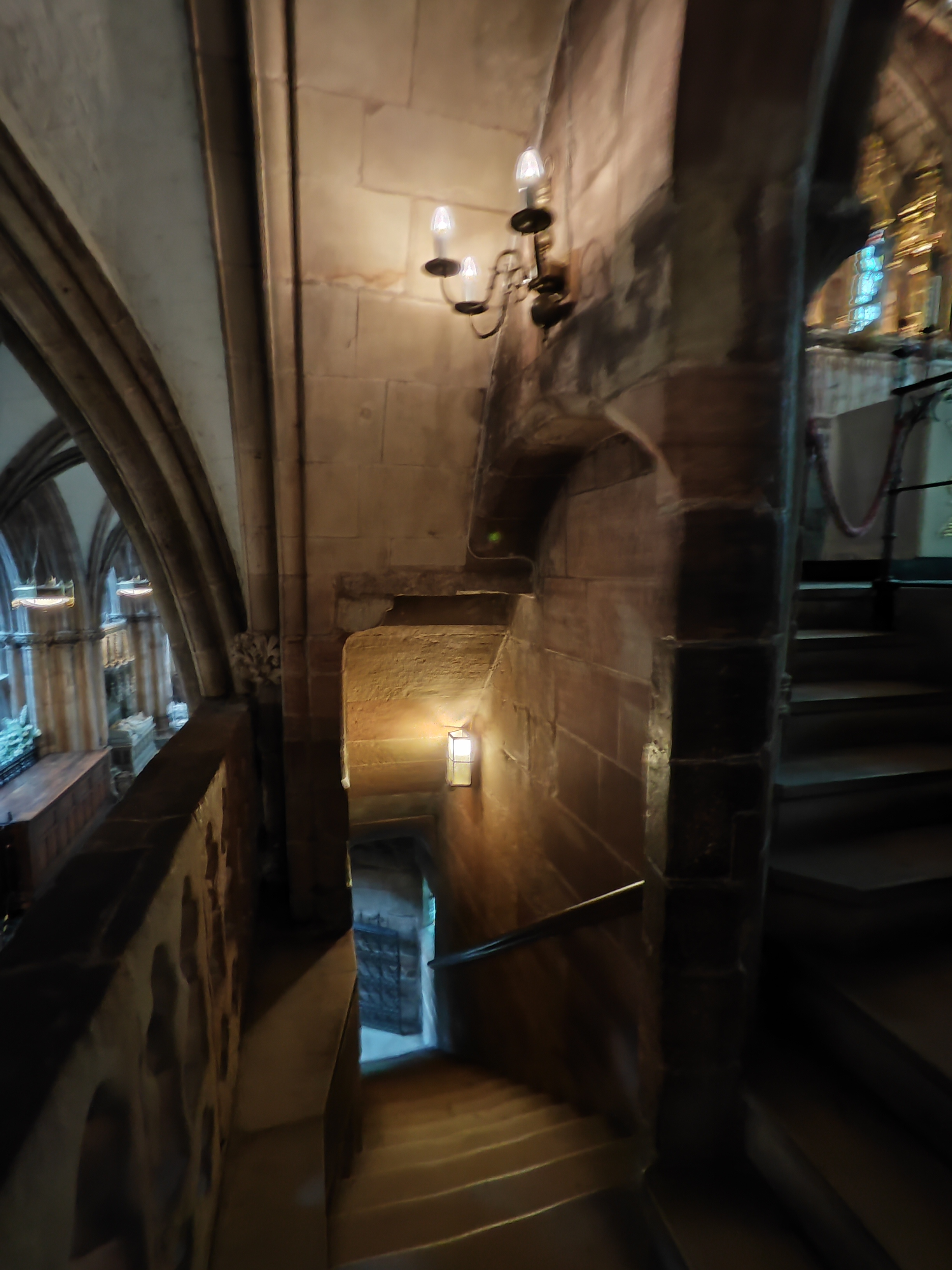

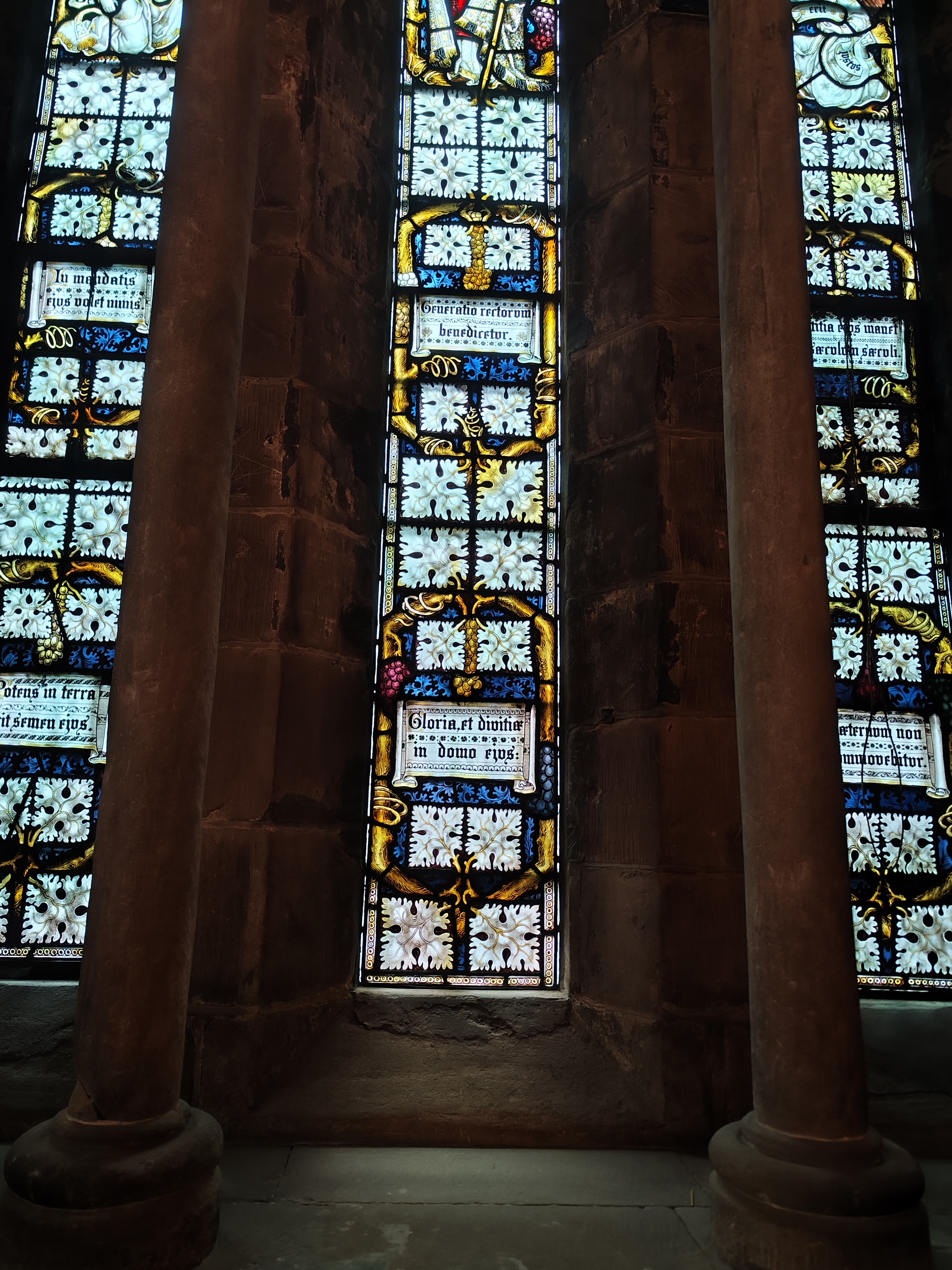

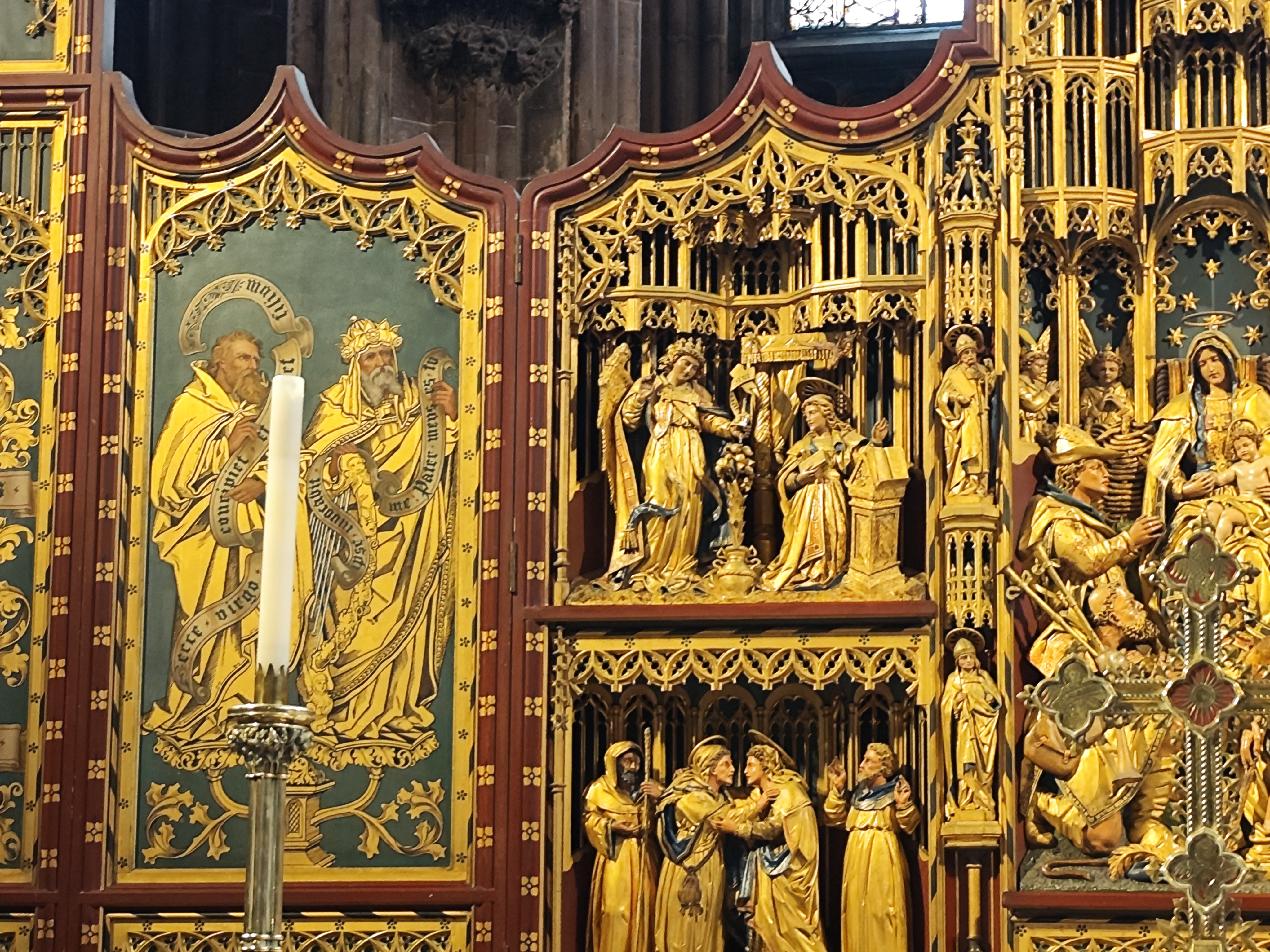
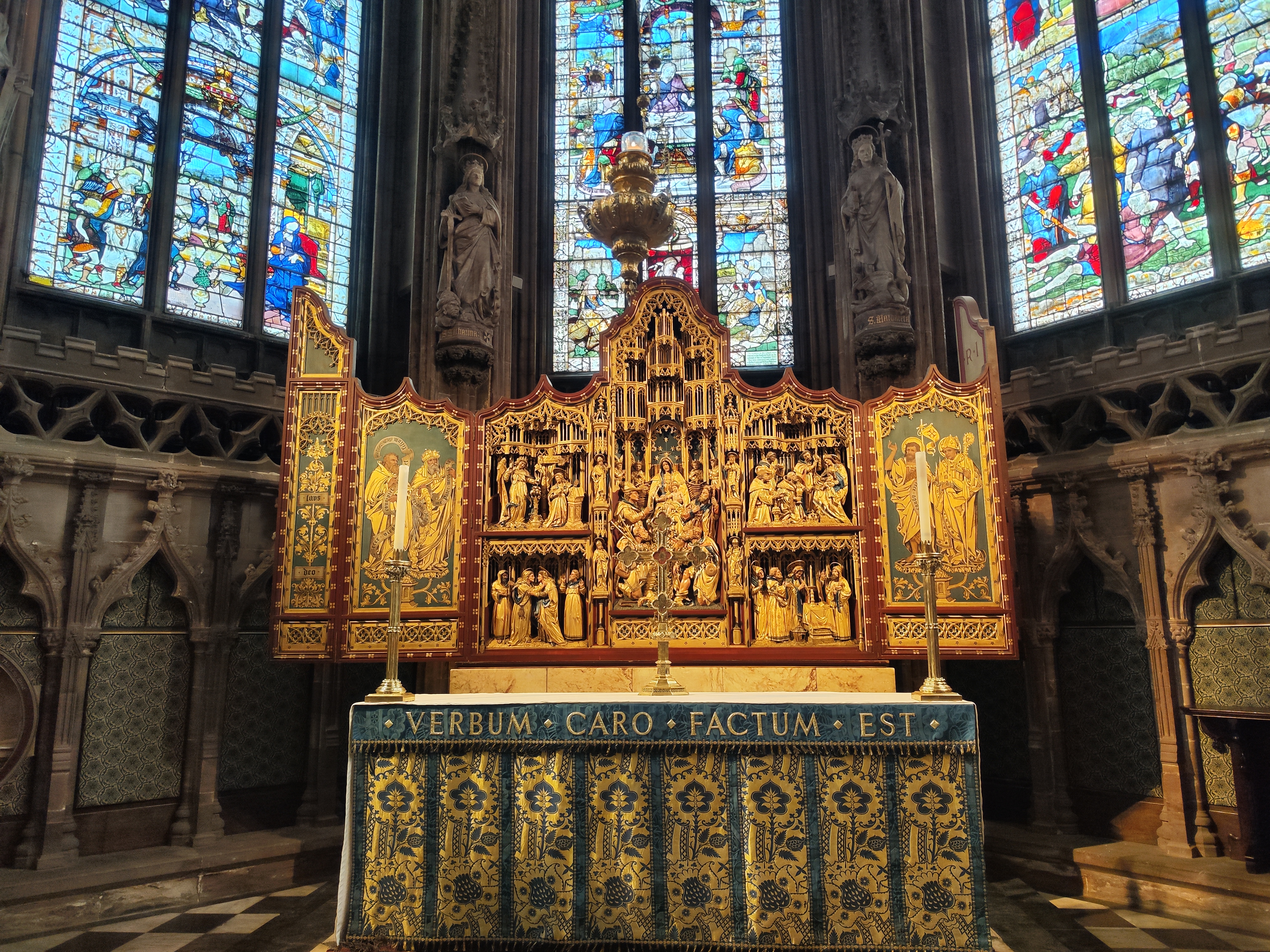
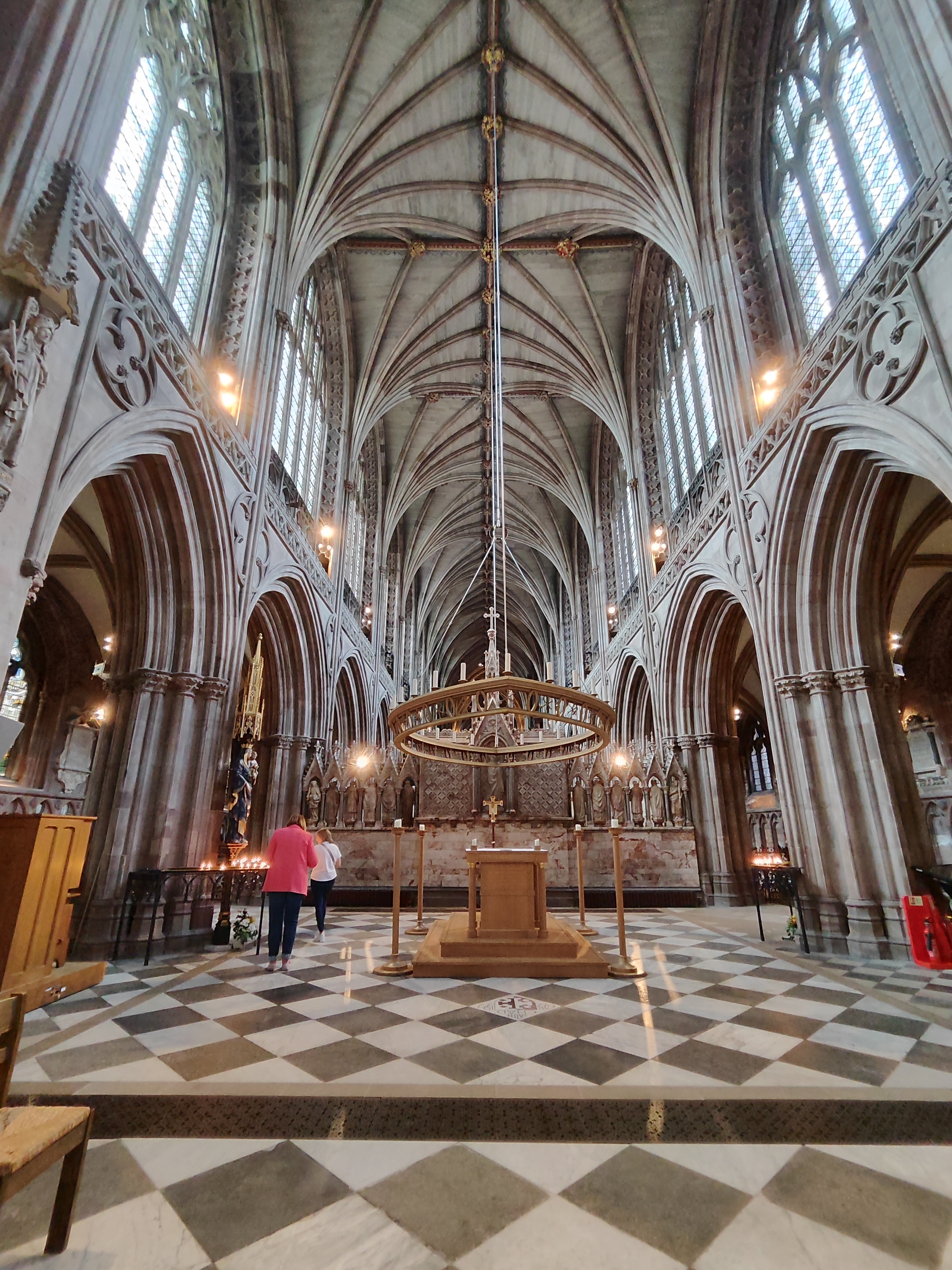


If you want to know about Victorian Restauration and the devastation during the Civil War, click on this link.
Beacon Park
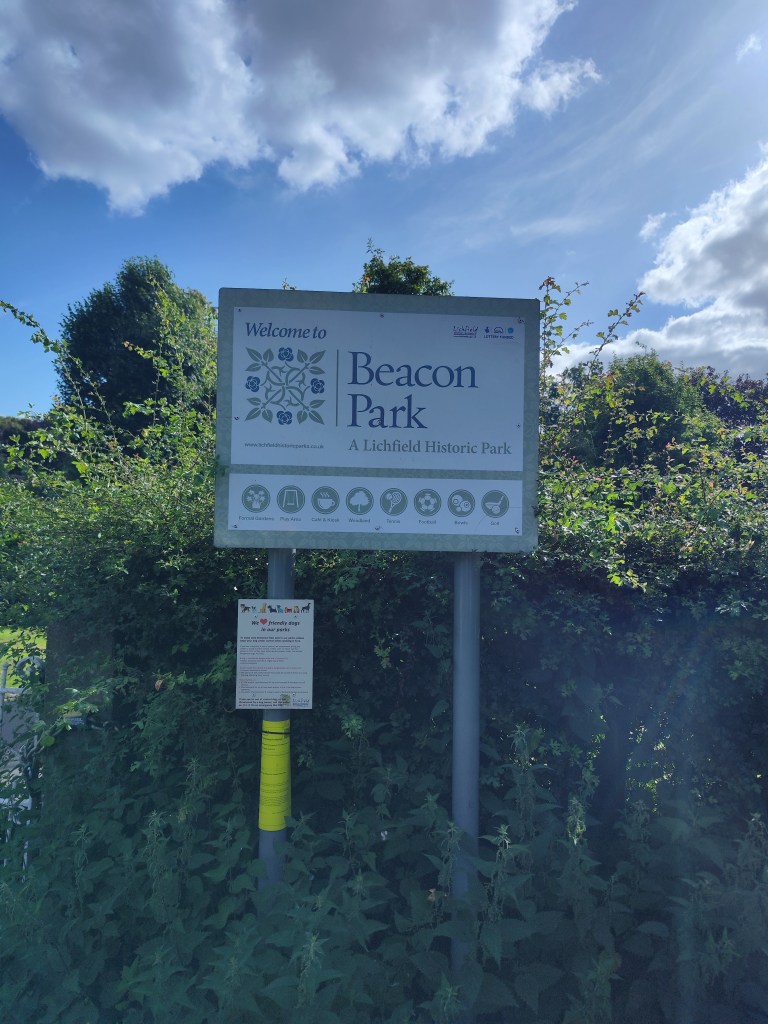
Beacon Park, nestled just a short stroll from the city centre, spans over 70 acres of lush gardens and open spaces, offering a haven for both relaxation and recreation. Whether you’re in the mood for a leisurely walk, a round of golf, or some family fun, Beacon Park has something for everyone. Enjoy activities such as children’s play areas, crazy golf, tennis, basketball, bowls, play disk, and foot golf.
The park is not only a place for recreation but also a gateway into the region’s rich history. Informative boards scattered throughout the park provide fascinating insights into the area’s historical heritage.
During peak seasons, you can refresh yourself with delicious snacks and ice cream from the bistro and café located near the children’s play area. The park also offers convenient amenities including toilets, baby changing facilities, and accessible toilets equipped with a disability hoist.
Summer brings even more excitement with activities like inflatable fun, pedalos, and donkey rides, making it a perfect spot for a sunny day out. For those looking to relax, the park is an ideal setting for a round of golf or a leisurely picnic.
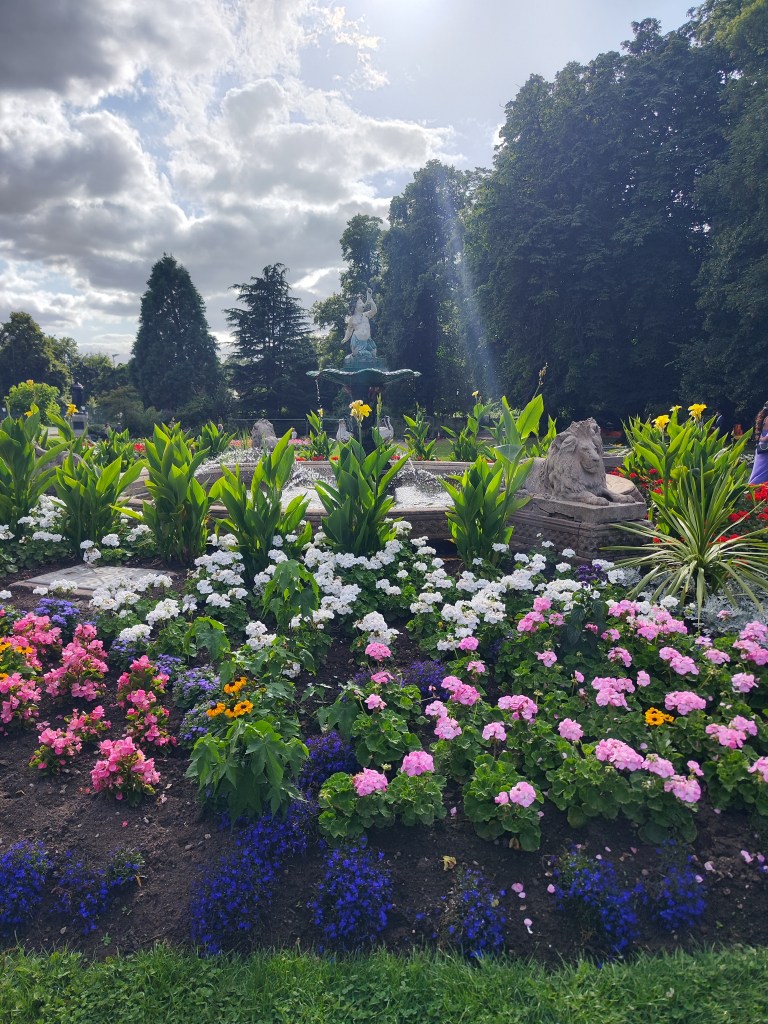

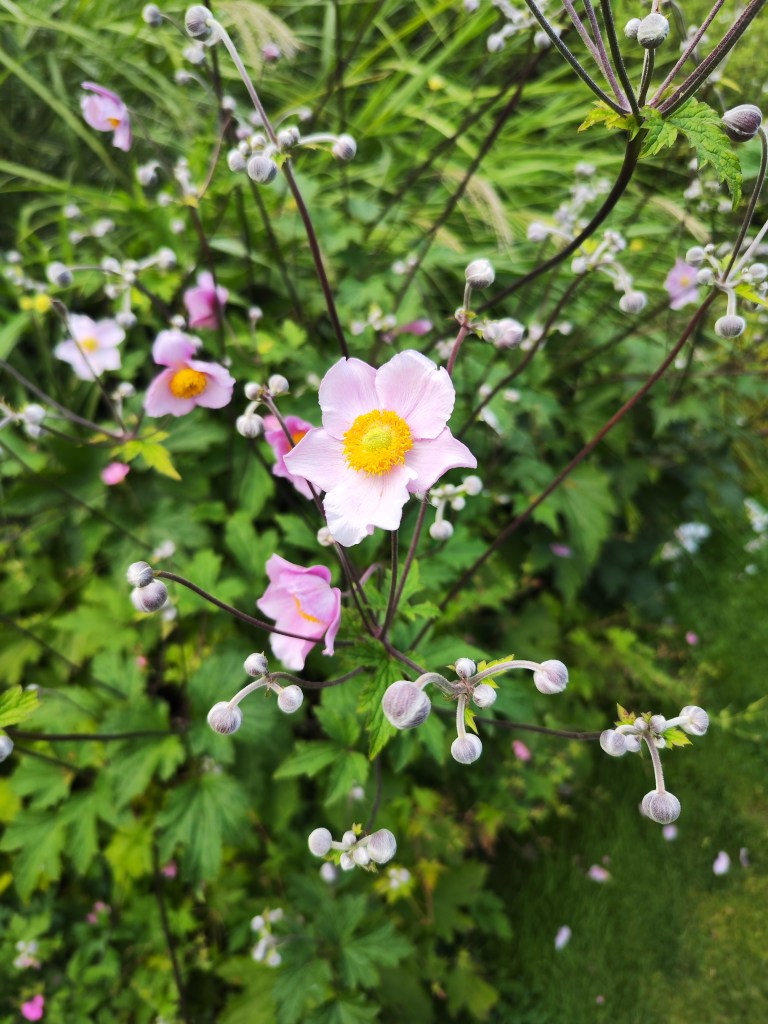
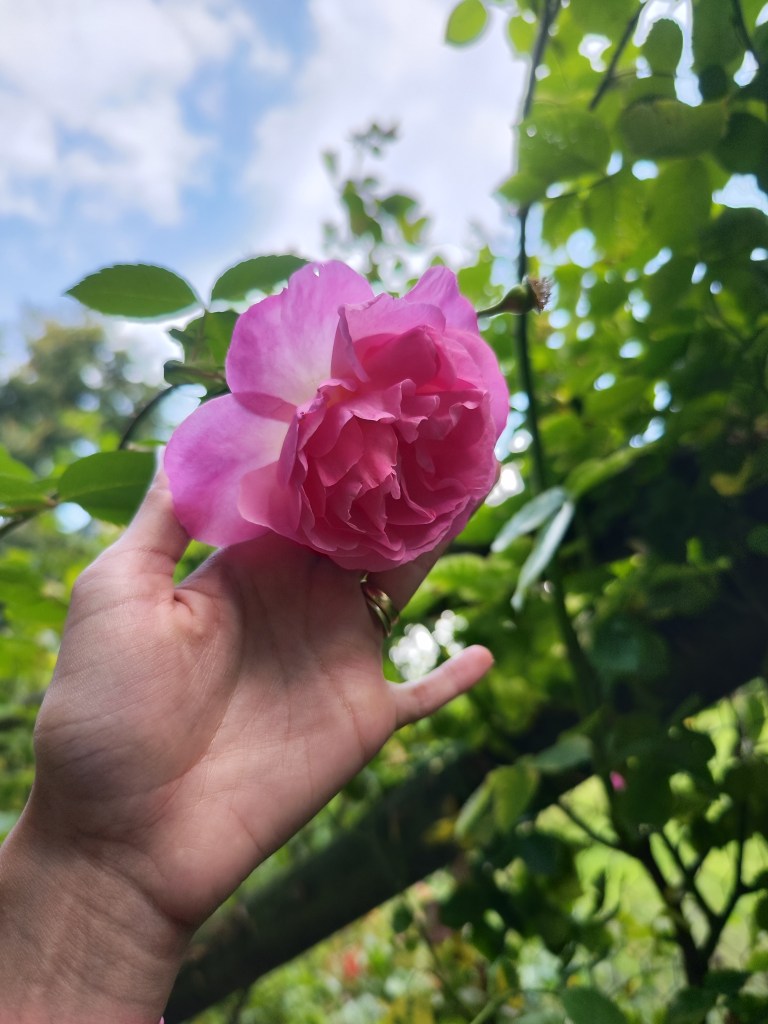
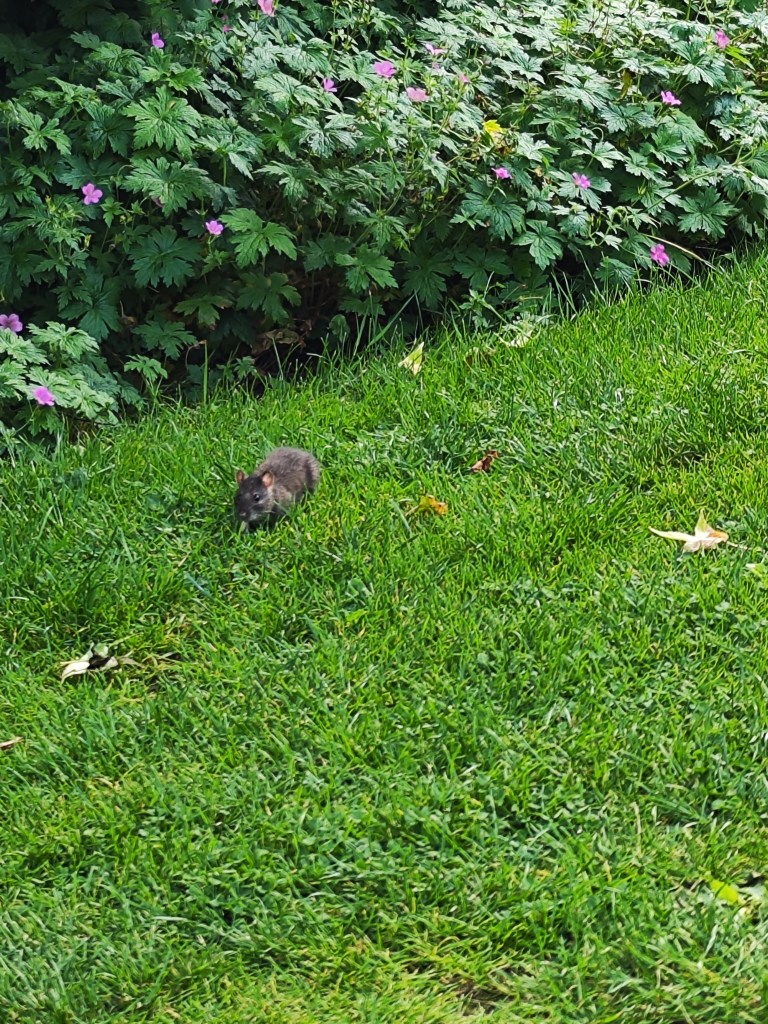
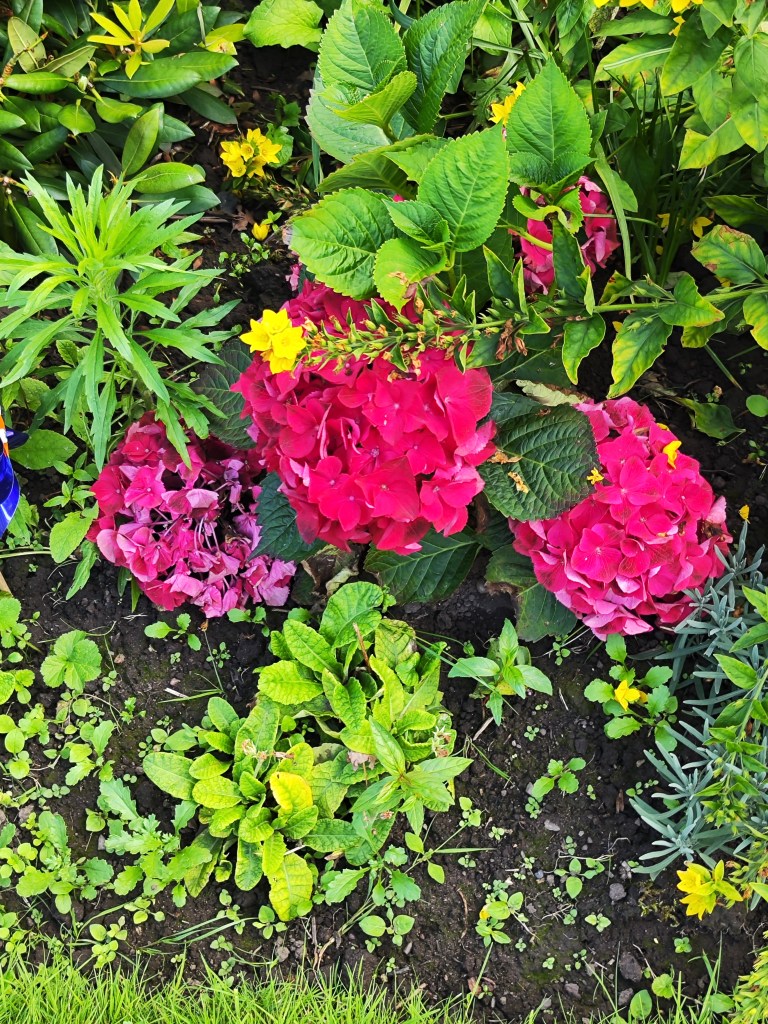
Throughout the year, Beacon Park hosts a variety of outdoor activities, including woodland adventures such as pond dipping and wildlife watching.

Credits to Lichfield City Council and Wikipedia.
I forgot to mention, you can visit all these places I went to for free. And for lovers of books, like me, you can uncover amazing literary gems at a decent price inside the quaint library of Johnson’s house. There are so many more activities waiting for you to explore on the Visit Lichfield official page.
Thanks for having me Lichfield!
See you in the next post! 💜

#france #let'shelpaprincess #mountains #paris #part of my origins #portugal #travel #wine adventure architecture art author Blog & Travelling bloganuary bloganuary-2024-02 Buleria dailyprompt dailyprompt-1805 dailyprompt-2026 Dancinggiglio England Flamenco health Holamundo italy martinete motivation Mountains nature notebooks Part of my origins poem poetry Science seguiriya taranto The guitar is like a woman Traditions travel travelling wedding woman writing


 Dancing Giglio