
A new challenge chasing me this time: Visiting the most common attractions in Seville in 2 days!
Of course, I accepted the challenge.
Real Alcazar
I have to say something first about this place, you can’t take pictures inside of yourself unless you bring someone with you. I bought my tripod and they told me it was not allowed, then I asked one of the guards to please take a picture of me since I was alone, and she said she couldn’t.
I also advise you to buy tickets in advance. To get to the Real Alcazar you get through the Puerta de León, which makes an important part of the complex.
What is the Real Alcazar de Sevilla?
It is a complex of walled palaces constructed at various points in history. The early Middle Ages saw the construction of the ancient palace. There are still some examples of Islamic art, as well as two Gothic-style buildings and a Mudejar palace from the post-Conquest era. Baroque, Mannerist, and Renaissance components were incorporated in later renovations.
When the Spanish royal family visits Seville, here is where they stay. As a result, it is the oldest operating royal residence in Europe. It was included on the list of World Heritage Sites by UNESCO in 1987, along with the Archive of the Indies and the Cathedral of Seville.
The structure includes different floors and rooms, such as the Hall of Justice, the Hall of Ambassadors, the Roof Hall of Charles V, the Roof Hall of Philip II, the Royal Bedroom, the Great Hall, the Chapel, the Hall of the Tapestry, the Gothic Palace, the Room of the Príncipe, Casa de Contratación, Hall of the Fans, etc. As well as the immense garden, apparently The Sun King was not the only one who liked huge gardens.
Unfortunately, I cannot explain to you every stanza or floor, otherwise, I’ll spend a whole week describing each of them but I can leave you a website that might please the lovers of history.

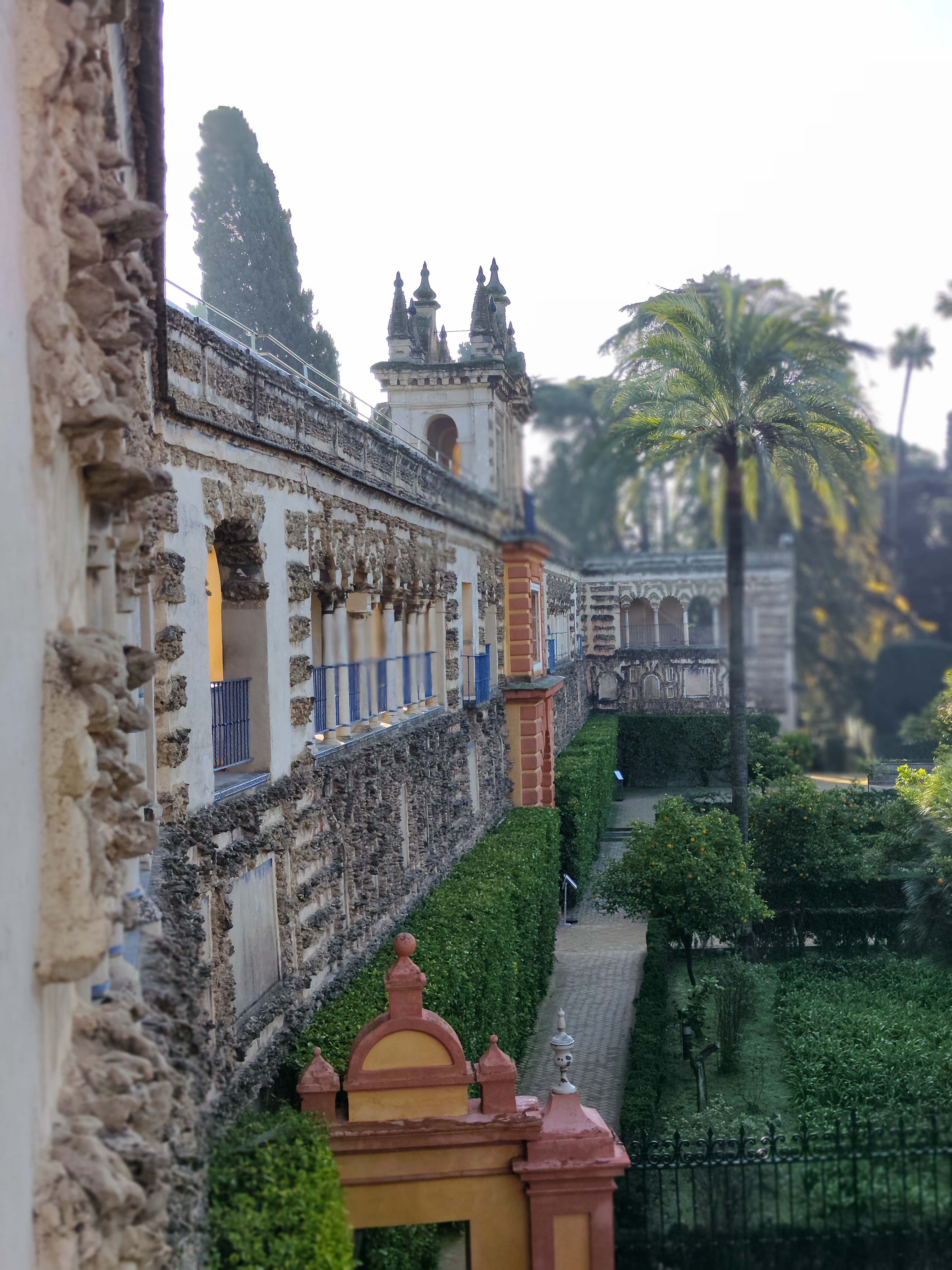

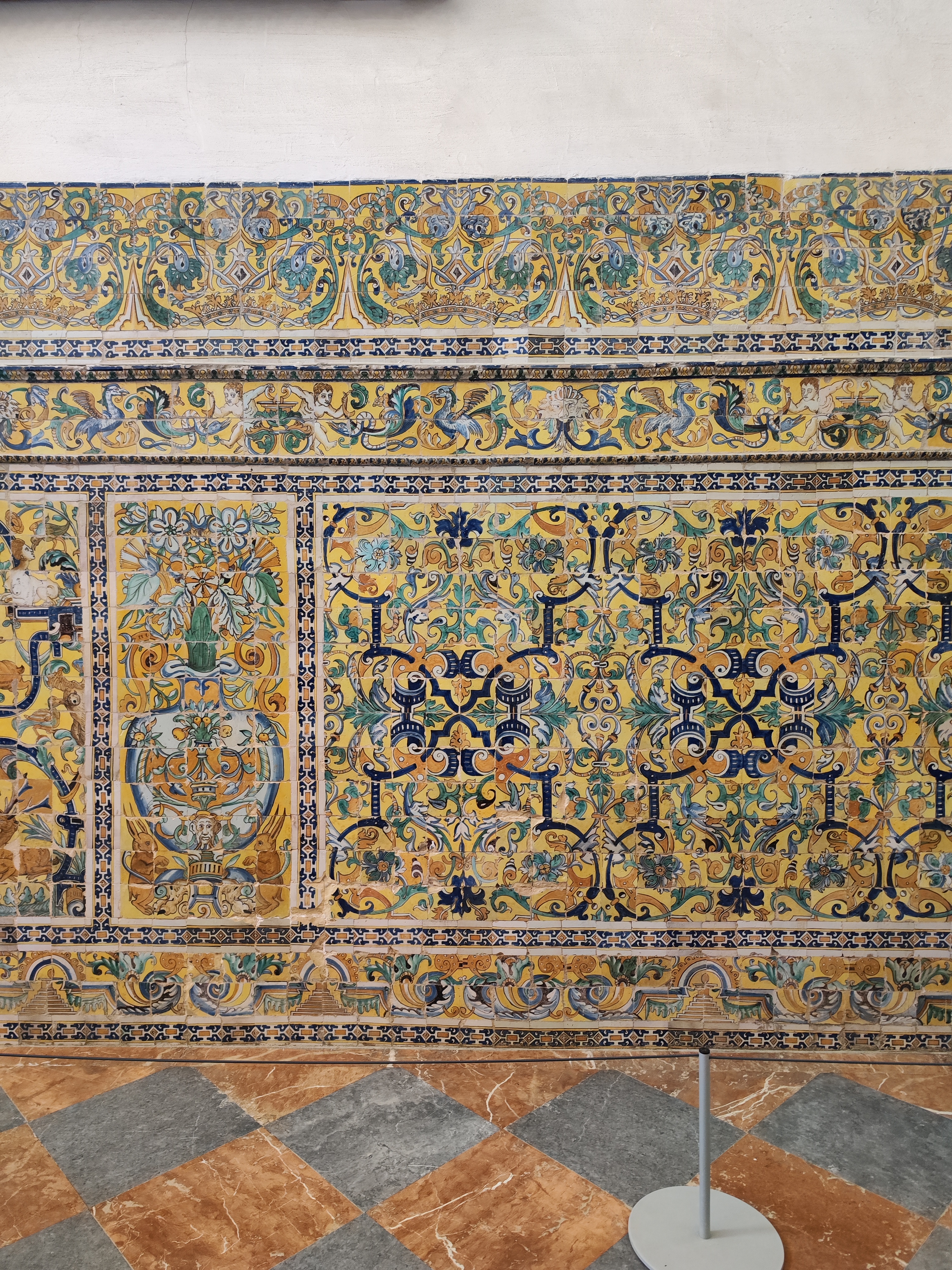

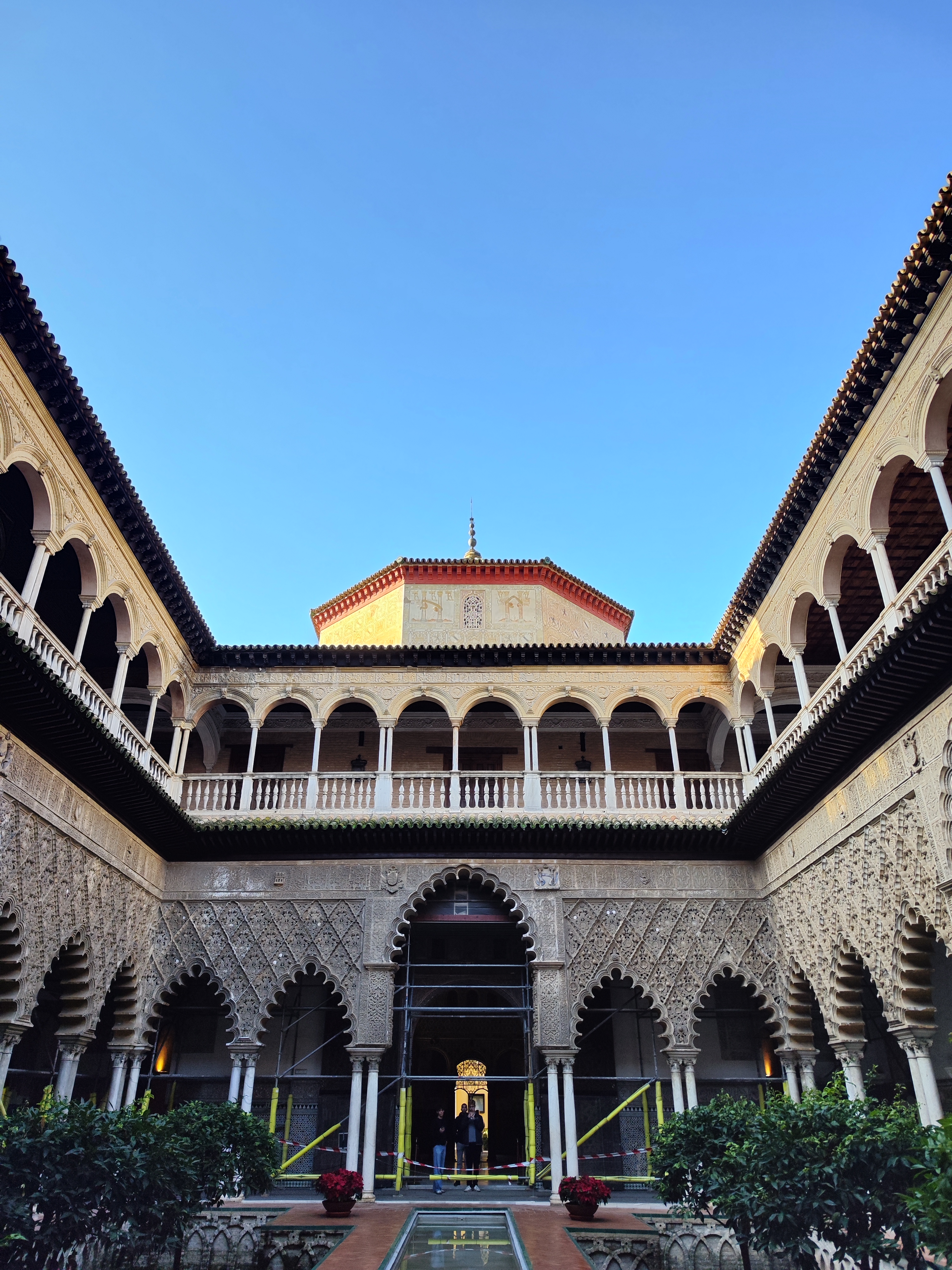


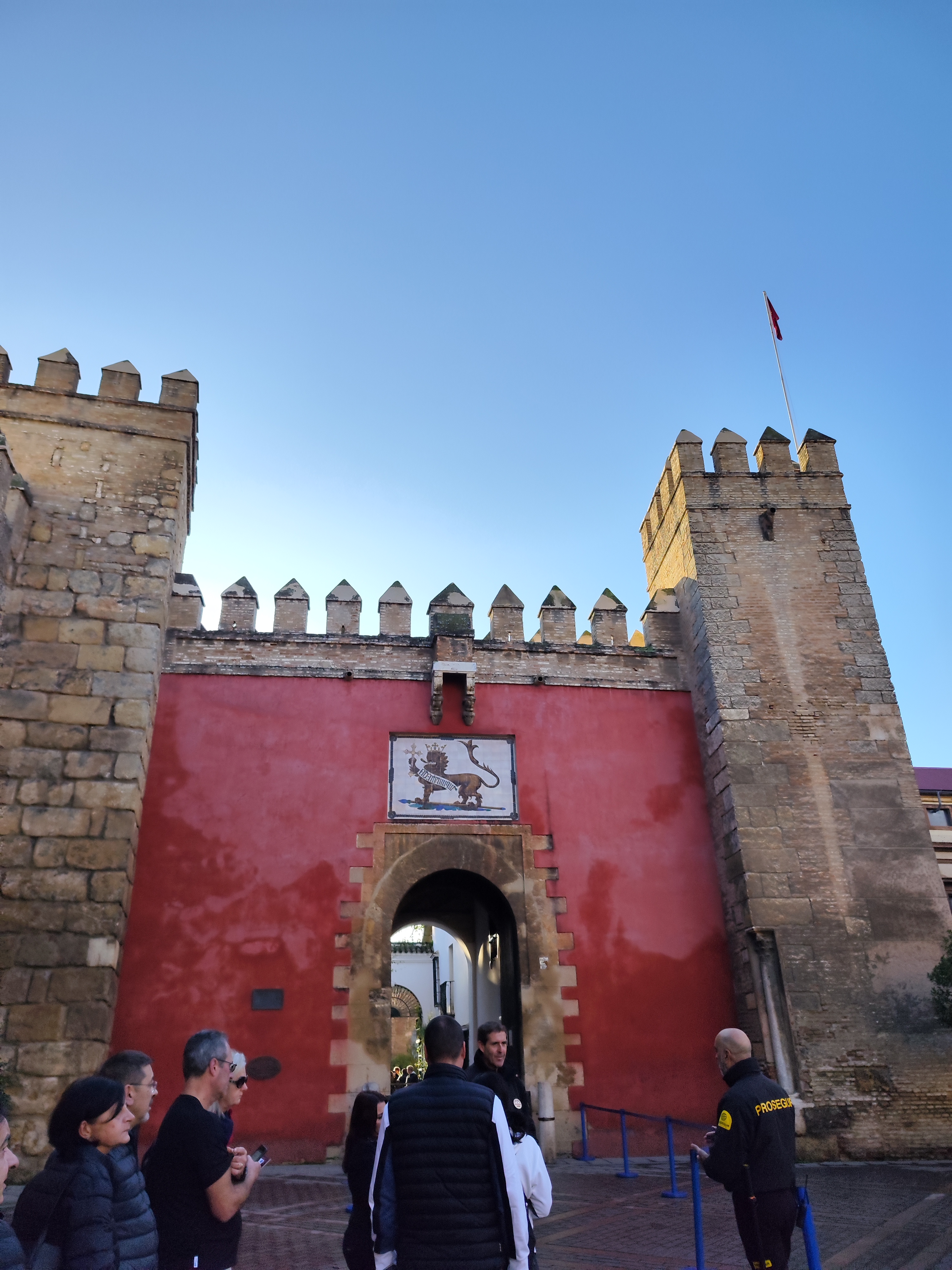
4 real events that took place in the Alcázar of Seville
The best part of visiting the Seville Cathedral after visiting the Real Alcazar is that they are practically in front of each other. You can either go straight to your next visit or have a ride in a beautiful carriage around the city (Pay attention to gipsies in the streets, they might give you a rosemary and they’ll ask you for over 20 euros for “blessing you and reading your future”. Be careful).
Catedral de Sevilla and Giralda
I advise you to buy the tickets in advance as well for these two attractions.
The Seville Cathedral, also called the Holy, Metropolitan, and Patriarchal Cathedral Church of Santa María de la Sede y de la Asunción, is a Gothic-styled Catholic temple. It was designated a World Heritage Site by UNESCO in 1987, along with the Real Alcázar and the Archive of the Indies. On July 25, 2010, it was designated as an Asset of Exceptional Universal Value. It was officially recognized as the world’s largest cathedral in 1988 by the Guinness Book of Records.
Although there is no written proof of the start of work until 1433, history holds that construction started in 1401. The structure was constructed on the land that remained after the old Aljama mosque in Seville was demolished; the patio (Patio de los Naranjos) and minaret (the Giralda) are still standing.
Originally from Normandy (France), Master Carlín (Charles Galter) was one of the earliest master builders. He had previously worked on other big European Gothic churches and was thought to be fleeing the Hundred Years’ War when he came in Spain. In actuality, work on the cathedral continued unabatedly throughout the centuries, both for the interior decoration, such as adding new rooms or consolidating and restoring damages caused by the passage of time, or for extraordinary circumstances, among which the Lisbon earthquake of 1755 should be highlighted, which produced only minor damage despite its intensity. On October 10, 1506, the final stone was placed in the highest part of the dome, symbolically completing the cathedral.
Asensio de Maeda, Martín de Gainza, and Diego de Riaño, three architects, were involved in these projects. At this point, Hernán Ruiz also completed construction on the Giralda’s last part. In 1593, the cathedral and its interior chambers were finished.
The daily liturgy and celebration of Corpus Christi, the Immaculate Conception, and the Virgin of the Kings are upheld by the Metropolitan Chapter. August 1511 falls on the same day as the Assumption festival: the Virgin of the Kings.
The temple houses the mortal remains of Christopher Columbus and several kings of Castile: Pedro I the Cruel, Ferdinand III the Saint and his son, Alfonso X the Wise.
One of the last important works carried out took place in 2008 and consisted of replacing 576 ashlars that made up one of the grandiose pillars that support the temple, with new stone blocks with similar characteristics, but with much greater resistance. This difficult work was possible thanks to the use of innovative technological systems that showed that the building suffered daily oscillations of 2 cm as a result of the expansion of its materials. In 2017 it received 1,934,373 visitors, making it the fifth most-visited monument in Spain.
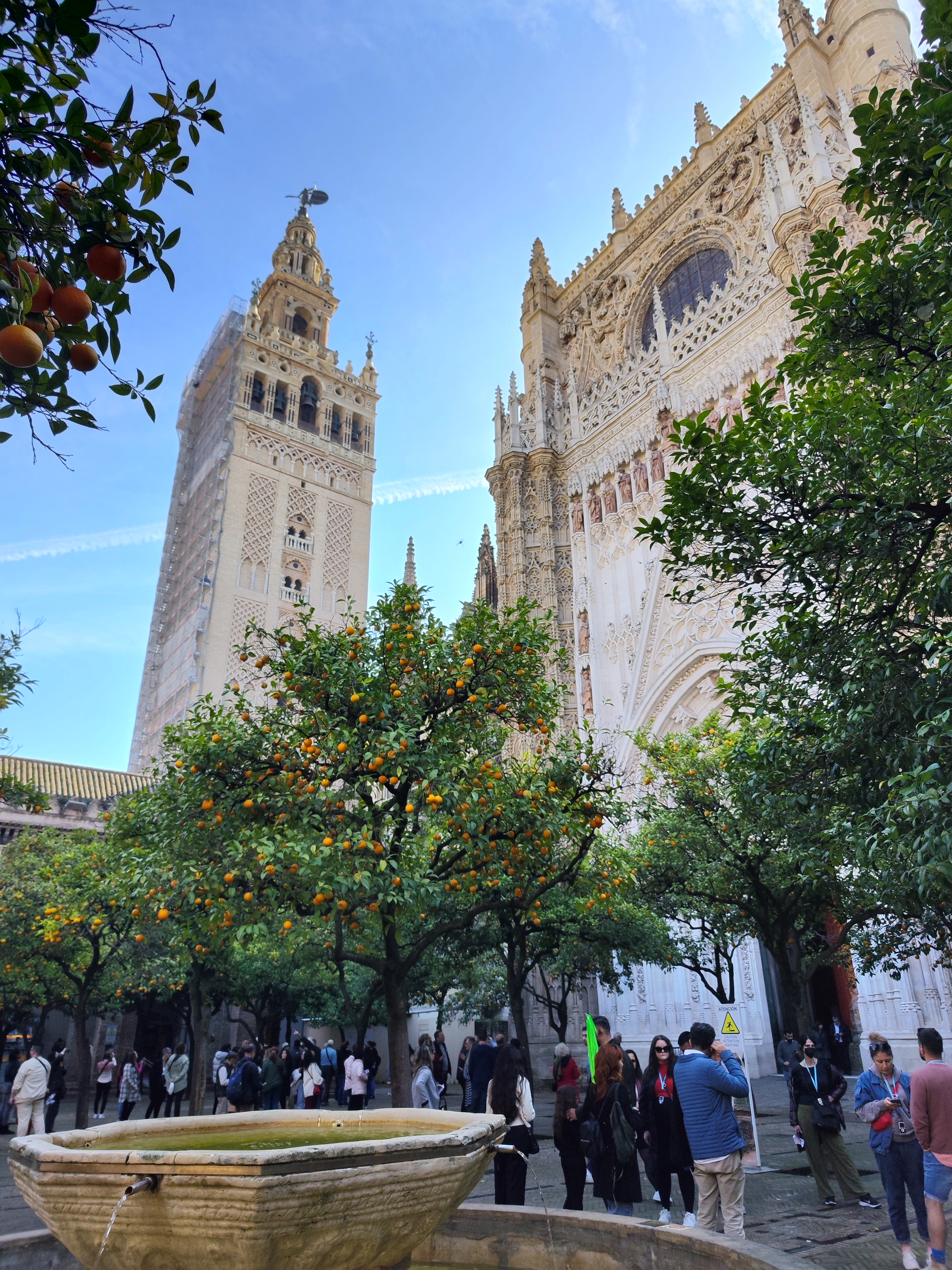

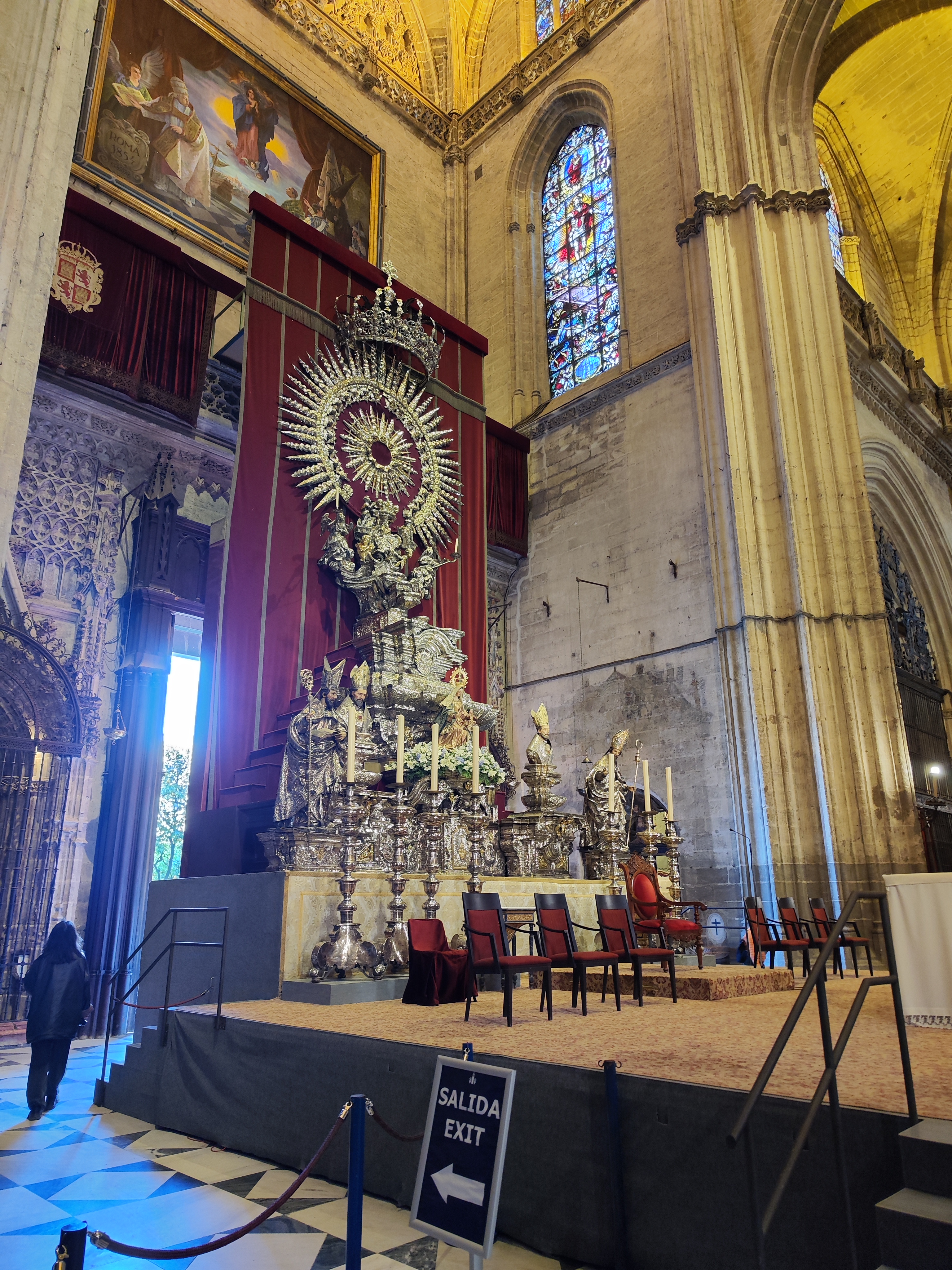
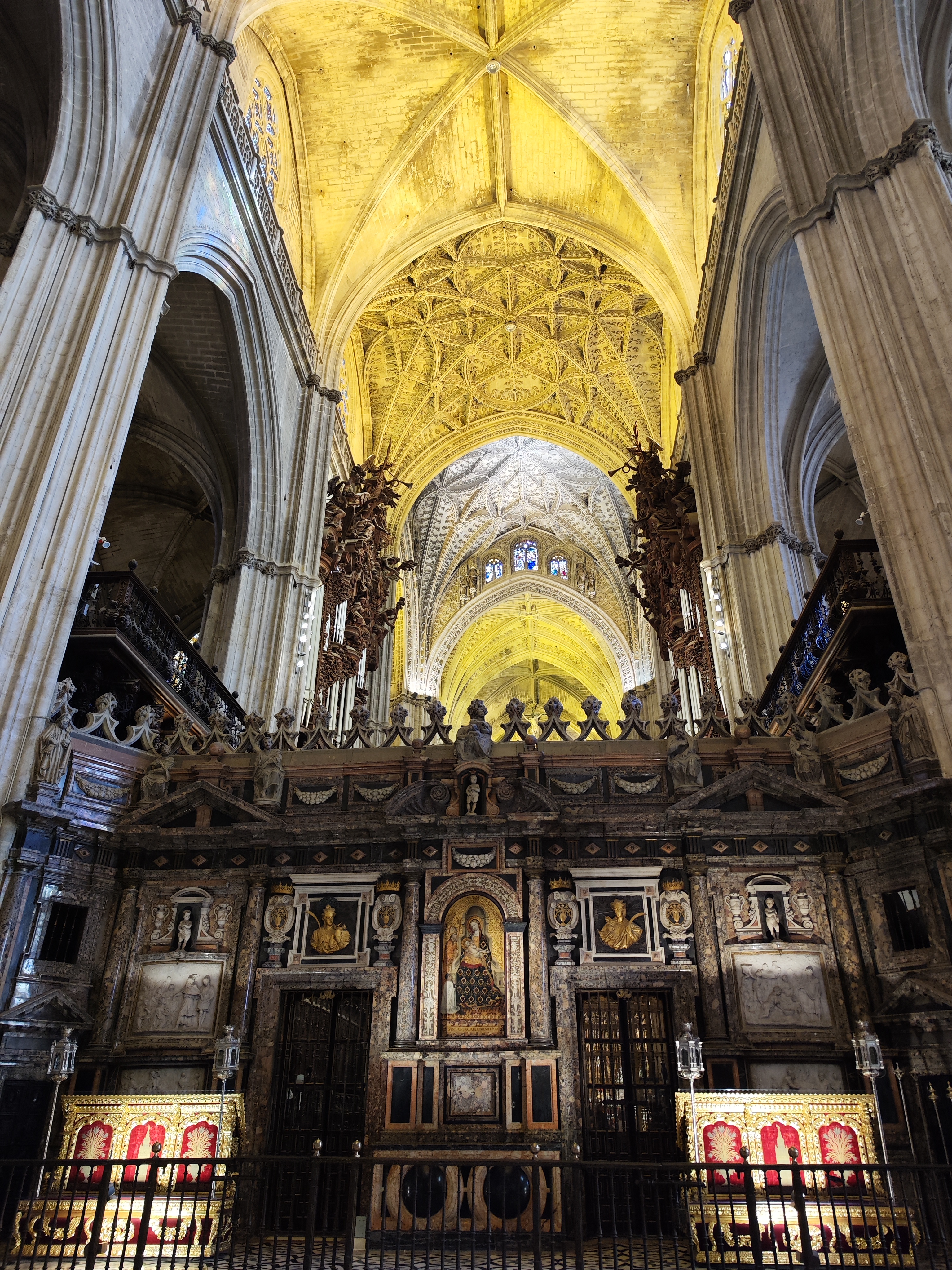
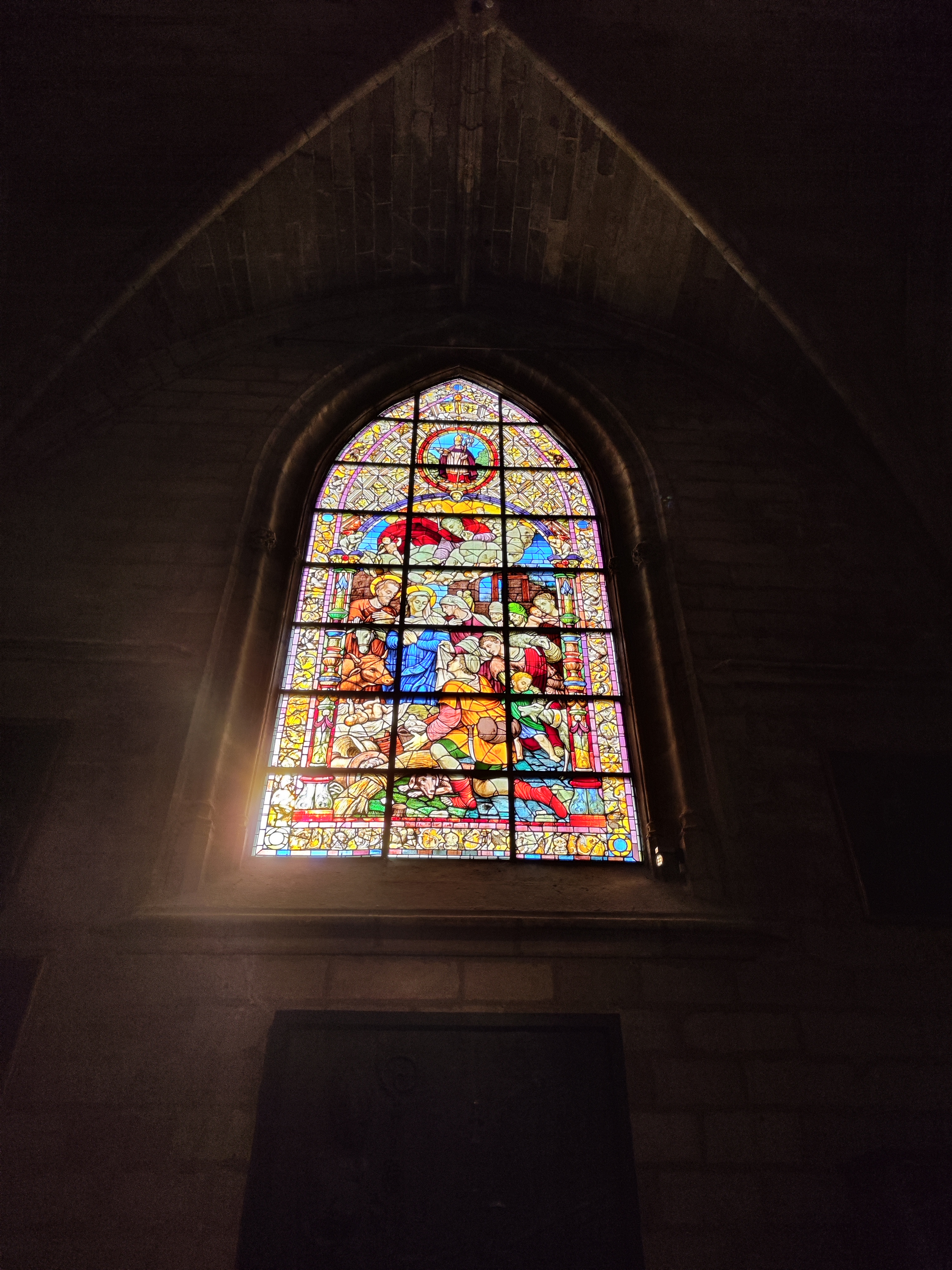
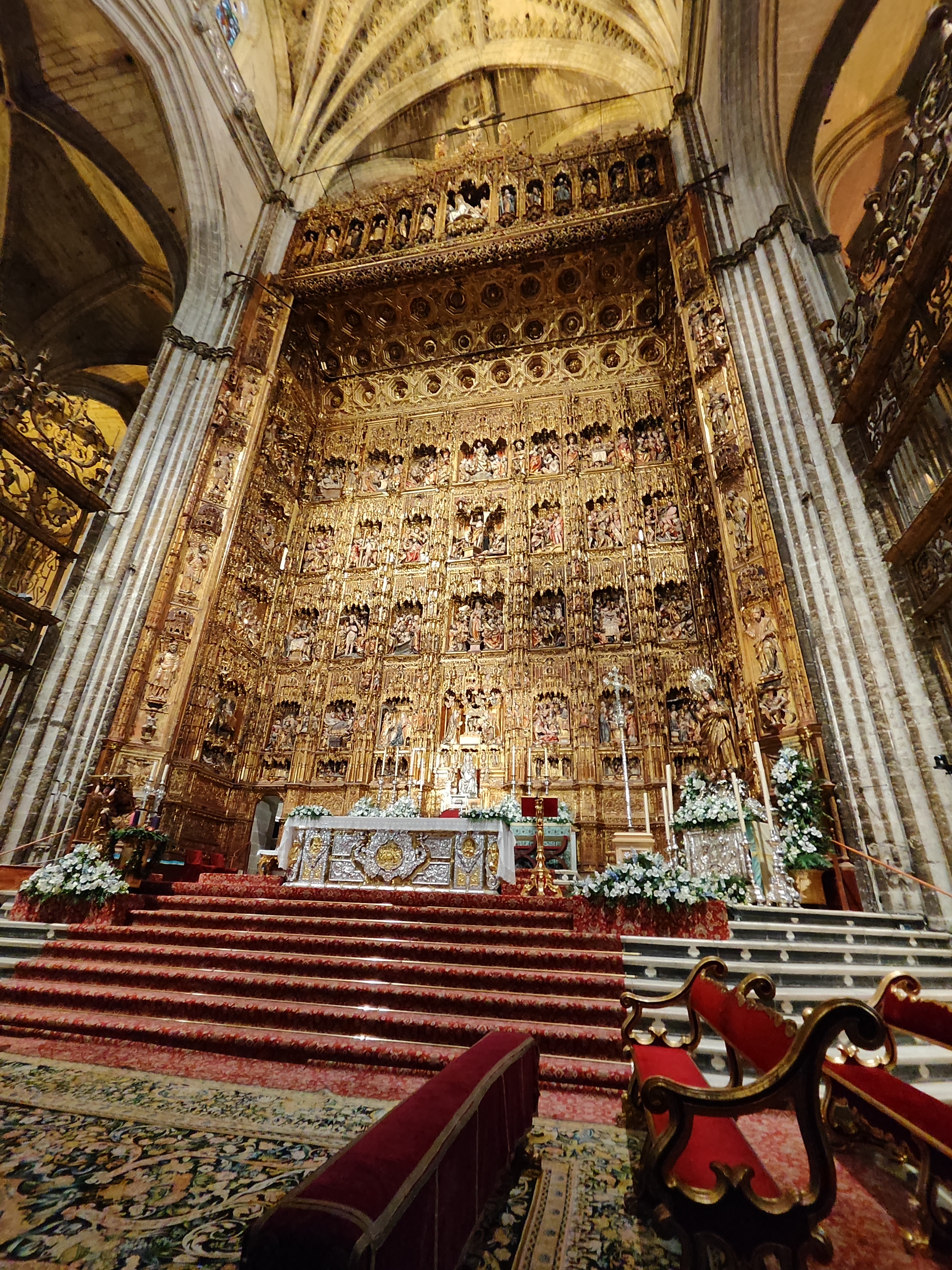
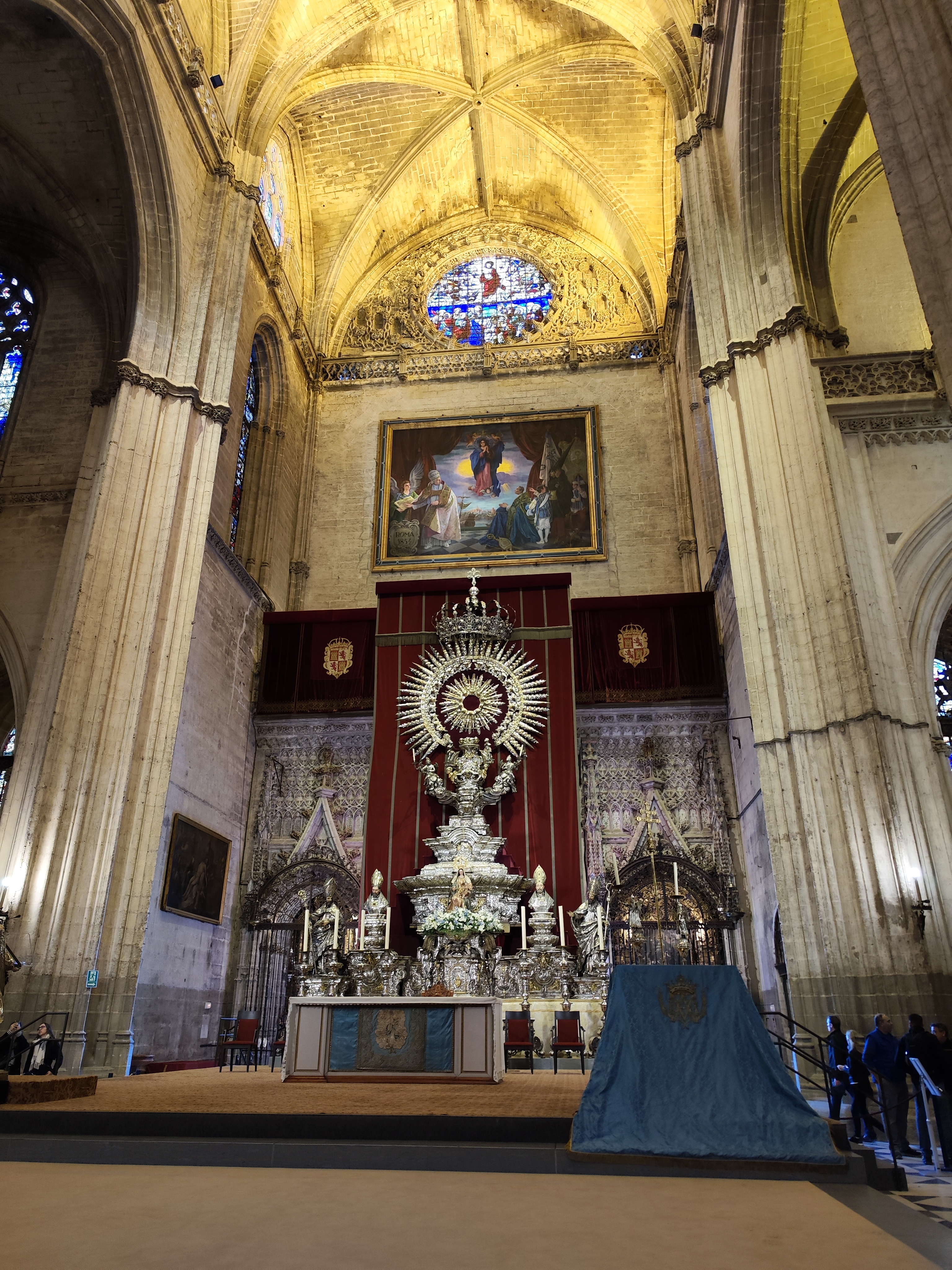
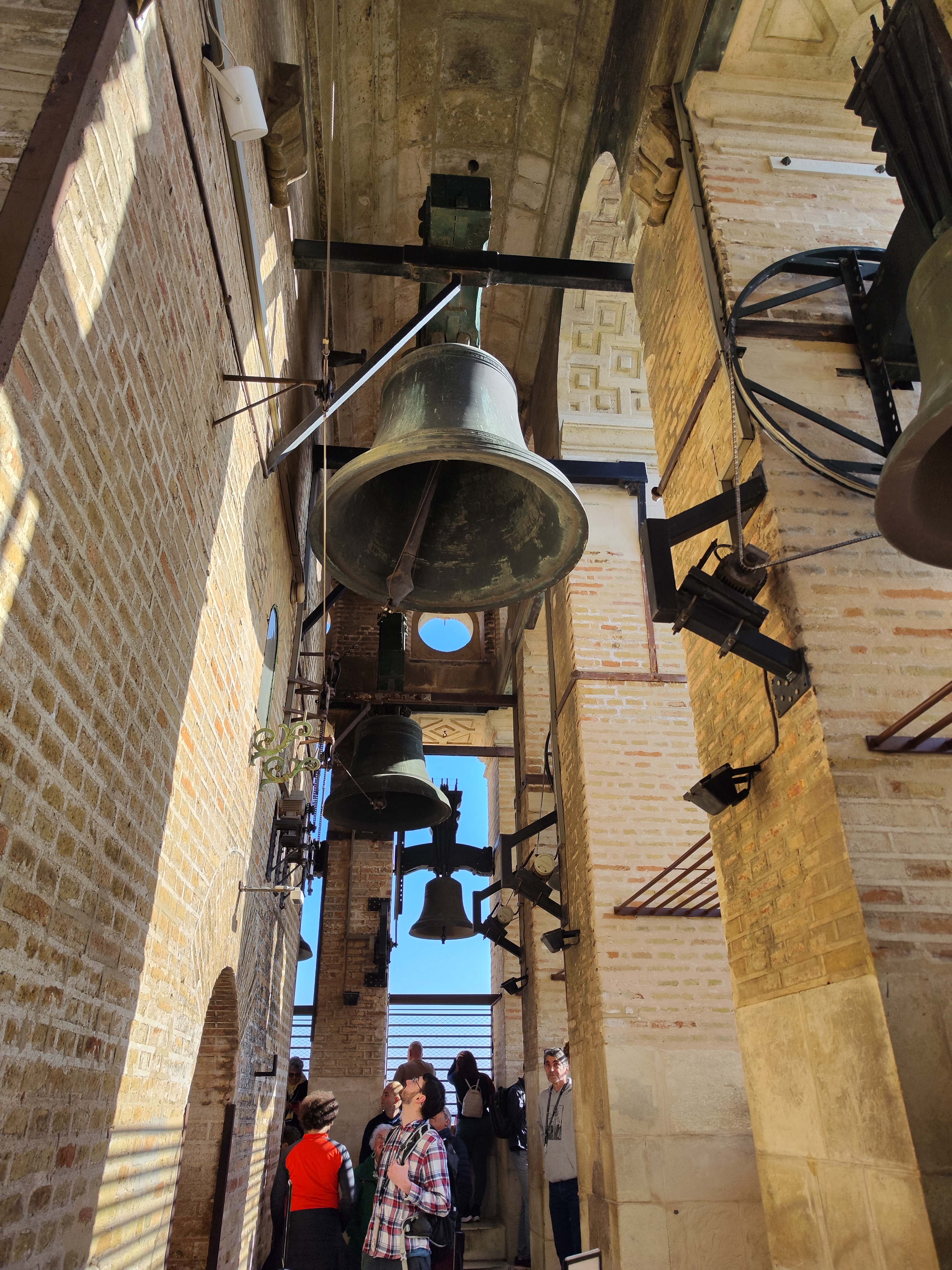
After the long walk up to La Giralda or La señora de Sevilla and the awe of the Cathedral I went to where I was going to have lunch with my wedding planner. As always, every trip has a purpose 😉

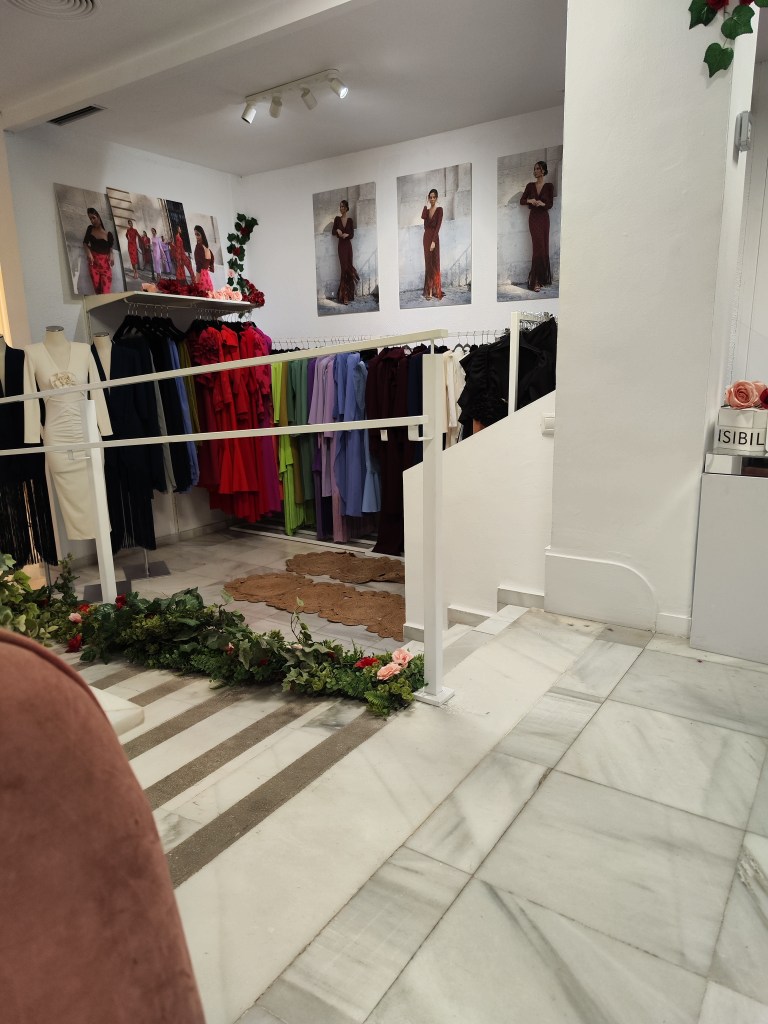
I visited a flamenco showroom afterwards, needed to check on something for a dress, I was close to Las Setas de Sevilla, the biggest Viewpoint of the city, so I visited it as well!
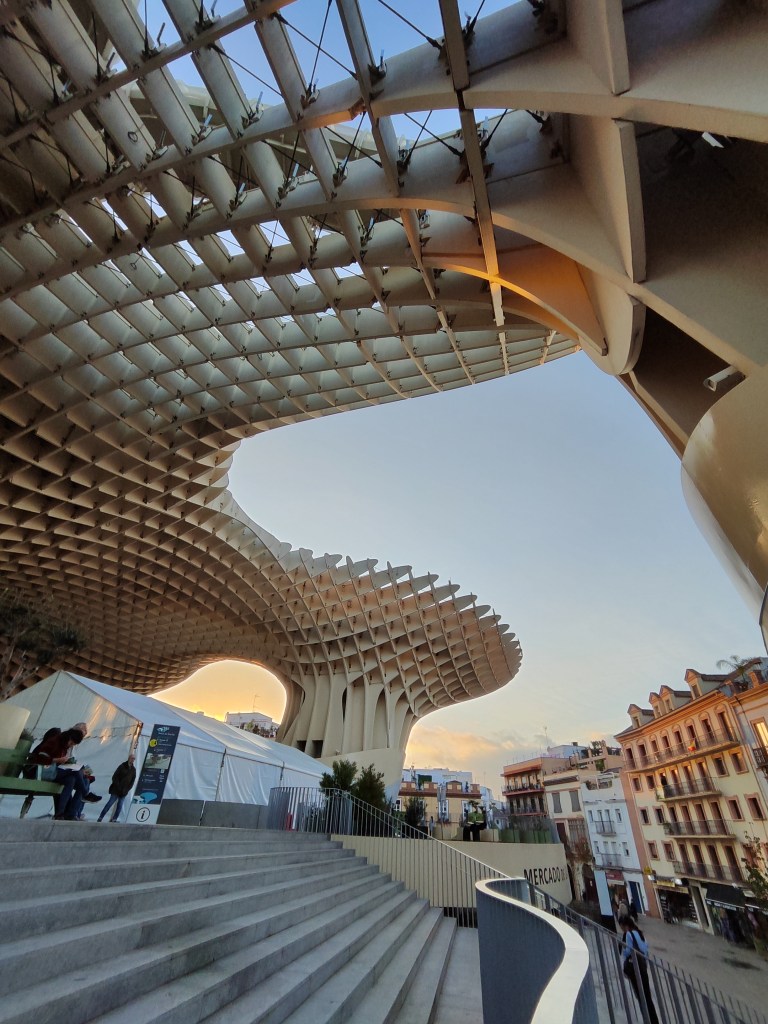
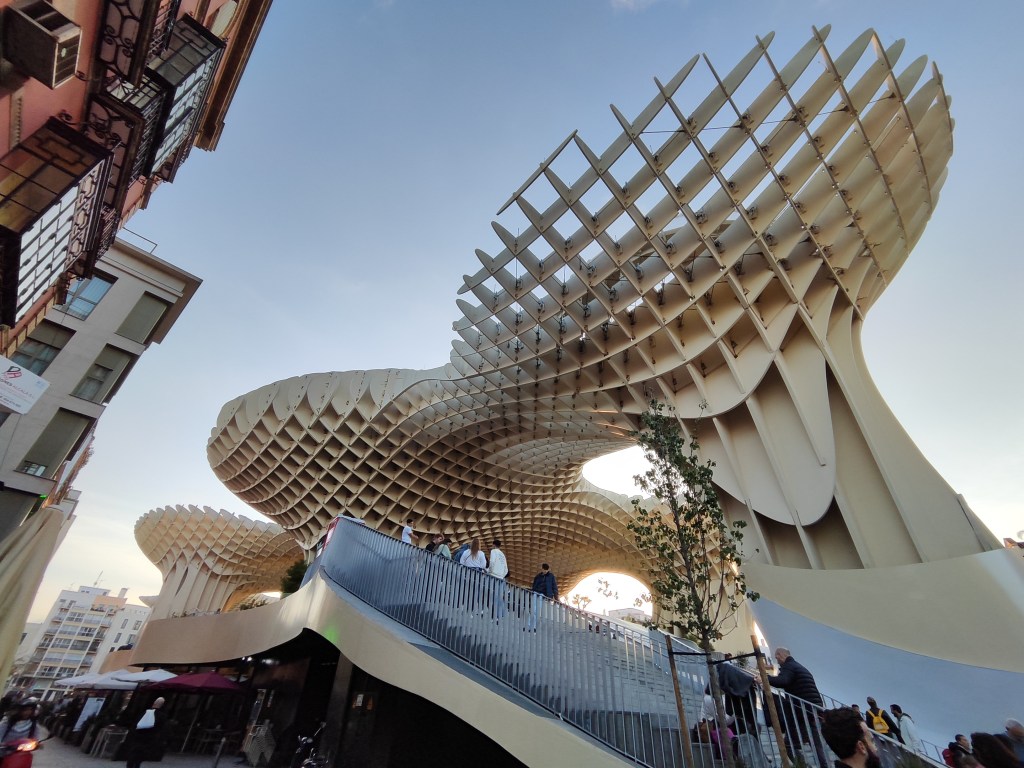
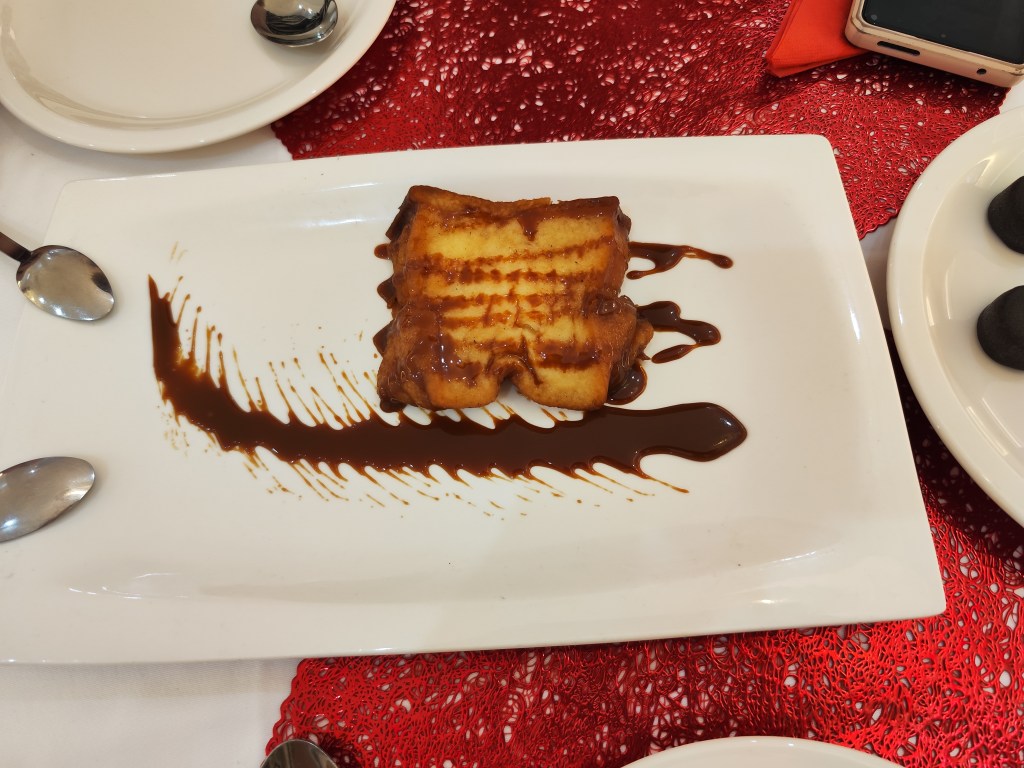
See you in the next post to talk about day TWO!


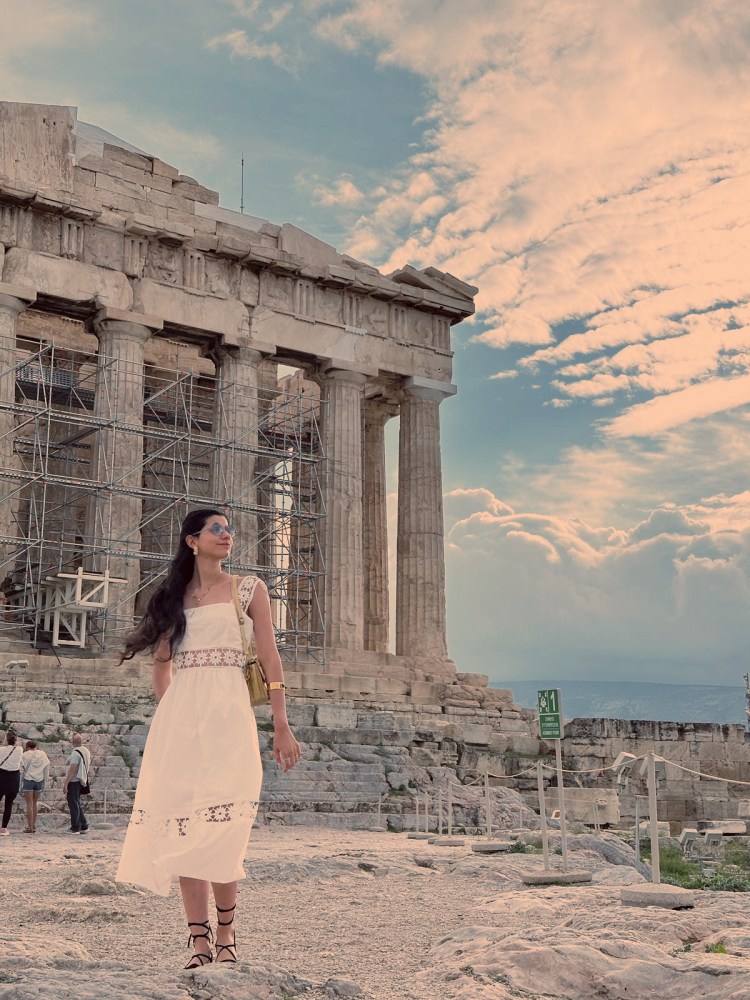

#france #let'shelpaprincess #mountains #paris #part of my origins #portugal #travel #wine adventure architecture art author Blog & Travelling bloganuary bloganuary-2024-02 Buleria dailyprompt dailyprompt-1805 dailyprompt-2026 Dancinggiglio England Flamenco health Holamundo italy martinete motivation Mountains nature notebooks Part of my origins poem poetry Science seguiriya taranto The guitar is like a woman Traditions travel travelling wedding woman writing


 Dancing Giglio
Spanish architecture is always a sight to see!
LikeLiked by 1 person
You are right, it’s always a wonder!
LikeLike
Bella como tú! Cuanta riqueza cultural en un solo país ❤️
LikeLiked by 1 person
ABSOLUTAMENTE!! Estoy de acuerdo contigo ❤️
LikeLiked by 1 person