
Last adventure in Barcelona, for today’s itinerary:
- Park Guell
- Montjuic
- National Art Museum of Catalunya
- Find Turrones for mum
- Any interesting place on the way
Park Güell
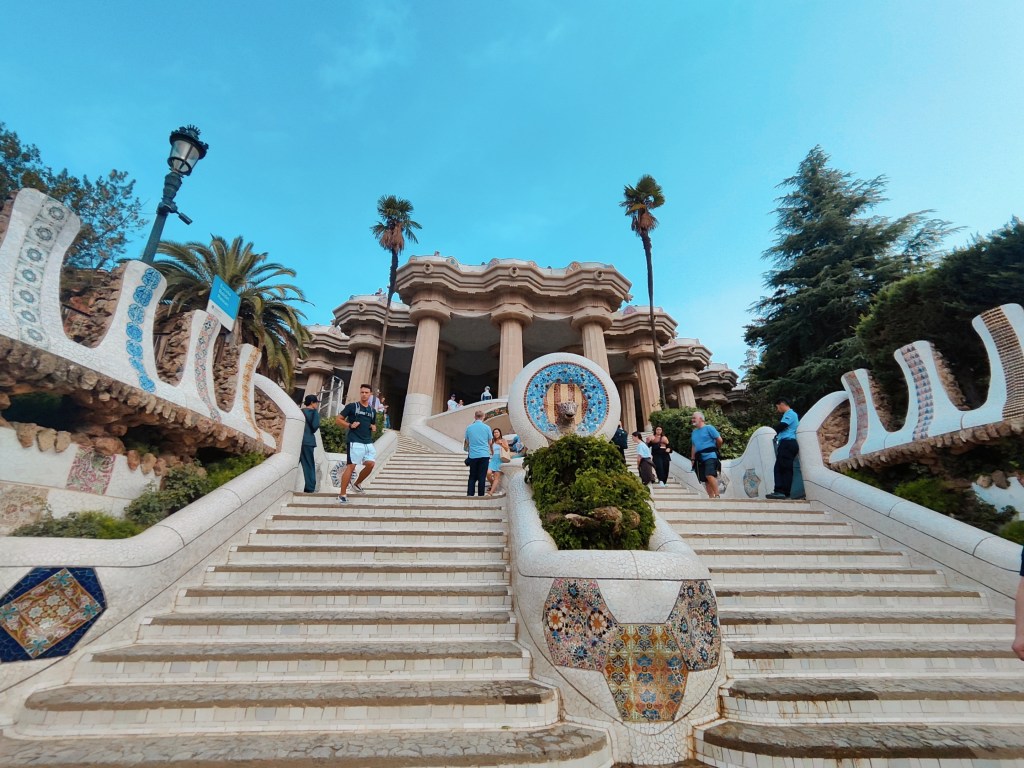
Everyone knows what Parc Güell is, I hope. One of my favourite architects, as I mentioned in the last post, is Gaudì, he was a genius. So, to honour him I wore a dress that was similar to his abstract compositions.
Now, let’s talk about this park, shall we?
The park owes its name to Eusebi Güell, a rich Catalan businessman and member of an influential bourgeois family from the city of Barcelona. A man of great cultural depth, versed in literature, the arts, languages and sciences, Güell maintained a professional and friendly relationship with the Catalan architect Antoni Gaudí, whom he met in 1878, and whom he commissioned to design the Güell Palace, the Güell cellars, the Güell pavilions and even a crypt.
Park Güell has an area of 17.18 hectares and stands on Devonian terrain, formed by layers of slate and limestone. Gaudí skillfully manipulates the park’s architecture in such a way as to evoke a harmonious balance between the built environment and the natural environment: the Gaudian forms, in fact, actively perceive the evolutionary dynamics of Nature and interpenetrate with it thanks to their undulating forms, magmatic, almost archetypal.
Park Güell, therefore, enriches the plant and fauna biodiversity of the city of Barcelona, creating a real ecosystem capable of facilitating the spontaneous animal recolonization of the city. The presence of birds is particularly massive: some of these reside there permanently (pigeon, blackbird, sparrow, goldfinch, heron, robin, chaffinch, starling, great tit), while others perform migrations at various times of the year, especially in winter (hoopoe ). Within the two imaginative entrance pavilions, there is a monumental double staircase embellished by the presence of a ceramic salamander which, with its visual polychromy, welcomes visitors. Once past this benign monster, which – beyond the first playful and playful impact, radiates a very specific symbolism, linked to fire, alchemy and prosperity – we reach the hypostyle hall, resolved like a classical Greek temple characterized by the presence of eighty-six columns designed to support the weight of the terrace above.

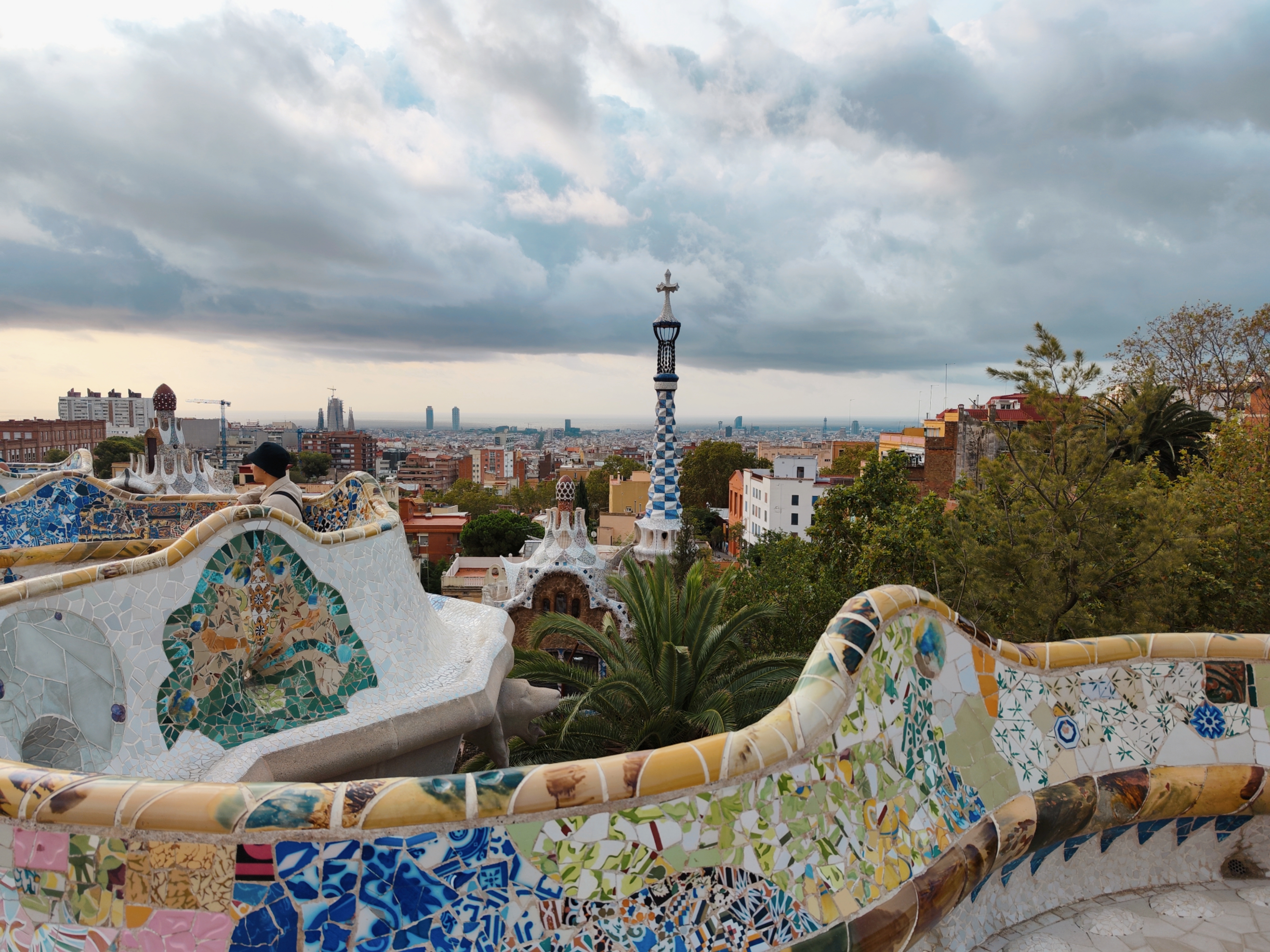
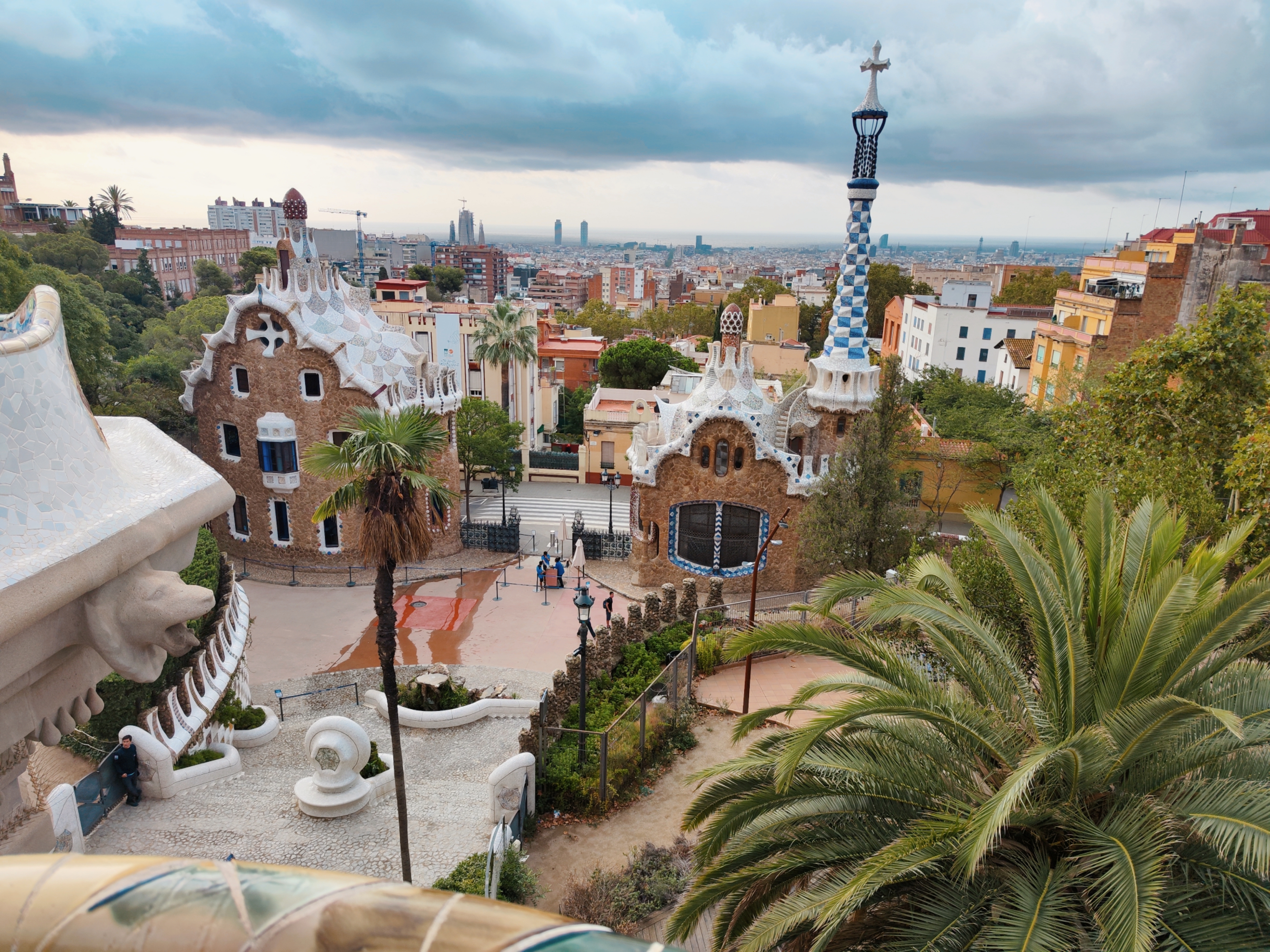

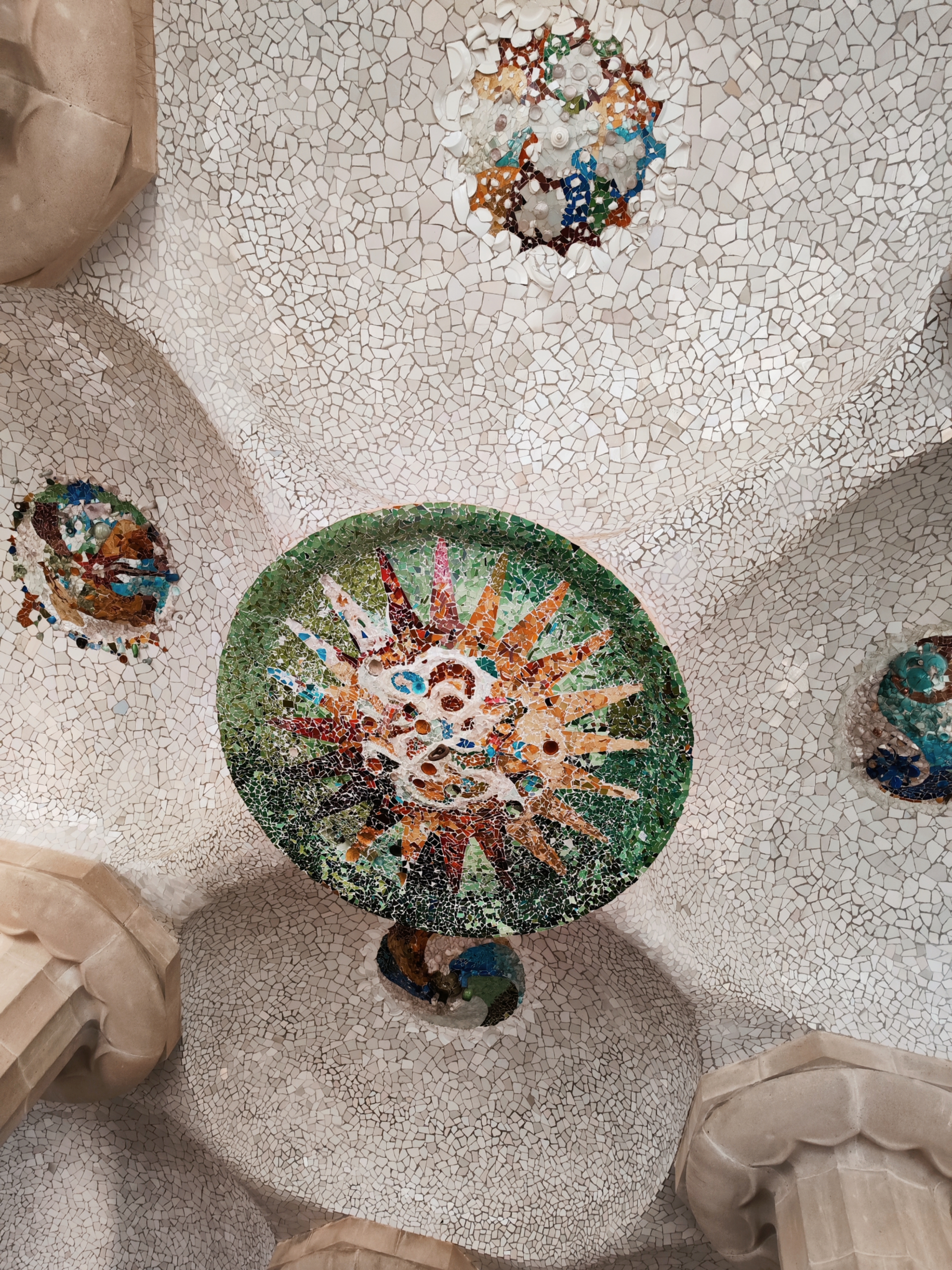


The most important architectural episodes of Park Güell, in any case, revolve around the part facing the entrance and culminate with the Plaza de la Naturaleza, the true beating heart of the entire site. Characterized by an oval shape and an extension of 2694 m² (86 m long and 43 m wide), the square has the function of facilitating socialization, proving itself suitable for community meetings but also for the celebration of cultural events and religious. This “Greek theatre”, as Gaudí himself loved to call it, is structured on the Doric columns of the underground room, which not only perform a purely static function but – being hollow – also allow the flow of rainwater, previously filtered by the ground of the square: we find, as always in Gaudí, a highly refined and rigorous technological rationality, even behind those apparently most unbridled and unconscious artistic manifestations.
I recommend going early morning, so you can get better pictures, after 8 it’s really crowded.
Montjuic castle
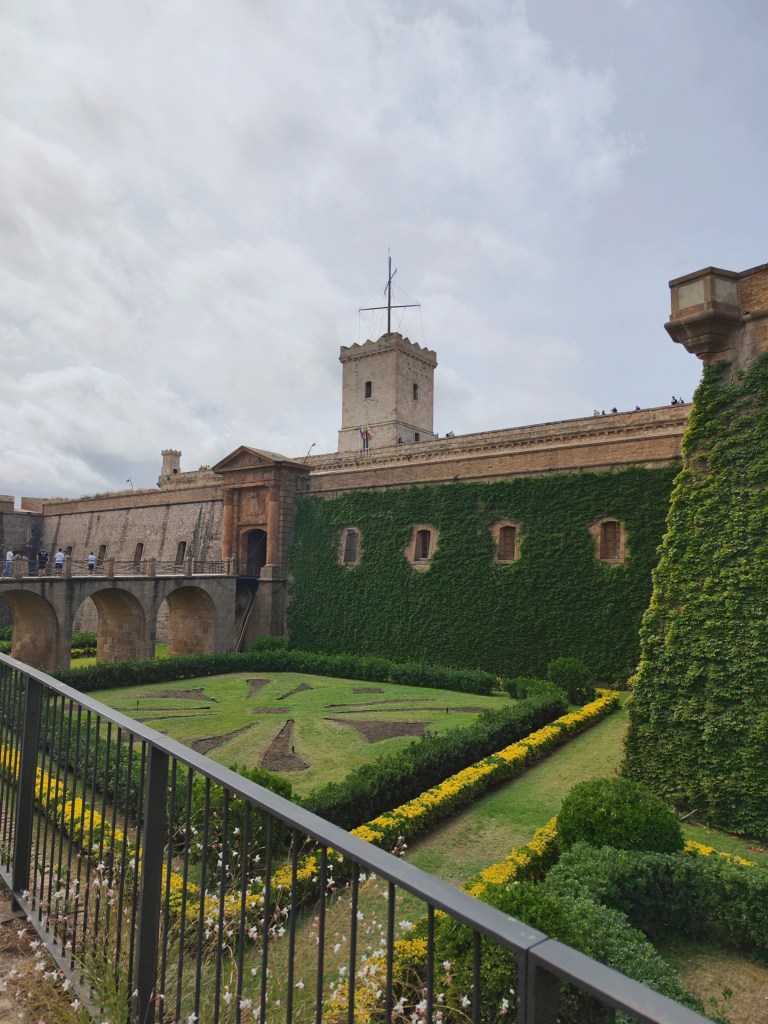
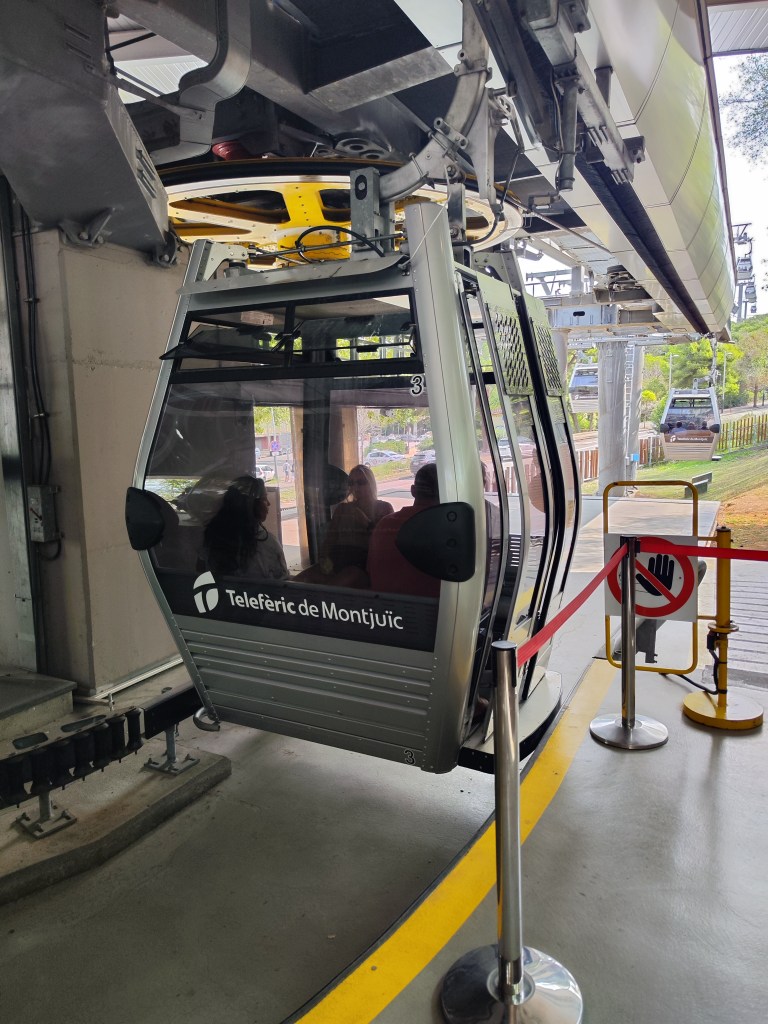
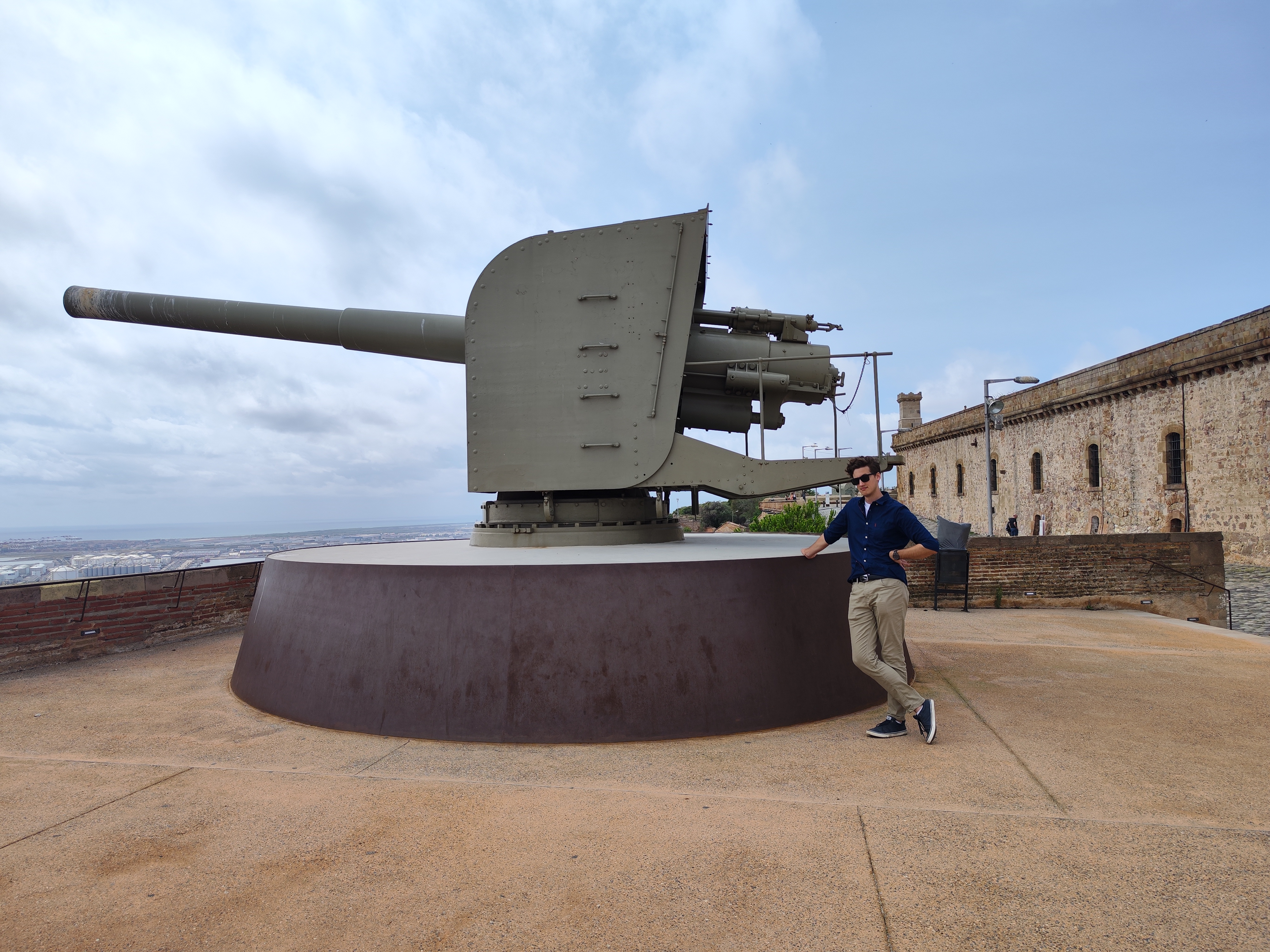
It is a historic building that was built as a military camp in 1640. The structure was built on the top of Montjuïc hill. You can reach Castell de Montjuïc by the Montjuïc Funicular and the Montjuïc cable car.
This fortress, which began to be built in the 17th century, played a very vital role in several episodes in the history of Barcelona such as the assault of the Castilian troops commanded by the Marquis of Vélez in 1641, the bombardment of Barcelona from the castle in 1842, or the confinement of the detainees during the Tragic Week in 1909, among other events. During these centuries the fortress was built and adapted according to the needs of the times and those who owned it.
(I’m not very knowledgeable about history, so I had to rely on Wikipedia for information about the castle.)
Once we got to the top of the castle we could admire a fantastic view of the port of Barcelona and the city looked so small from there. A French man took a picture of us, how kind.
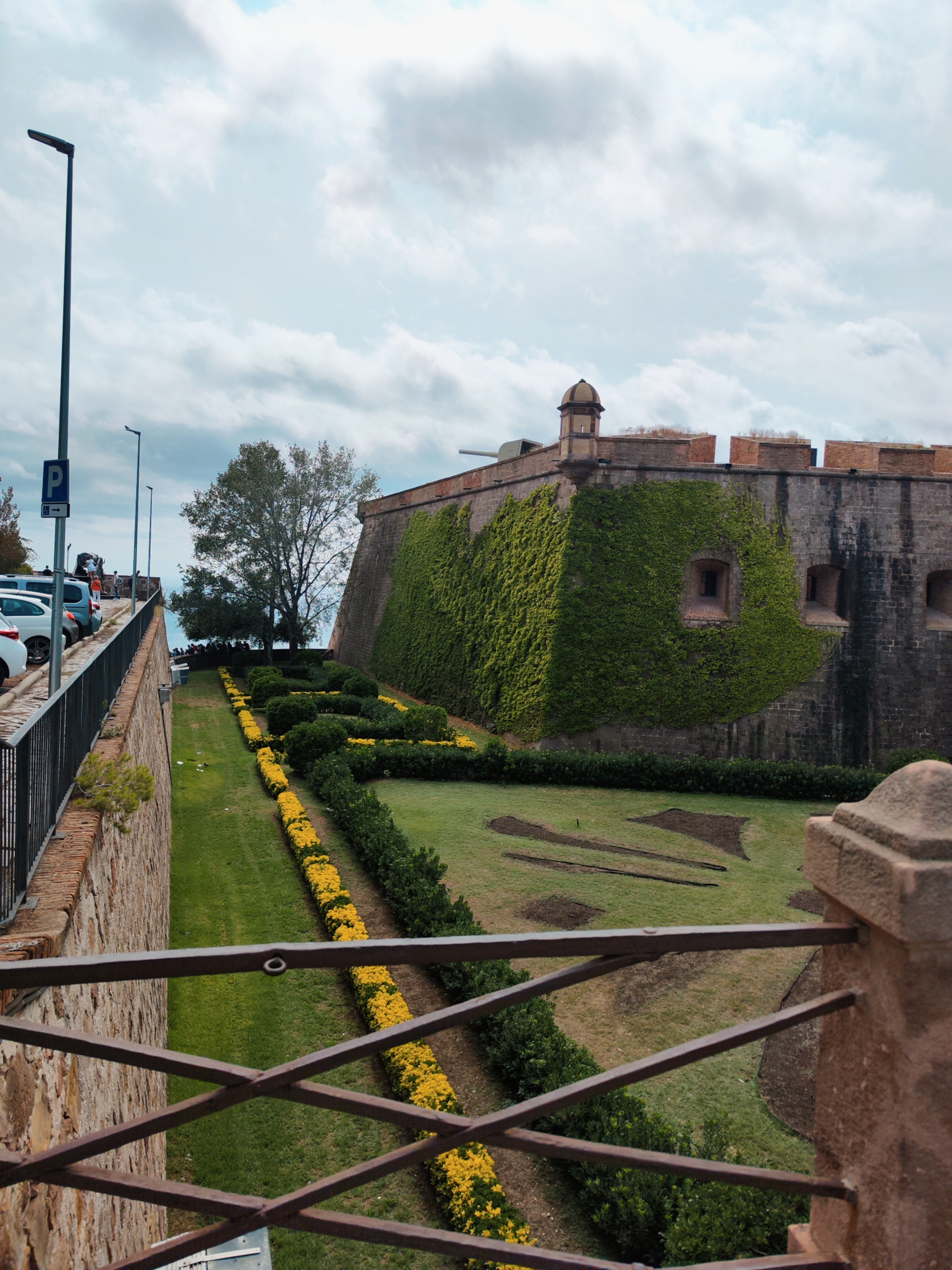


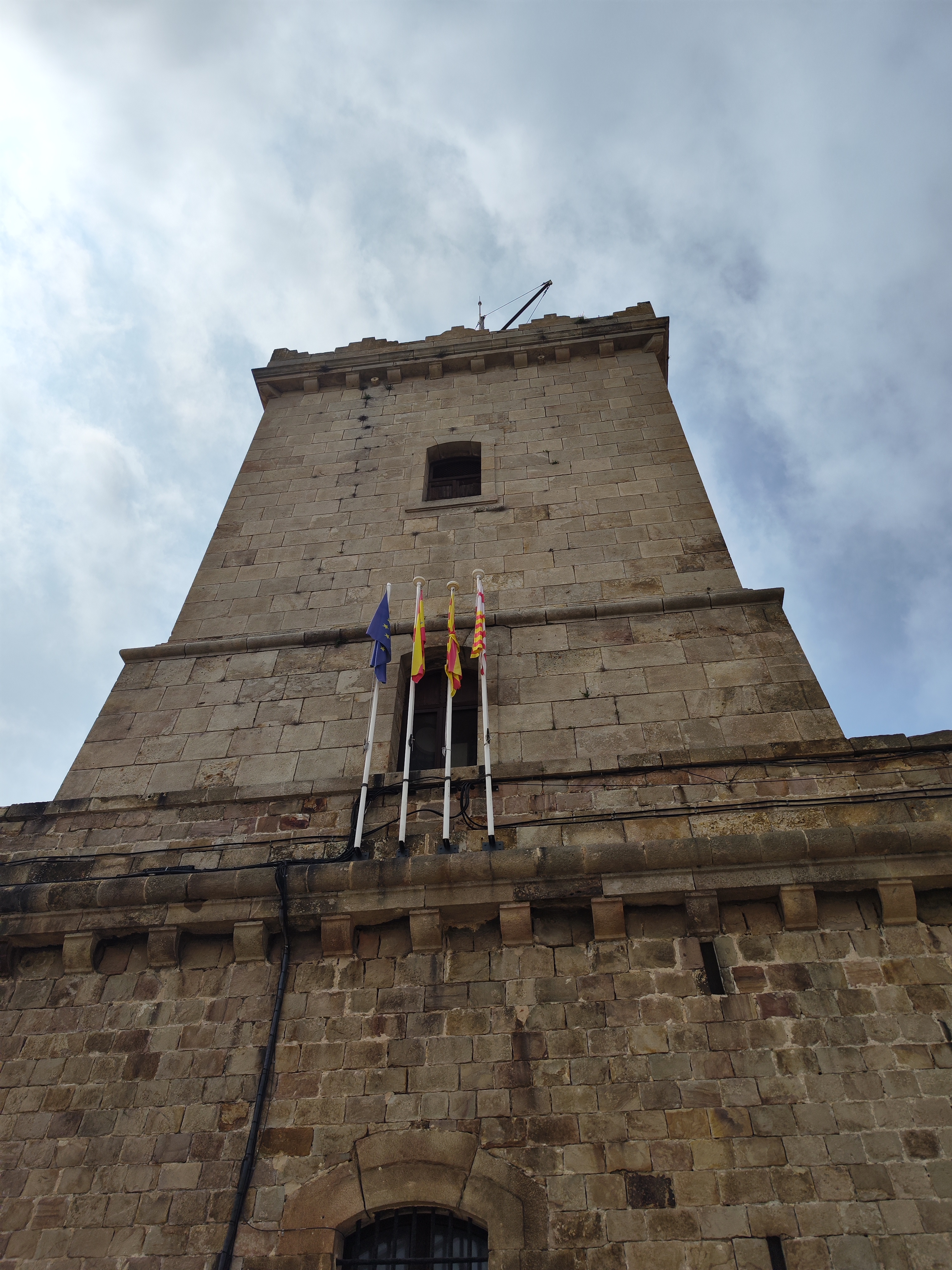

After we explored every corner, we headed to the telegenic and then had a walk down the way of that street, which is close to the National Art Museum of Catalunya.
We saw a park, a flamenco poster (The show was due in October, I’m furious), and then by accident, the Barcelona stadium.
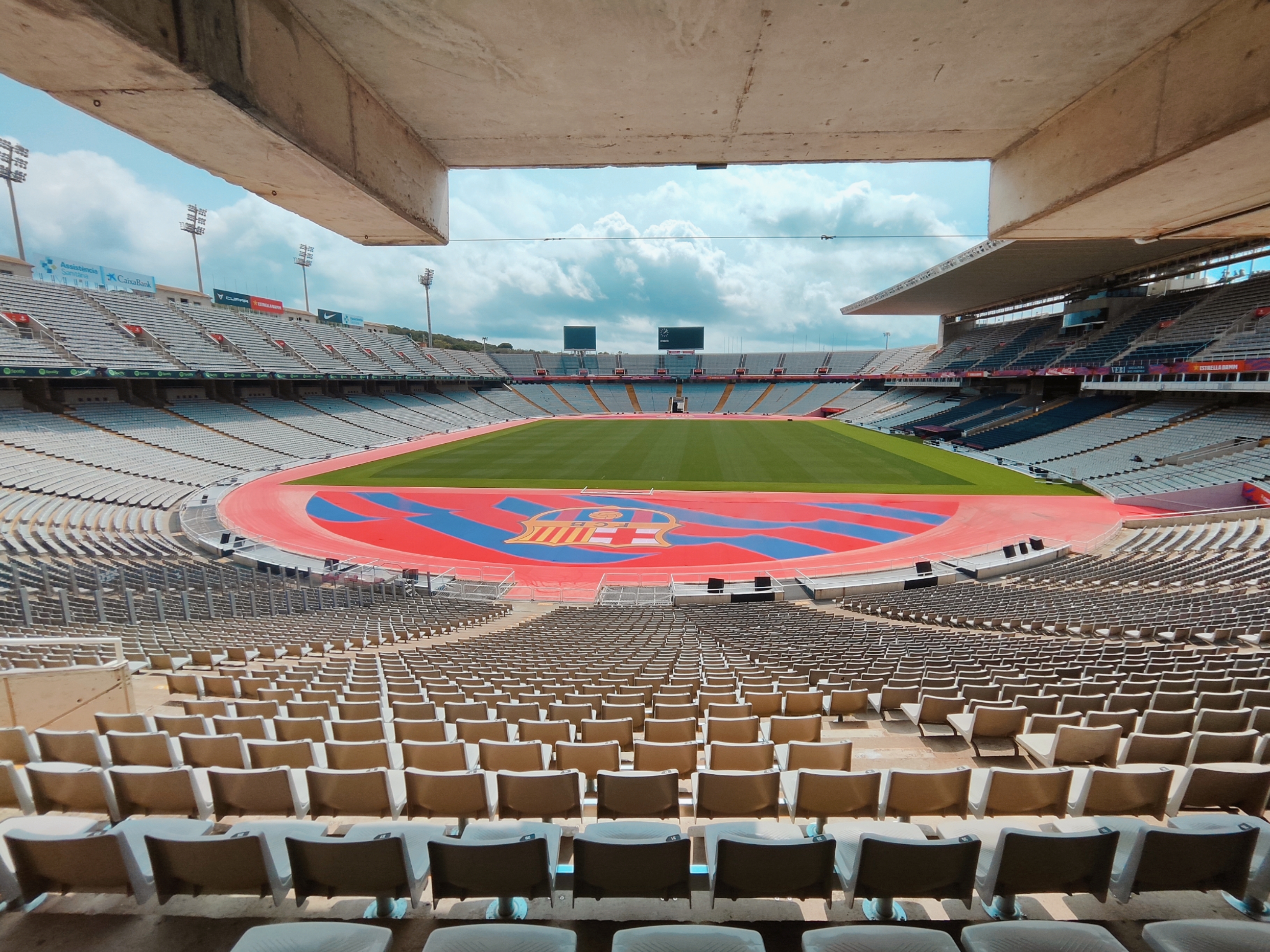
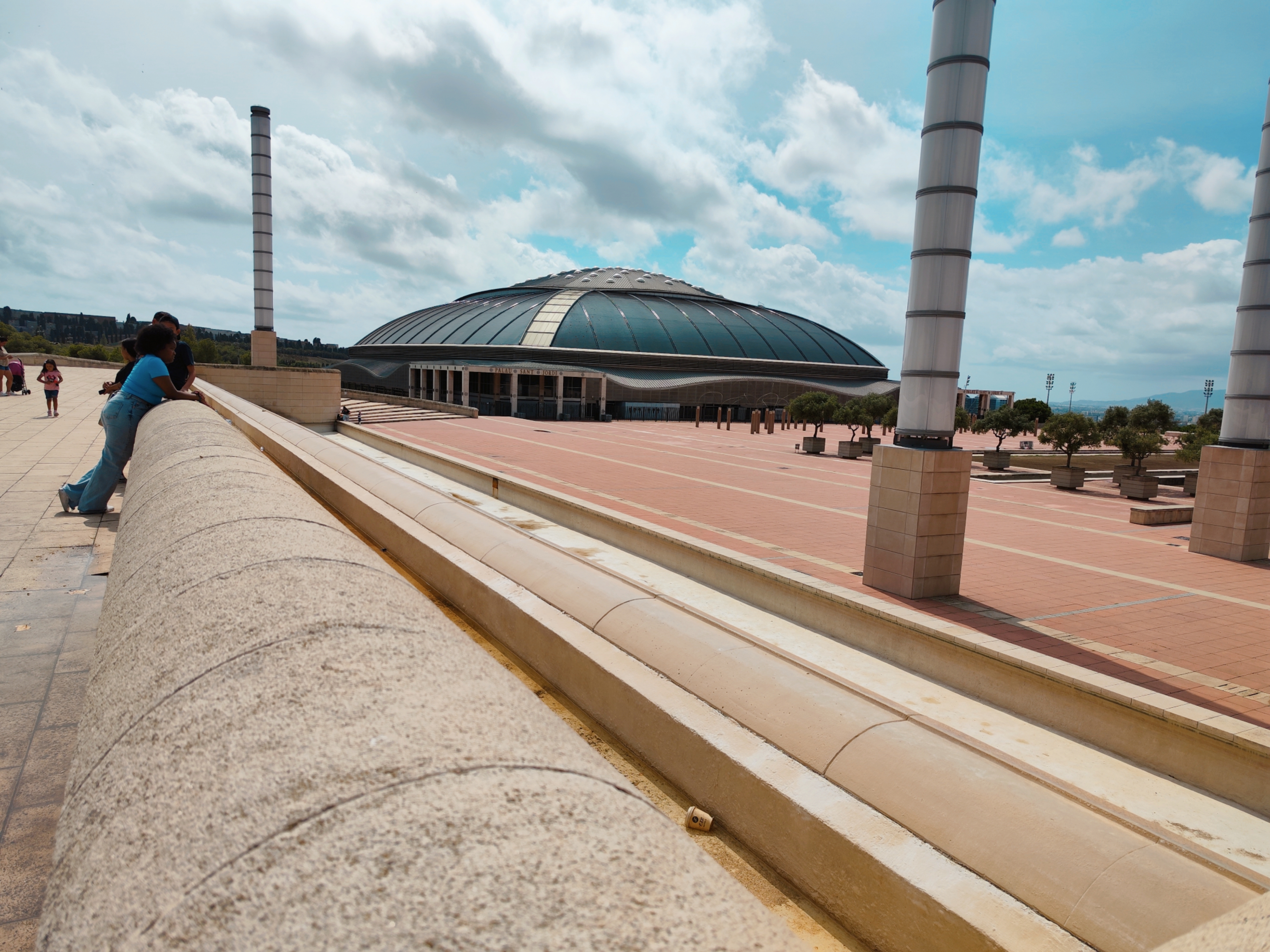
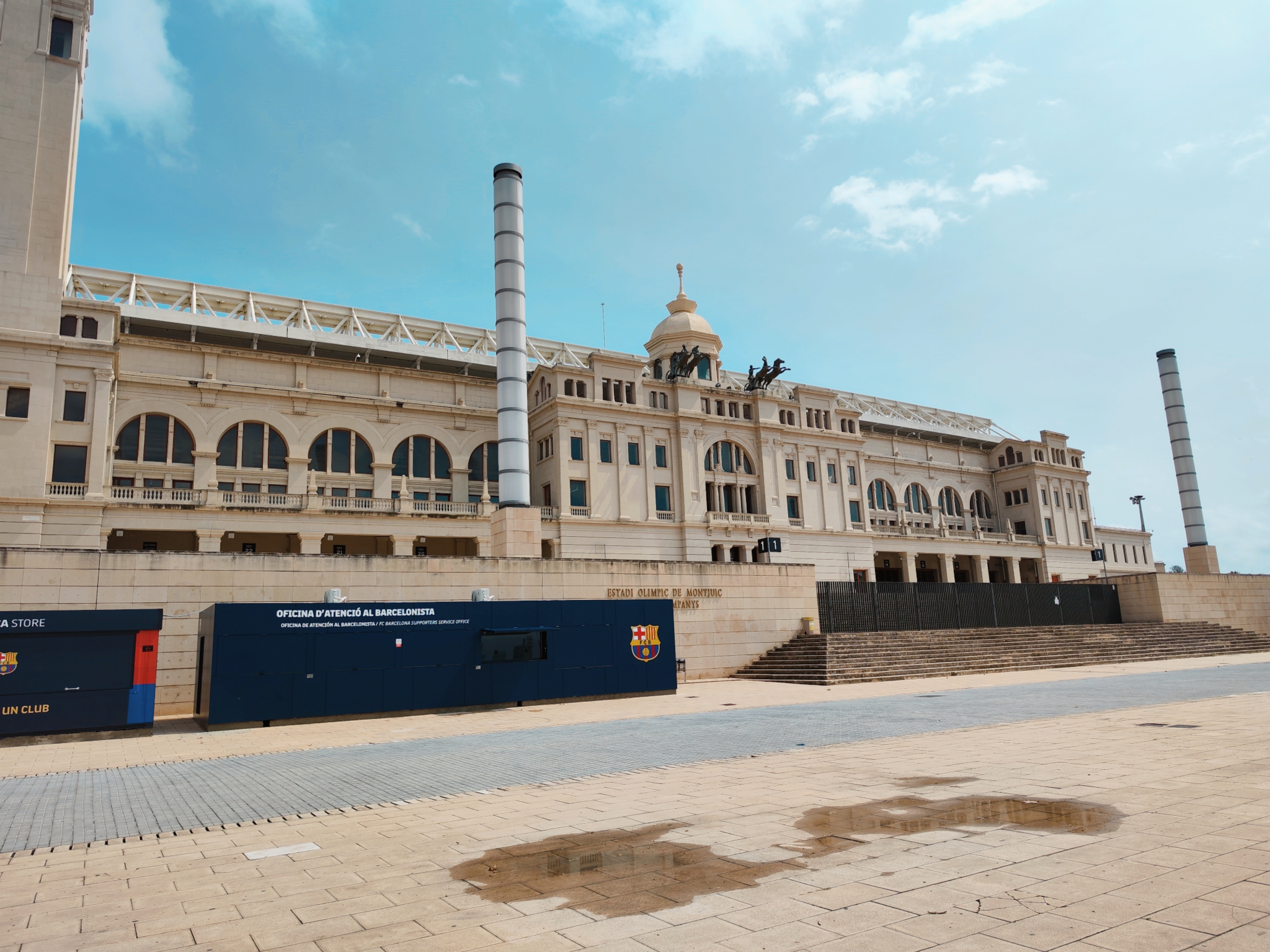
My husband was very happy we got in without paying, and of course, as always, he was tricking people on Instagram with the location. Bear with him.
After our exploration we decided it was time to eat something before getting inside the huge museum, which by the way, didn’t send me the tickets even if I called them, better not to let go of my angry Latina.
Nevertheless, we ate, burgers, for the first time (It was the only food available, other than hot dogs, forgive me :(). I had a coconut smoothie, one of my favourites, and then we went to the museum, TO GET WHAT IS OUR RIGHT… THE TICKETS.
Museum of National Art of Catalunya
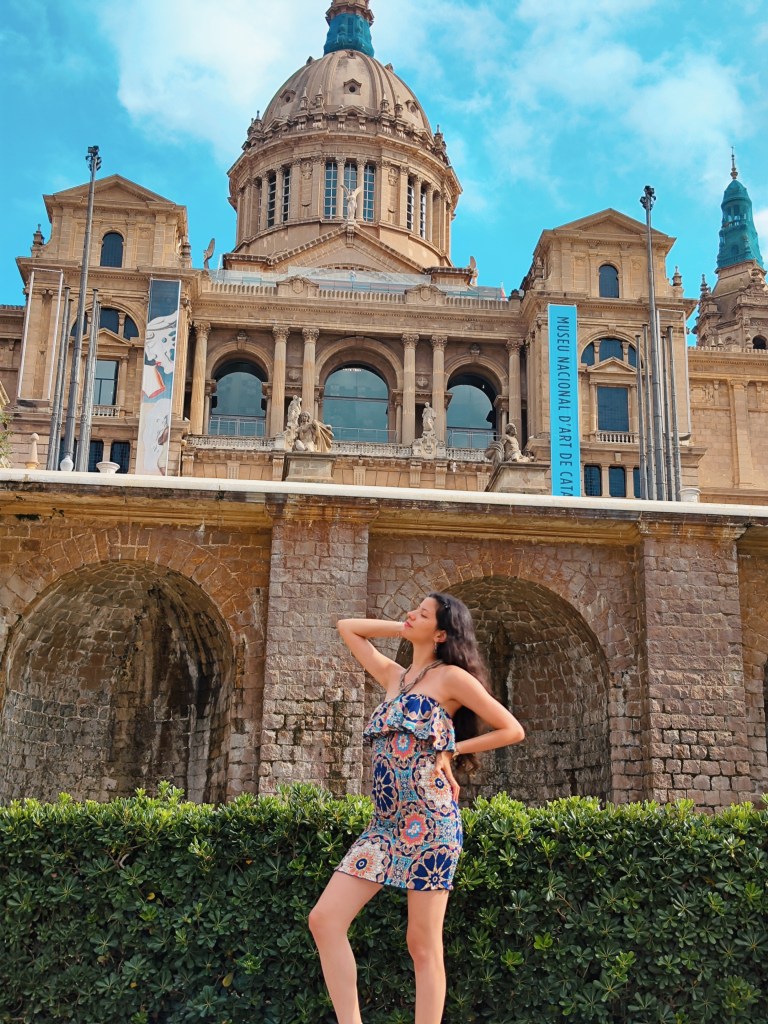
We were inside, I breathed in and out before speaking to the lady at the desk. Fortunately, after I explained carefully and slowly the situation they emitted the tickets, Thank God.
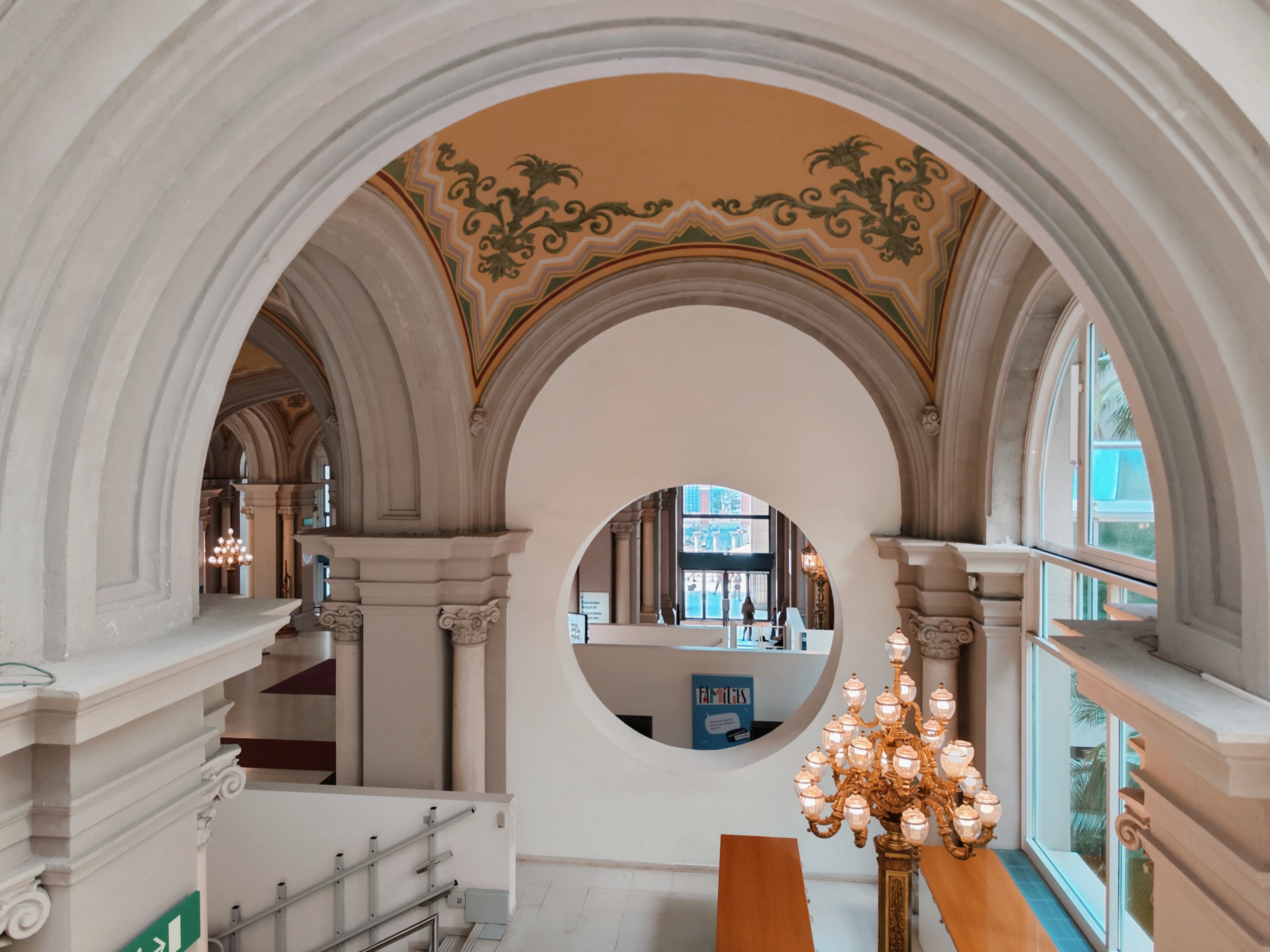
The National Art Museum of Catalunya is divided into two floors, The first floor it’s the entrance, where there is a tiny shop, the toilets and the stairs to get to the different “eras” of Spanish art. We started with Reinaseance, and then Romantic, then Abstract, and Contemporary. At a certain point, we had to have a break, we were there like for an hour and a half, I saw a mural of Mirò, found some artists I didn’t know, gained more cultural knowledge and I was happy.
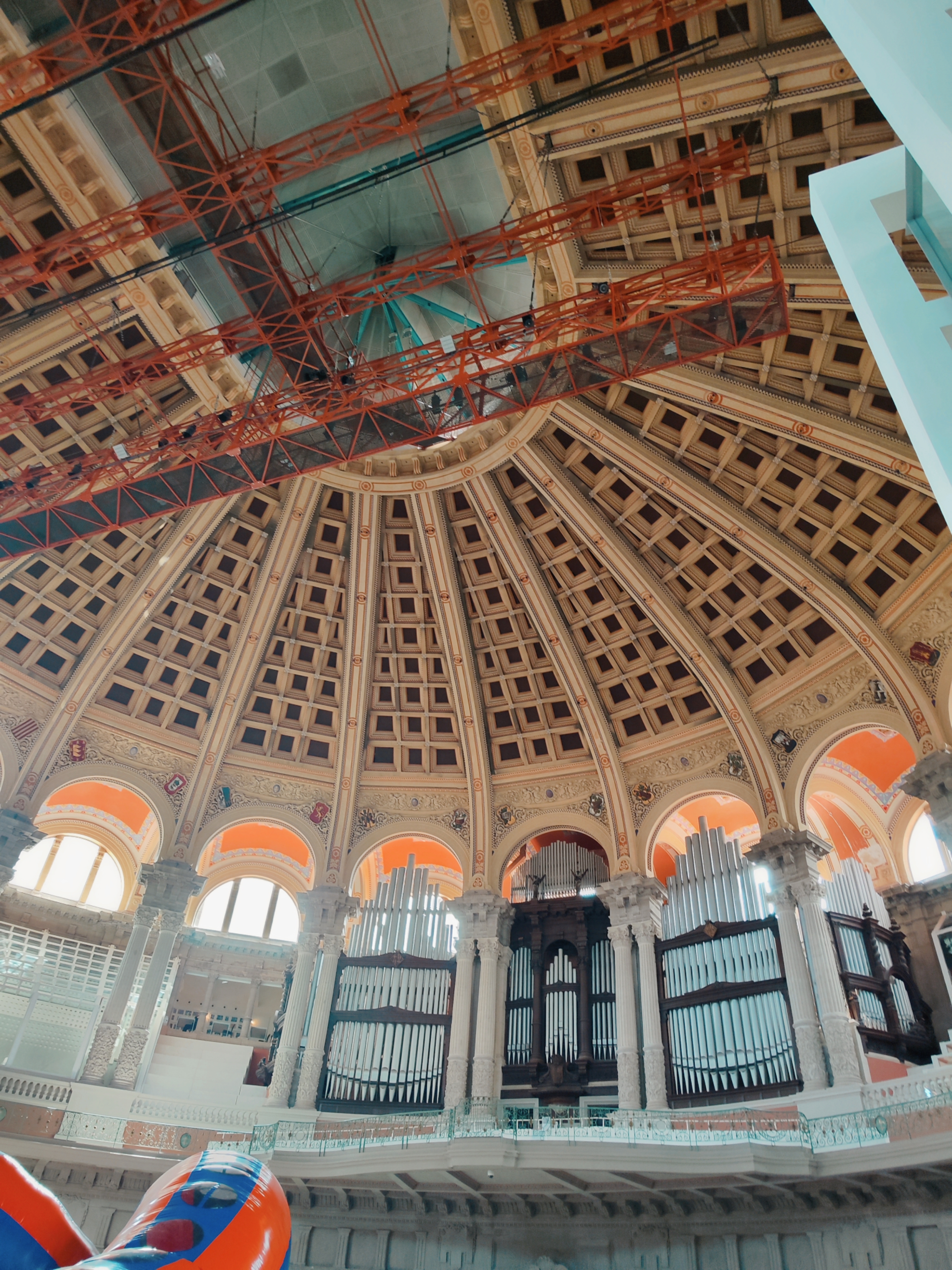
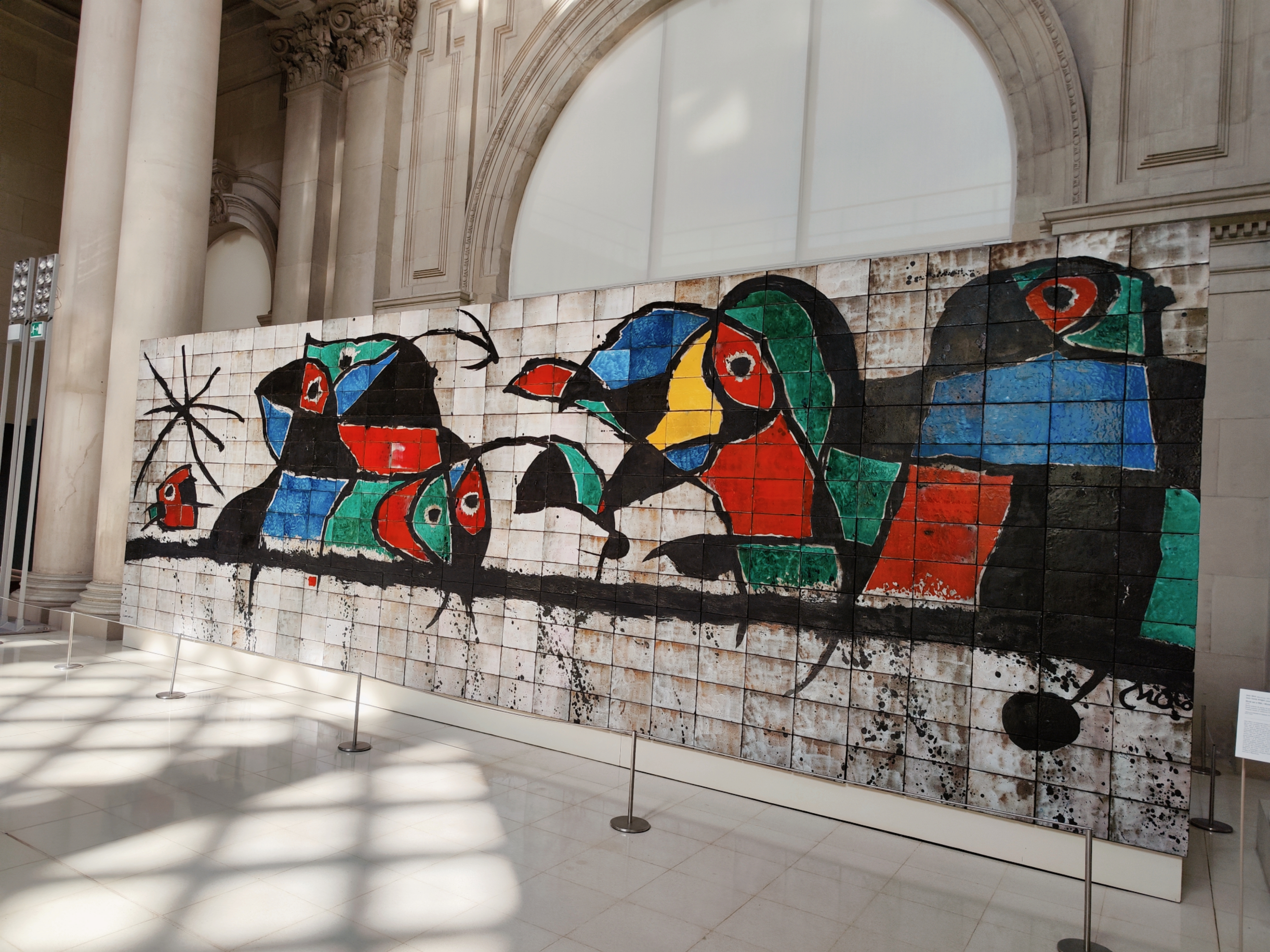
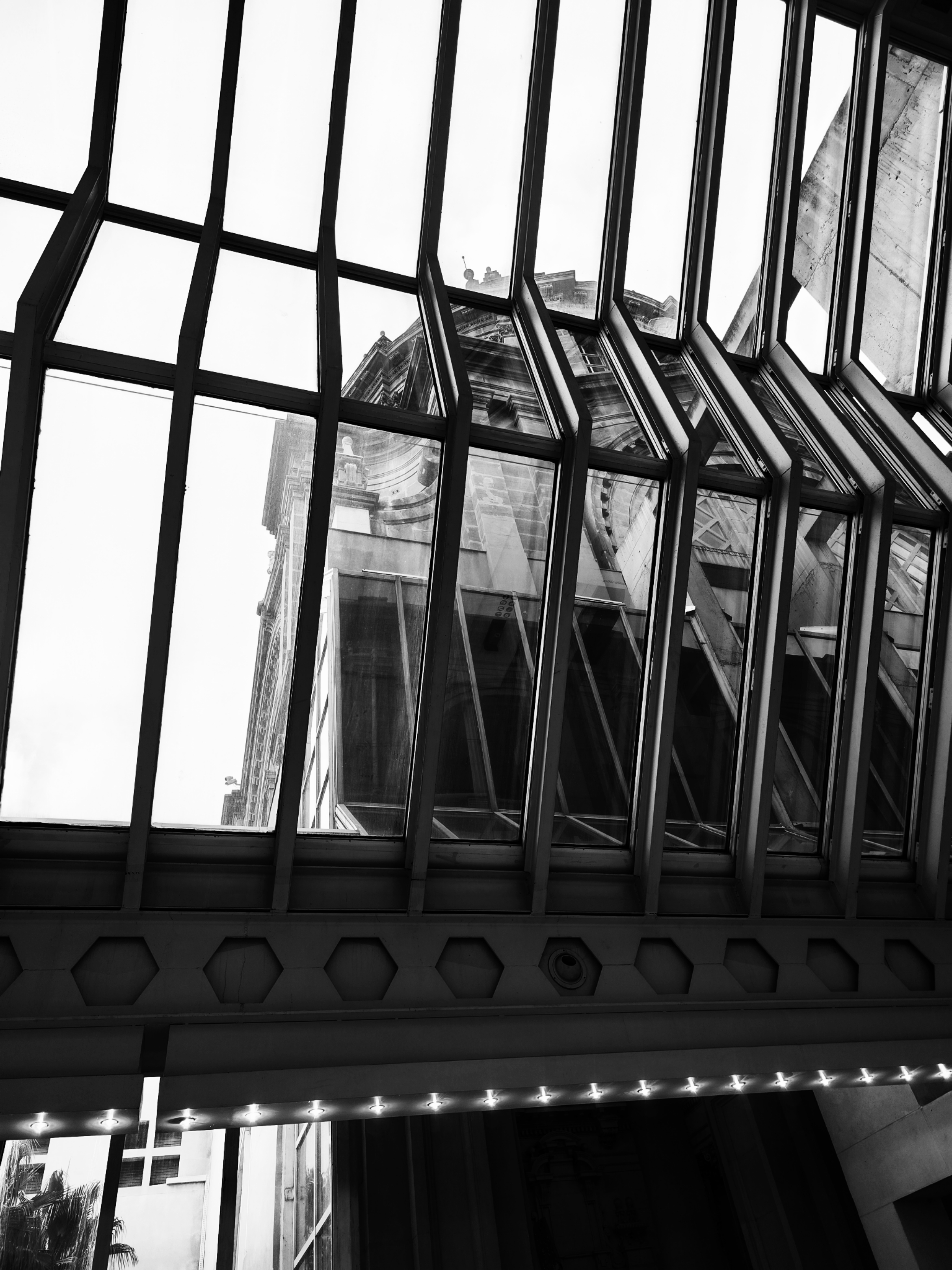
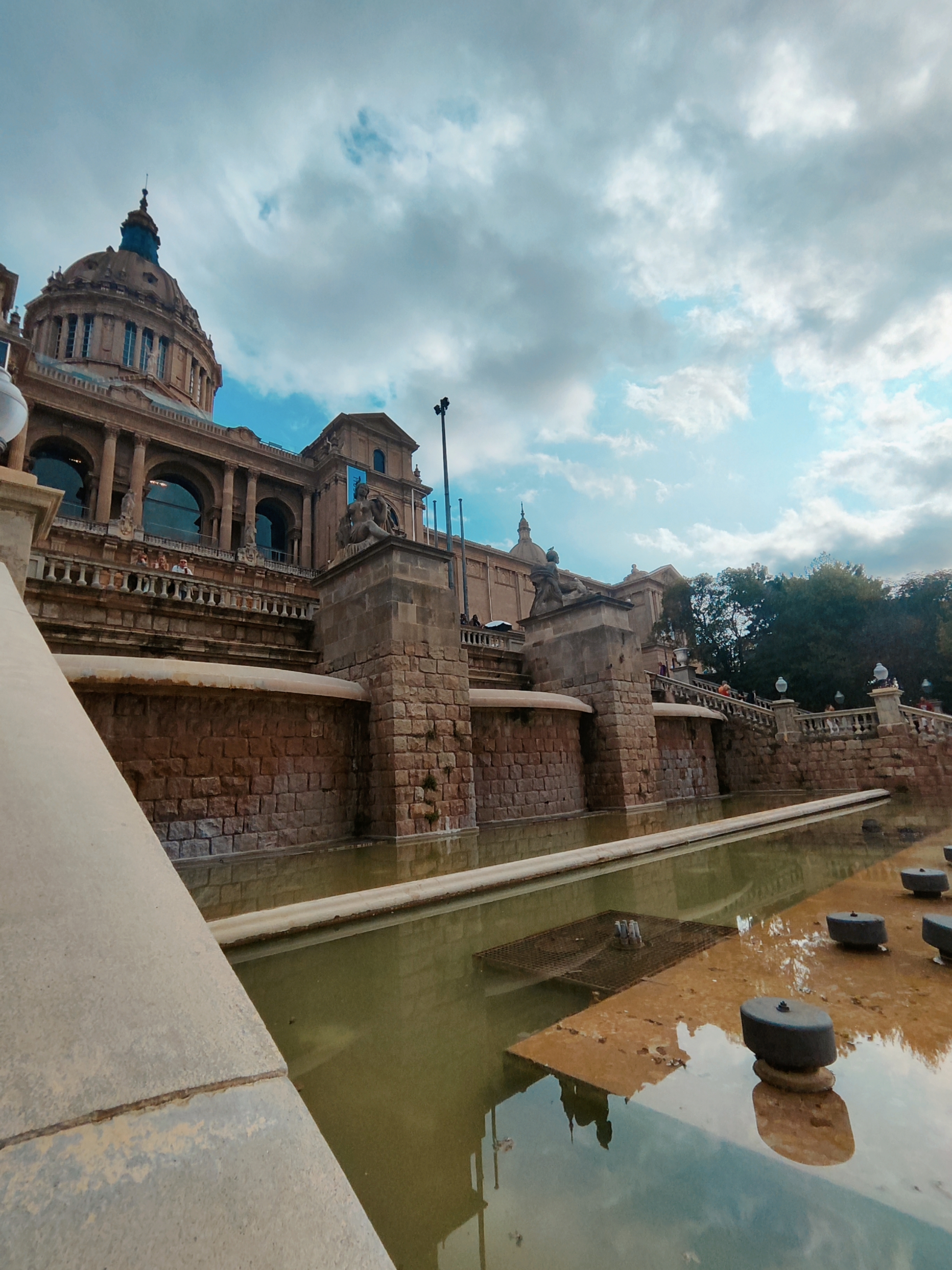
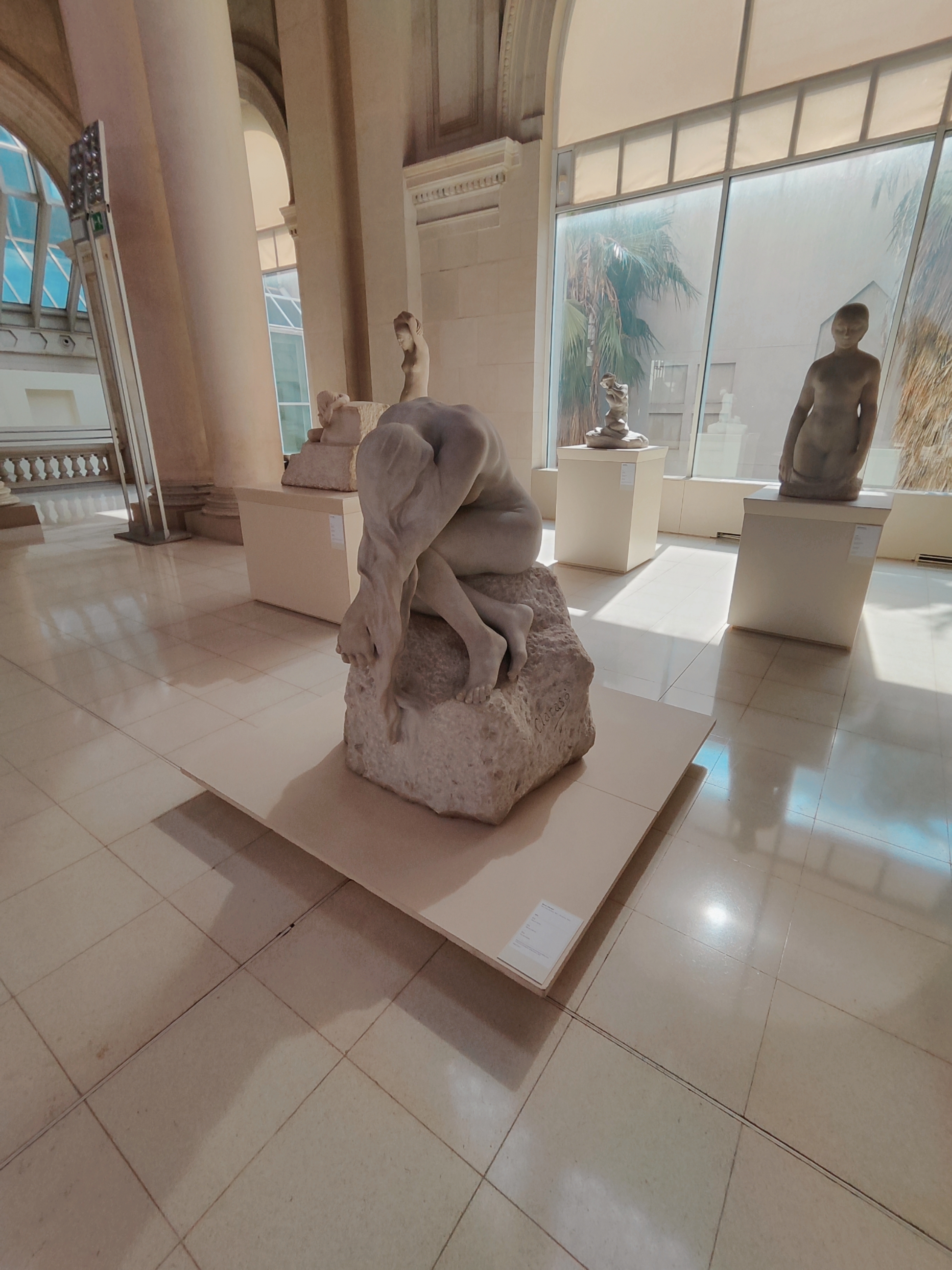
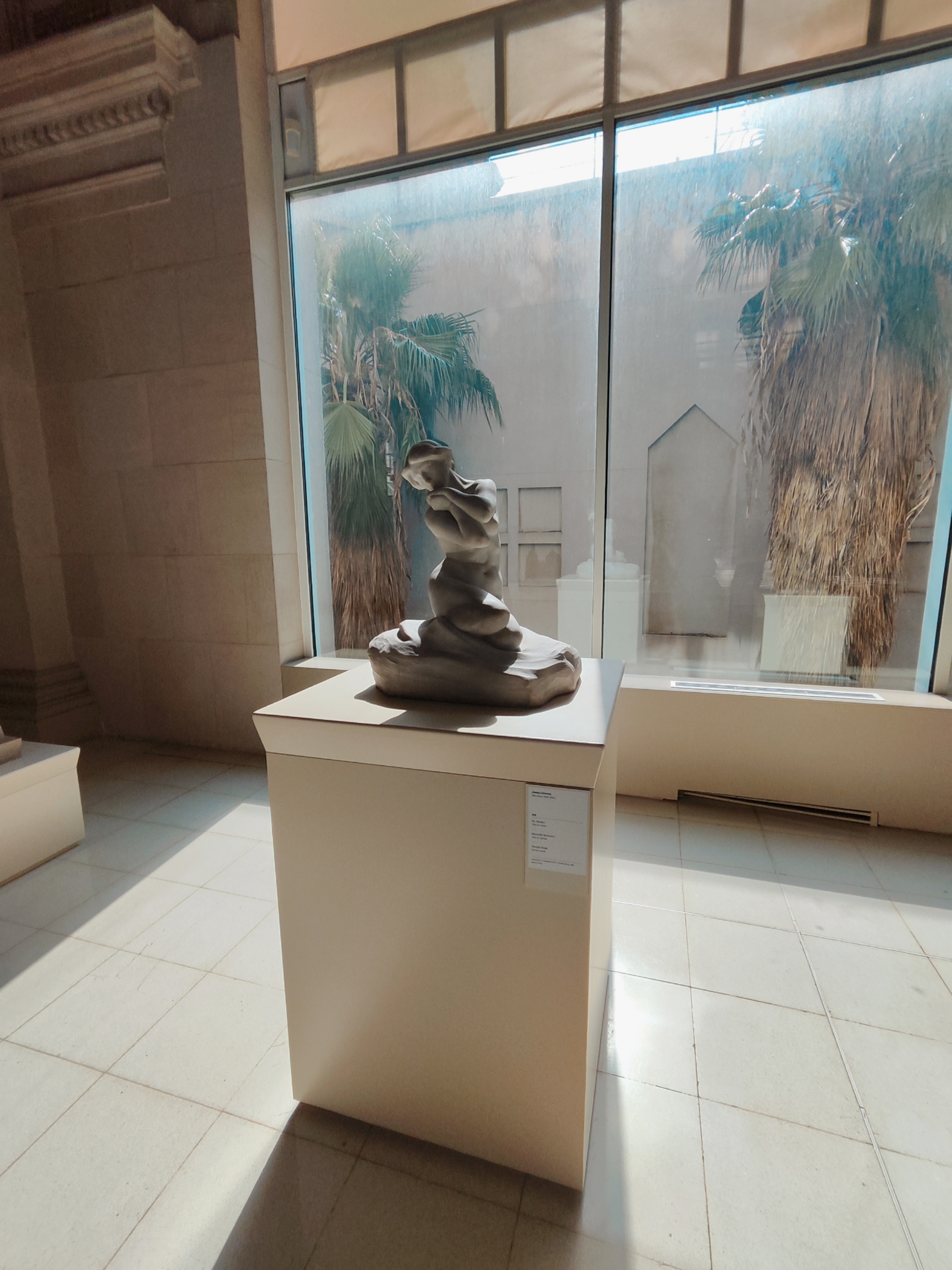


My husband was impressed about how Spanish just publish pictures of nudity without feeling modesty, let’s say it’s more about showing the reality to the world the way it is, without hiding or faking perfectionism.

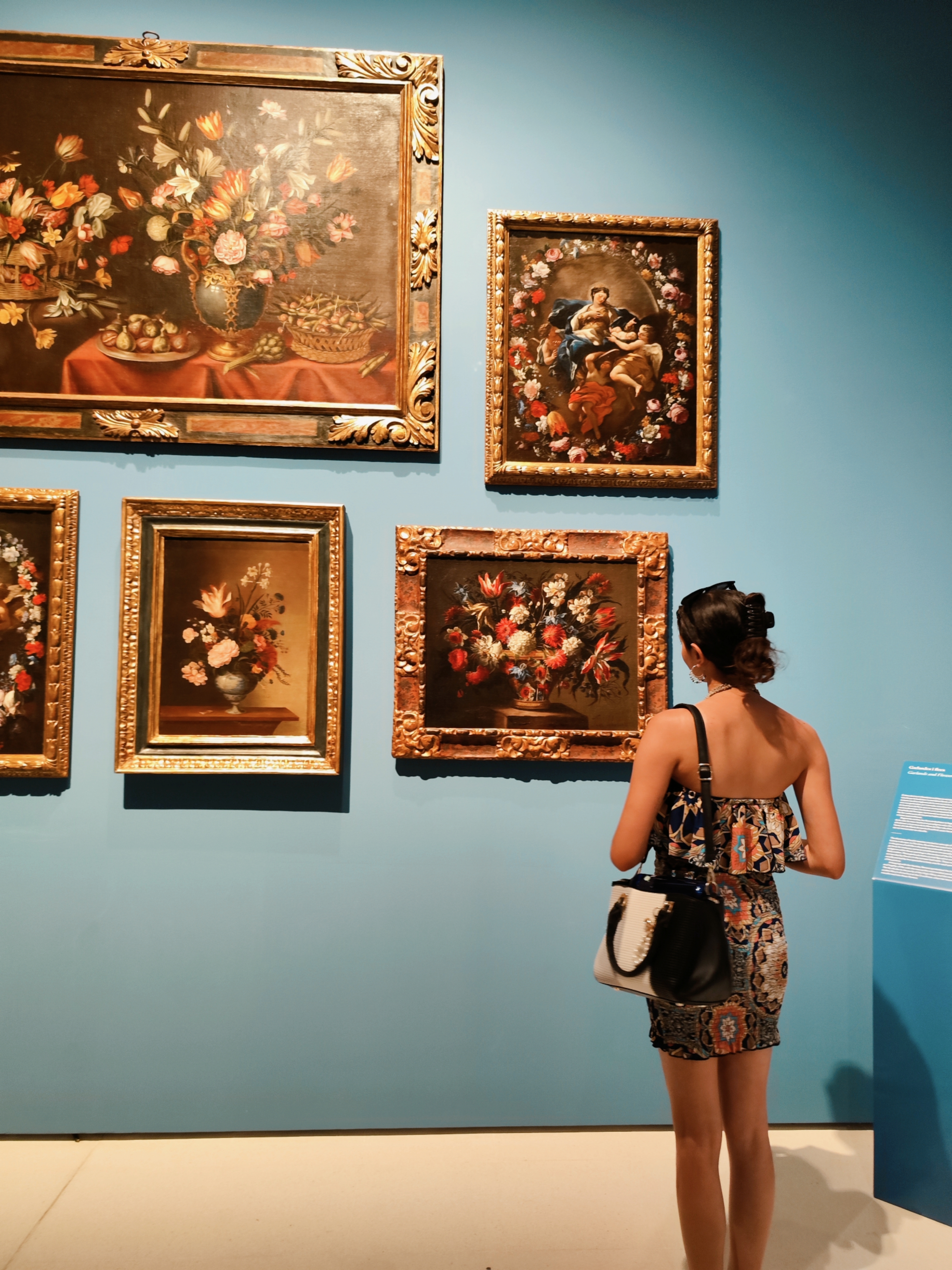
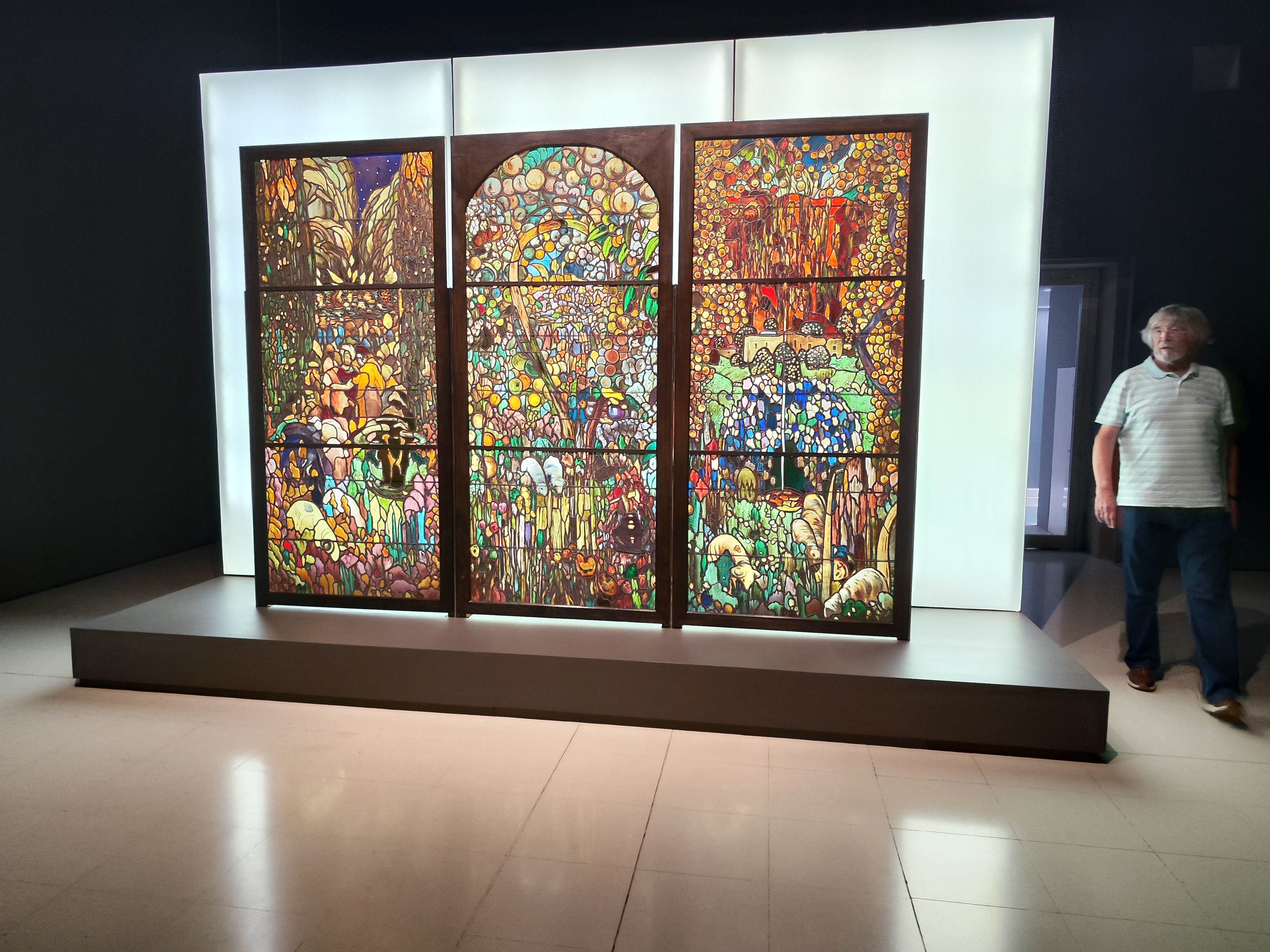
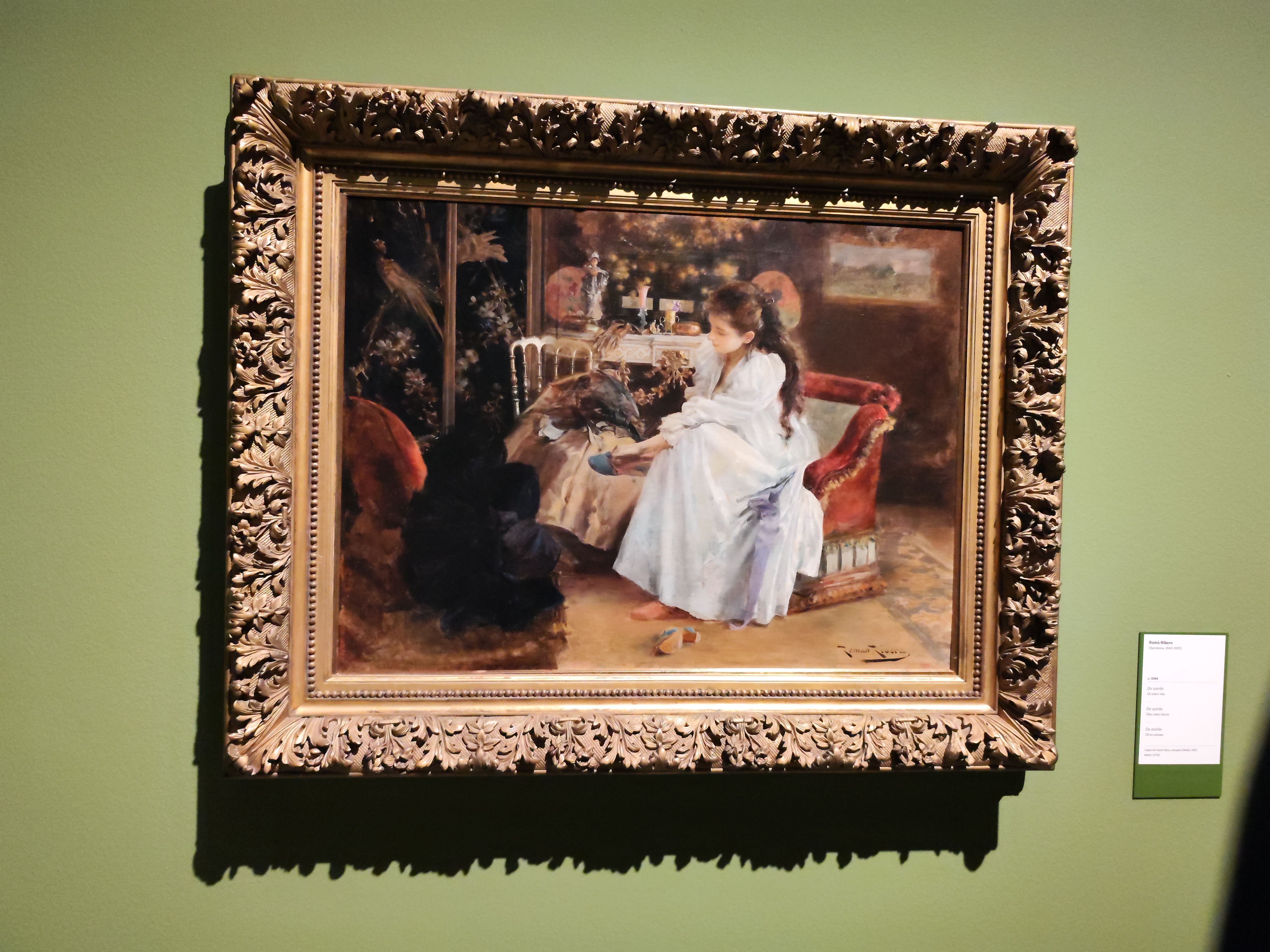
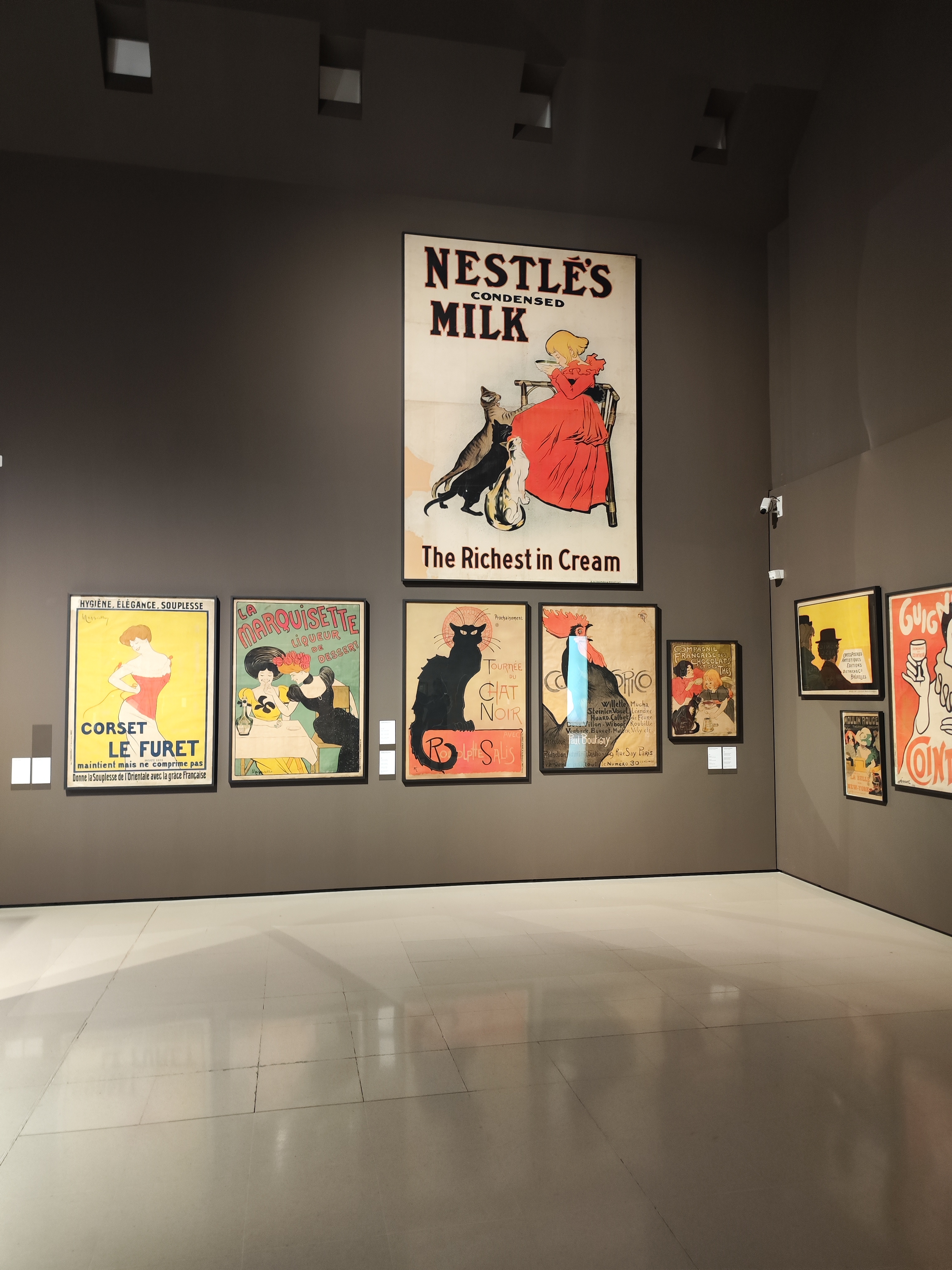
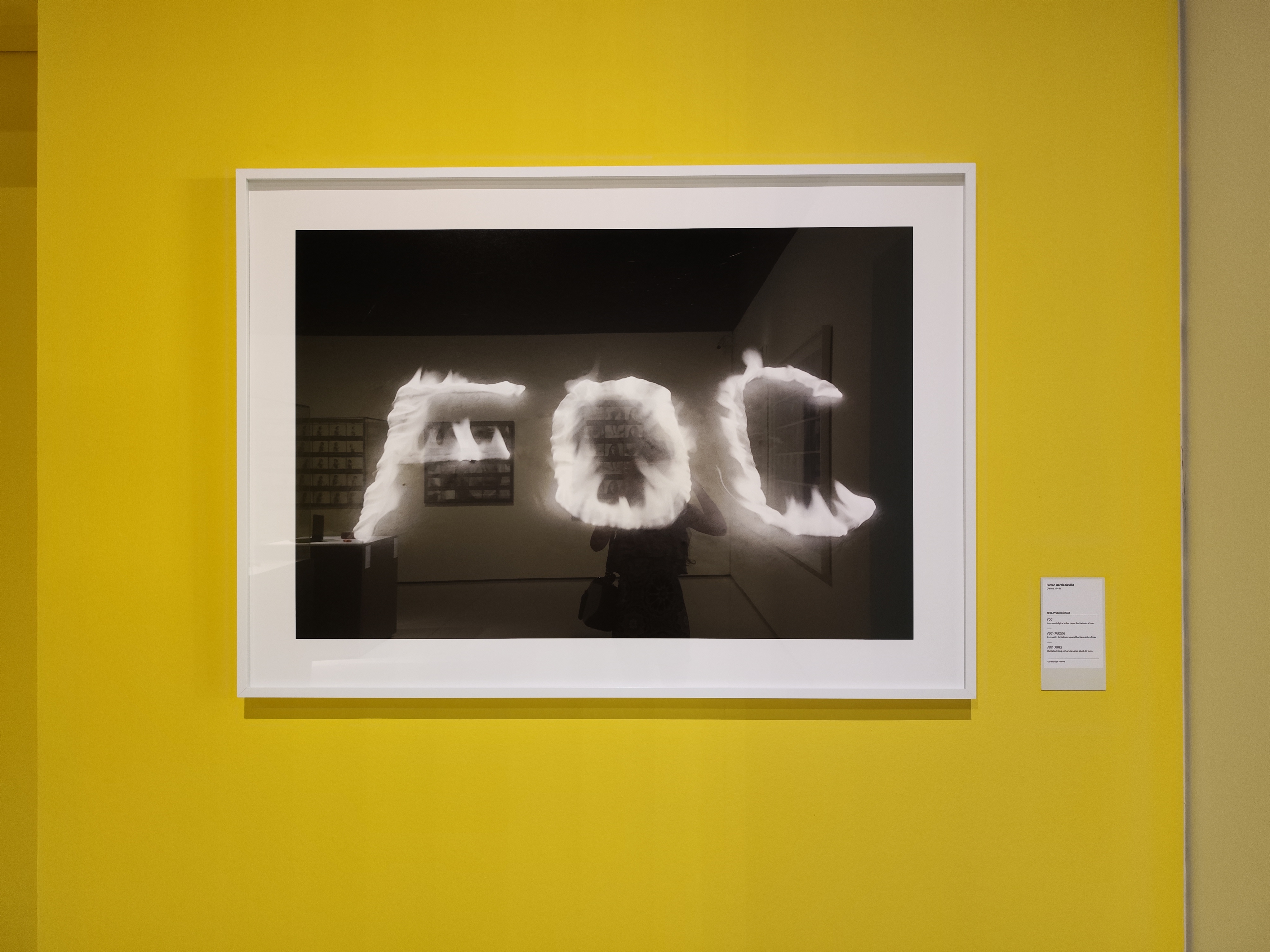
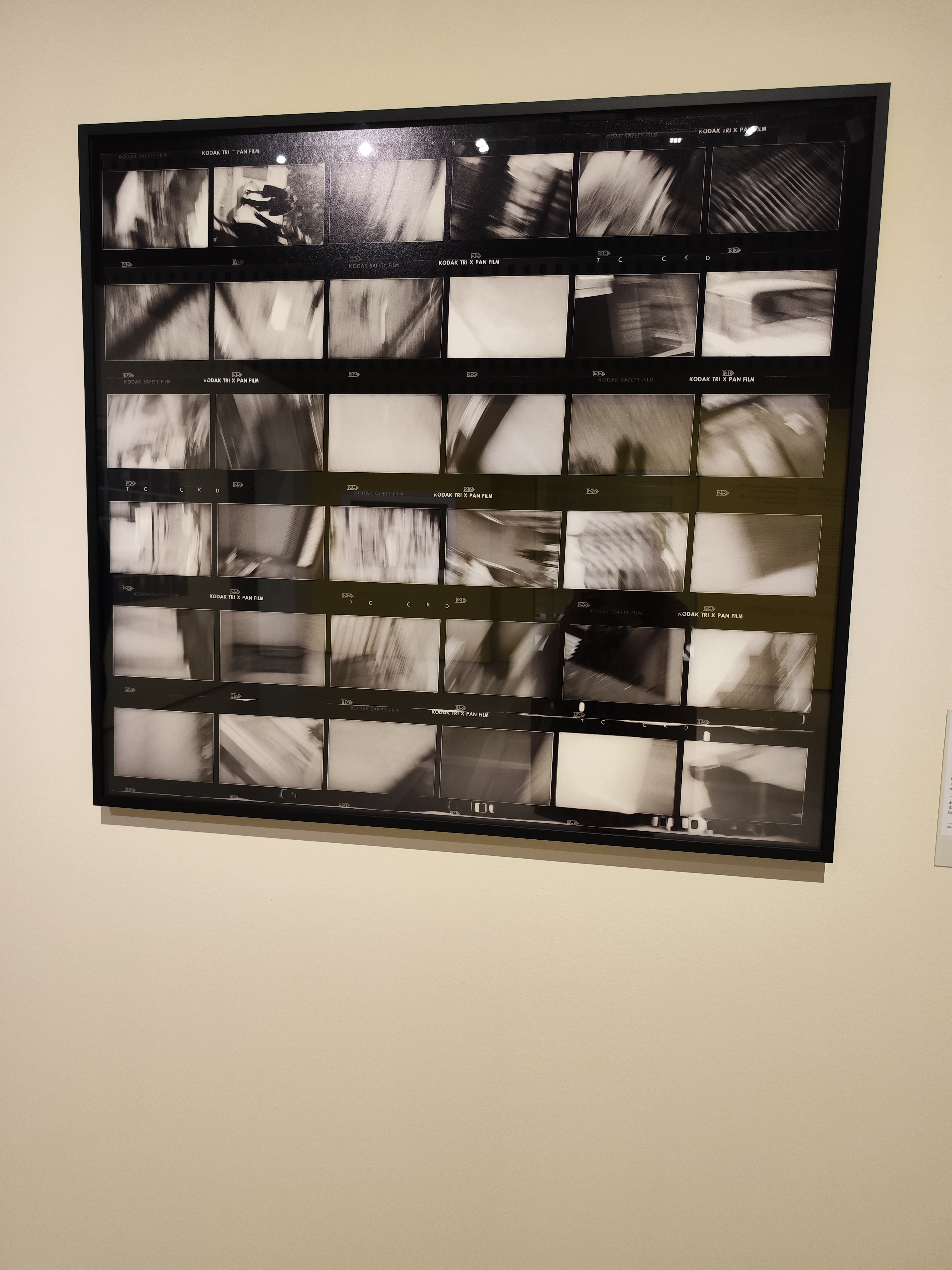
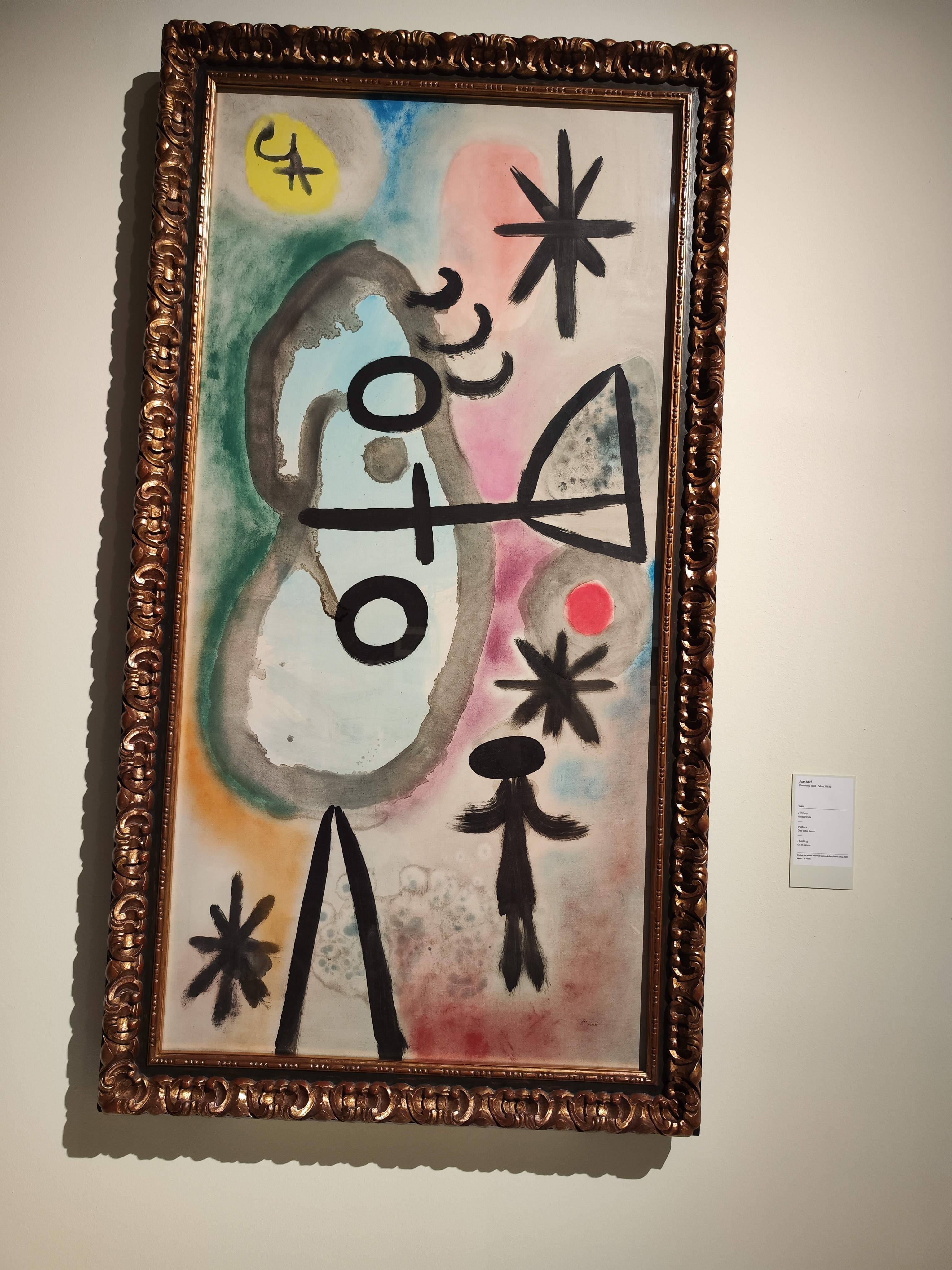


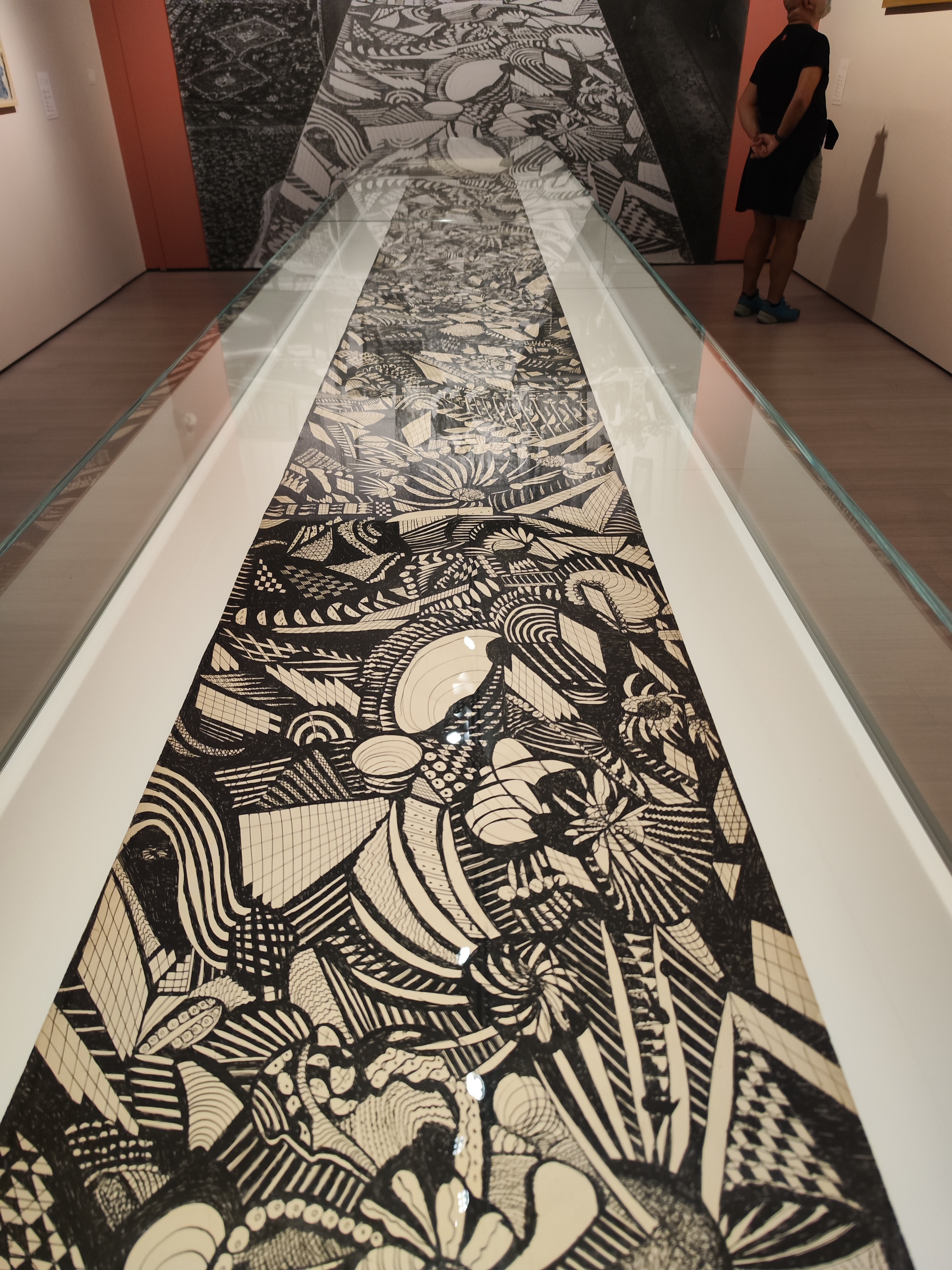

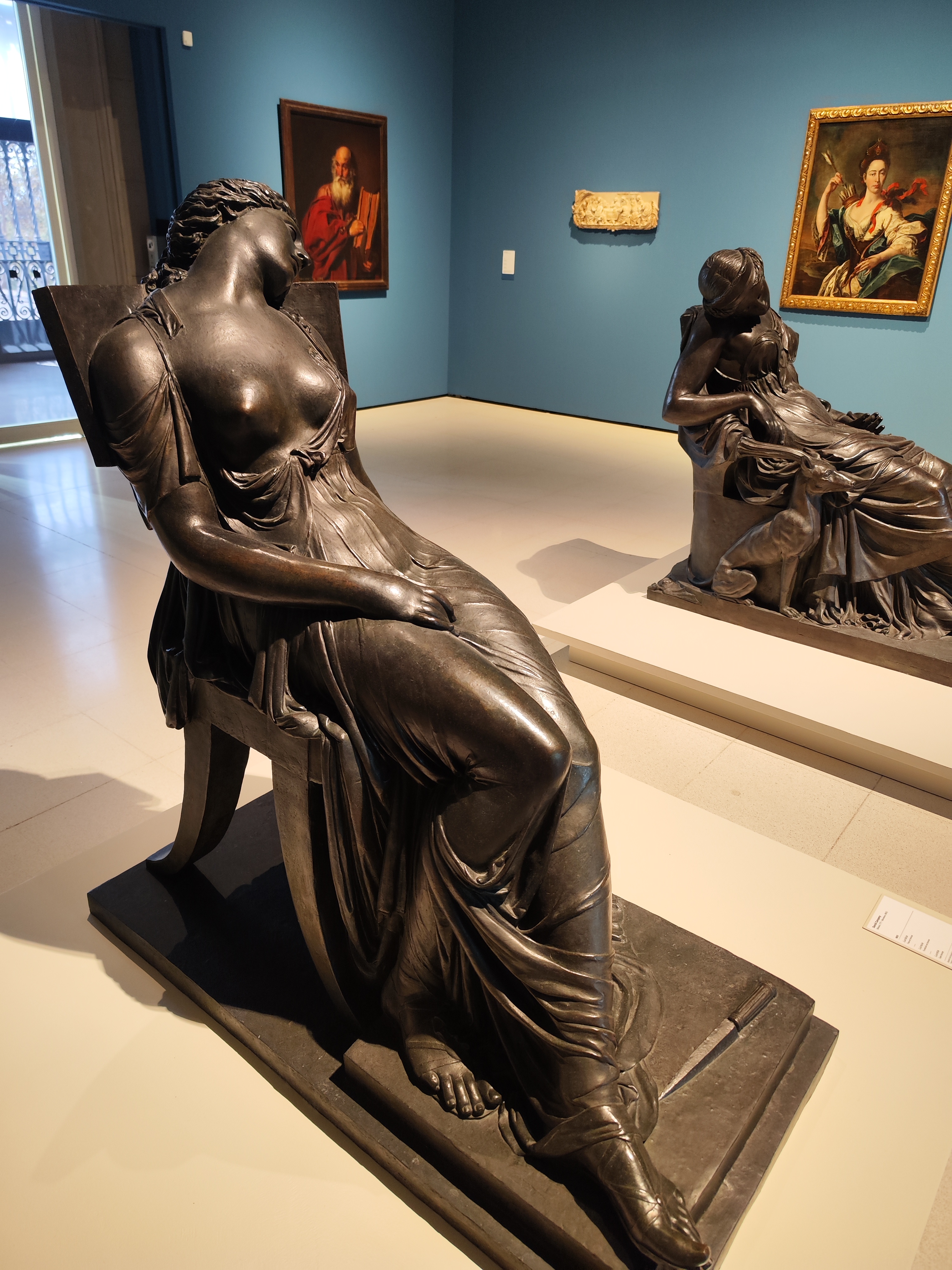
After we watched the whole paintings and sculptures, we decided to go back to the hotel and also, go to the artisanal store of Turrones, close to La Pedrera, and get some for my mum, as a present. Check out their page, they are very kind and the variety of turrons is insane, I knew about traditional flavours but they even have exotic flavours (other than traditional), I really liked them!

And that was it, We visited as much as we could in a week, we went to the beach, we ate paella, we ate churros, and my husband had Horchata, I felt blessed and grateful, and honestly didn’t want to come back to Italy, but it was worth it, and I will always remember it.
THANK YOU AGAIN BARCELONA, you never cease to surprise me.
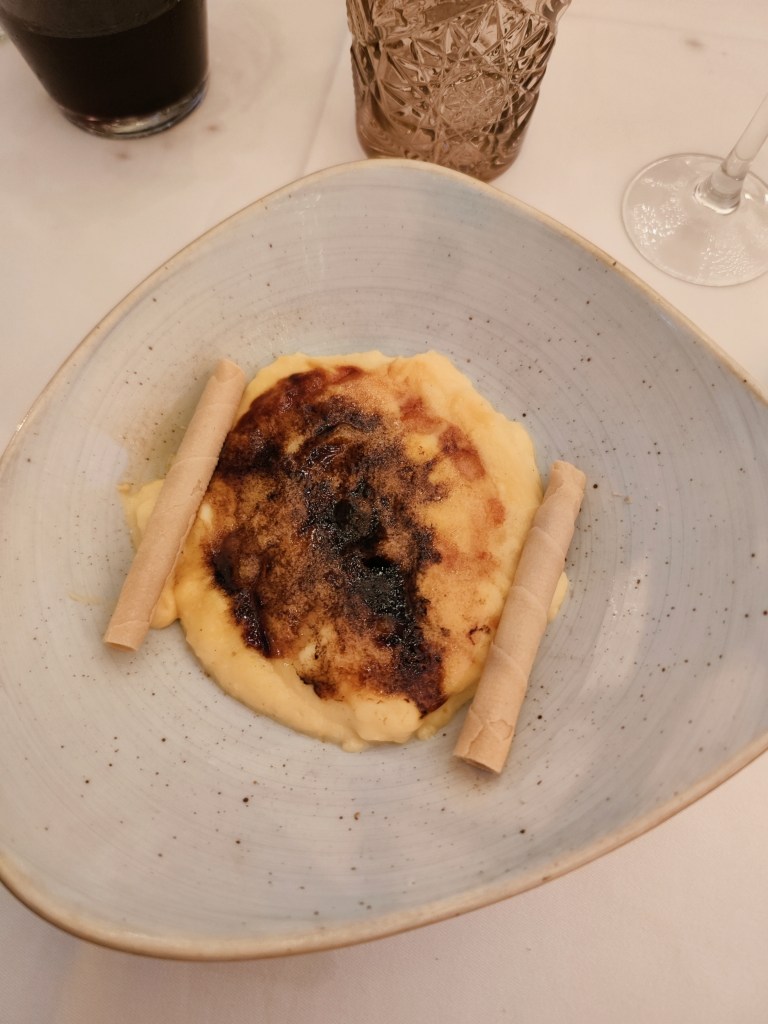
I’ll greet you all with a picture of the Catalan cream
Remember to not miss the chance to acquire my 7 days itinerary in Barcelona! Clicking on this link🔗
Thanks for reading about our adventure in Barcelona, see you in the next post!


#france #let'shelpaprincess #mountains #paris #part of my origins #portugal #travel #wine adventure architecture art author Blog & Travelling bloganuary bloganuary-2024-02 Buleria dailyprompt dailyprompt-1805 dailyprompt-2026 Dancinggiglio England Flamenco health Holamundo italy martinete motivation Mountains nature notebooks Part of my origins poem poetry Science seguiriya taranto The guitar is like a woman Traditions travel travelling wedding woman writing


 Dancing Giglio
It’s so beautiful to read ” How Everyone know”…and me…”sure…👀”. This Temple and garden show how this artist was be so skilled. Ahaha Never get a latina hungry…I noted this👀.
“La funicolare!!” That’s that I think when I read the sentence😂
Now I’m so glad that you come back🤠😢
LikeLike