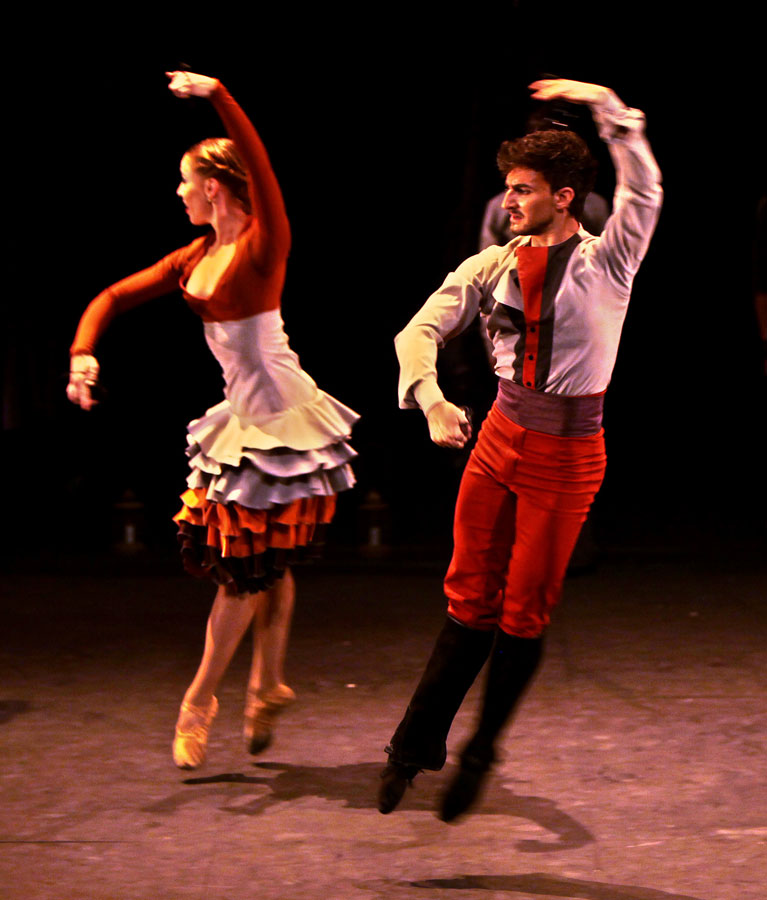
It refers to the set of dances of Spanish origin. These differ according to the region and represent the most important cultural acts of each locality.
The concept of Spanish dance or Spanish ballet differs from classical ballet and is usually identified with flamenco dance, although it is not strictly identified with it.
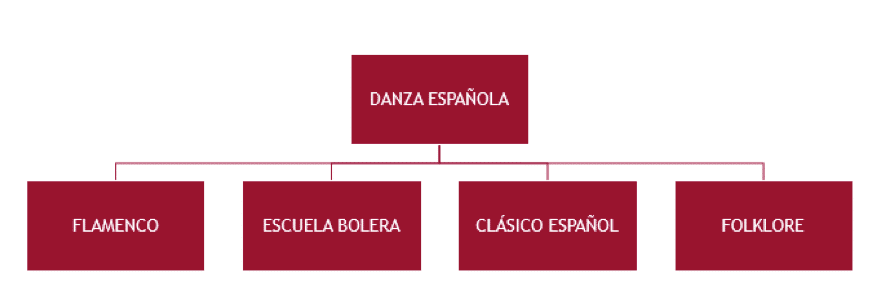
Danza Española is a varied dance full of nuances that includes a series of disciplines such as Flamenco, Spanish Classic, Folklore, Bolera School and Classic Ballet. It is a very rich dance, which requires great coordination, use of the stick (castanets), and strength training in classical ballet.
Currently, we have great dance companies, which are dedicated to spreading this art, among them are: The National Ballet of Spain, Cía Danza Antonio Márquez, Rojas y Rodriguez and the Aída Gómez Dance Company.
As all connoisseurs of this discipline know, Danza española is governed a lot by classical dance
Classical Dance takes on an important role in the early years of dancers’ training, and of course, it is present throughout the entire career of a dancer.
There are many benefits that Dance in general and therefore this style brings us, that is why when teachers teach us Classical Dance, they have to transmit various factors to us:
- The Technique, taking into account the physical characteristics of the student (each student has different conditions and a different body)
- The requirement of “perfection” according to their possibilities, that is, neither above nor below what the student can do.
- The search for purity and quality of movements.
- Good work of each of the muscles, to achieve elongated muscles, seeking coordination and homogeneity of movements.
- Student reflection. You have to make the students think, Balanchine already said: “The human body is a machine that thinks”. If you think and analyze the movement, you will be able to carry it out, let’s not forget that dancers, contrary to what one might think, use their mind and body almost equally.
- The harmony of all movements is in tune with the music since music is a vehicle of expression for our movements.
- The feeling, the expression of emotions, channelled through our body, make the technique become Art.
Origin
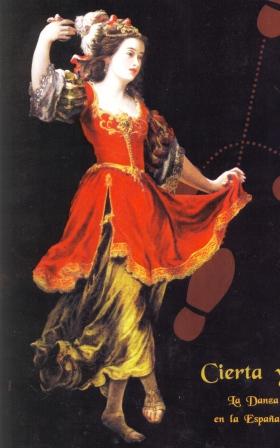
The origin of dances in general dates back to antiquity, as we explained in the post on the history of classical ballet.
The origin of ballet itself is located in the fifteenth and sixteenth centuries and in the Renaissance. Also in the 16th century, courtly dances developed in different regions, as well as popular dances that exerted a great influence.
At the end of the 16th century, the rest of Europe was introduced to this type of dance, and at the beginning of the 17th century, Spanish dance forms began to become fashionable among European dance masters and in aristocratic dances.
The different styles of Spanish dance
Regarding the different Spanish forms of dance, the ones that stand out the most are flamenco and the bolera school.
Flamenco developed as a result of cultural miscegenation, while the bolero school emerged from classical ballet and popular dances.
Originally, the bolero school was studied in academies approaching classical ballet, unlike flamenco.
In the 18th century, the bolero was at the forefront of Spanish dances and at the beginning of the 19th century, they reached their peak in their performances in theatres and halls with extremely difficult steps and brilliant choreography.
On the other hand, flamenco would begin to be danced in closed places, almost always on patios, and it would not be until well into the 19th century that it gained popularity, at which time the bowling school in turn lost importance.
From the middle of the 19th century, singing cafes were created where flamenco was basically danced, but both styles began to approach each other, boleros and flamenco, in what can be considered the first step in the professional life of the latter, they were hired for these premises along with other varieties.
From that moment on, both styles would intermingle while the Spanish classic would also develop.
The influence of ballet and the use of castanets in Spanish dance
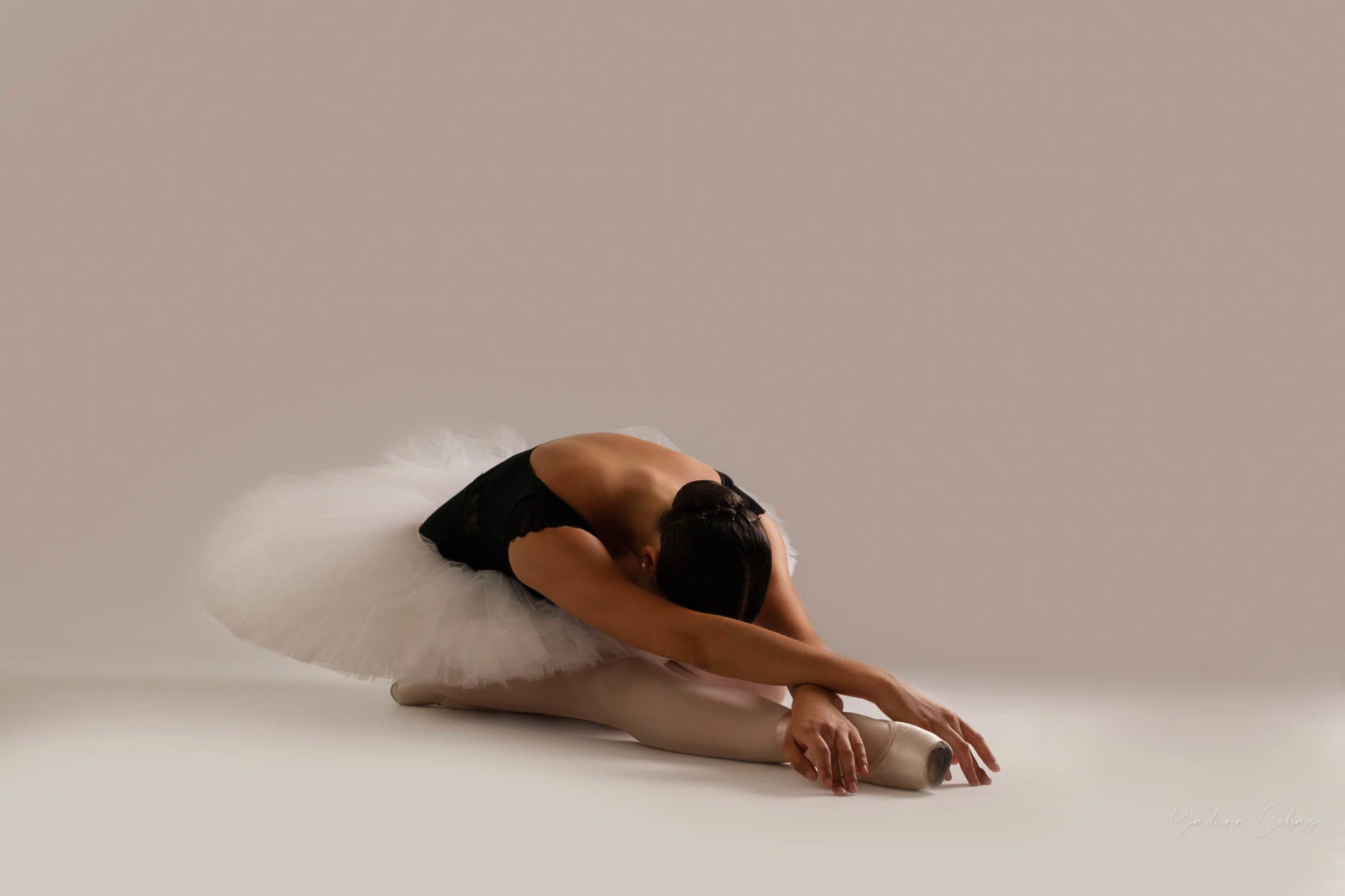
Spanish dance shoes and castanets are normally used, especially classic dance along castanets because of the important influence on classic dance.
The study of classical ballet provides all the techniques to develop any type of dance, in general, Spanish dance dancers also study classical ballet for at least one initiation.
Castanets

Castanets are percussion instruments, made up of two pieces of wood joined by a cord. Like any instrument, it needs a detailed study. In general, they are used in all styles of Spanish dance.
As a curiosity, note that the tones of both castanets are different, the high castanet is usually placed in the right hand and the low one in the left hand; the sharp castanet always has a line at the top to easily distinguish it.
Next post we will talk about Escuela Bolera or Bolera School, which is part of Danza Española, see you in the next post! 😊
#france #let'shelpaprincess #mountains #paris #part of my origins #portugal #travel #wine adventure architecture art author Blog & Travelling bloganuary bloganuary-2024-02 Buleria dailyprompt dailyprompt-1805 dailyprompt-2026 Dancinggiglio England Flamenco health Holamundo italy martinete motivation Mountains nature notebooks Part of my origins poem poetry Science seguiriya taranto The guitar is like a woman Traditions travel travelling wedding woman writing


 Dancing Giglio