
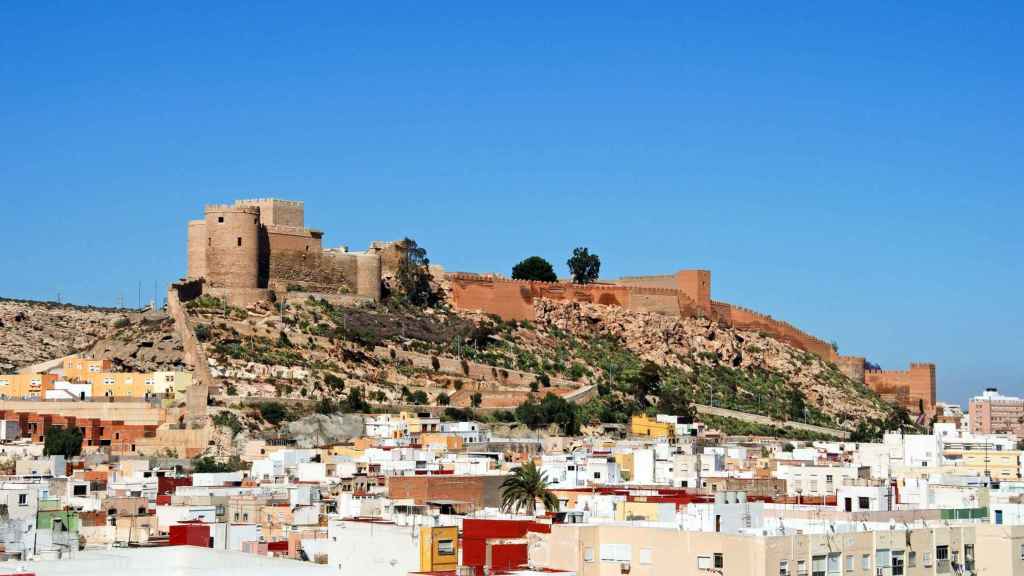
The Taranto is a flamenco style originating in the province of Almería (Andalusia, Spain). It is descended from the taranta, and differs from it in that it sticks slightly to one beat, which makes the dance possible, which is similar to that of the Mora zambra.
History
The first to sing it was Pedro el Morato, although “El Cabogatero” (1810-1880) and “Ciego de la Playa” (born around 1840) can also be mentioned. We must also mention Juan Abad Díaz “Chilares”, who was born in 1868 in Zapillo, a neighbourhood of Almería. Being from the mining area of Almería, Taranto is considered within the cantes of the mines (fandango, taranto and taranta). Its development took place in Almería, during nights of flamenco singing, between the 19th and 20th centuries, beautifully decorated in three cafes: the “Frailito” cafe (Plaza de Santo Domingo); the “Spain” (C/ Sebastián Perez, today General Rada); and the “Lyon d’Or”.
The flamenco club “El Taranto” is in charge of maintaining the tradition of this song. In baile, Carmen Amaya is considered the mother of Taranto back in the 1940s. The Taranto had enriched relationships with the styles of the Murcia region, whose link was mining life and singers such as El Morato and Chilares, who lived coming and going from Cartagena and Almería.
Compas
To distinguish between tarantas and Taranto it would suffice at first to go to the rhythmic one. If the guitar is marking a rhythm, we would be facing a Taranto; otherwise, if he goes free and limits himself to giving answers to cante, a taranta.
In general, tarantas are commonly spoken of when the singer interprets a very flowery and sweet style, while in tarantos expression prevails. In addition, the ayeo that precedes the lyrics, in the taranto is done with open power, compared to the usual subtlety of the taranta.
The Taranto is today one of the most appreciated dances that, in a logical rhythmic sense, is usually concluded by tangos.
 Dancing Giglio