
The word "mago" comes from the Persian ma-gu-u-sha, which means priest. It came in Greek as μάγος (magi, plural: μάγοι, magoi), referring to a caste of Persian or Babylonian priests, who studied the stars in their desire to seek God. From Greek it passed into Latin as magus, plural magi, / magui / where did the Spanish magician come from.
Names of the Reyes Magos
Gothic casket with the alleged relics of the Magi, in the cathedral of Cologne (Germany).
According to the various traditions of the Magi, the number of them varies; so you can find the following essays:
- Three Magi: Although the Bible explains that there were three gifts given by the Magos to the Child Jesus, the first concrete reference to the number of the Magos is given by Origen, a well-known ecclesiastical writer, in the third century. 16 In the fifth century, Pope Leo I the Great officially established their number at 3 for all of Christendom. 17 In the middle of the 6th century, in the church of San Apolinar Nuovo, in Ravenna (Italy) the names of “Melchor”, “Gaspar” and “Baltasar” were assigned, 18 It is assumed that they are equivalent in Greek to “Appellicon”, “Amerín “and” Damascón “and in Hebrew to” Magalath “,” Serakin “and” Galgalath “. According to a legend, his remains are found in the Cologne Cathedral, Germany, where the so-called Reliquary of the Three Kings is located.
Tradition
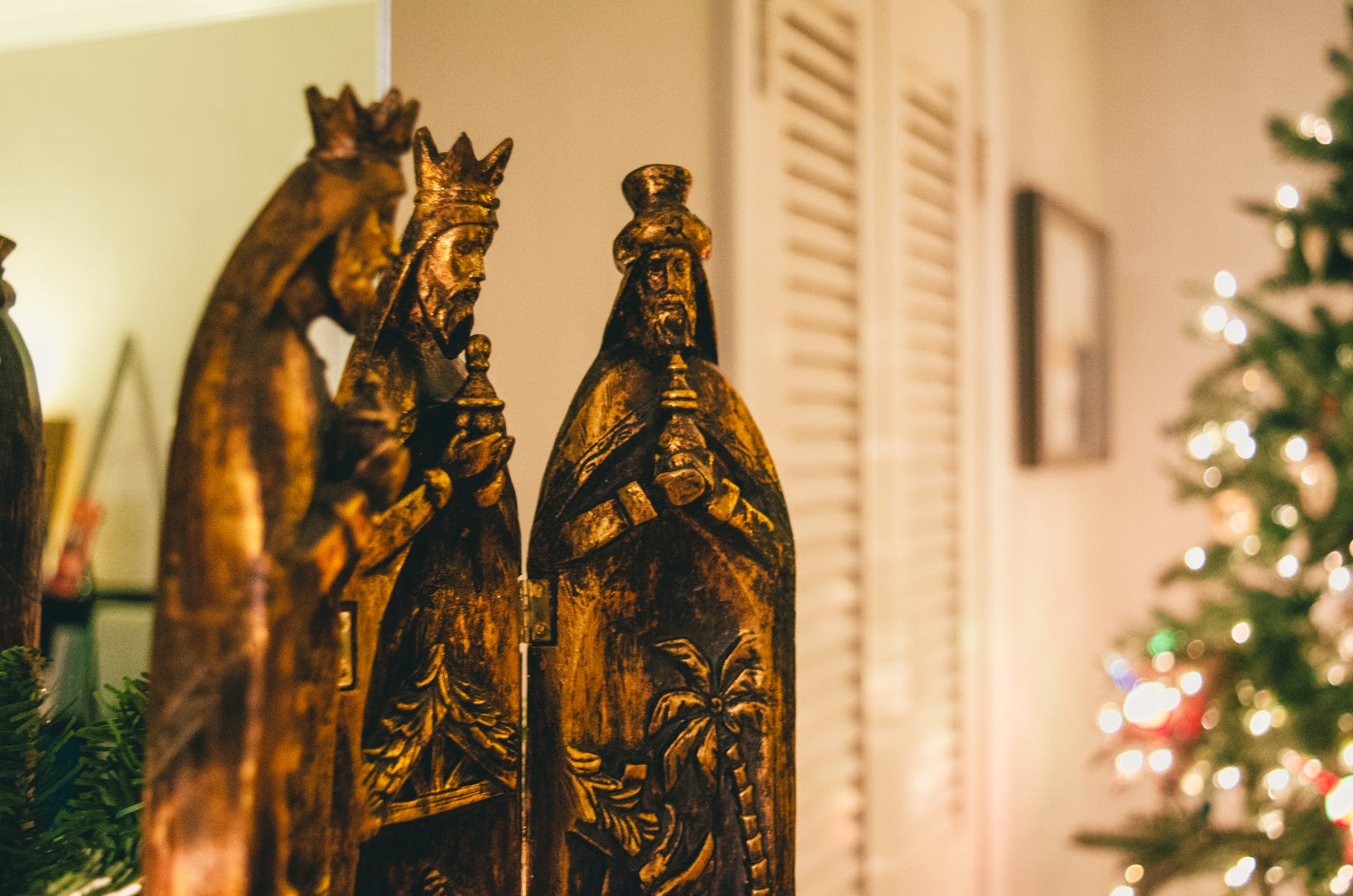
Over time, in countries with a Catholic tradition, the custom has been adopted of celebrating the Epiphany (January 6) and the Feast of the Magi at the same time, thus uniting the manifestation of Jesus to the non-Jewish world with the feast of these characters which he represented precisely that world of gentiles. Gradually, the true meaning of the word epiphany was forgotten and became synonymous with the adoration of the Magi.
January 6 is a public holiday in Cuba, Spain, Mexico, Puerto Rico, the Dominican Republic, Paraguay, Uruguay, Colombia, and Venezuela.
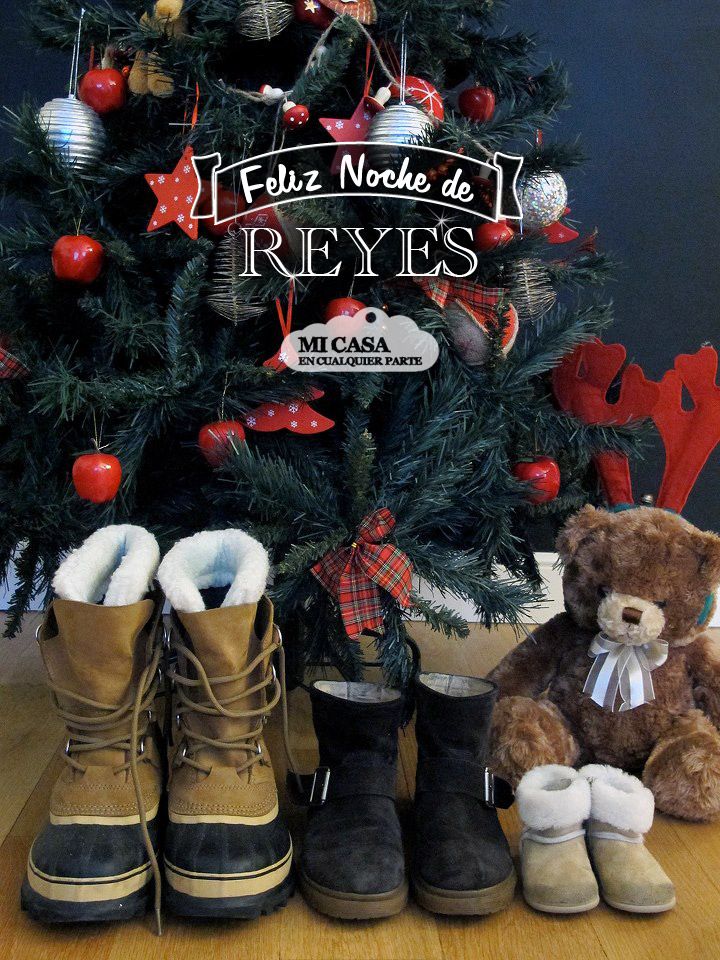
As a tradition, it is customary to place sweets or candies, chocolates in children’s socks or shoes.
Some variants depending on the country, leave the shoes directly under the bed or in the main window of the house.
¡Les deseo a todos un feliz día de los Reyes Magos!
xxx
-Gigliola

 Dancing Giglio
4 thoughts on “Los Reyes Magos”